


In a dramatic development that redraws the map of military balances in the Red Sea region, the quiet "Berbera" airport in the breakaway region of Somaliland has become one of the most controversial and dangerous military bases on the African continent. What began as a simple civilian facility has become a sophisticated military base that places the entire region on the brink of a volcano and sounds the alarm in Cairo.
Timeline of the Strategic Shift
Developments in Berbera were not a sudden occurrence but part of a precise chronological sequence:
- October 2025: Satellite imagery recorded the beginning of the major transformation, with large-scale excavation work, runway extension and construction of fortified underground aircraft hangars launched, alongside the installation of advanced air defence systems.
- December 2025: The decisive political turning point, when Israel officially announced its recognition of Somaliland as an independent state, becoming the first country in the world to take this step, paving the way for legitimising a military presence in the region.
- April 2026: This month saw a qualitative leap in the alliance, with ambassadors exchanged and construction begun on a fortified Israeli embassy in Hargeisa, coinciding with the dispatch of Somaliland officers for training in Israel and the announcement of the birth of the trilateral "Berbera axis" (Israel, Ethiopia and Somaliland).
From a Civilian Runway to a "Strategic Fortress"
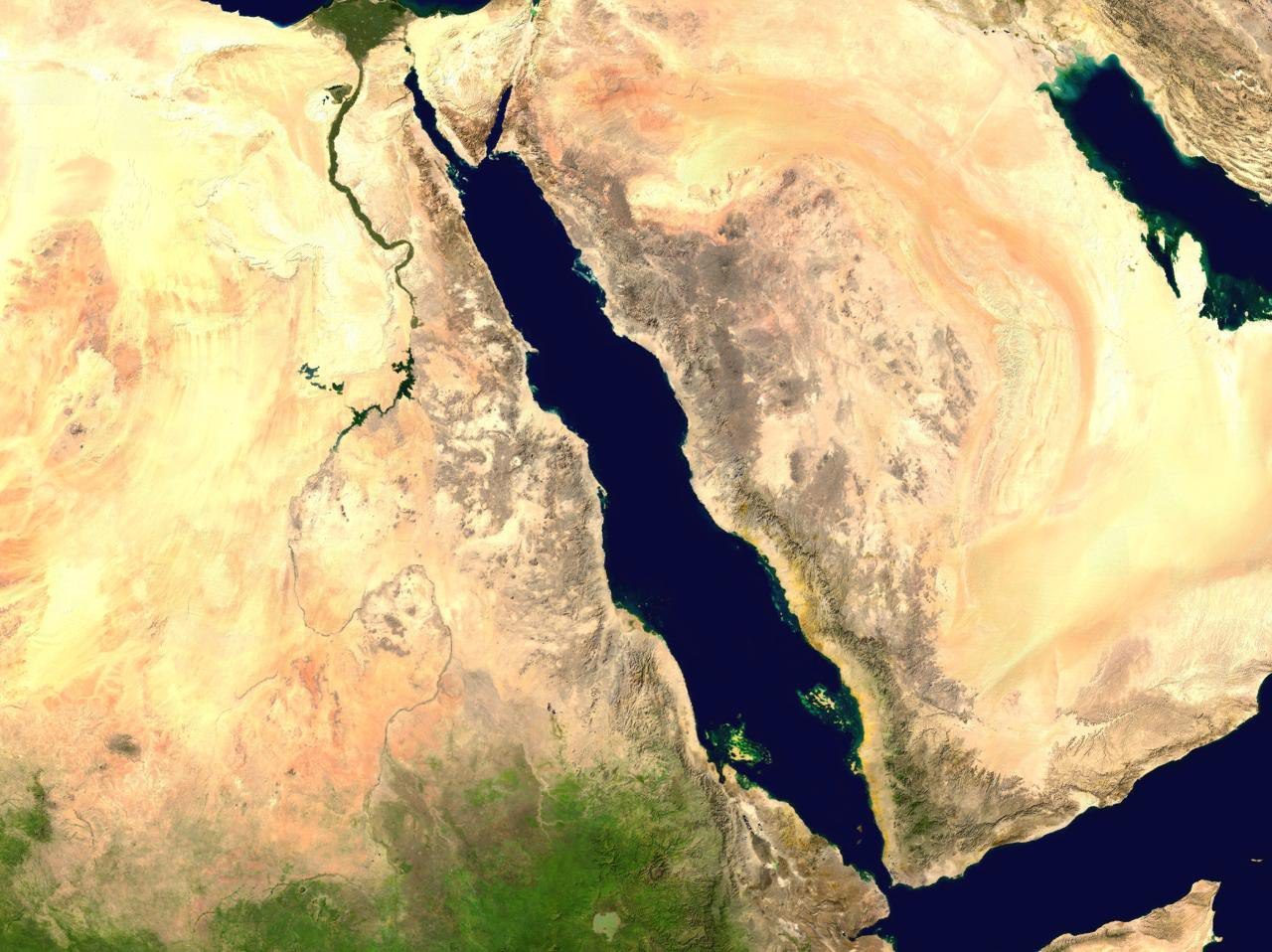
The base, located at a unique site only 260 kilometres from the Yemeni coast, makes it the direct overseer of the Bab al-Mandab Strait, the artery through which 12% of global trade passes.
Lethal Capabilities: 20 Minutes to Reach Targets
Military figures point to a new and shocking reality: the Berbera base has reduced the Israeli military response time towards Yemen from two hours to just 20 minutes using armed drones. With radars covering the range from Bab al-Mandab to the Suez Canal, every movement in the Red Sea has come under the base's intelligence microscope.
Cairo in the Line of Fire: Three Cards Threatening National Security
Observers believe the Berbera base is not merely a military facility but a strategic instrument of pressure against the Egyptian state across three fronts:
- The water file: The Israeli-Ethiopian alliance gives Addis Ababa military and intelligence backing in the Grand Ethiopian Renaissance Dam crisis.
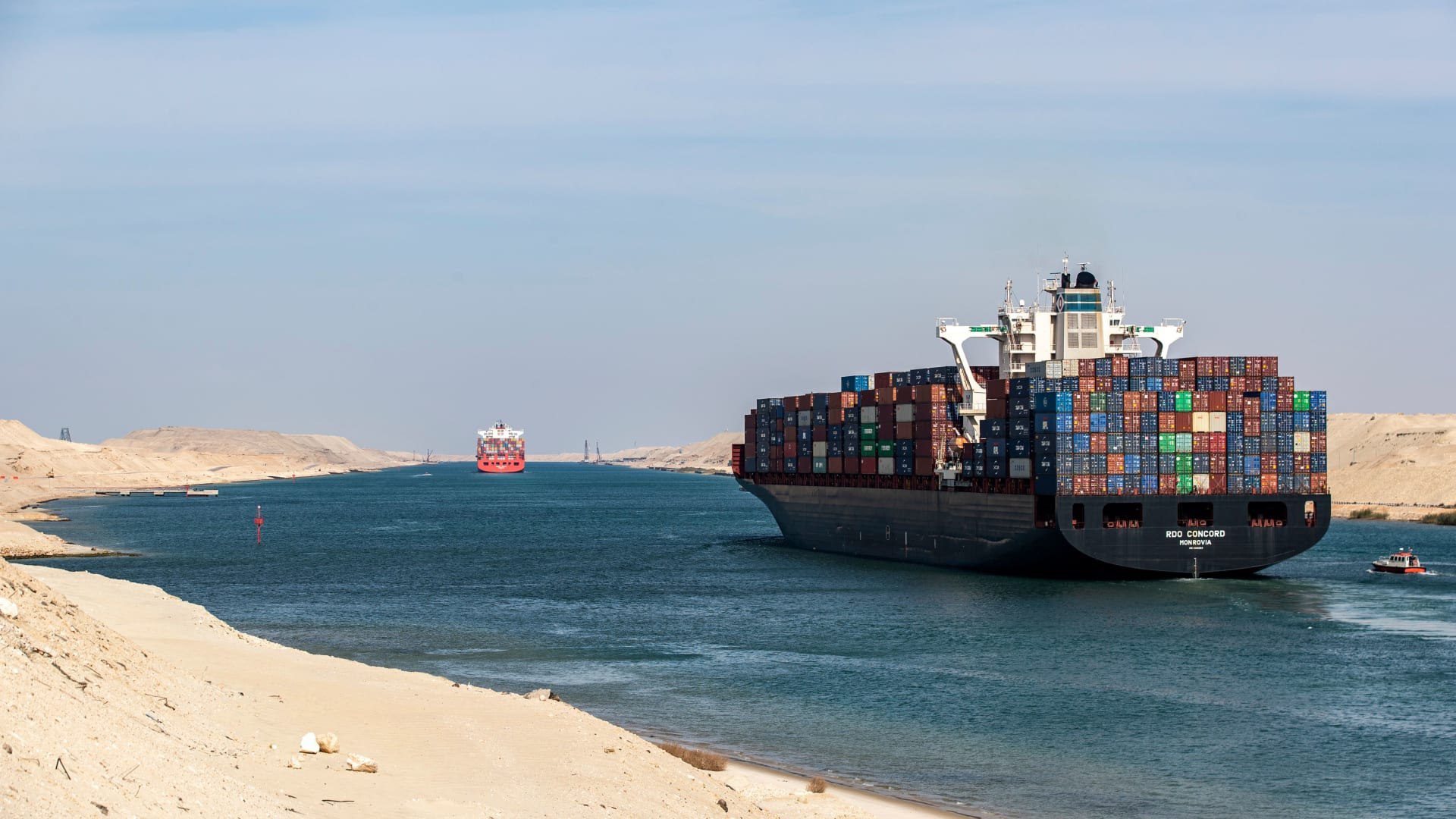
- The Suez Canal threat: Any militarisation of the southern Red Sea threatens international navigation, placing the Canal's revenues (9 billion dollars annually) at risk.
- Information penetration: The base has become an "intelligence eye" monitoring the movements of the Egyptian fleet and its naval bases with extreme precision.
The Egyptian Response: "Live Ammunition" Messages
Cairo has not stood idle. In April 2026, in a reaction coinciding with the escalating pace of the alliance in Berbera, the Egyptian Third Field Army carried out the "Badr 2026" live-ammunition exercise just 100 metres from the Israeli border, as a decisive message of strength.
In diplomatic circles, Egypt is leading an alliance with Ankara and Riyadh to besiege international recognition of Somaliland, alongside moves to consolidate an Egyptian presence in Djibouti and Eritrea to confront the "Berbera dagger" before it lodges deep within the Arab national security.
Conclusion
The transformation of Berbera airport into a sophisticated military base since October 2025, and Israel's recognition of Somaliland in December of the same year, have given birth to the strategic "Berbera axis", which reduces the military response time in the Red Sea to just 20 minutes.
This development places Egypt's national security before three-dimensional challenges touching on the water file in Ethiopia, Suez Canal revenues and informational sovereignty, prompting Cairo to respond with the "Badr 2026" live-ammunition exercises and intensive diplomatic moves to contain this influence and secure the international navigation artery.
Multiple media sources


