

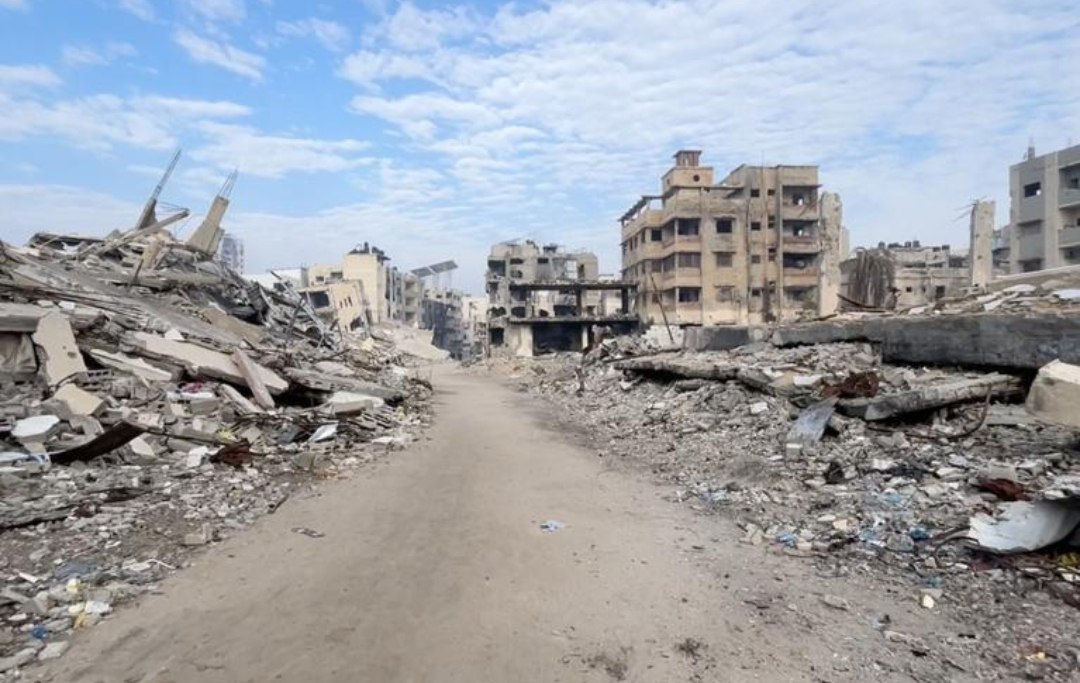
The humanitarian and living conditions in the Gaza Strip face a growing risk of deterioration, as the World Food Programme has been forced to scale back its food assistance due to a shortage of funding, at a time when the majority of the population still suffers from food insecurity and a declining ability to secure basic needs.
On 19 October 2026, the World Food Programme announced a reduction in the number of beneficiaries of its monthly assistance in the Strip from about 1.6 million people to 1.1 million, meaning that nearly half a million Palestinians have been deprived of the aid on which they had relied. Food rations were also halved, and daily cooked meals fell from 250,000 to 150,000. In some hard-to-reach areas, some families now receive one meal every two days instead of daily.
Data from the Integrated Food Security Phase Classification reveal that about 1.4 million Palestinians, representing nearly 67% of Gaza's population, face acute levels of food insecurity at the Crisis level or worse, including about 212,000 people living in conditions of food emergency. Despite the relative improvement achieved after the ceasefire of October 2025 as a result of increased aid, international institutions affirm that these gains remain fragile and reversible as supplies and funding decline.
The crisis is not limited to a shortage of aid; it is compounded by the collapse of income sources, the disruption of economic activity and rising prices. The World Food Programme's estimates indicate that unemployment exceeds 80%, leaving large numbers of residents unable to buy food even when it is available in the markets. Restrictions on the entry of goods, disruption of supply chains, and transport and storage costs also add pressure on the market and on households' purchasing power.
In this context, calls are growing within the Strip for tighter monitoring of markets and for tracking the prices of basic commodities and their costs from entry until they reach the consumer, to prevent unjustified increases and monopolistic practices. However, economic experts stress the need to distinguish between price rises imposed by wartime conditions and shortages of supply, and trade practices that warrant investigation, noting that rising prices alone do not prove that exploitation has occurred.
The testimonies of Palestinian families reflect the scale of the livelihood collapse: food aid has become the main source for meeting the needs of many families, while some households reported that aid had been cut off for months or that their rations had dropped to levels insufficient for their daily needs, amid an inability to buy food due to the lack of job opportunities and the deterioration of economic conditions.
Humanitarian institutions warn that the continued shortage of funding and the reduction of aid could lead to a rapid decline in food security levels, especially with the arrival of winter and the worsening suffering of the displaced. The World Food Programme affirms that the continuation of its operations requires securing funding and ensuring humanitarian access to the population, calling on donors and the international community to urgently support its operations.
Thus, the current danger lies not merely in a temporary shortage of food materials, but in the collapse of the system through which the population secures its food, as a result of the combination of reduced aid, loss of income, rising prices and damage to the economy. Indicators point to Gaza facing a real risk of worsening hunger and a recurrence of conditions resembling famine if the decline in funding and supplies continues without urgent intervention.


