


The suffering of Muslims in Africa is no longer tied only to images of famine, civil wars and armed conflict that periodically top the news bulletins, but is taking more complex forms with a deeper long-term impact. The continent, home to hundreds of millions of Muslims and with Islamic roots stretching back centuries, now faces new challenges that go beyond poverty, disease and political instability, reaching what some researchers and thinkers describe as a "struggle over identity" and attempts to reshape the cultural, social and religious structure of African societies.
Whereas direct military occupation was once the main means of control, aid, development programmes, international institutions and cultural and intellectual pressure groups have become softer but more profound instruments in shaping the continent's future.
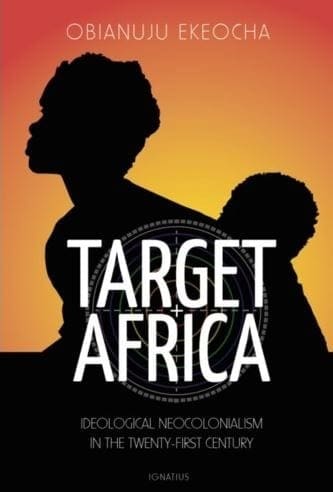
In this context, the book "Targeted Africa" by the Nigerian writer Obianuju Ekeocha gains particular importance as an attempt to understand the transformations taking place in African societies from an internal African perspective, away from the traditional Western narratives that present themselves as the sole model of progress and development.
A Rich Continent, Suffering Peoples
Africa holds around 30% of the world's mineral wealth and contains vast reserves of gold, diamonds, oil, gas, uranium, cobalt and the rare metals needed for modern industries. It also has one of the youngest populations in the world, with young people forming the majority of inhabitants, which makes it a strong candidate to become one of the most important economic powers in the coming decades.
Yet the painful paradox is that this immense wealth has not been reflected in a balanced way in the lives of many of the continent's people. Wide areas still suffer from poverty, weak health and education services, and armed conflict.
However, "Targeted Africa" goes further, arguing that the greatest challenge is no longer economic or political alone, but has become linked to attempts to reformulate the values and concepts on which African societies have been built over centuries.
The New Colonialism: When the Battle Moves to the Mind
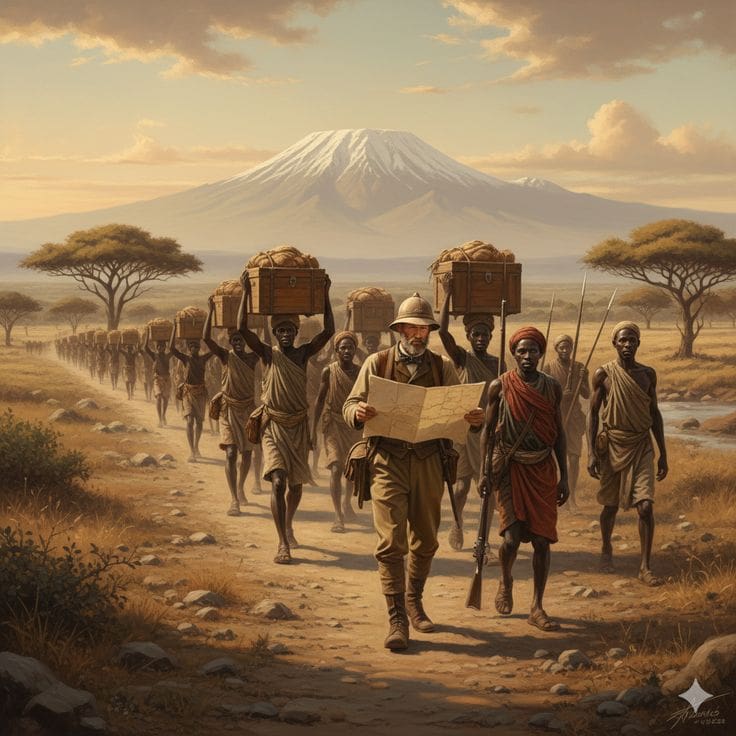
Ekeocha starts from a central idea: that the end of military colonialism did not necessarily mean the end of external influence. In her view, confrontation has shifted from control of land to influence over the human being himself, through changing his outlook on the family, religion, life and society. The writer considers that many externally funded initiatives and programmes do not confine themselves to providing development or health support, but in some cases carry cultural and philosophical visions that seek to reshape African societies according to a system of values fundamentally different from the religious and social heritage prevailing on the continent.
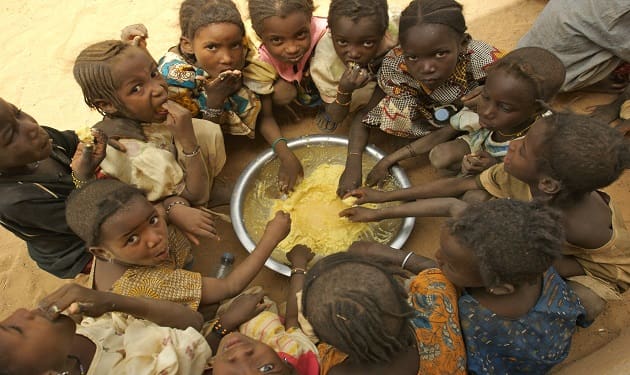
Hence she uses the term "ideological colonialism", referring to what she sees as organised attempts to replace traditional values, which form the backbone of African societies, especially Muslim communities in which the family and religion remain the foundation of social structure.
The Population Battle: Why Do Some Powers Fear Africa's Growth?
One of the most prominent issues the book discusses concerns Africa's population growth. The continent is witnessing one of the highest demographic growth rates in the world, and international estimates indicate that its population will make up an increasing share of the planet's population in the coming decades. The author argues that this reality worries some international circles that view the African population mass as a rising economic and human force that could change the balance of the global economy in the future. The writer criticises what she considers an excessive focus on birth-reduction programmes and the spread of contraceptives in some African areas, arguing that the real priority should be improving healthcare, education and job opportunities, rather than treating population growth as a problem in itself.
Young Africans at the Heart of Targeting
The book devotes considerable space to young people, as the group most influential and most affected in Africa's future. The author argues that the real struggle revolves around the minds of new generations, and that many cultural, media and educational initiatives aim to redefine concepts of the family, human relationships and sexual identity.
The Family: The Last Line of Defence
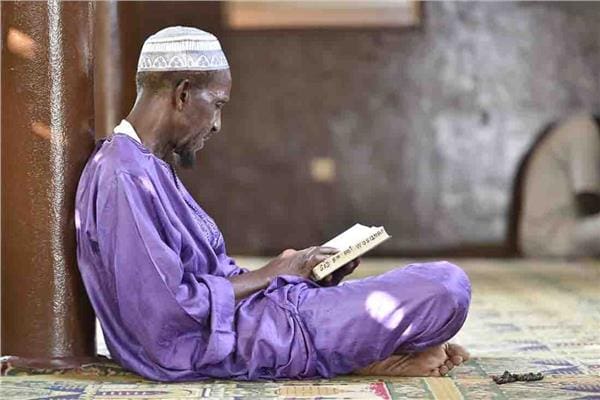
In reading the book, the African family appears to be more than a social institution. It is the stronghold that preserves identity and transmits values between generations, and therefore the author considers that targeting the concept of the traditional family represents one of the most serious challenges facing the continent.
She discusses at length the debate over abortion, homosexuality and some positions of Western feminist movements, stressing that the majority of African societies view these issues from a different perspective, rooted in religion, customs and local traditions. Regardless of whether one agrees or disagrees with the author's positions, the book draws attention to a growing cultural gap between international institutions and some African societies, a gap that could widen if attempts to impose uniform global views on highly diverse and distinctive environments continue.
Conditional Aid: The Other Face of the Crisis
Among the most controversial chapters of the book is the one dealing with the relationship between foreign aid and decision-making within African states. The author does not reject aid as such, but warns against its transformation into a tool of political or cultural pressure.
The writer links this phenomenon to the spread of corruption in some official institutions, arguing that the continued flow of funds without building a genuine productive economy entrenches dependency and delays the real independence for which African peoples have struggled for decades.
Muslims Between the Challenges of Reality and the Hope of the Future
For Muslims in Africa, the challenge is not limited to confronting poverty, armed conflict or economic crises, but extends to preserving cultural and religious identity in a world where tools of influence that cross borders are increasing. Nevertheless, the picture is not entirely bleak. The continent possesses immense human capacities, young societies, and great spiritual and cultural wealth, in addition to a long history of coexistence and resilience in the face of challenges.
"Targeted Africa" concludes that the future of the continent will not be determined by external powers alone, but will depend primarily on the ability of Africans themselves to build independent development models that respect their cultural and religious particularities and invest their human and natural resources fairly and sustainably.
Ultimately, the book offers a provocative intellectual testimony on the nature of the struggle taking place in Africa today. Readers may disagree with some of its conclusions or agree with them, but it cannot be denied that it raises a fundamental question: has colonialism truly ended with the departure of foreign armies, or has it returned in a softer and more influential form, targeting the mind and identity before land and wealth? That question remains open for anyone seeking to understand the suffering of Muslims and the future of African societies in the twenty-first century.


