


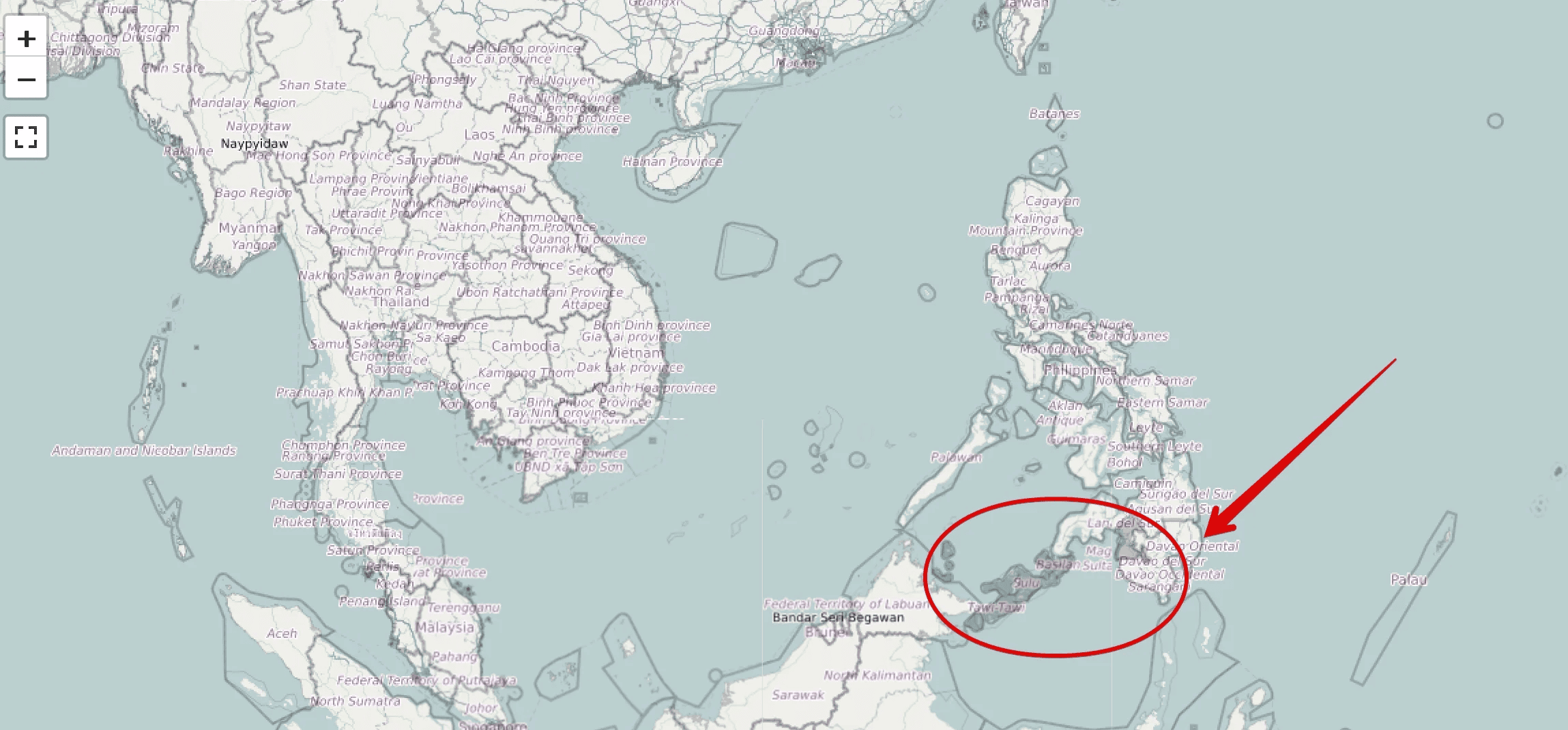
Muslims in the south of the Philippines have entered a new political phase, after voters in the Bangsamoro region, which has a Muslim majority, went to the polls on Monday, 14 September 2026, corresponding to 3 Rabi' al-Akhir 1448 AH according to the Umm al-Qura calendar, to take part in the first regular parliamentary election since the establishment of the autonomous region.
The vote is a historic milestone for Moro Muslims, after decades of armed conflict and negotiations with the central government in Manila. For the first time, the region is moving from a transitional administration whose members were appointed to a parliament chosen directly by residents through the ballot box.
Nearly 2.4 Million Voters
Some 2.4 million people registered to take part in the election, to choose a parliament of 80 members that will administer the self-governing Bangsamoro region in Muslim Mindanao.
The parliament is made up of party representatives, geographic constituencies and seats reserved for various social sectors. After it is formed, its members will choose the region's chief minister from among themselves, within a new parliamentary system within the Philippines.
According to the Bangsamoro government, voting took place through more than 5,000 polling centres spread across dozens of constituencies, and the elected members are to assume their duties officially on 30 October.
Decades of Conflict
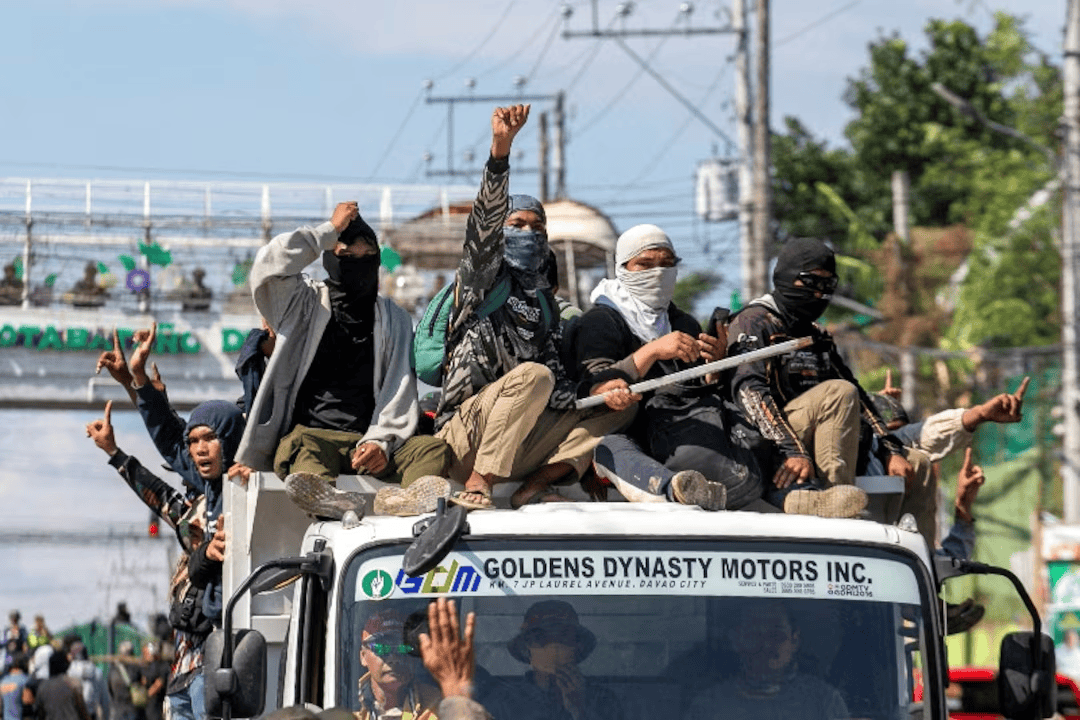
These elections cannot be separated from the long history of the Moro Muslims in the southern Philippines, among whom movements waged an armed rebellion demanding independence or broader self-rule in their majority-Muslim areas.
After years of negotiations, the Philippine government and the Moro Islamic Liberation Front reached a comprehensive peace agreement in 2014 (1435–1436 AH), under which the Front gave up its goal of establishing an independent state in exchange for the creation of a region with wide powers to manage its own affairs.
The agreement was followed by the enactment of the Bangsamoro Organic Law in 2018 (1439–1440 AH), and then a 2019 (1440–1441 AH) plebiscite in which residents voted to establish the "Bangsamoro Autonomous Region in Muslim Mindanao," replacing the previous autonomous government with broader political and economic powers.
Since then, the Bangsamoro Transition Authority has administered the region until parliamentary elections could be held. They were originally scheduled for an earlier date but were postponed several times, before a law passed in March 2026 (Ramadan–Shawwal 1447 AH) set 14 September 2026 (3 Rabi' al-Akhir 1448 AH) as the date for holding them.
Former Fighters Enter Politics
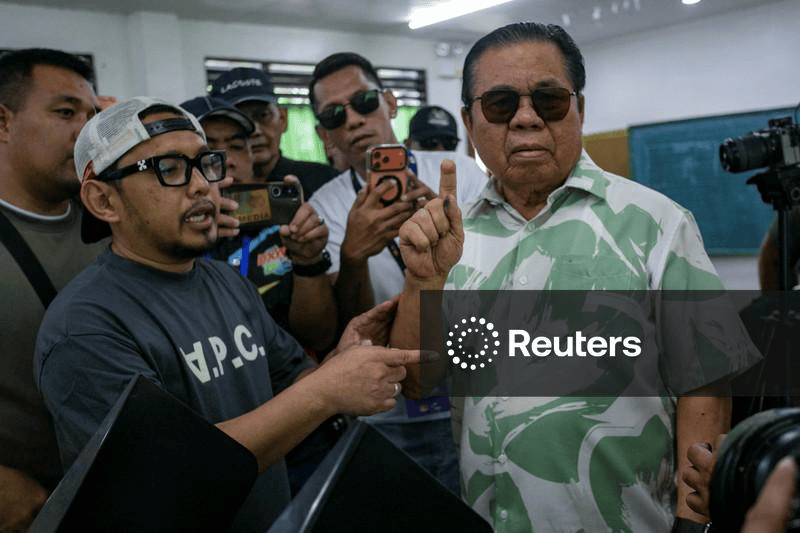
The scene carries a particular symbolism, as a number of leaders who spent years leading an armed resistance movement have become part of the new political competition.
Among the most notable images on polling day was that of the chairman of the Moro Islamic Liberation Front, Al-Hajj Murad Ebrahim, casting his vote at a polling centre, after the movement that led decades of resistance has turned into a political force competing to govern the region through elections.
Reuters reported that the competition included forces linked to the former Front, alongside parties, political factions and traditional families influential in the region.
Elections Amid Security Challenges
The elections took place under heavy security measures after incidents of violence linked to the vote were recorded. More than 20,000 security personnel were deployed to secure the process, according to the Associated Press, while authorities described voting in most parts of the region as peaceful despite a number of isolated incidents.
The elected government faces major challenges, according to the announced agenda, including completing the peace process and disarmament, addressing poverty and weak development, and reducing the family and armed disputes that have affected parts of Mindanao over the years.
A New Chapter for the Muslims of the Southern Philippines
The significance of the elections goes beyond choosing 80 members of parliament. They are a test of a whole process that seeks to turn a conflict lasting decades into stable political institutions that give the region's Muslims greater space to manage their own affairs.
Having long been a central point of dispute between the Moro movements and the Philippine government, the centre of gravity is now shifting from battlefields and negotiating tables to parliament and the ballot box.
For Bangsamoro, the success of this experience will not be measured by holding elections alone, but by the ability of the new institutions to consolidate their governance, improve residents' lives, and uphold their goals after decades of conflict and sacrifice.
Will the vote in parliament realise the aspirations of the Moros, for which they fought for many years and for which they were compelled to give up the dream of an independent state in exchange for a political settlement? The coming days will reveal the answer.


