


In recent years, the war in Sudan has been measured not only by the number of cities that have fallen or the areas whose control has changed hands, but also by what happens behind the closed doors of detention centres spread across the Darfur region. While camera lenses are busy documenting the battles, bombardment and displacement, a parallel world remains almost entirely out of sight: a network of detention centres where survivors say civilians and former military personnel are held in harsh conditions, amid allegations of torture, enforced disappearance, deprivation of food and medical care, and extrajudicial killing.
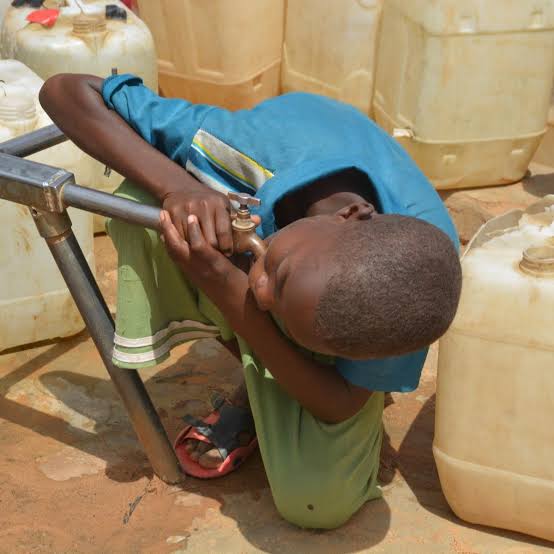
A war that has not confined itself to the battlefields
Since clashes broke out between the Sudanese Armed Forces and the Rapid Support Forces, violations have spread on a scale that has led to an unprecedented deterioration in humanitarian conditions, particularly in Darfur, a region that already carries a memory burdened by wars and violations since the turn of the millennium.
What draws attention, however, is not only the scale of destruction or the number of displaced people, but the repeated accounts of a network of official and unofficial detention sites that have become part of the war's own tools, rather than merely security facilities designated to hold suspects.
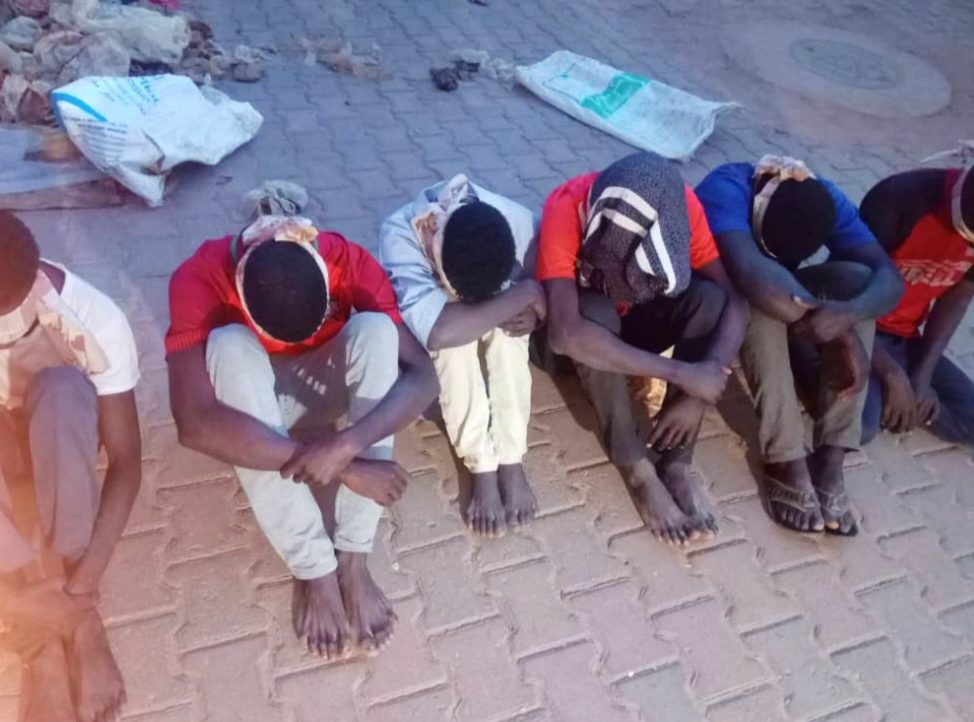
Reports indicate that civilians, volunteers, doctors, aid workers, students and former fighters have found themselves inside these centres without clear legal procedures, while many families were left for months not knowing whether their relatives were alive or among the missing.
When disappearance becomes a policy
In dozens of documented cases, families were informed that their relatives had been detained at checkpoints, in their homes or at their workplaces, before their news ceased entirely. Families were unable to learn where their relatives were held, why they had been arrested, or even which party was holding them.
This pattern compounds the suffering of victims and their families, because the pain is not limited to the arrest itself but extends to months, and perhaps years, of waiting in uncertainty, in the absence of any official information.
Notably, the testimonies of survivors bear strong similarities, although they came from former detainees in different locations within Darfur. Many speak of overcrowded rooms that do not even allow lying down, of a severe shortage of safe drinking water, of meals barely sufficient to stay alive, and of an almost complete absence of medical care. Survivors said they were subjected to continuous beating with sticks and wires, and that some detainees were left bleeding for hours without first aid.
Others spoke of people being held inside metal shipping containers in high temperatures, and some detained women were subjected to sexual assault.
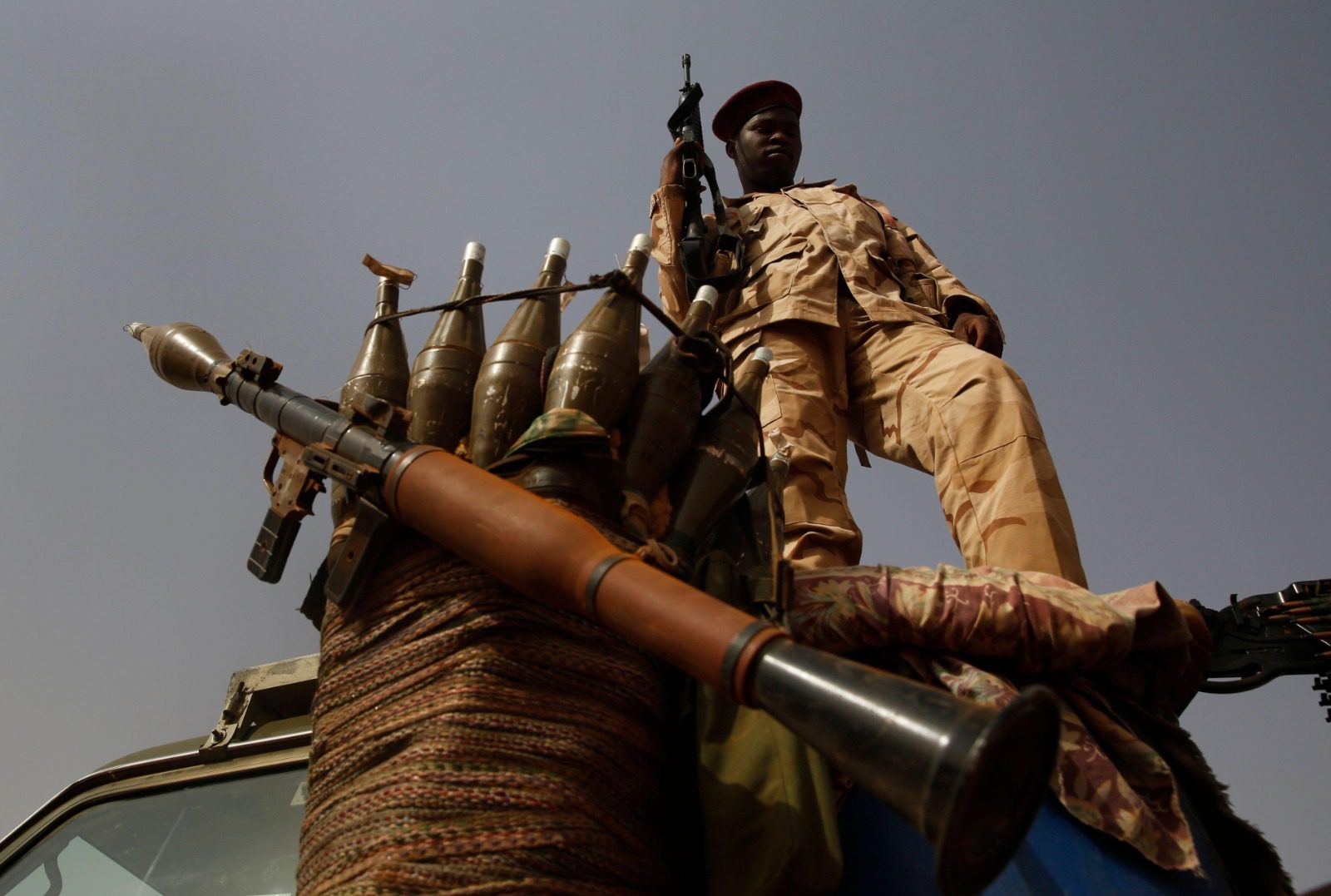
Degrigis prison: the name that recurs most
Among all the detention sites whose names recur in reports, Degrigis prison in South Darfur State stands out as one of the most alarming.
This prison witnessed severe overcrowding and deprivation of healthcare and food, while survivors spoke of the spread of infectious diseases among detainees.
Reports also referred to the deaths of a number of detainees as a result of torture or deteriorating health conditions. For the families of victims, the problem does not end with the death itself, but extends to the failure in many cases to hand over the bodies, or to officially inform families of what happened.
Kuria and Shala: other faces of the tragedy
In the city of Nyala, the Kuria prison is repeatedly mentioned. Reports said it held large numbers of women, some with their children, in conditions described as lacking the minimum humanitarian standards.
In El Fasher, the detention facilities at Shala became known, where survivors spoke of the use of shipping containers as temporary detention centres, with extreme heat and poor ventilation. Reports also described the conversion of civilian buildings, including a student dormitory and a children's hospital, into temporary places of detention, which indicates the widening scope of the crisis and the reliance on facilities that were not equipped for this purpose. The reports also point to the existence of undeclared detention sites inside residential neighbourhoods in Nyala, which they said the Rapid Support Forces used to hold civilians away from oversight.
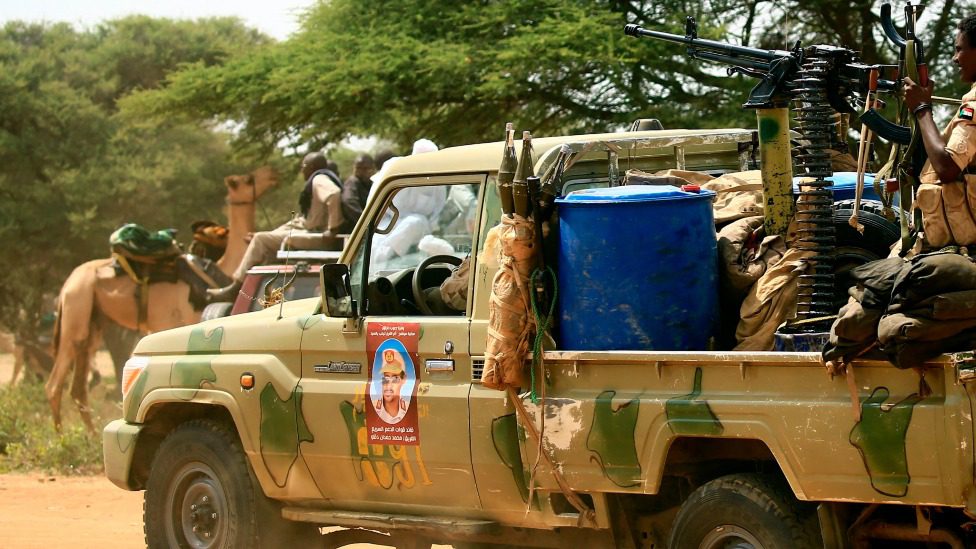
Mutual accusations and investigations that have not concluded
The majority of reports direct accusations at the Rapid Support Forces for committing a large share of these violations, including arbitrary detention, torture and enforced disappearance. Some reports also accuse the Sudanese Armed Forces and security agencies allied with them of carrying out arbitrary arrests and ill-treatment in areas under their control. Each side repeatedly denies responsibility for many of the accusations and accuses the other of carrying out widespread violations.
Inside Darfur's detention centres: survivors' testimonies reveal the hidden face of the war
The abuses committed inside Darfur's detention centres are no longer merely individual accounts recounted by survivors after their release. They have become a recurring pattern documented in reports that all point to similar practices in more than one detention centre, despite differences in location and in the parties controlling them. These reports indicate that the detention centres no longer serve their traditional function of detention, but have become tools used to intimidate civilian populations and to tighten control over disputed areas, amid an almost complete absence of judicial or humanitarian oversight.
Survivors spoke of the arrest of people with no connection to military operations, among them teachers, doctors, university students, traders, humanitarian volunteers, and even farmers who were trying to flee combat areas.
Investigators say that many of these people were not informed of the reason for their detention, were not brought before any judicial authority, and were not allowed to contact their families or lawyers, which falls within the forms of arbitrary detention.
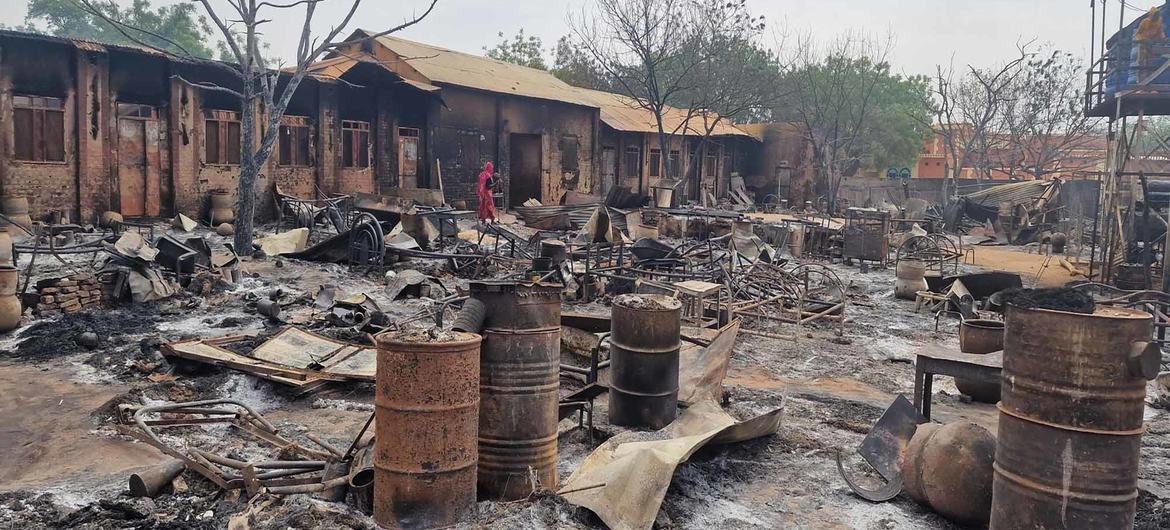
Torture: methods repeated across more than one detention centre
Despite the differences among the detention centres from which survivors emerged, torture was not isolated incidents but appeared as a recurring practice across a number of detention sites. Former detainees spoke of beating with sticks, electric cables and rifle butts, repeated kicking, binding of hands and feet for long hours, as well as deprivation of sleep, food and water.
Other testimonies spoke of people being held inside closed metal containers at high temperatures for hours or days, without adequate ventilation or water. Human rights organisations described these practices as potentially amounting to torture or inhuman treatment.
According to consistent testimonies, food was provided in very limited quantities, and at times detainees received only one meal a day, while clean water was scarce. This led to the spread of malnutrition and dehydration, especially among the elderly and the sick.
Reports indicate that detainees were at times forced to drink contaminated water, with no alternatives available, which contributed to the spread of intestinal diseases and acute infections inside the detention sites.
Slow death: when illness becomes a death sentence
The absence of medical care is almost the most common feature shared by all the detention centres. Many detainees were suffering from injuries caused by torture or by military operations, yet they remained untreated for days or weeks.
Survivors spoke of detainees dying from fever, acute diarrhoea and dehydration, or from injuries that never received any first aid.
In Degrigis prison in South Darfur, reports indicated that more than two hundred detainees died over various periods as a result of torture, disease or the poor conditions of detention. Doctors who had previously worked in conflict zones believe that many of these deaths could have been avoided had the minimum level of healthcare been available.
Overcrowding: an ideal environment for epidemics
Numerous testimonies describe cells holding several times their capacity. In some cases, survivors said dozens of people were held in narrow rooms that did not even allow them to lie down to sleep.
This overcrowding, together with the lack of ventilation and poor sanitation, created an ideal environment for the spread of infectious diseases, especially respiratory illnesses and skin infections. Human rights organisations confirmed that health conditions in some detention centres lacked the minimum international standards for the treatment of detainees.
Enforced disappearance: a tragedy that extends beyond the walls
If the detainee lives inside the cell with daily suffering, his family lives a completely different tragedy. Thousands of families still do not know the fate of their children to this day, and some families have continued to search for months among prisons, hospitals and displacement camps without receiving any information.
Human rights organisations recount stories of mothers who do not know whether their children are alive or have been killed, and of fathers who have continued searching for their sons for months without any trace.
Secret detention sites: the most obscure file
Among the most serious points raised in human rights reports is the existence of undeclared detention sites inside residential neighbourhoods in the city of Nyala and other parts of Darfur. These reports say some detainees were transferred to private homes or buildings that were converted into temporary detention centres, beyond any oversight. There are also indications that some violations targeted particular population groups on the basis of ethnic affiliation.
The reports noted that entire communities in Darfur have been repeatedly subjected to arbitrary arrest, killing, displacement and detention, in the context of a broader pattern of violations. The evidence does not rely only on photographs and video footage, but includes survivors' testimonies, satellite imagery, medical records, forensic reports, communications data, as well as the testimonies of humanitarian workers who were able to reach some areas.
Humanitarian work: when the paramedic becomes a detainee
Humanitarian workers have not been spared the repercussions of the conflict. A number of medical and relief workers were documented as having been detained, arrested or prevented from moving while attempting to deliver humanitarian aid to civilians.
In some areas, insecurity led to the complete suspension of relief activities, leaving hundreds of thousands without food, medicine or clean water. Relief experts warn that the continuation of restrictions on the access of aid could turn the humanitarian crisis in Darfur into a catastrophe whose effects will last for many years, even after military operations stop.
Leaving detention does not mean the end of the tragedy
Studies conducted by organisations specialised in treating victims of conflict indicate that many survivors suffer from severe psychological disorders, most notably post-traumatic stress disorder, depression, chronic anxiety and sleep disorders. Many also struggle to return to normal life after losing their work, their homes or members of their families.
Women and children remain among the most vulnerable groups, especially in cases involving allegations of sexual violence, the loss of a parent, or repeated displacement. Psychiatrists affirm that recovery from such trauma may take years, even after the war ends.
One of the greatest challenges facing Sudan today is the absence of accountability. In many conflicts, the lack of punishment leads to the repetition of violations, because their perpetrators do not face legal consequences. The question that imposes itself remains: will these files one day become trials that deliver justice to the victims, or will they join the long list of crimes that have remained without accountability?


