


Five Afghan migrants have died and 14 others remain missing after a group attempted to cross an irregular desert route towards Iran through Nimroz province in southwestern Afghanistan, an incident that highlights the growing risks Afghans face as economic and humanitarian conditions in their country deteriorate.
According to local authorities, the group numbered about 19 people and became stranded in the Dasht-e-Margo desert while heading towards the Iranian border. Officials believe the victims died due to high temperatures, a shortage of water and dehydration, after they lost their way in the vast and uninhabited desert region.
Search teams continue their operations to locate the missing, amid fears that the death toll may rise.
Vehicle breakdown and storm compounded the tragedy
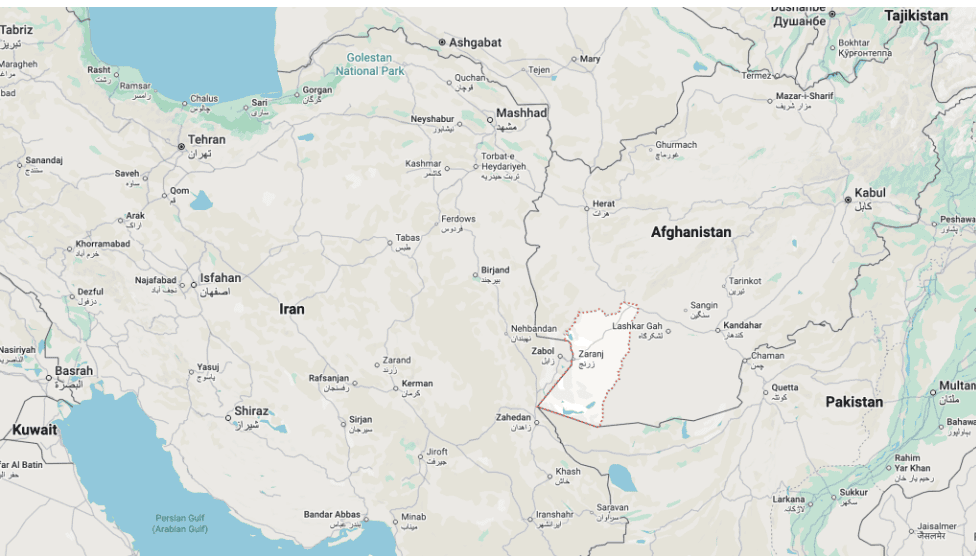
Map showing Nimroz province shaded in red on the border between Iran and Afghanistan | Screenshot: Google Maps
Local reports said the group's vehicle broke down in the middle of the desert, leaving the migrants exposed to harsh conditions without adequate means of survival.
A sandstorm is also believed to have struck the area, causing the group to lose its direction and its members to scatter in desperate attempts to find a way to safety.
The Dasht-e-Margo desert, located in Nimroz province, is one of the most dangerous routes used by smugglers to move migrants, due to its vast expanse, scarcity of water sources and high temperatures, especially during the summer.
Poverty and instability push Afghans onto deadly routes
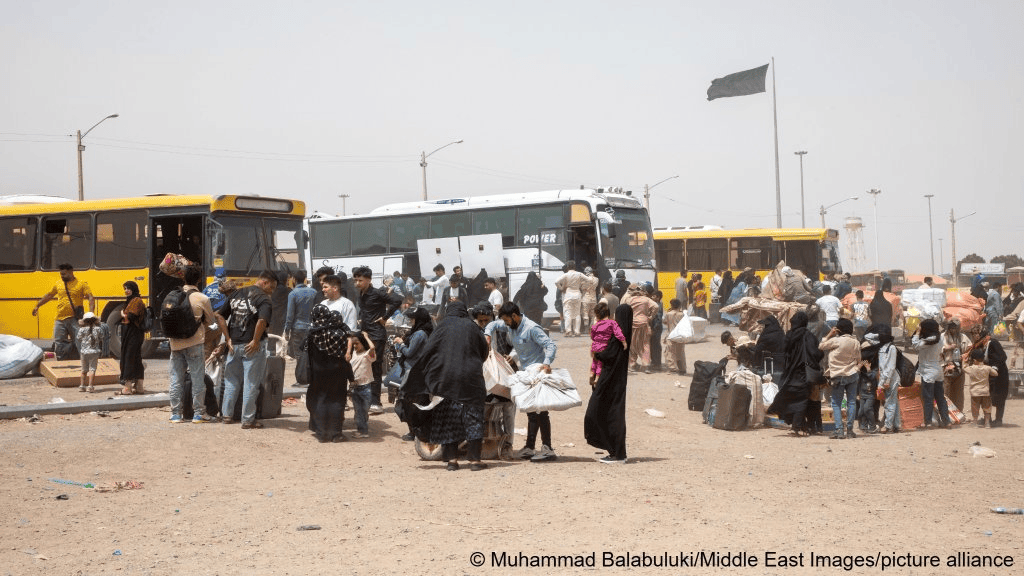
The tragedy comes at a time when a growing number of Afghans continue to risk dangerous journeys in search of work or safety, despite the difficult conditions migrants face in neighbouring countries, chief among them Iran.
In recent months, hundreds of thousands of Afghans have returned from Iran, some through deportations or under pressure from the authorities, amid reports of deteriorating conditions for migrants there.
Nevertheless, Iran remains a main destination for Afghans because of its geographical proximity and its need for low-wage labour, particularly in the construction and agriculture sectors. It also serves as a stopover on the route of some migrants towards Europe.
A worsening humanitarian crisis inside Afghanistan
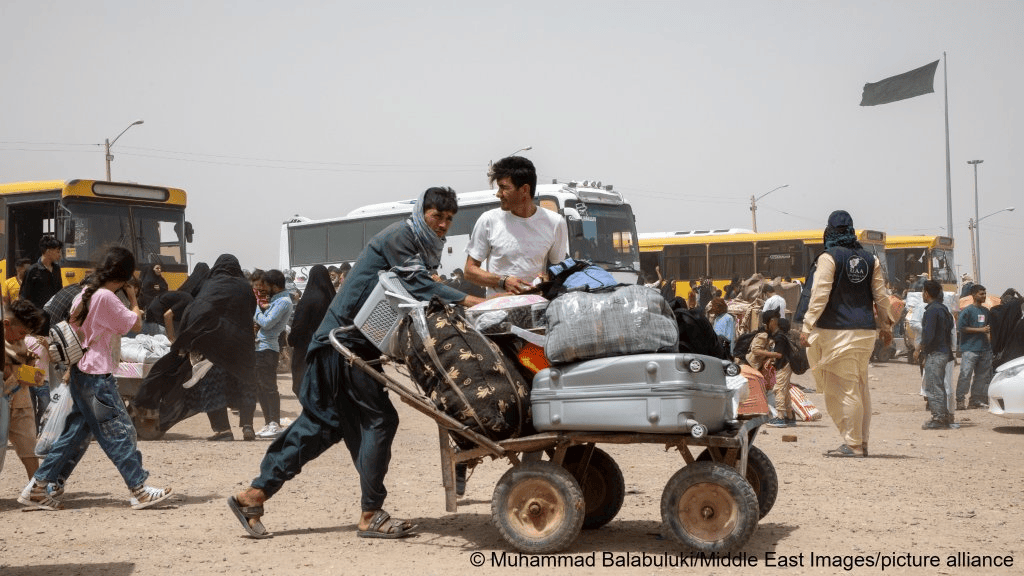
Migration flows come amid a major deterioration in the humanitarian situation inside Afghanistan, where aid organisations have warned that the country has become one of the most neglected humanitarian crises in the world.
According to United Nations figures, only about 16 per cent of the funding required for the 2026 humanitarian aid plan, valued at roughly $1.71 billion, has been secured.
The decline in support is partly linked to a sharp drop in US funding, which had accounted for a large share of aid to Afghanistan, reducing the ability of millions of people to access basic services, food and job opportunities.
Pressure has also increased with the return of large numbers of deported Afghans from countries such as Iran and Pakistan to a weak economy unable to provide sufficient opportunities for them.
Desert migration corridors: a route shadowed by death
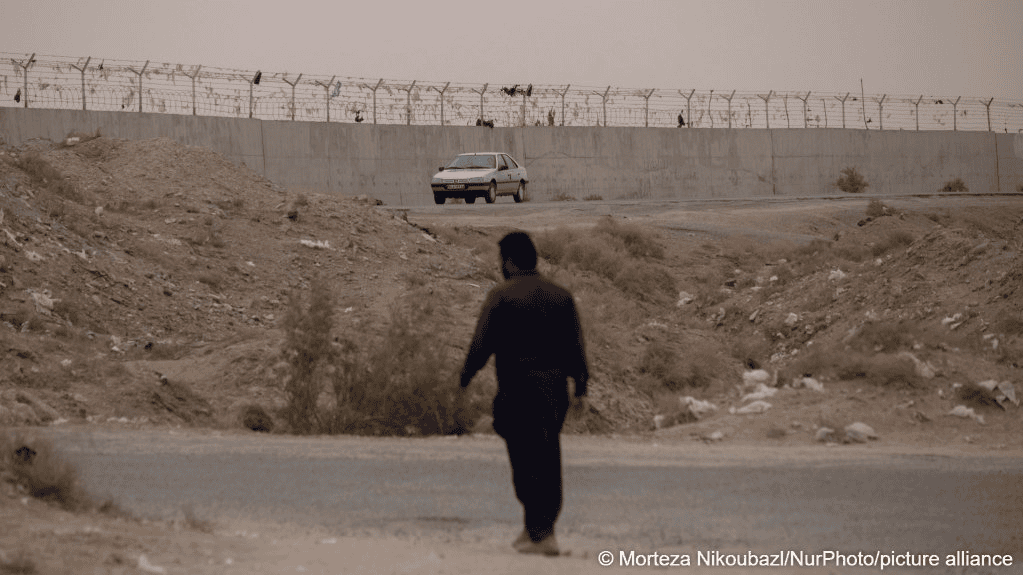
Despite the risks, many Afghans continue to rely on smugglers to cross the remote desert areas between Nimroz and Helmand provinces to reach Iran.
Smugglers choose these isolated routes to avoid border controls, but they have become among the most dangerous migration corridors in the region, where a vehicle breakdown or a shortage of water can turn into a catastrophe within hours.
The deaths in Nimroz reflect a recurring cycle of despair and risk: poverty and declining aid inside Afghanistan drive people to leave, while outside the country they face the threat of deportation, discrimination and harsh conditions.
Humanitarian organisations warn that continued declines in international support and the absence of safe migration pathways will lead to more tragedies of this kind, as rescue teams continue to search for the missing migrants in the Nimroz desert.
Experts warn that a policy of isolating Afghanistan and punishing its government for being Islamic may become an additional burden on the population itself, as sanctions and reduced aid target not only decision-makers but also broad sections of the population suffering from poverty, unemployment and a lack of basic services, leaving civilians as the party that bears the brunt of the international political dispute with Kabul.


