


In a country where Muslims make up a large part of the population and Islam is officially recognised, legal recognition does not necessarily mean freedom to practise one's religion free from state interference.
In Eritrea, located in the Horn of Africa on the Red Sea coast, human rights and international reports have for years documented arrests affecting Muslim imams, teachers and students, alongside extensive government interference in religious and educational institutions, within a political system that imposes severe restrictions on religious and civil freedoms in general.
In its annual report for 2026 (1447 AH), the United States Commission on International Religious Freedom says conditions for religious freedom in Eritrea remained "particularly severe" during 2025, and that the government continued to systematically persecute individuals because of their religious beliefs. The authorities recognise only four religious communities: Islam according to the Sunni tradition, the Eritrean Orthodox Church, the Catholic Church, and the Evangelical Lutheran Church.
Yet recognition of Islam has not protected Muslims from state interference. Human Rights Watch, in its 2026 World Report, points to the continued detention of Muslim teachers and imams in the country, drawing on information from the UN Special Rapporteur on the situation of human rights in Eritrea.
An Islamic school that became a symbol of confrontation
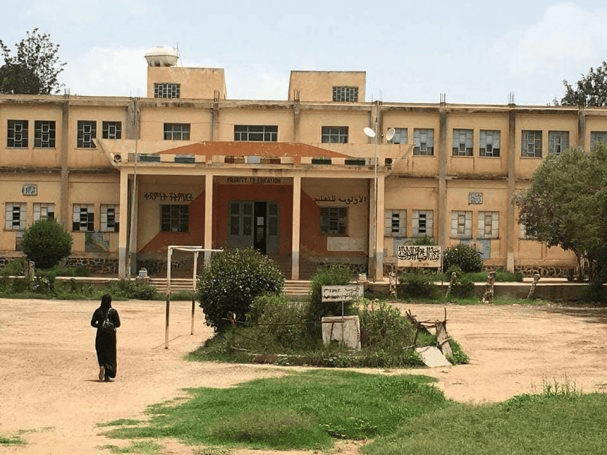
Among the most prominent examples of authorities' interference in Islamic affairs is the case of the Al-Diya Islamic School in the capital, Asmara.
In 2017 (1439 AH), protests erupted over government attempts to interfere in the management of the school and the organisation of its affairs. Authorities detained hundreds of Muslims, most of them students, linked to the protests.
A large number remained in prison for years. According to the US State Department's report on religious freedom, in July 2023 (Muharram 1445 AH) the authorities released 300 Muslims, most of them students of Al-Diya school who had been arrested after protesting the government's interference in the school in 2017, while 16 others, most of them members of the school's board of directors, were released later after completing their sentences.
The case reveals the nature of the problem Muslims face in Eritrea: Islam is a recognised religion, but the state retains broad powers to interfere in the management of religious and educational institutions and to monitor their activities.
Imams and teachers behind bars
The issue is not limited to the events at Al-Diya school. The 2026 Human Rights Watch report, citing the UN Special Rapporteur, confirms that Muslim teachers and imams remain among those detained for reasons linked to religion.
The US Commission on International Religious Freedom says the authorities hold religious prisoners in police stations, civilian and military prisons, and undisclosed facilities, and that people detained because of their religion have been subjected to abuses including beating, torture, electric shocks and denial of medical treatment, as well as being prevented from praying aloud, preaching and possessing religious books. This information does not mean that all victims of these practices are Muslims; the system of religious repression affects followers of multiple faiths and denominations.
Muslims as an essential part of Eritrean society
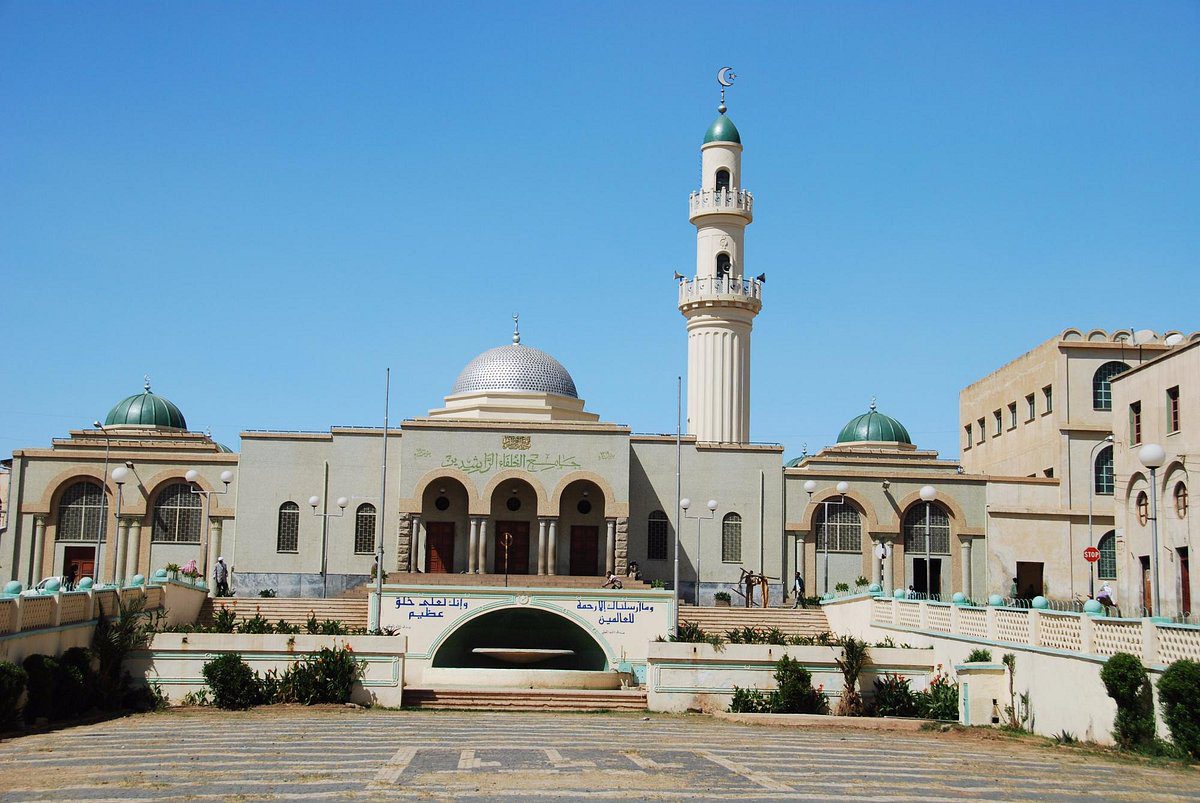
No fully reliable, up-to-date population and religious statistics are available for Eritrea, due to the country's isolation and the difficulty of collecting independent data.
Estimates cited by the US State Department suggest that Muslims may make up around half of the population, the vast majority of them Sunni. Muslims are concentrated particularly in the north of the country and in its coastal and lowland areas, and most of the Tigre, Saho, Afar, Bilen, Hadareb, Nara and Rashaida groups are Muslim.
At the community level, international reports do not point to a widespread sectarian conflict between Muslims and Christians; earlier reports have recorded a considerable degree of coexistence between them and the presence of mosques and churches close to each other in a number of areas. The core problem documented by rights sources is therefore state repression of religious and civil freedoms, not a popular conflict between Muslims and Christians.
A state that monitors religion and politics together
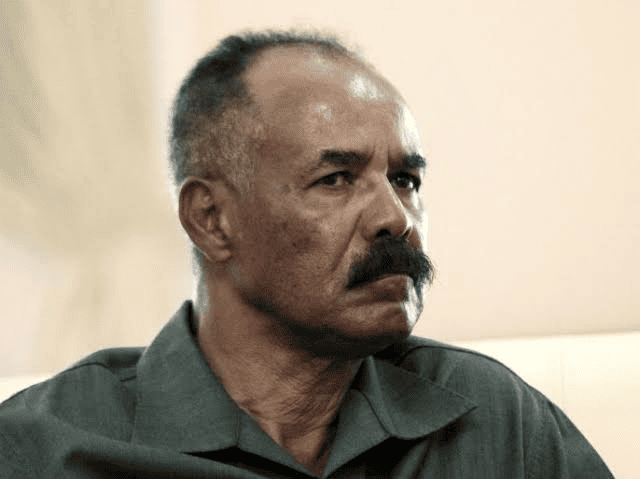
The plight of Muslims extends beyond religious freedom to the nature of the political system itself.
President Isaias Afwerki has ruled the country since its independence in 1993 (1414 AH). Eritrea has not held a national election since independence, the legislative branch has not convened since 2010 (1431 AH), and no political parties competing with the ruling party are permitted.
Rights organisations document arbitrary arrests, enforced disappearances, and targeting of journalists, opponents and religious leaders, alongside an indefinite national and military service system that has pushed large numbers of Eritreans to leave the country.
In June 2026, Human Rights Watch told the UN Human Rights Council that the government still detains religious leaders, journalists and those it considers opponents without proper judicial procedures, and that some have spent years or even decades in detention, with reports of torture and other forms of degrading treatment.
Washington lifts sanctions on the army and ruling party
The continued rights criticism of freedoms in Eritrea comes alongside a notable shift in Asmara's relations with Washington. On Friday, 18 September 2026 (7 Rabi al-Akhir 1448 AH), the administration of US President Donald Trump lifted US sanctions on the Eritrean Defence Forces, the ruling party and a number of officials and entities linked to it.
The US Treasury Department's Office of Foreign Assets Control confirmed the removal from the sanctions list of the Eritrean Defence Forces and the "People's Front for Democracy and Justice", the only party permitted in the country, along with the "Red Sea Trading Corporation" and the "Hadari Fund" and a number of officials.
The administration of former president Joe Biden had imposed these sanctions in 2021 (1443 AH) over the role of Eritrean forces in the war in the Tigray region of northern Ethiopia, amid accusations of serious abuses during the conflict. The sanctions were therefore not specifically tied to the persecution of Muslims or restrictions on religious freedom within Eritrea.
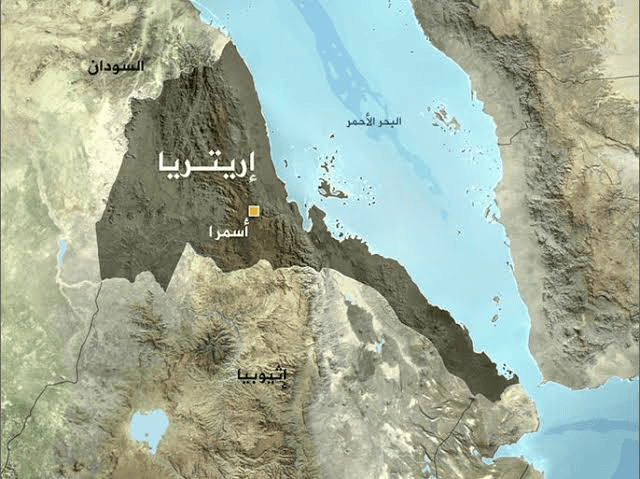
The lifting of sanctions coincided with the end of the US national emergency related to the crisis in Ethiopia, at a time when reports suggested the step could help improve relations between Washington and Asmara, especially given Eritrea's strategic importance on the Red Sea and the proximity of its coast and the port of Assab to the Bab al-Mandab strait.
The Eritrean government welcomed the decision. Information Minister Yemane Ghebremeskel said the sanctions were, in his government's view, unjustified and had caused harm to the country, welcoming what he described as the corrective measures taken by the Trump administration.
Religious persecution does not only affect Muslims
To understand the Eritrean landscape in full, it is important to note that religious repression does not target Muslims alone.
The government recognises three Christian churches alongside Islam, yet it has also arrested hundreds of Christians, targeting in particular followers of the Evangelical and Pentecostal churches, Jehovah's Witnesses and unregistered religious groups. Even some followers of officially recognised faiths have been arrested and punished for their religious practices.
For this reason, the US Commission on International Religious Freedom again recommended in its 2026 report that Eritrea be designated a "country of particular concern" because of what it considers systematic, ongoing and severe violations of religious freedom.
For Eritrean Muslims, the case of Al-Diya school and the continued United Nations references to detained Muslim imams and teachers illustrate a clear paradox: Islam is officially recognised, yet the religious sphere itself remains subject to the oversight of a state that does not allow religious institutions to operate with full independence from it.
In a country where independent journalism and rights organisations find it difficult to work, the true number of Muslims currently detained, their names, and the conditions of their detention remain extremely hard to establish; this makes part of the file on Eritrea's Muslims largely absent from media coverage despite the continued international reporting on abuses.


