


Having addressed in the first report what drones are, their role, their types and the stages they have gone through in their development, along with an overview of the most prominent models, this report will attempt to shed light on the leading countries in the manufacture of these tools, which have become an indispensable strategic weapon in modern battles and wars.
The American Experience
Given that the United States has the largest budget in the world allocated to industry and military spending, it is consequently among the most technologically advanced countries in the military field, and it is only natural that it is a pioneer in this domain, as it was also first to manufacture this new type of weapon. The following lines will address the most prominent American types of drones and their capabilities, range and payload.
A. Combat and Reconnaissance Drones
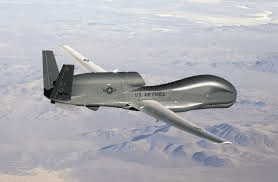
The first is the "MQ-9 Reaper," which can carry out airstrike and reconnaissance missions. Its range is 1,850 km, and it can fly with a payload of 1,700 kg of explosives. Its price is estimated at 32 million dollars. Among the countries that purchased it from the United States are allied states such as Britain, France and Italy. There is also the drone specialised in surveillance, monitoring and information gathering, the "RQ-4 Global Hawk," which performs strategic reconnaissance, tracking and information gathering. Its range is 22,000 km, and it can remain airborne for 34 hours. Its price is estimated at 130 million dollars. It has been sold to several states within the American sphere of influence, such as Germany, Japan and South Korea.
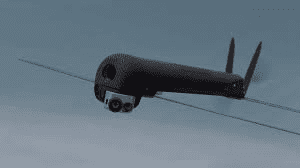
The "Switchblade 300" is a suicide drone, weighing 2.5 kg, with a range of 10 km.
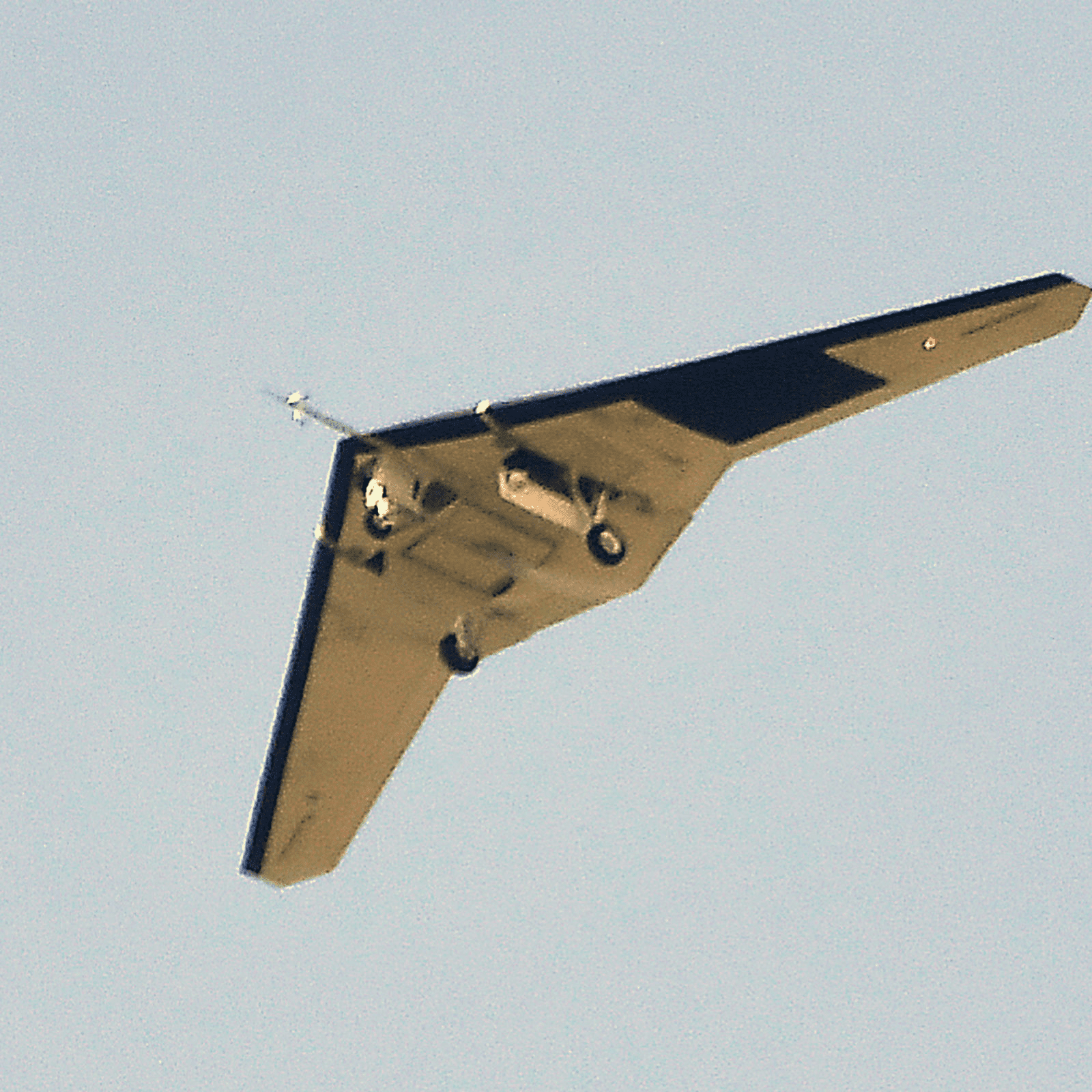
The "RQ-170 Sentinel" can carry out reconnaissance and espionage roles, and uses stealth technology.
B. Small Drones (Swarm Drones)
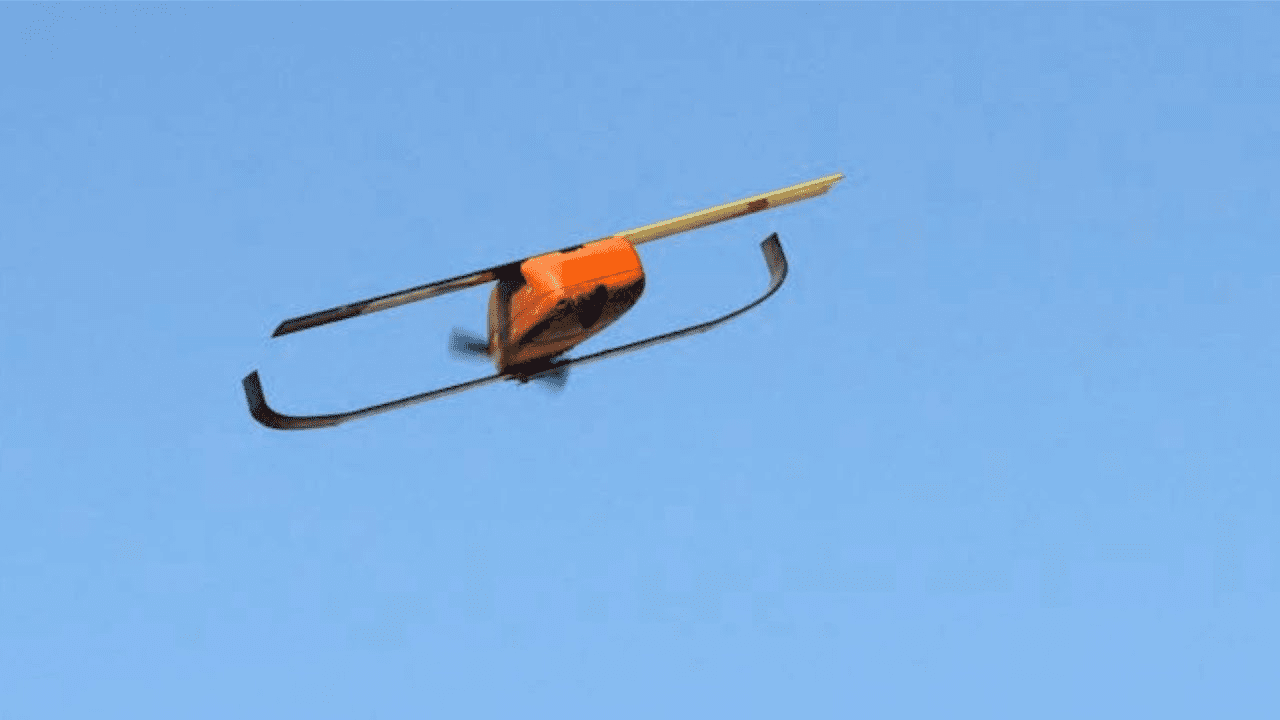
The best-known type is the "Perdix," which consists of swarms of small drones used in coordinated attacks, and is used by the United States Air Force.
C. The F-48 Fighter: The First of Its Kind as a Drone-Carrying Fighter
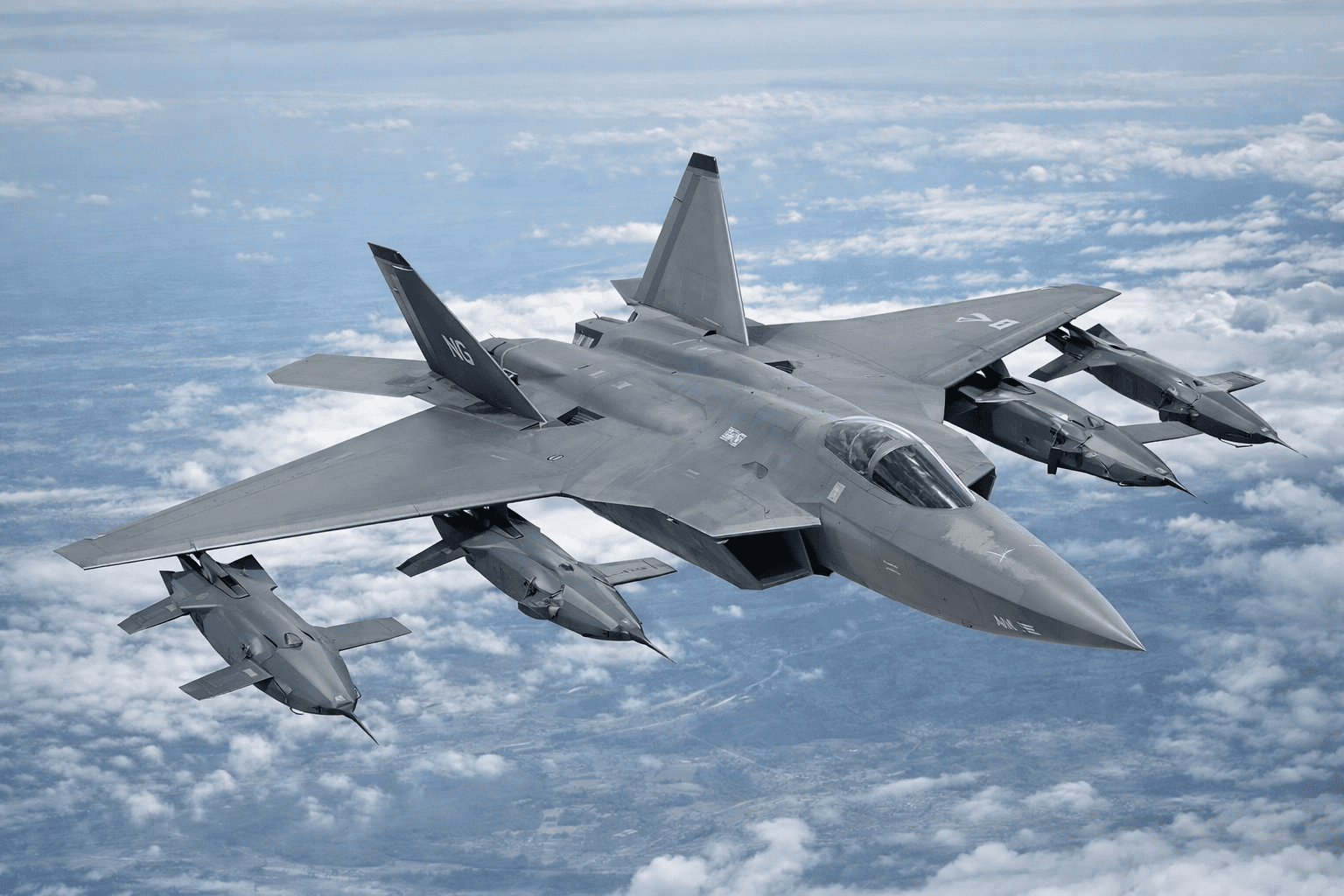
This experience is the second of its kind after the Turkish "Akinci" model. The "F-48" fighter represents a qualitative leap in the world of military aviation. It was designed to be the first fighter capable of carrying and launching drones (unmanned aerial vehicles) as part of its combat system. It was developed by Lockheed Martin in cooperation with the Defense Advanced Research Projects Agency (DARPA), and represents the future of air warfare through the integration of manned aircraft and drone technologies.
Key Features
- Drone carriage: The F-48 can carry and launch up to four small drones (Loyal Wingman Drones) such as the XQ-58A Valkyrie, which operate as independent units or as part of a coordinated formation, and are capable of carrying out reconnaissance, jamming and precision strike missions.
- Control systems: The drones are controlled through advanced artificial intelligence systems, with the possibility of human control from the F-48's cockpit, and SATCOM communication systems ensure continued contact even in jamming environments.
- Stealth and advanced technology: The F-48 possesses stealth technologies to evade radars, with a airframe design that reduces its radar cross-section, in addition to Adaptive Cycle Engines that provide high efficiency and manoeuvrability.
Military Roles
- Carrying out air attacks using drones to direct precision strikes while reducing risk to the pilot.
- Protecting aircraft, as the drones act as defensive units against hostile missiles.
- Gathering information through reconnaissance missions in high-risk areas.
Future Development
- Work is under way to increase the number of drones the F-48 can carry, and to develop more advanced models capable of carrying out complex missions autonomously.
- Integration with command, control and intelligence systems (C4ISR) to enhance coordination with land and naval units.
The wars waged by the United States over the past quarter century have seen varying results in operations in which drones were used, ranging from success to failure, across their different types, whether relating to bombing operations or to reconnaissance, surveillance and monitoring operations.
The Russian Experience
Russia is one of the countries that use drones (unmanned aerial vehicles) most extensively, although it was late in the early drone era compared with the United States. It nonetheless quickly developed advanced models for reconnaissance, air strikes and even electronic operations.
أبرز المسيرات العسكرية الروسية
أ. المسيرات القتالية والاستطلاعية
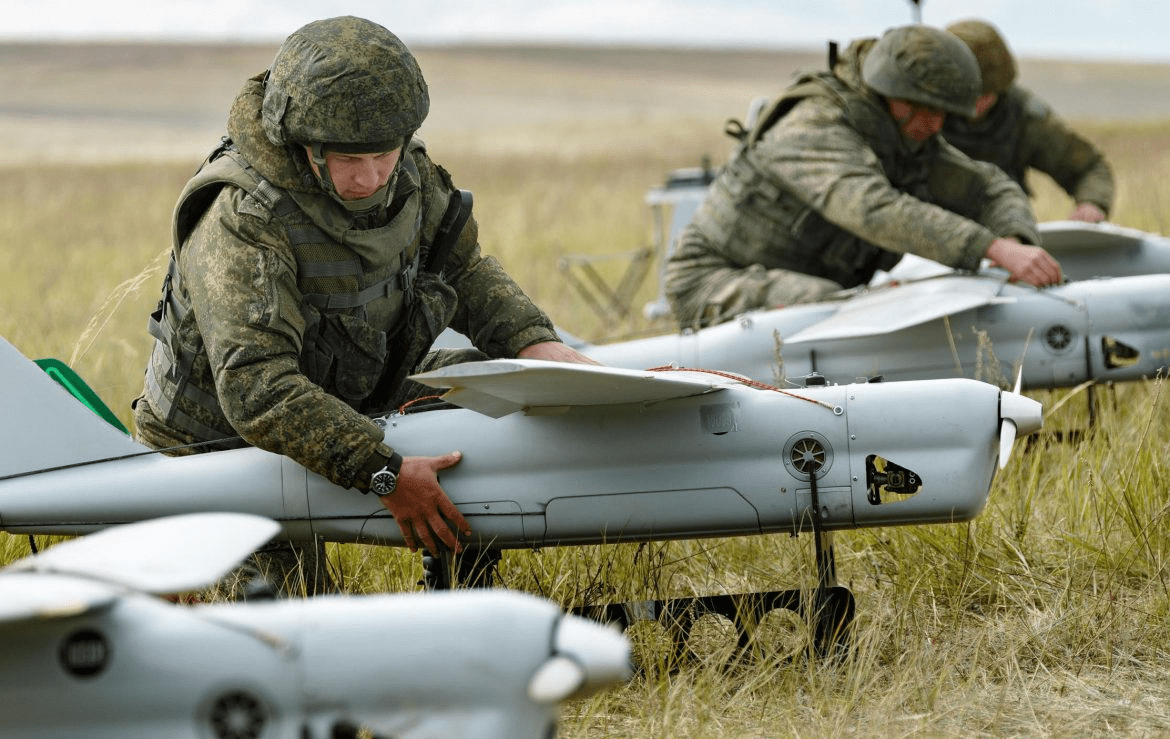
The "Orlan-10" performs reconnaissance / jamming roles, with a range of 120 km, operates for 10 hours, carries IR cameras, and its price is estimated at 50,000 dollars.
It has been used on several fronts, in battles supporting the Nusayri regime in Syria and in supporting Haftar's militias in Libya.
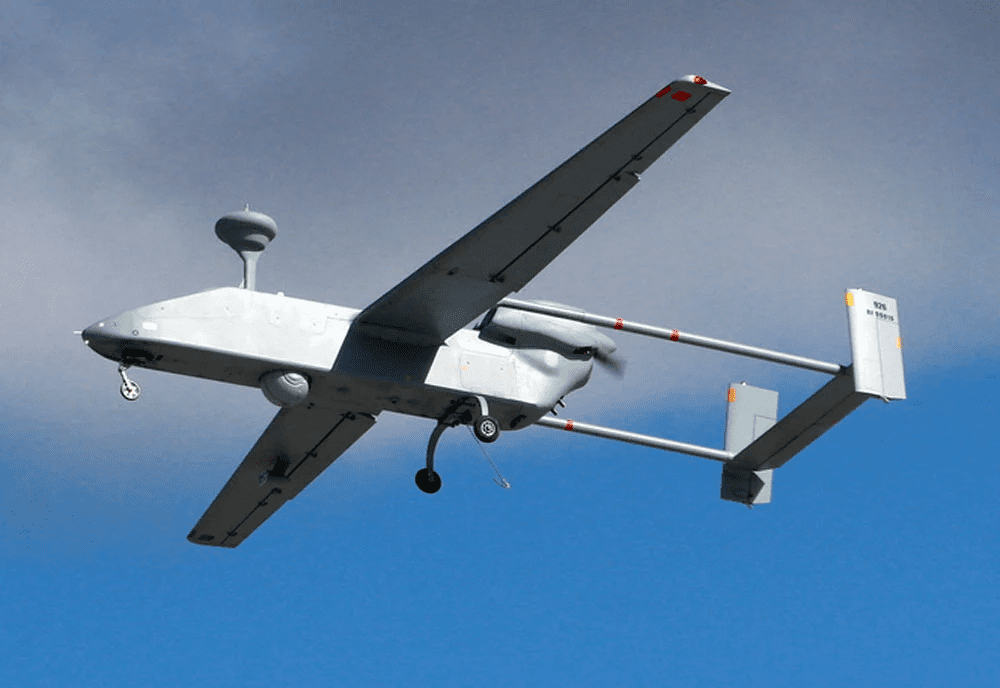
The "Forpost" can perform reconnaissance / strike roles, with a range of 250 km, endurance of 18 hours, and it is capable of carrying missiles. Its price is estimated at 1 million dollars. It is supplied to India and Kazakhstan.
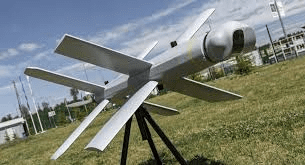
"ZALA Lancet" is a suicide drone, weighing 12 kg, with a range of 40 km, capable of destroying tanks. Its price is estimated at 50,000 dofab. It has been sold to the Assad regime in Syria and to Armenia.
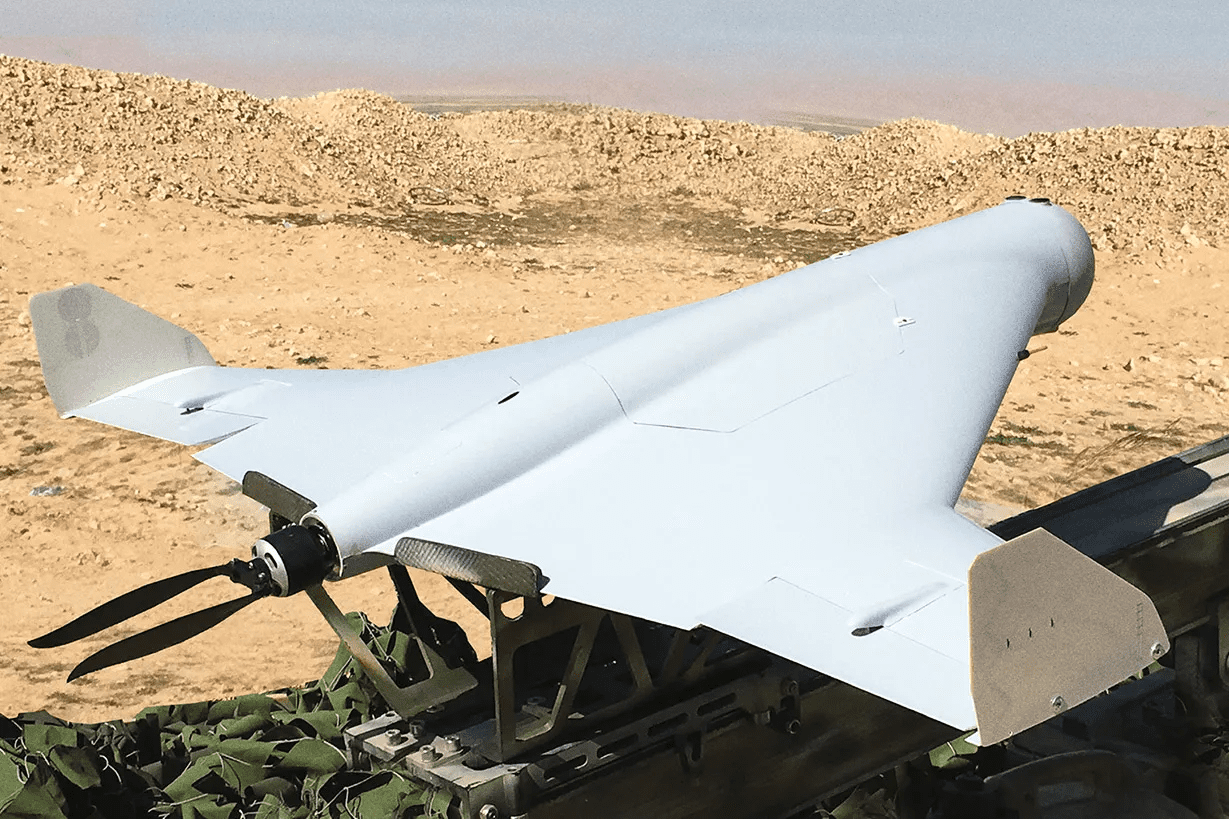
The "KUB-BLA" is a suicide drone, weighing 3 kg, with a range of 30 km, capable of precise guidance. Its price is 20,000 dollars.
B. Large Drones (Heavy Unmanned Aerial Vehicles)
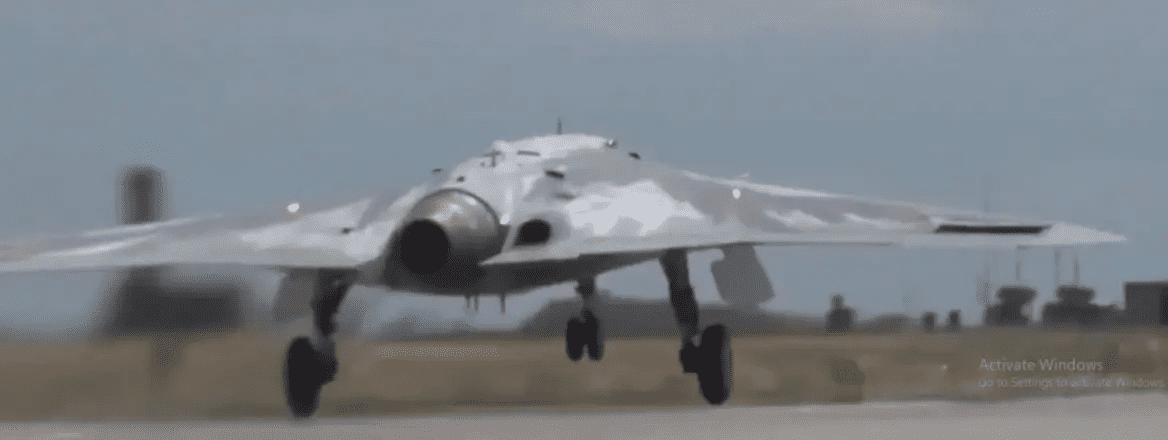
Among the most prominent of Russia's holdings of this type is the "-S-70 Okhotnik," a heavy combat drone with stealth technology, capable of carrying out reconnaissance missions, air strikes and large raids.
As is the case with the United States, Russian drones have taken part in several battles on several fronts, and have faced difficult situations, as they were shot down dozens of times, whether in northern Syria or in Libya. They have also succeeded in several missions, as in Ukraine.
The Chinese Experience
China has invested heavily in this field in order to narrow the technological gap with the United States and Russia. China possesses a wide range of drones, from small reconnaissance models to large drones with advanced combat capabilities. It is true that Chinese weapons have not yet been tested in order to see how far theoretical military reports match practical application, but this experience remains among the most inspiring in the world for how China has sought, in a short period of time, to bridge the technological gap with America and Russia.
أبرز المسيرات الصينية
أ. المسيرات القتالية والاستطلاعية
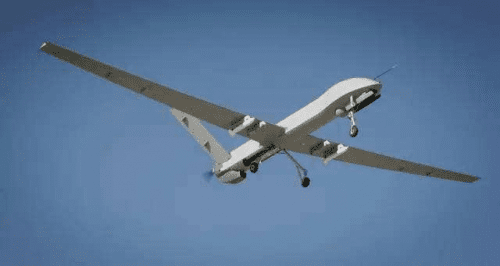
The "CH-4 Rainbow" performs reconnaissance and air strike roles. It has a range of 3,500 km, endurance of 30 hours, carries missiles, and costs 4 million dollars. It has been sold to several countries, including Saudi Arabia.
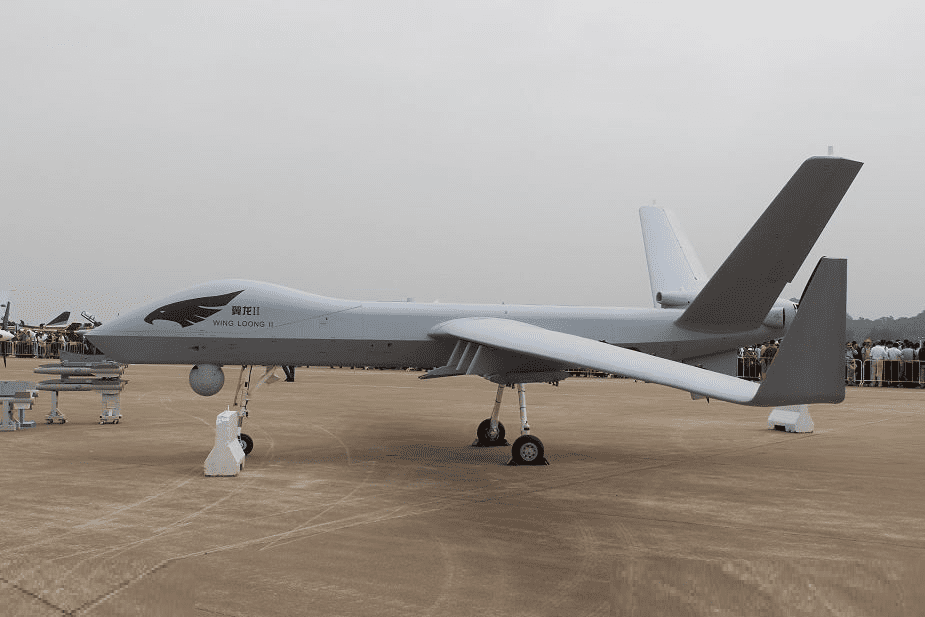
The "Wing Loong II": reconnaissance / strike roles | range 4,000 km, endurance 32 hours, payload 480 kg, at a price of 5 million dollars. It has been supplied to the UAE and Pakistan.
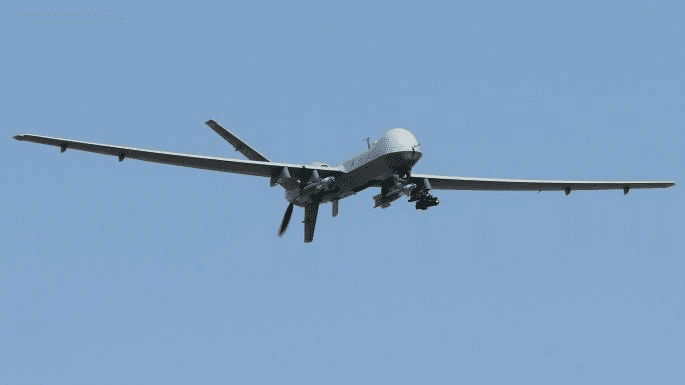
The "CH-5 Rainbow": reconnaissance / strike | range 6,000 km, endurance 60 hours, payload 1,000 kg, at a price of 20 million dollars. It has been purchased by both Algeria and Egypt.
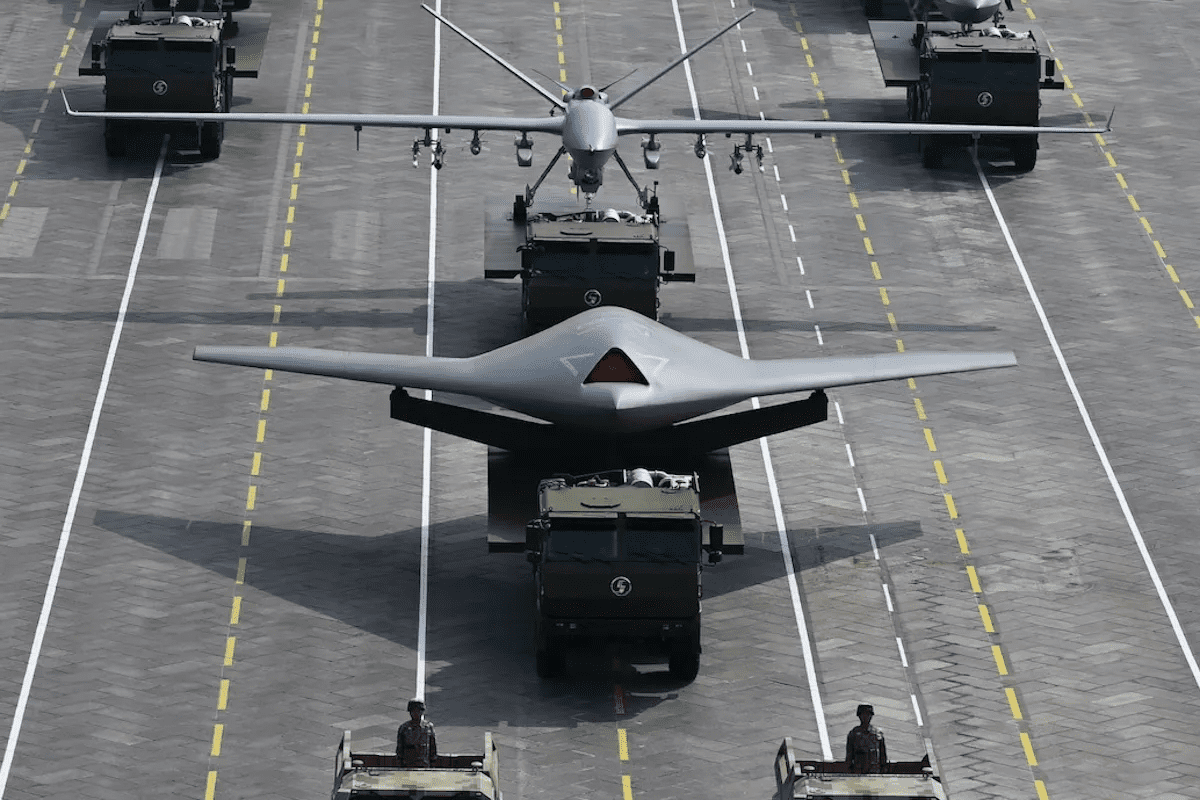
The "Sharp Sword (GJ-11)" is a stealth combat drone capable of precise strikes. Not much information is available about it.
Small Drones (Swarm Drones)
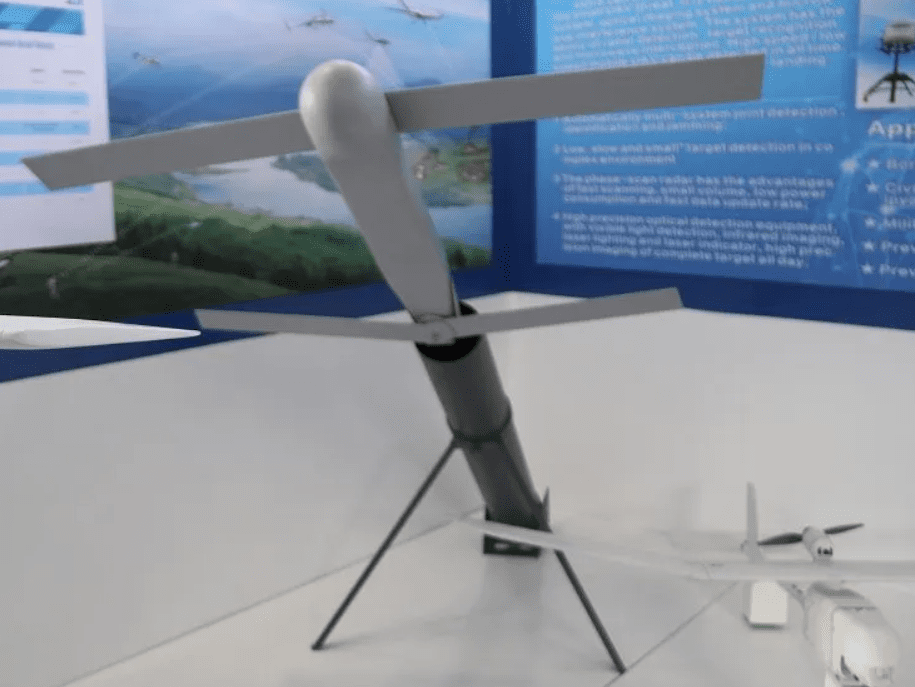
Among the prominent Chinese models in this category of drones is the "CH-901," a small suicide drone weighing 9 kg, with a range of 15 km, capable of carrying out reconnaissance and strike missions.
The experiences to which Chinese drones have been subjected, though few, have varied between success in some operations and failure in others. Haftar's militias in Libya used them, and they were shot down several times; in Yemen and Iraq too, they were shot down in some operations. In general, they have not been used regularly enough for a precise judgement to be made about them or for them to be properly evaluated.
The three experiences make clear that drones have become a fundamental pillar of modern military strategies, having been employed in reconnaissance, precision strikes and electronic warfare, and having proven their effectiveness in shifting the balance of battles. With this rapid development, it has become necessary for any state that wishes to control its own destiny and that of its weapons to invest in developing this technology, not merely to keep pace with the major powers, but to safeguard its sovereignty and strengthen its defensive and offensive capabilities in the face of future challenges and ambitions.


