


Having addressed in the first report the history of the emergence and development of drones and the most prominent operations in which they have been used in general, and in the second report the experiences of the United States, Russia and China, we turn in this report to the European experience, modest as it is, after the major powers within the continent turned to rely on the American umbrella, including in the drone sector.
The armies of the European Union rely on a mix of locally made and imported drones to meet their military needs. This report reviews the types of drones used, their sources, and the countries they are imported from.
1. Locally Made Drones
Many European Union states have advanced defence industries that produce military drones that are excellent in theory, despite the lack of combat experience and the shortfall in capability afflicting most European armies within NATO, due to their complete dependence on the American military and the weapons it sells to them. The most prominent examples of the European industry in this category of weapons are:
France
The French army possesses several locally made drones for a range of missions, including reconnaissance and surveillance, monitoring and tracking, offensive operations, and suicide drones.
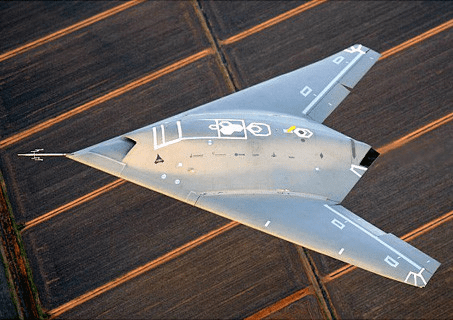
Dassault nEUROn: an advanced-technology unmanned combat drone designed for reconnaissance and offensive missions.
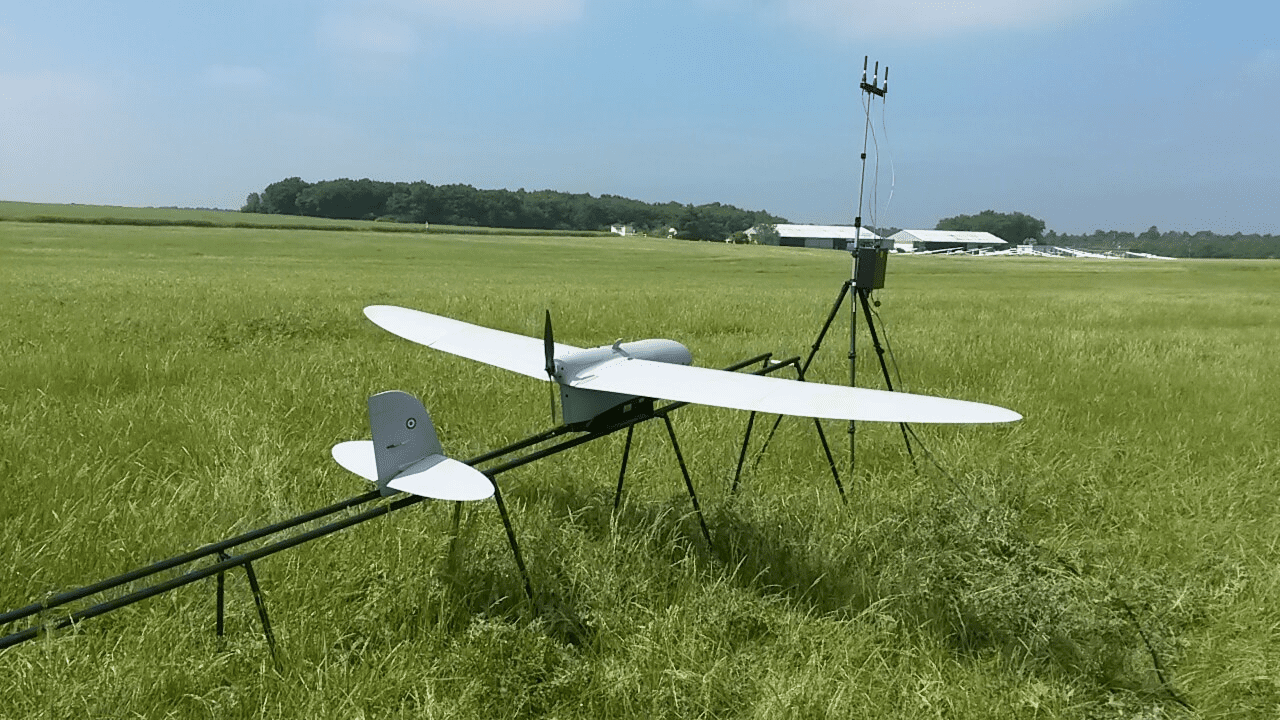
Thales Spy'Ranger: a small drone for reconnaissance and surveillance.
Germany
After the radical change in German strategy in the last century, the country that used to be described as the pride of European industry became a dependent state even within the European alliance itself, as heavy industries within it ceased and it settled for playing the role of a small state that needs the protection of major powers. This has been clearly visible in the German army, which possesses only some locally made medium-sized drones and relies entirely on imported drones, especially from America and "Israel."
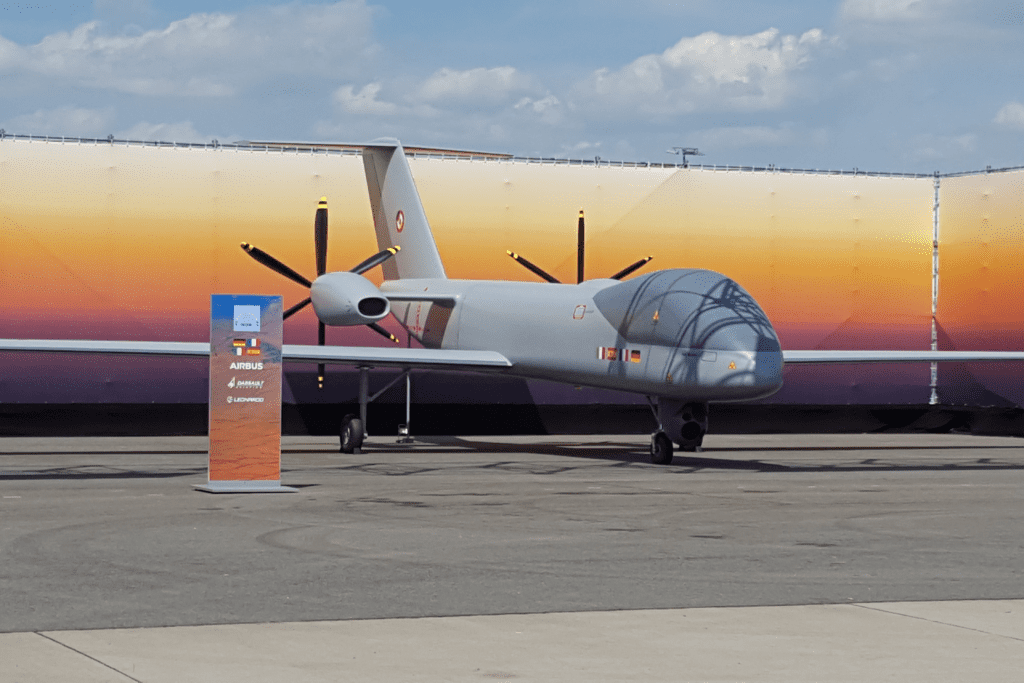
Eurodrone: a joint project between Germany, France and Italy to develop a medium-altitude, long-endurance combat drone.
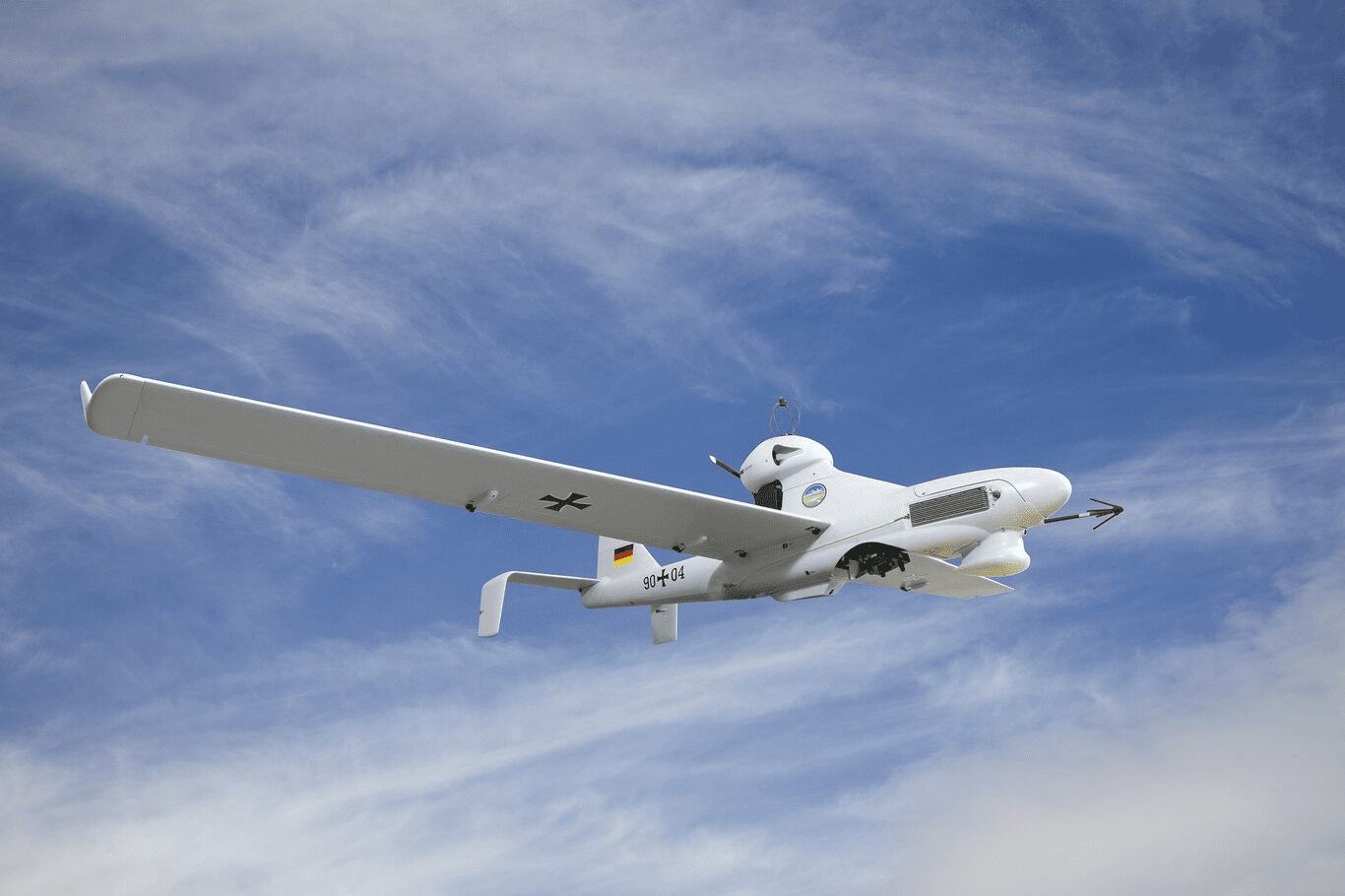
Luna NG: a reconnaissance drone.
Italy
As is the case in Germany, its ally in the Second World War does not greatly surpass it, as it relies mainly on imports.
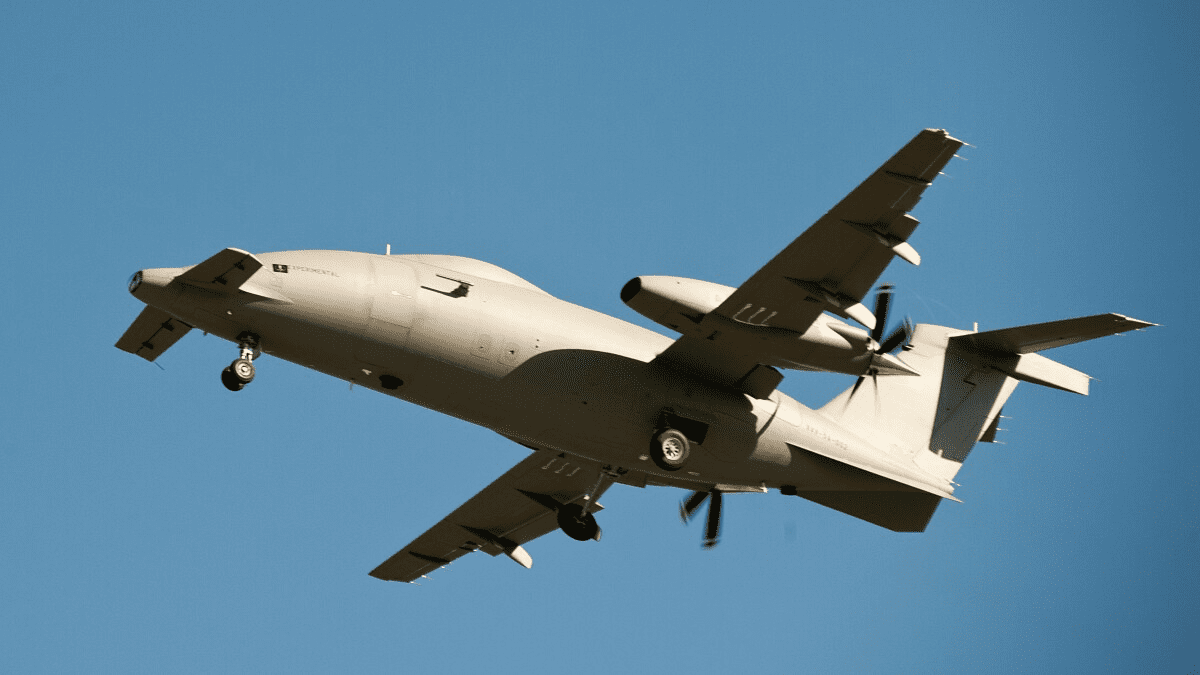
Piaggio P.1HH HammerHead: a drone with long endurance and multiple missions, used for surveillance and air strikes.
Sweden
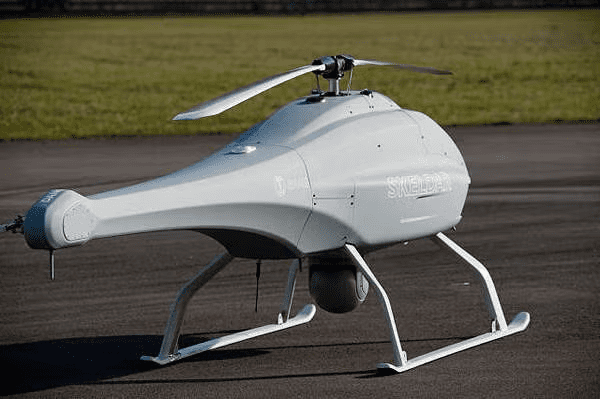
Saab Skeldar: a multi-mission drone used for reconnaissance and surveillance.
As mentioned at the outset, the general trend of European states was not based on focusing on military industries and developing strategic arsenals, but rather on settling for American weapons and the bases present on the continent. It is therefore natural that there is a very large shortfall in several sectors, among them unmanned aerial vehicles.
2. Imported Drones
European Union states have followed the path of importing to meet their drone needs, especially from the United States and Israel, due to advanced technology and rapid availability.
United States
These are the most prominent American unmanned aerial vehicles used by European armies:
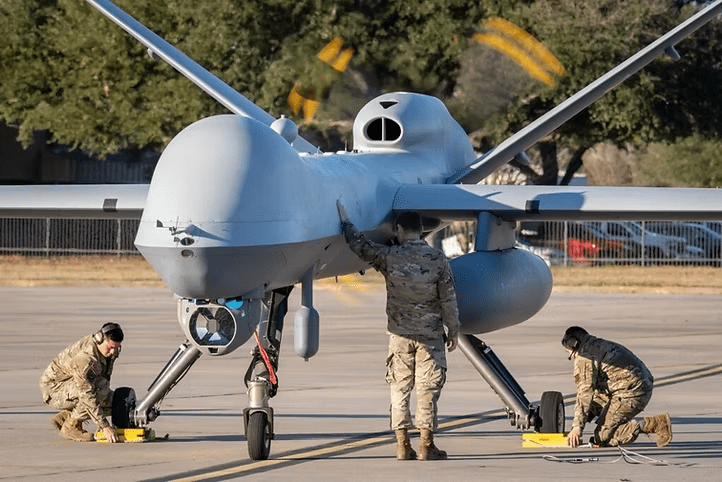
MQ-9 Reaper: used by several European countries, including the United Kingdom and France, for reconnaissance and strike missions.
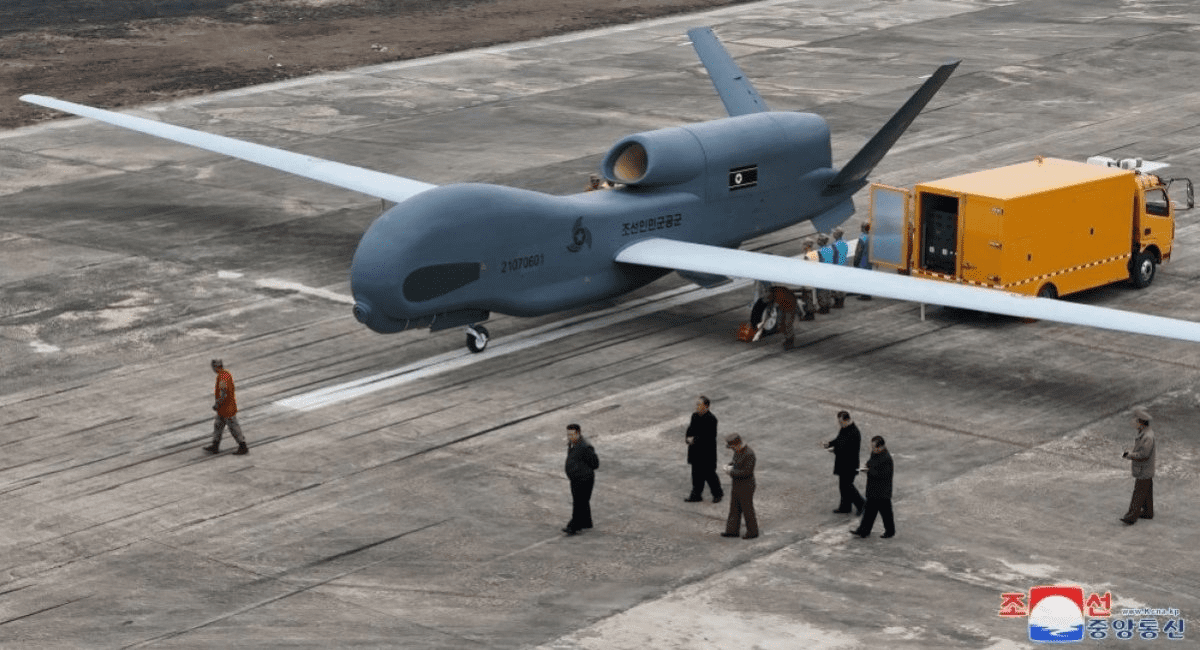
RQ-4 Global Hawk: a strategic long-range reconnaissance drone.
Israeli Entity
The following are the most prominent drones that European states import from the Israeli entity:
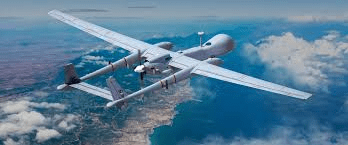
Heron TP: used by Germany and France for surveillance and reconnaissance missions.
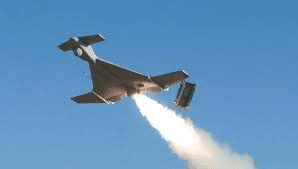
IAI Harop: a suicide drone used by some European states.
Ukraine
After the dissolution of the Soviet Union into several small states, Ukraine had no great interest in strengthening its army and military industry. However, with the outbreak of the war declared by the Russian president, which he described as a "special operation," the Ukrainian leadership found itself compelled to seek solutions that would provide cheap and effective weapons to inflict the greatest possible damage on Russian equipment and soldiers. Drones were the optimal solution. It launched a local programme that soon yielded tangible results, as Ukrainian drones achieved significant successes against Russian equipment despite limited industrial capacity compared with the major powers, making them a key tool in its defensive and offensive strategy.
- Locally Made Drones
Ukraine has worked to develop several local models, including:
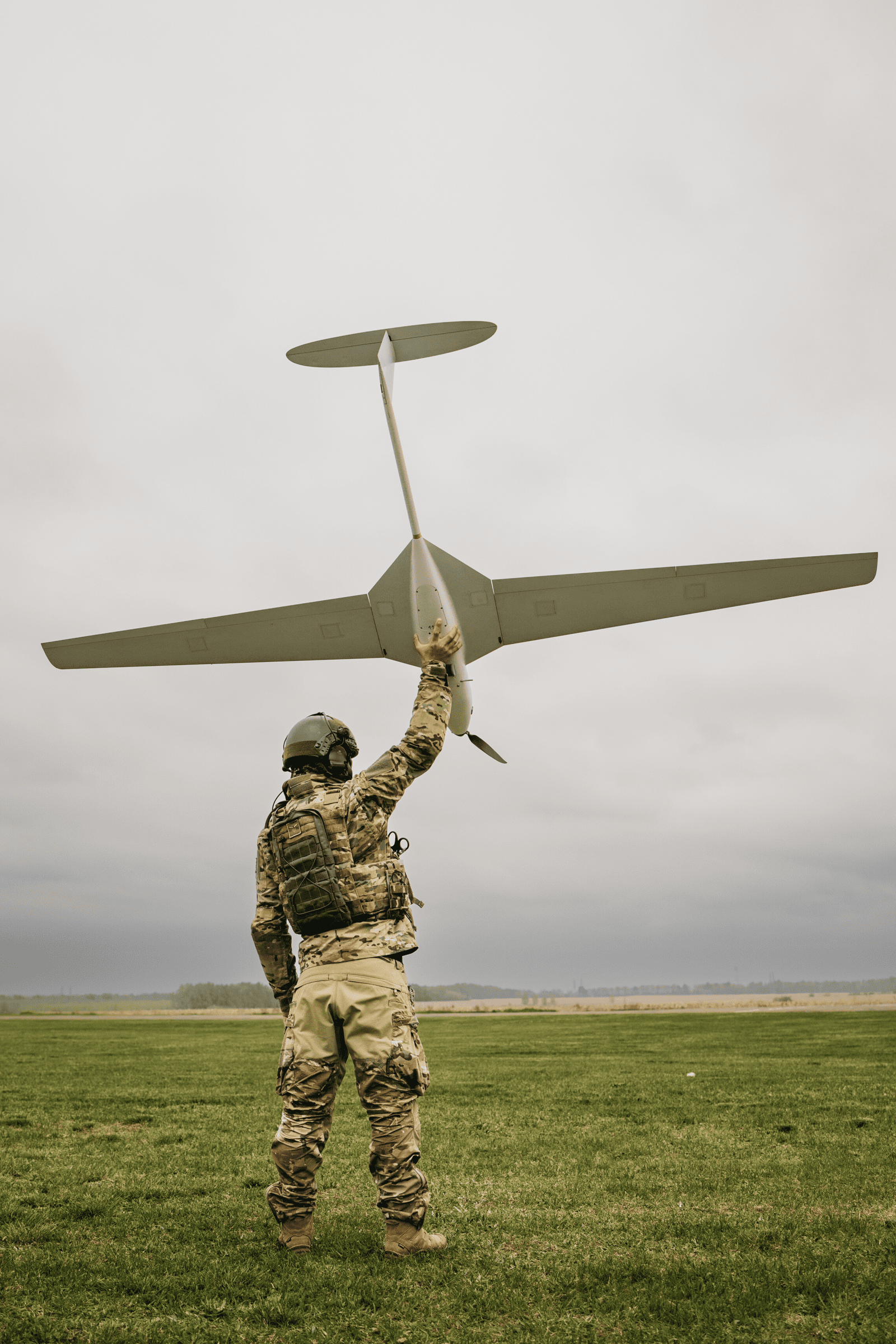
- "Punisher": a small drone capable of carrying bombs weighing up to 3 kg, used to strike Russian positions behind the front lines, with a range of approximately 50 km.
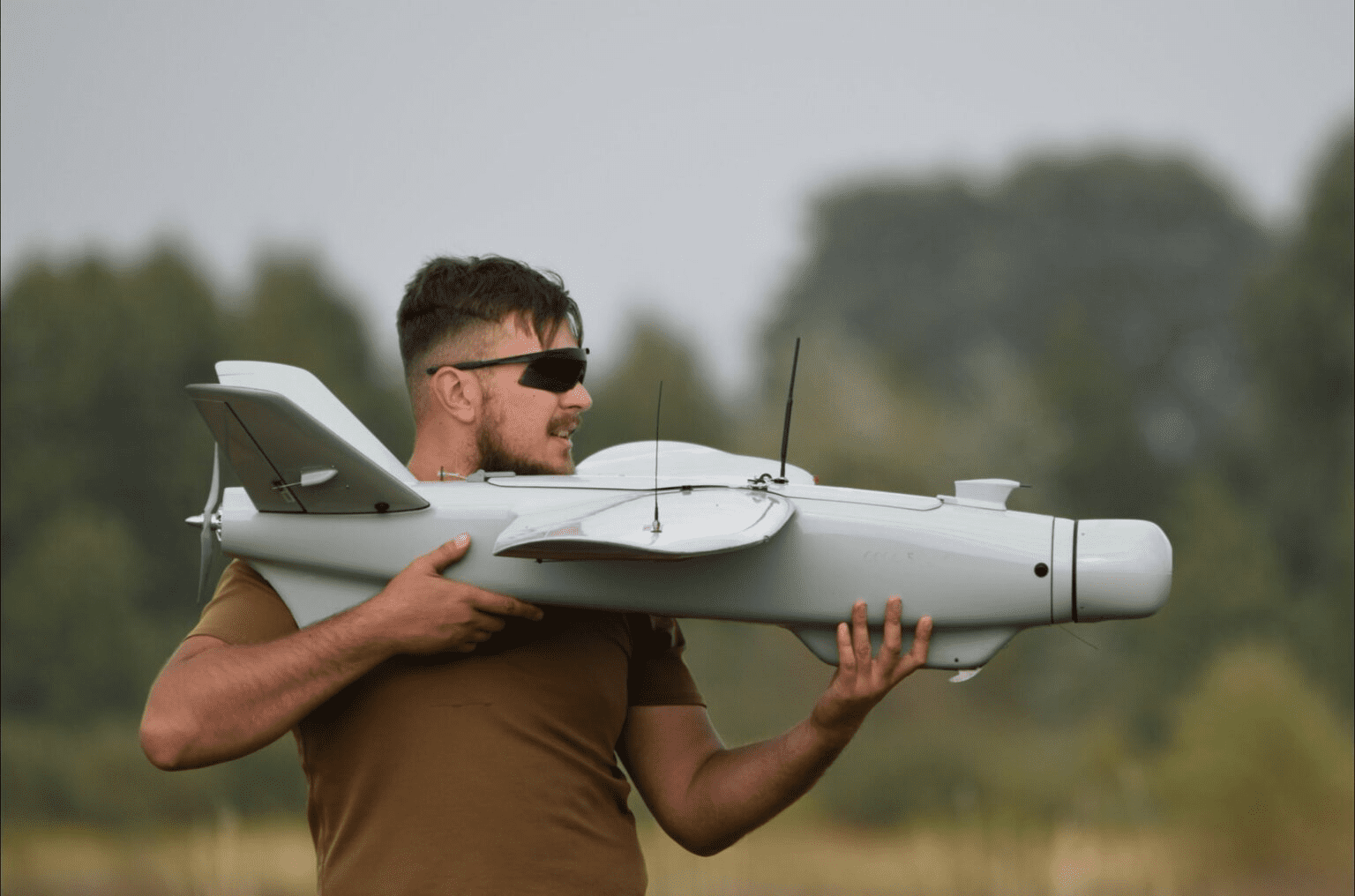
- "Leleka-100": a medium-range reconnaissance drone, widely used on the fronts to gather information and direct artillery.
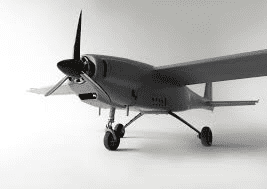
- "UJ-22 Airborne": a multi-purpose drone capable of carrying small munitions and carrying out reconnaissance missions, with a range of approximately 800 km.
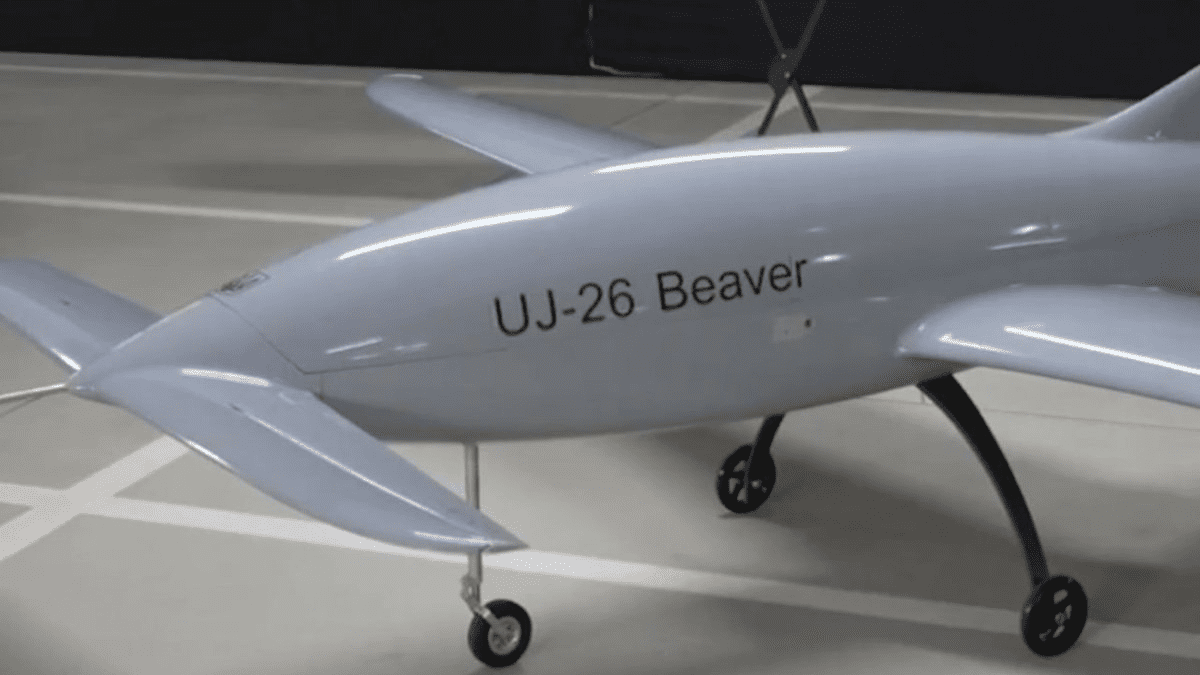
Ukraine has also developed locally made suicide drones such as "Beaver," which were used to strike targets inside Russian territory, in addition to projects to intercept aircraft and missiles to compensate for the shortfall in conventional air defence systems.
2. Imported Drones
Alongside local production, Ukraine received significant external support:
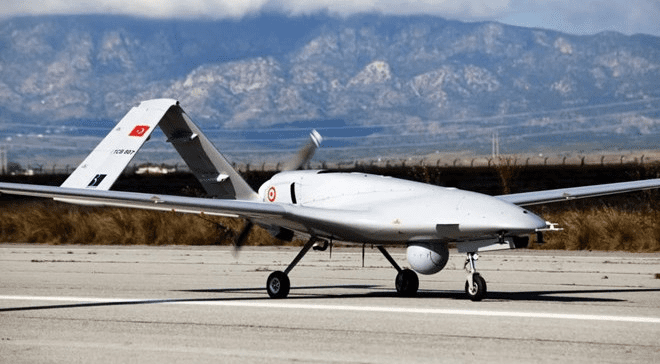
- "Bayraktar TB2" (Turkish): played a prominent role in accurately striking Russian targets, especially at the beginning of the war.
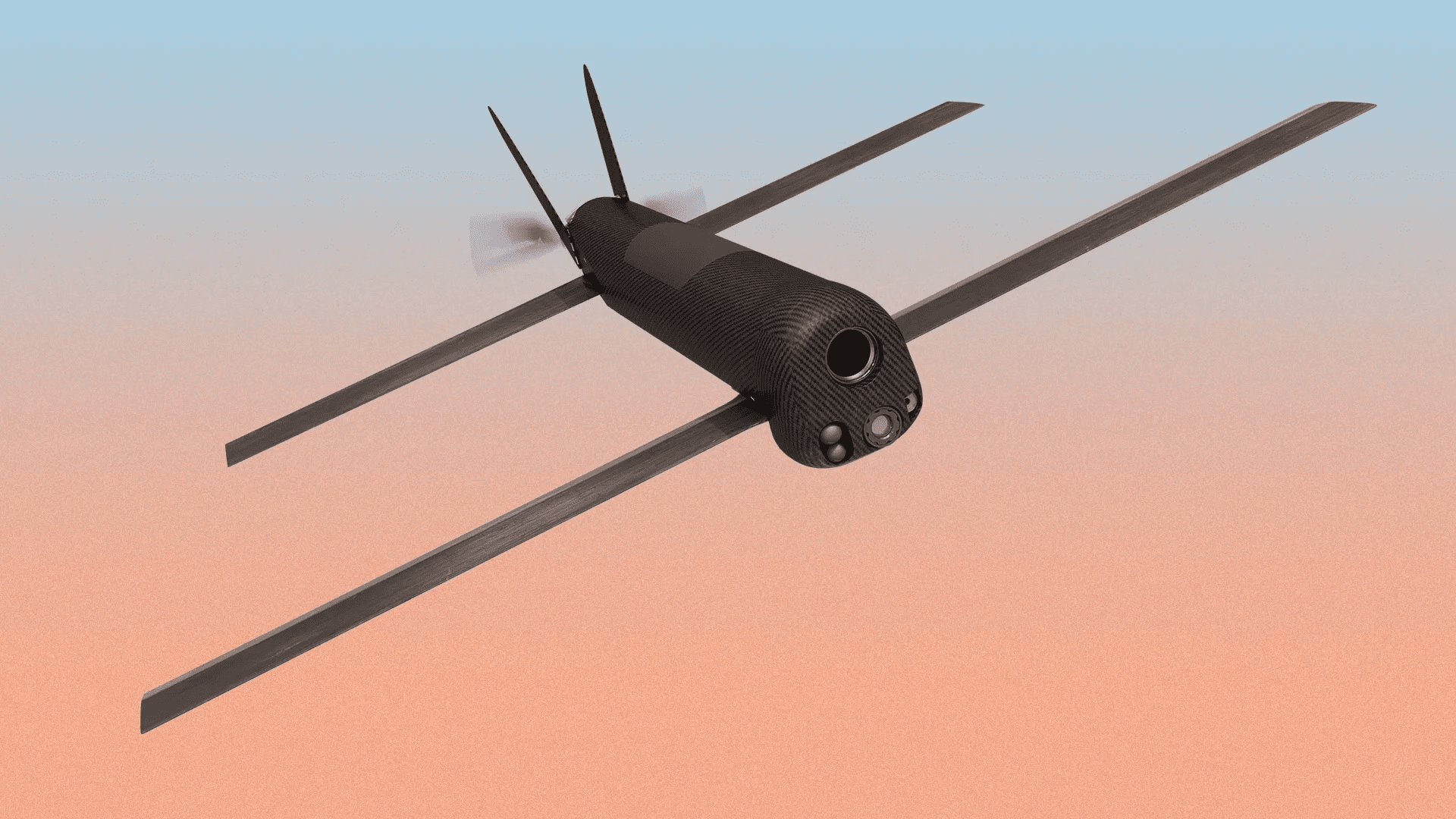
- "Switchblade 300 and 600" (American): small suicide drones used to strike concentrations of Russian soldiers and vehicles.
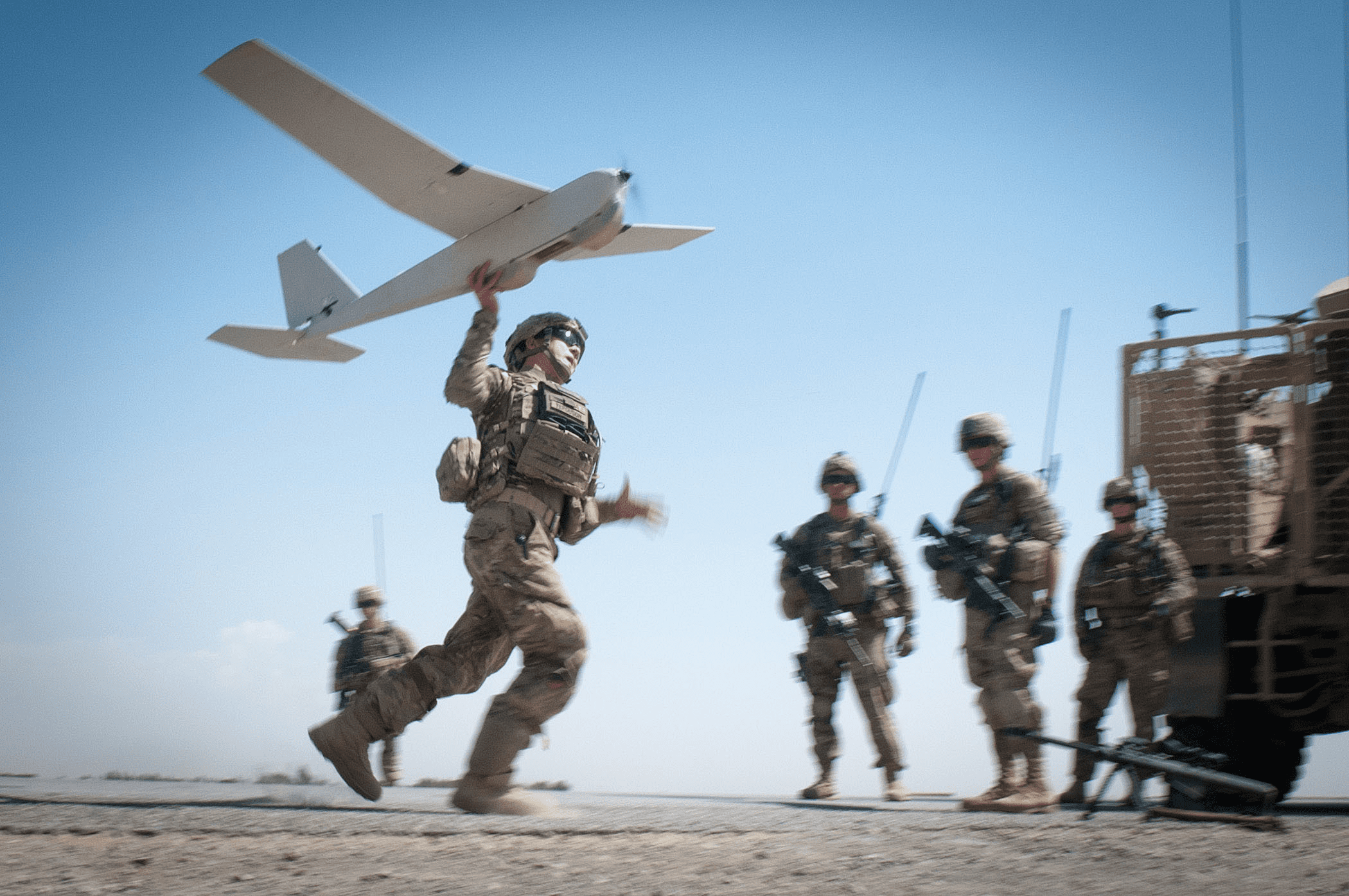
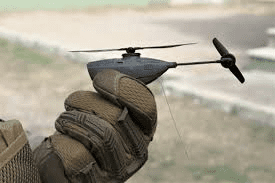
- European and American support with advanced reconnaissance drones such as "RQ-20 Puma" and "Black Hornet," to strengthen field surveillance capabilities.
The Ukrainian experience has demonstrated that drones, whether locally made with simple technologies or imported from abroad, can make a significant difference on the battlefield. They are a low-cost and effective means of confronting a larger military force, and they confirm that investment in this field has become a necessity for any state seeking to strengthen its defensive and offensive capabilities.


