


The entity's experience in manufacturing and developing drones is among the most prominent in the world, as these weapons have been focused on as a strategic system, with very large financial and human resources invested in them.
By contrast, the experience of the Palestinian resistance has been an inspiring experience unique in its kind compared with other experiences, given the available capabilities and resources.
In the fourth report of our series on drones, we will address both experiences (the Israeli and the Palestinian), focusing on the stages of each, how they began, developed, and reached what they are today.
The Israeli Experience
Israel is a world-leading country in developing and manufacturing unmanned aerial vehicles (UAVs), having begun this industry decades ago and succeeded in exporting them to dozens of countries. The Israeli army relies heavily on these technologies for surveillance, reconnaissance, and air strikes. How did this industry begin? What are the most prominent Israeli drones? And which countries buy them?
- Origins and historical development
The manufacture of drones in the entity began in the 1970s, as a response to the need for safe and effective reconnaissance means after the 1973 war (the October War).
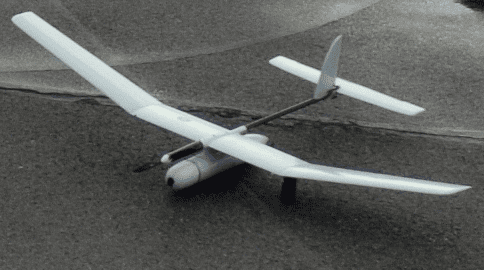
The first Israeli drone: the "Scout" (Scout) entered service in 1981 and was used in the 1982 Lebanon War with great success.
Later development
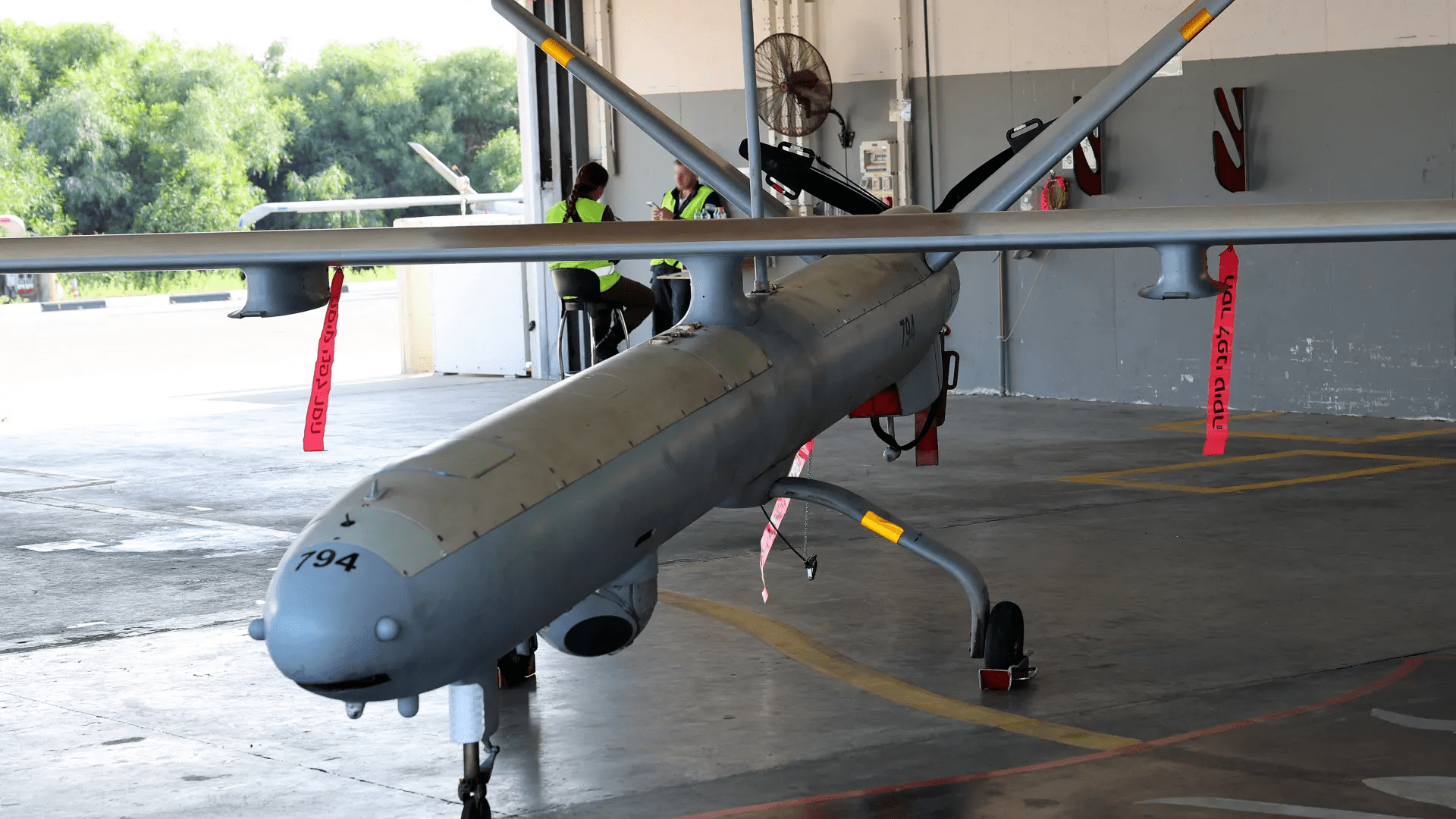
In the 1990s, more advanced aircraft appeared, such as the "Searcher 1" (Searcher) and the "Hermes 450", then the "Heron" (Heron), which became one of the most famous Israeli drones.
The era of combat drones
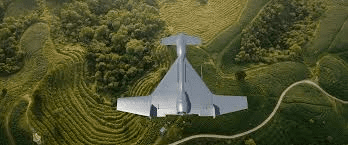
In the last two decades, Israel has developed drones capable of carrying out strikes, such as the "Harop" (Harop) kamikaze drone.
- The most prominent Israeli drones
Israeli drones vary between those designed for reconnaissance, observation, and surveillance, and those designed for air strikes and kamikaze missions.
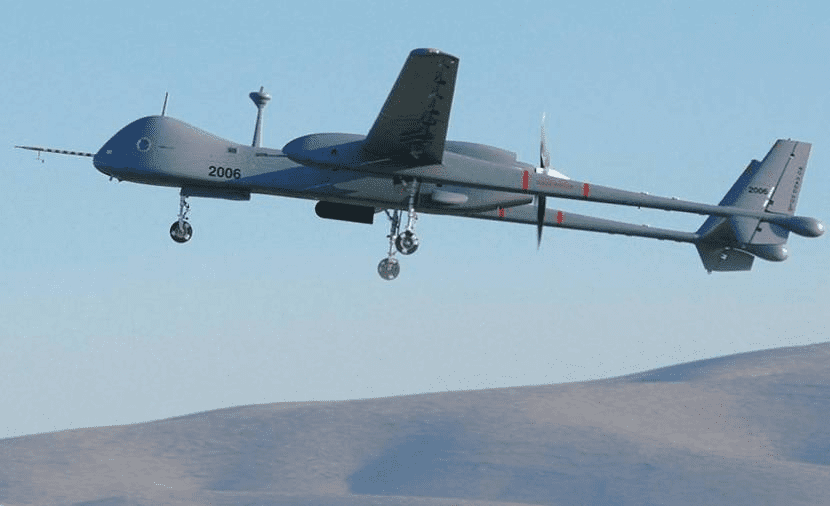
Heron TP: capable of reconnaissance, surveillance, attack, data transmission, and strike operations, and its price is estimated at around 20–30 million dollars.
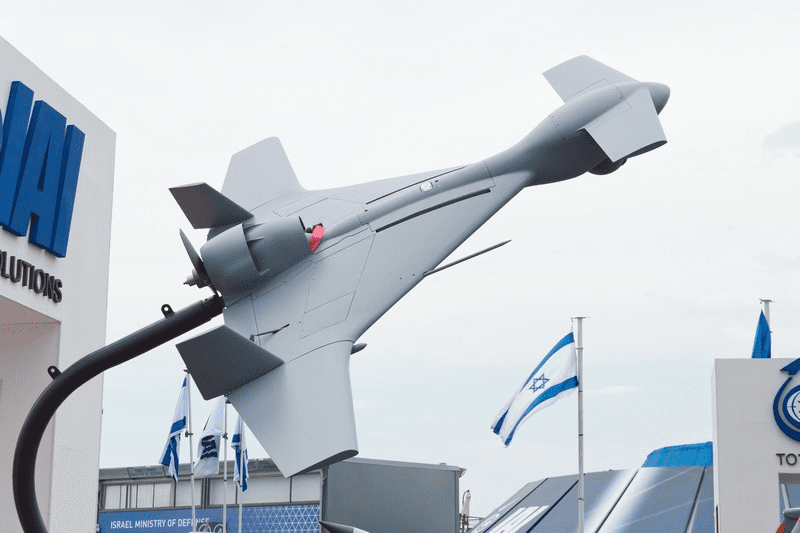
Harop: a kamikaze drone used to destroy radar and defensive targets, and its price is estimated at 100–150 thousand dollars.
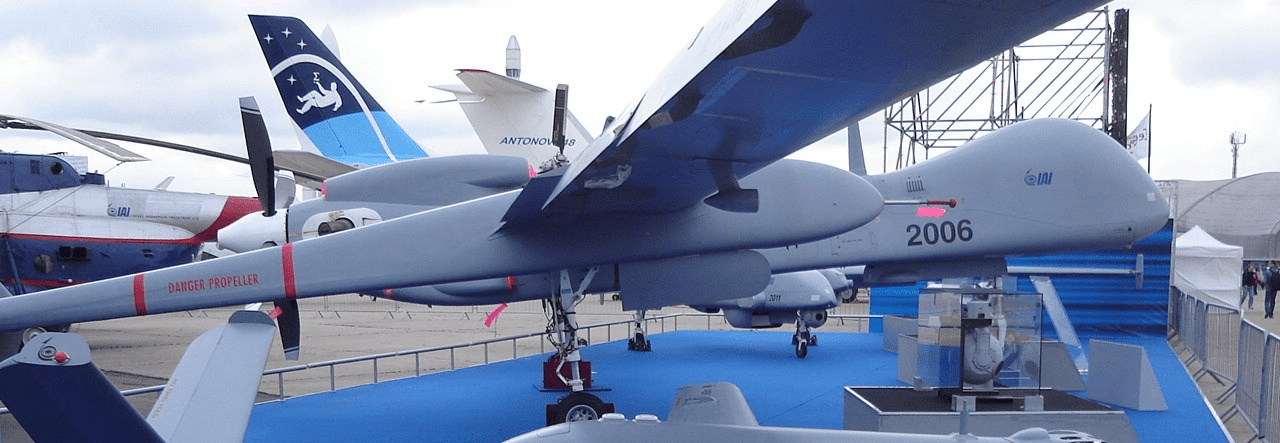
Eitan (Eitan): a large long-range drone, intended for intelligence and multi-role operations, and its price is estimated at 50–70 million dollars.
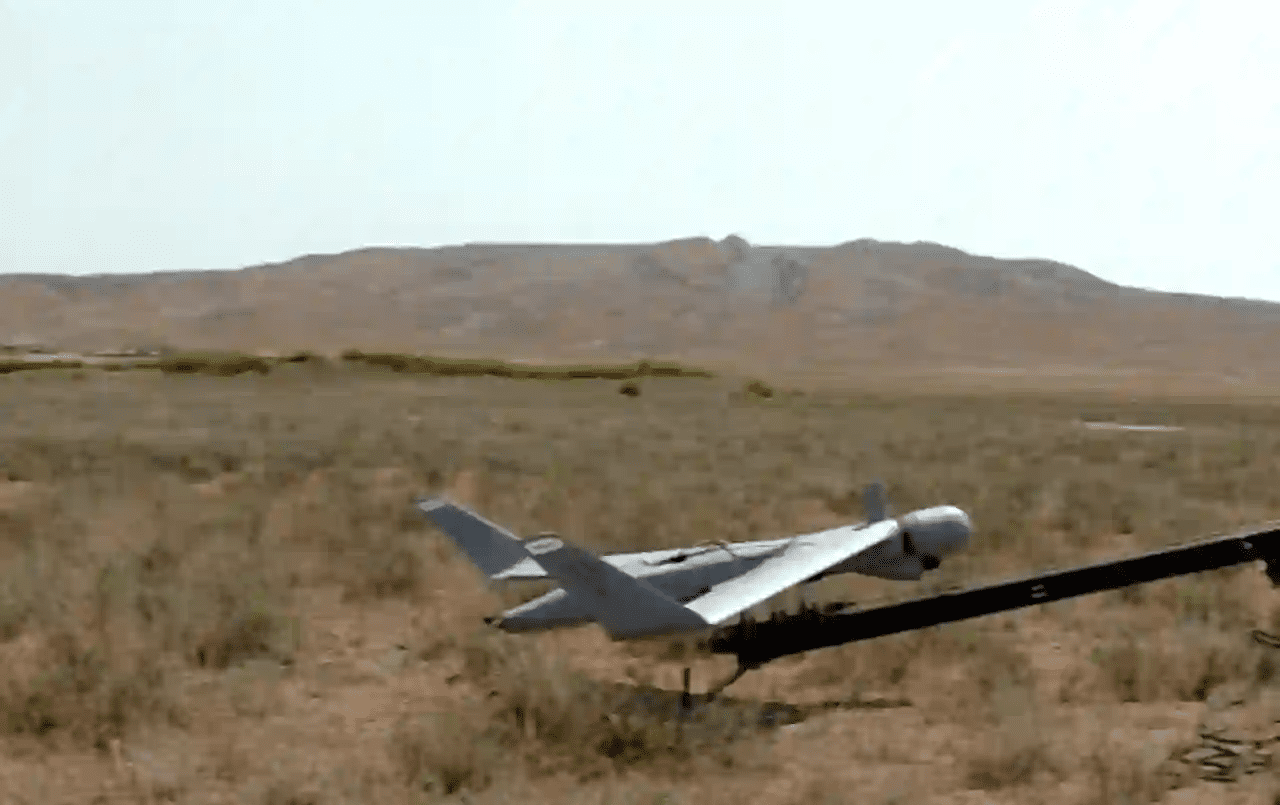
Orbiter (Orbiter): a light drone intended for tactical surveillance, and its price is estimated at 50–100 thousand dollars.
- Countries buying Israeli drones
Israel exports its drones to dozens of countries, including:
Europe: Germany, France, Britain, Poland.
Asia: India, Singapore, the Philippines, Azerbaijan, the UAE.
North America: the United States and Canada (cooperation in developing drone technologies).
Africa: Nigeria, Morocco, Ethiopia, Uganda.
Recent major deals
India deal (2020): purchase of "Heron" and "Harop" aircraft worth 200 million dollars.
Germany deal (2023): purchase of "Heron" aircraft to strengthen intelligence.
- Drones the occupation army imports
Although Israel is a major manufacturer of drones, it imports some types for specialised purposes, especially from the United States, such as:
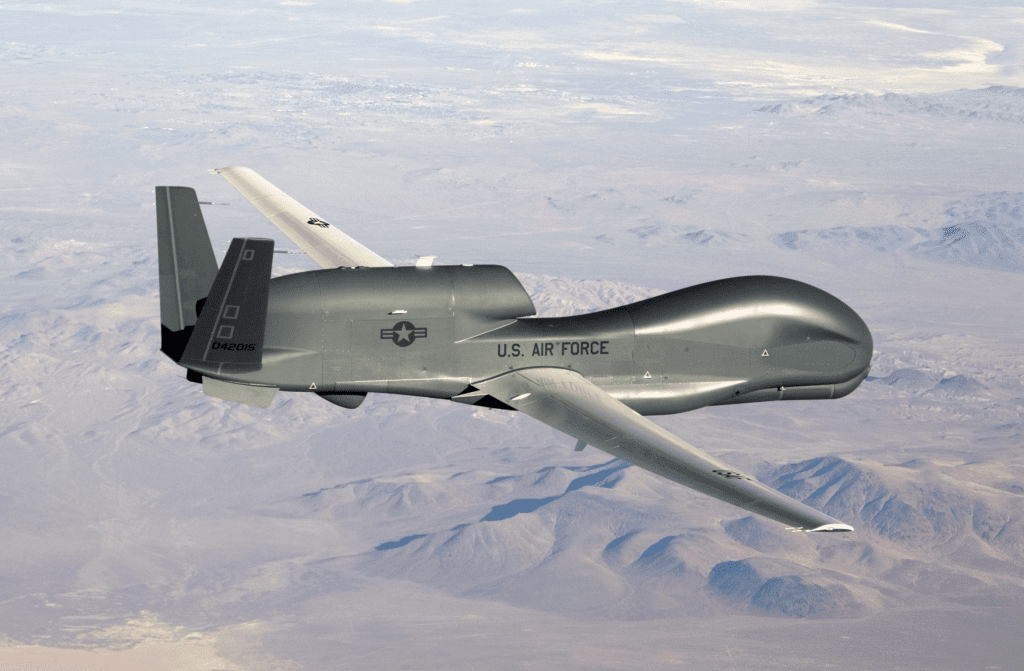
The American "RQ-4 Global Hawk" (Global Hawk) for long-range surveillance.
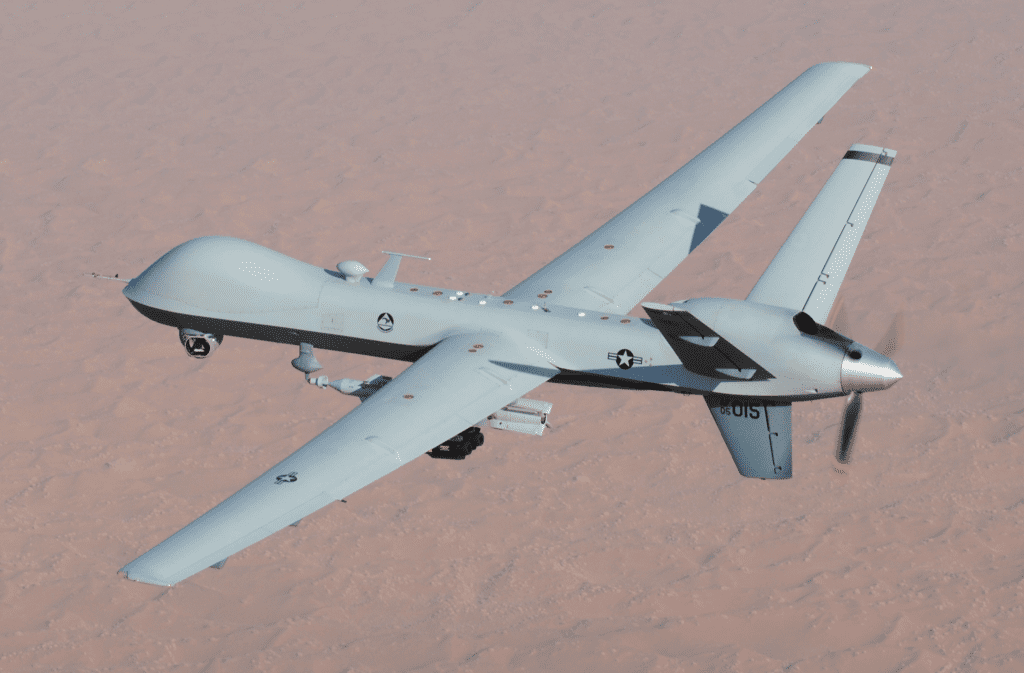
The "MQ-9 Reaper" for precision strike purposes.
The drone industry in Israel represents a technological and military success, as it has become one of the most important users and exporters of these technologies globally. With the growing reliance on drones in modern wars, the occupation army's efforts to develop this technology and keep it monopolised are expected to continue.
The Palestinian Experience
Under a tight siege, technological challenges, and a shortage of capabilities and resources, the Izz al-Din al-Qassam Brigades, the military wing of the Hamas movement, were able to write a new chapter in the history of military industries in Gaza. A journey of technical struggle that began from zero to the manufacture of combat drones, and the starting point was with the martyred engineer Mohammed al-Zawari, the spiritual father of the Qassam drones.
- Origins: from primitive workshops to a production line
Al-Qassam recognised early the importance of drones in balancing power with the Israeli army.
The idea of developing an aerial drone began in 2003 at the hands of engineer Nidal Farahat, a member of the Qassam Brigades, who worked on manufacturing the first Qassam rocket, "Qassam 1". Work on the idea then stopped following his assassination, after a drone he was about to develop was booby-trapped.
Work on developing an aerial drone resumed in 2006 after the Tunisian engineer Mohammed al-Zawari joined the Qassam Brigades.
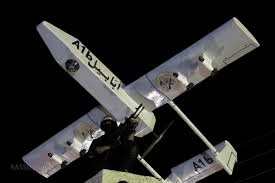
By 2008, al-Zawari, may God have mercy on him, had supervised the manufacture of 30 unmanned aircraft named "Ababil", in the same year that the Furqan War broke out. Three types were produced from the Ababil drone:
- Ababil (A) for reconnaissance missions,
- Ababil (B) for offensive and bombing missions,
- and the Ababil (C) model for kamikaze missions.
Israeli security sources at the time expressed their concern about the possibility of the Qassam Brigades obtaining drones, and their fear that they could develop them on their own.
The first appearance of the Ababil was in 2014, when its entry into service was announced during the "Protective Edge" battle, and the Brigades announced that the aircraft had carried out surveillance and reconnaissance missions over the Israeli Ministry of Defence building in Tel Aviv.
On 17 December 2016, the Qassam Brigades mourned their martyr, the Tunisian Mohammed al-Zawari, who was assassinated by Israel's Mossad in Tunisia, and revealed for the first time that he was one of the commanders of the Brigades and a supervisor of the Qassam Ababil drone project.
The assassination of al-Zawari was a heavy loss to the drone project, but the experience that the Brigades' engineers gained during their years of work with him enabled them to continue the project and develop new models.
- Al-Zawari and Shihab
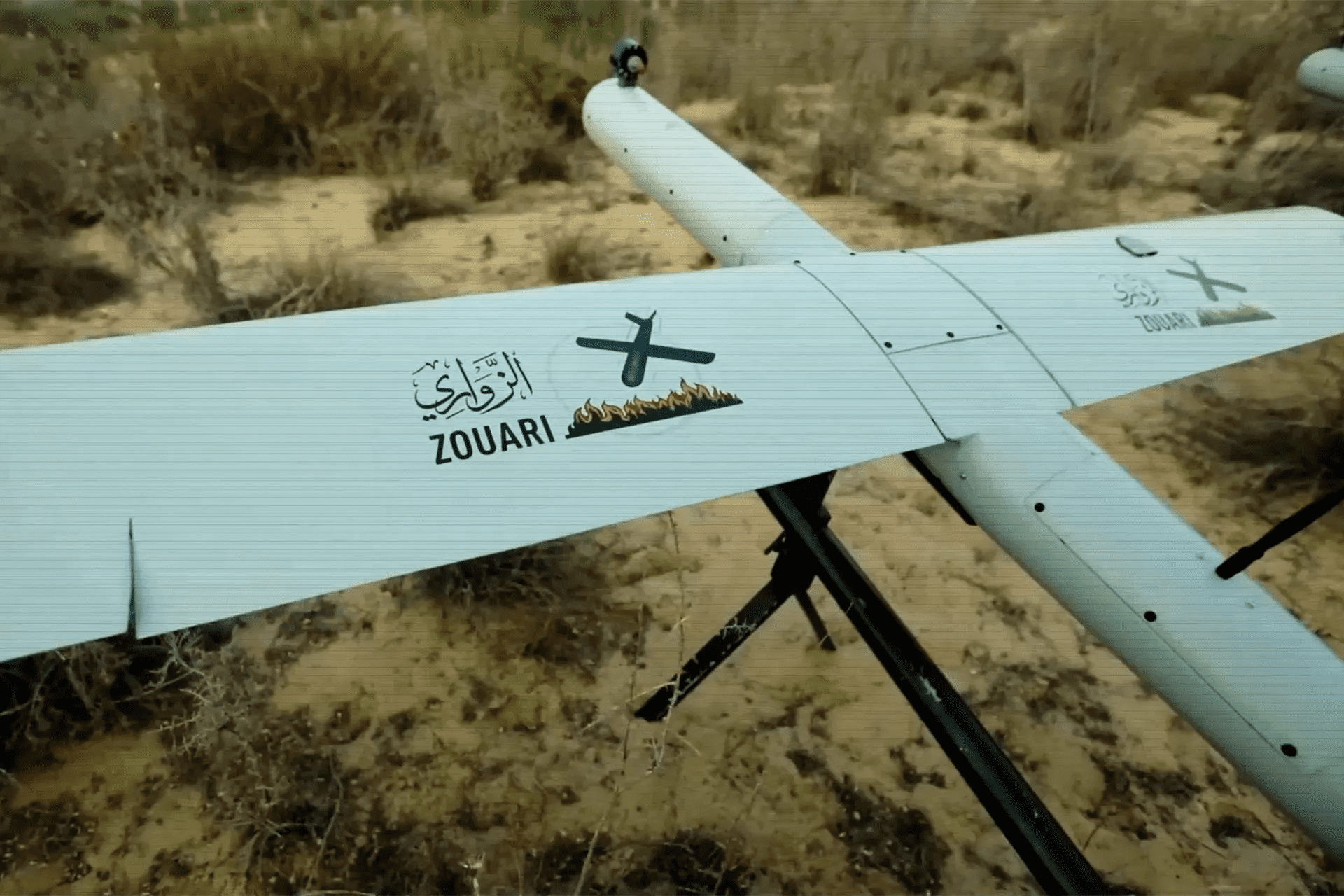
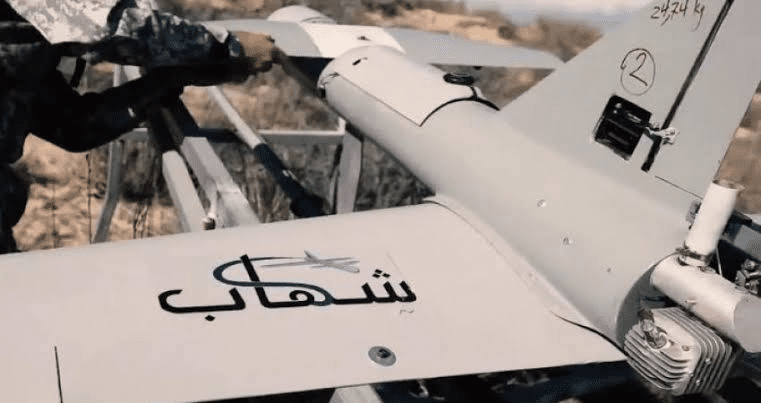
During the "Sword of Jerusalem" battle in 2021, the Qassam Brigades announced the introduction into service of two new drones, "al-Zawari" and "Shihab", and broadcast video clips and military statements revealing the use of the Shihab aircraft in carrying out kamikaze attacks on a chemicals factory in the "Gaza envelope" and a gathering of soldiers and vehicles at the "Kissufim" site.
On the first anniversary of the "Sword of Jerusalem" battle in 2022, the Qassam Brigades released a series of documentary films recounting the lives of a number of their commanders who were martyred in the battle, including the leaders of the drone project, and broadcast footage shown for the first time on the stages of manufacture and field testing of the aircraft.
At that time, Qassam revealed the Shihab kamikaze aircraft, whose manufacture was supervised by the martyred communications engineers Hazem al-Khatib and Zafer al-Shawa, and their relationship with Qassam's commander-in-chief Mohammed al-Deif and Ahmed al-Jaabari, and their direct follow-up of the project.
Reference was also made to the role of the Jordanian engineer Juma'a al-Tahla in the project, as his joining Qassam's ranks in 2007 was revealed, and his joining the manufacturing department, where he trained and worked alongside al-Zawari, and participated with him in developing the first versions.
- The most prominent Qassam drones
Ababil "A1" (A1) drone
The Qassam Brigades first revealed it during the "Protective Edge" battle in 2014, where it was used in a surveillance operation over the Israeli Ministry of Defence building.
"Ababil" is the name that the martyr Nidal Farahat intended to give to the first version of the drone he was about to produce.
Ababil includes three versions:
- Ababil "A1 A" (A1A) with reconnaissance missions.
- Ababil "A1 B" (A1B) with offensive-bombing missions.
- Ababil "A1 C" (A1C) with offensive-kamikaze missions.
Al-Zawari drone
A drone for surveillance and direct targeting with carried bombs, which first appeared during a military parade organised by the Qassam Brigades in 2015, and entered service during the "Sword of Jerusalem" battle.
The Qassam Brigades used 35 of these aircraft in the opening strike of the "Al-Aqsa Flood" battle.
Shihab drone
A kamikaze drone, which entered service for the first time in the "Sword of Jerusalem" battle, and was used to strike a chemicals factory in the "Nir Oz" settlement east of Khan Younis, to target a gathering of occupation soldiers at the "Kissufim" military site, and gas platforms at sea off Gaza City.
- Challenges
The Qassam Brigades faced serious challenges on their journey towards developing drones:
- Shortage of raw materials: the problem was partly solved by recycling Israeli military equipment and unexploded ordnance.
- Electrical power: developing high-efficiency batteries made locally.
- Guidance systems: reliance on advanced optical systems as an alternative to GPS.
The experience of the Qassam Brigades in drone manufacturing represents a unique model of innovation in the Islamic world. Despite the enormous material and technical gap with Israel, faith in God's victory, determination, and creative minds such as al-Zawari, in addition to belief in the feasibility of the project, were able to turn science fiction into field reality.
The Israeli and Palestinian experiences reflect two divergent paths. The first was built on the availability of huge investments and high technical capabilities that made Israel one of the most prominent producers and exporters globally, while the second arose in a besieged environment with limited capabilities, yet was able, through faith in God's support for His servants, determination and innovation, to assert its presence and achieve notable accomplishments. This disparity shows that technology is no longer the preserve of Western powers, but can be acquired even under difficult conditions, provided that faith, will and expertise are available.


