


As previously discussed in previous reports, the role and strategic value that drones play in modern warfare are not hidden from anyone. Pioneering projects have emerged in some countries and achieved notable results, while the Arab experience in this field remains extremely limited. Most Arab states have relied on a policy of importation, without any serious move toward launching ambitious projects to achieve self-sufficiency in this strategic category of weapons.
In this final report of the series, we will examine several distinguished experiences in this industry in Islamic countries such as Turkey, Pakistan and others, focusing on:
- The emergence and development of drones in these countries.
- The most prominent current models and capabilities.
- The countries importing these drones.
- The strategic impact on regional conflicts.
Pakistan
Emergence and Development
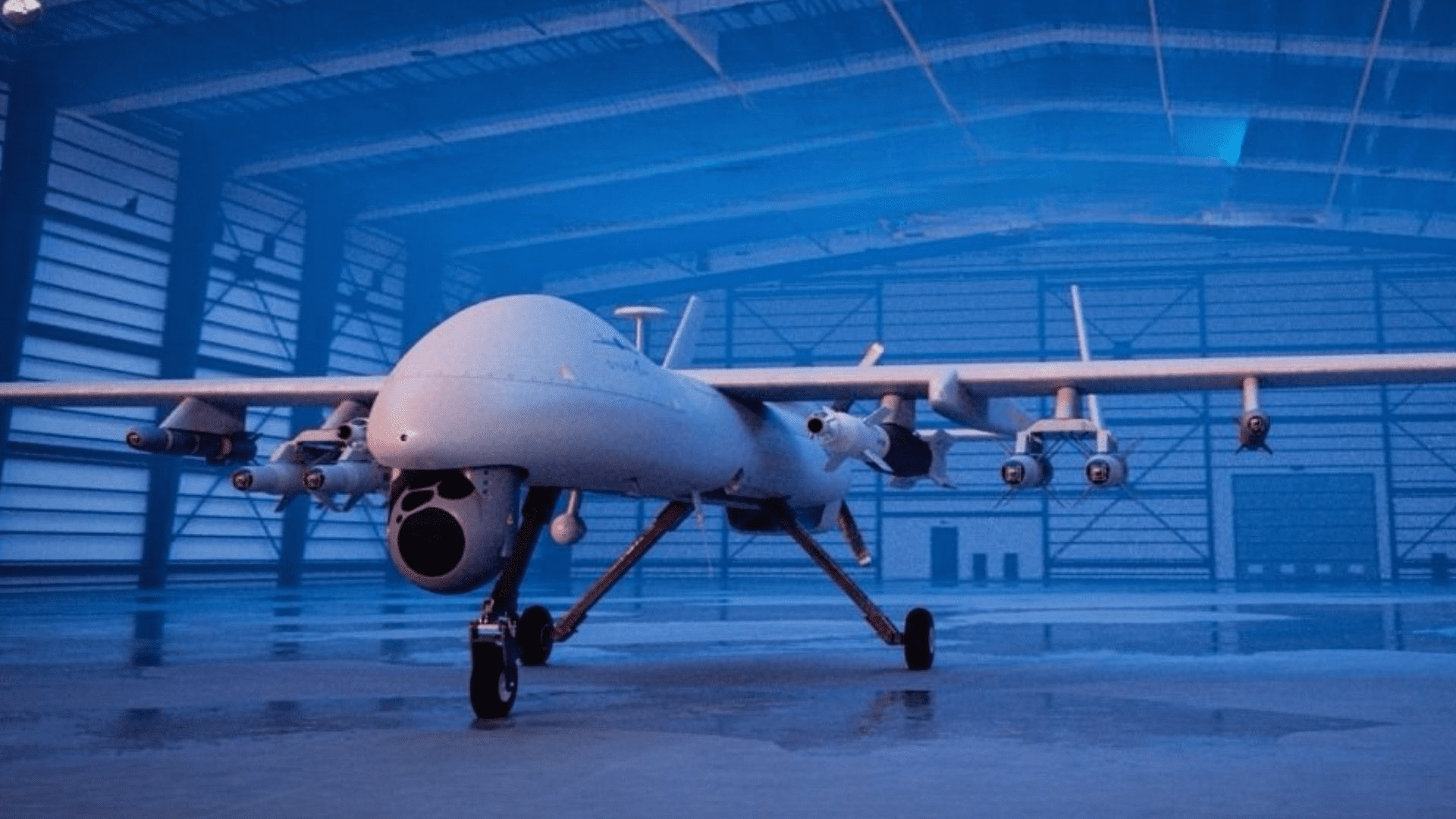
Interest in drones in Pakistan began after the Kargil War of 1999 with India, when the Pakistani leadership recognised the need for surveillance technologies and precision strikes. The first steps were taken through cooperation with China to develop prototypes, before reaching tangible results through the development of drones such as "Shahpar" (Shahpar) and "Burraq" (Burraq).
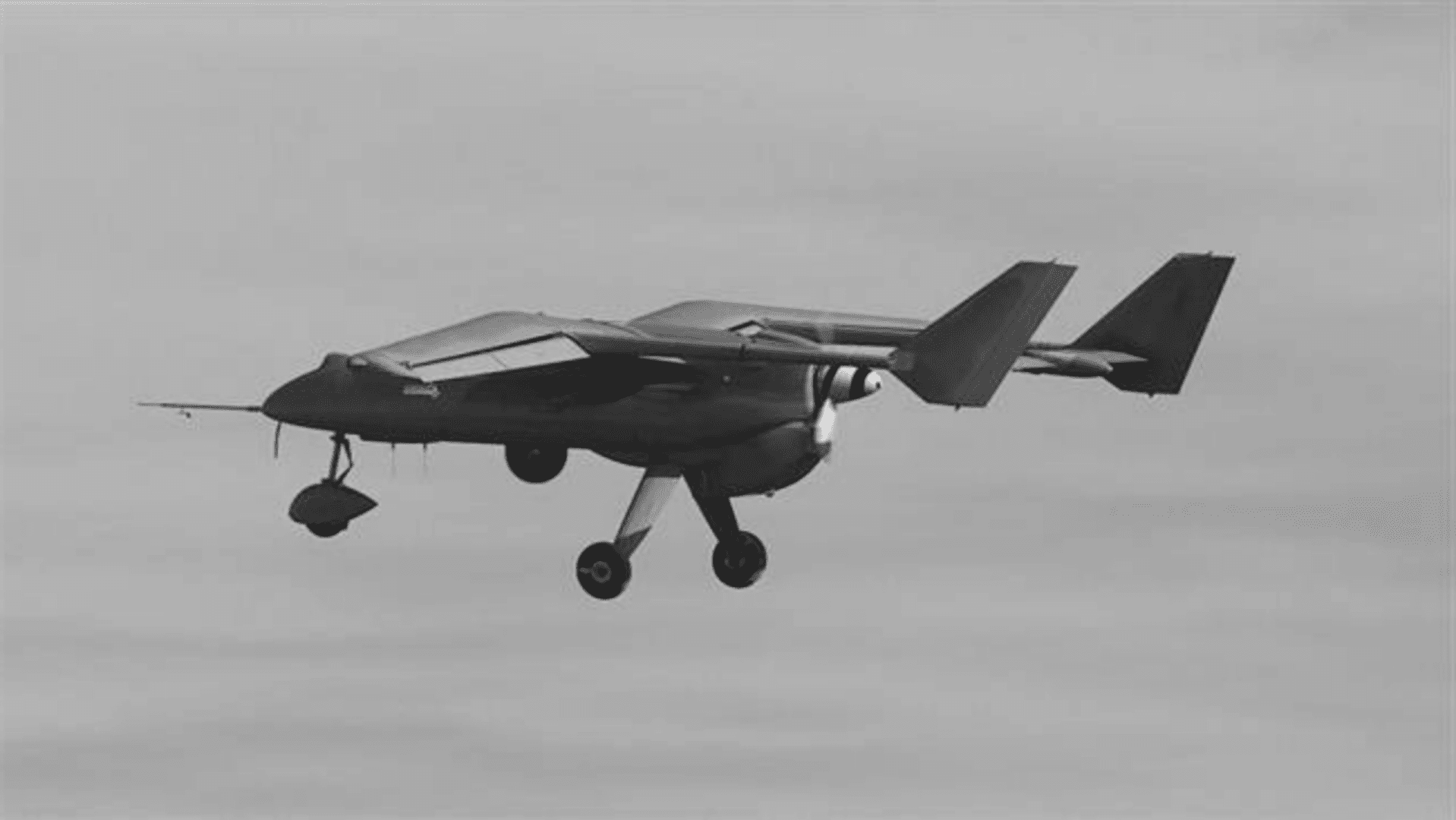
In 2015, the Pakistani army unveiled the "Burraq", the first locally manufactured combat drone, after which a broad development phase began, including multiple models ranging from those dedicated to reconnaissance and surveillance, to combat drones capable of carrying out precise strikes, and up to suicide aircraft.
Prominent Pakistani Drones
- Burraq: A combat drone capable of carrying BARQ laser-guided missiles, with a range of about 200 km.
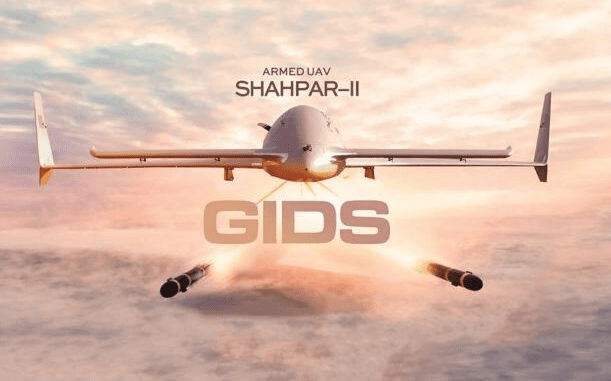
- Shahpar: A reconnaissance and attack drone with a maximum range of 250 km, capable of carrying a payload of up to 50 kg, used for border surveillance and striking precise targets.
- GIDS UCAV project: A multi-role drone under development, aimed at producing a stealth aircraft with greater endurance and radar evasion capabilities.
Export
Pakistan exports its drones to several countries, including Saudi Arabia, with which it has a joint defence agreement, as well as Azerbaijan, Nigeria and Iraq. It also maintains close military relations with Turkey, particularly in the field of military technology related to drones and combat aircraft.
Strategic Importance
The Pakistani experience is distinguished in that it began its local manufacturing programme early in the emergence of this technology, and succeeded in meeting a considerable share of its military needs. The development of drones also represents an essential element in balancing power with India, and strengthens Pakistan's regional deterrence capabilities in confronting growing security challenges.
Turkey
Emergence and Development
Turkey began its local drone manufacturing programme in all its types after the United States imposed an embargo on the export of several weapons, including drones (during the Syria crisis).
The turning point and the spark that lit the Turkish drone experience is the Baykar Defence company, which placed Turkey at the forefront of the world in this industry.
Saljuk Bayraktar, technical director of "Baykar", speaks about his country's unique experience, saying: Turkey has been freed from dependence on abroad, and its drones are the best drones in the world.
Our drone development project began from a small workshop, and was a small project to manufacture aircraft capable of flying automatically (by software) in multiple ways.
He added that the first version was small aircraft ("Bayraktar Mini"), which had a short flight range, could stay aloft for one hour, carry out direct reconnaissance, and fly a distance of 15 kilometres.
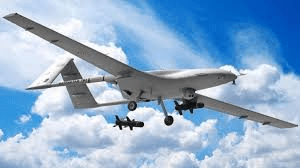
Work on the "Bayraktar TB2" drone project began in 2010, then in 2014 the Office of the Ministry of Defence Industries began working on these aircraft, and they entered the armed forces' inventory for the first time in 2014.
He confirmed that these aircraft were very effective in counter-terrorism operations and in operations conducted outside Turkey.
He added that work began on the "Akıncı" drones in 2016; they are large aircraft containing 100 computers, compared with the TB2, which contains 40 computers.
Very High Capabilities
According to the Turkish engineer, Turkey used to buy drones from "Israel", but the drones leased from abroad in 2009 could not take off and land automatically, and "Israeli" pilots had to make the drones take off and land using a manual control device.
He continued that Turkey was later able to manufacture drones, starting with the smallest in size, and its aircraft could take off and land automatically, relying on software it had developed.
Regarding the specifications of the drones produced by Turkey, Bayraktar said: the "Bayraktar TB2" is the most famous drone in the world, serving 16 countries, with a range of hundreds of kilometres, able to stay in the air for 27 hours, capable of carrying a payload of up to 130 kilograms, and equipped with smart and highly sensitive military systems.
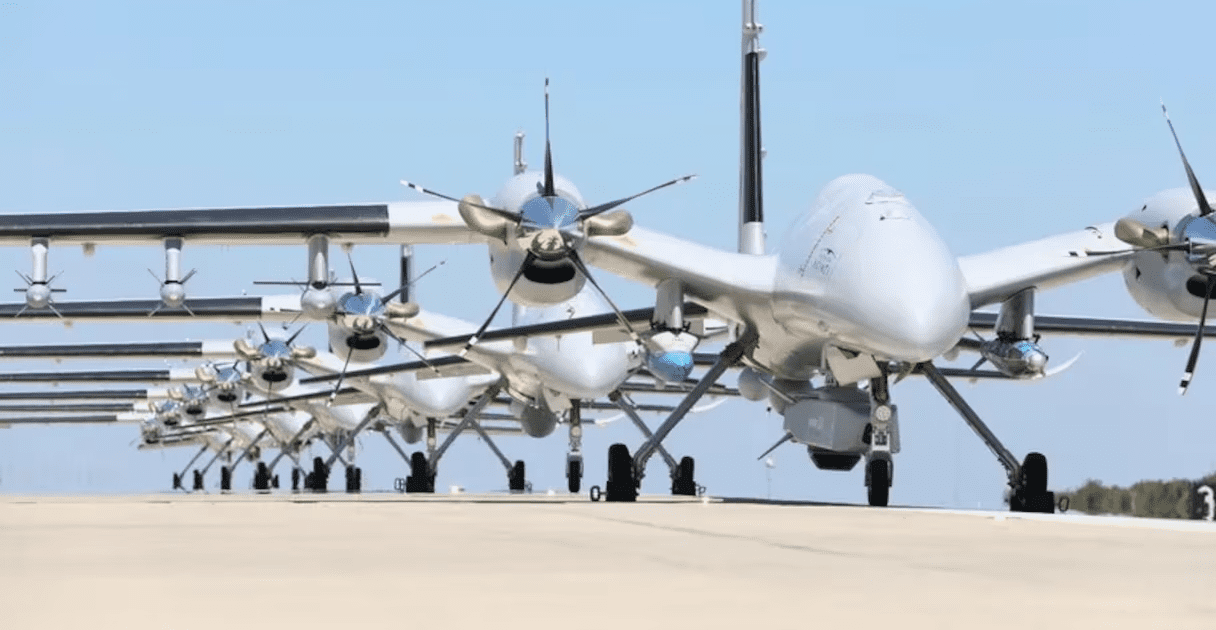
As for the "Akıncı" drones, according to Bayraktar, they are more advanced than the TB2, as they possess very high capabilities, can carry out strategic missions and carry cruise missiles, have air-combat capability, and can be controlled via satellites.
Among the features of Turkish drones is the difficulty of detecting them with radar, and they have achieved great success against tanks and defensive systems in the places where they were used, such as Syria, the war in the Nagorno-Karabakh region of Azerbaijan, and Libya.
Local Industry
Regarding the secret of the transformation Turkey achieved in the field of local defence industries over the past twenty years, Bayraktar attributed the matter to dedication to work and freedom from dependence on abroad.
Bayraktar stated that his country had relied on foreign sources for 85% of its defence industries, but it has become able to rely on itself.
He confirmed that all design work and essential components have been developed, and Turkey no longer has any dependence on abroad in securing materials or essential components in the defence industries.
He stressed that all computers and electronic software are produced locally.
Bayraktar places Turkey among the top three countries in the world in drone manufacturing, a field dominated by the United States, China and "Israel".
He confirmed that Turkey has the most accurate drones, and has combat drones currently under development.
He added that Europe has no platforms comparable to those of Turkey, and Turkish drones are currently being exported and sold to European countries.
Prominent Turkish Drones
The following is an overview of the most prominent types of Turkish drones, with their basic information:
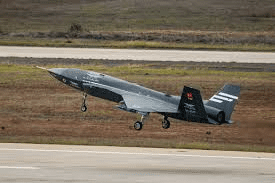
Bayraktar KIZILELMA A jet-powered combat drone with stealth capabilities and high manoeuvrability, designed to carry out advanced offensive missions and precise strikes.
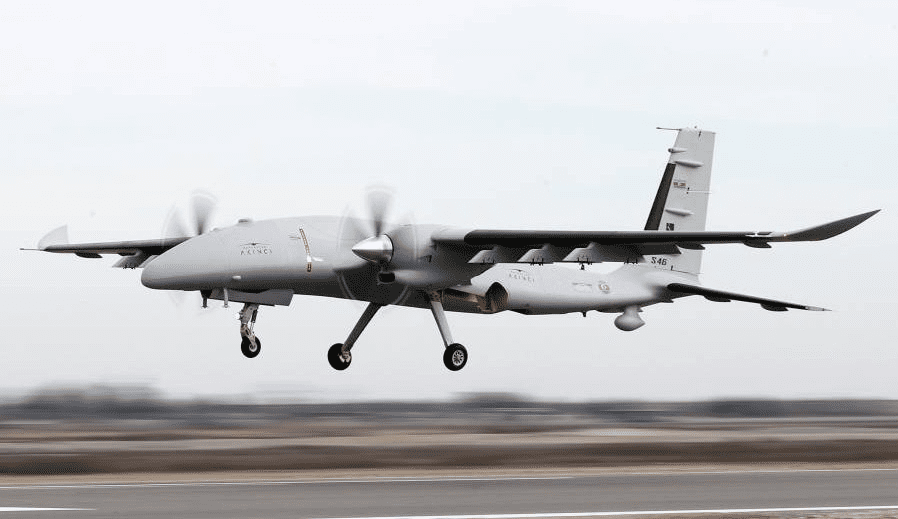
Bayraktar AKINCI A long-range strategic combat drone capable of carrying heavy munitions and air-to-ground and air-to-air missiles, used for reconnaissance and deep air strikes.
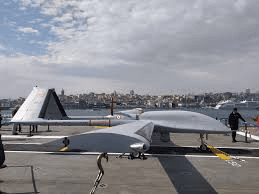
Bayraktar TB3 An upgraded version of the TB2, adapted for take-off and landing from ships, with a longer range and greater munitions-carrying capacity, designed for multiple naval and aerial missions.
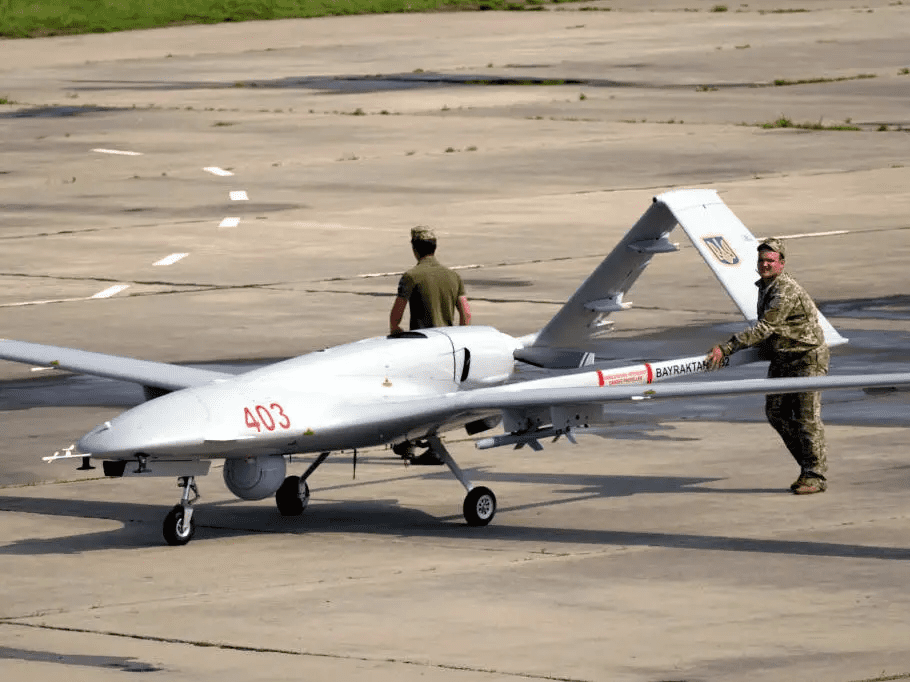
Bayraktar TB2 The most famous and most widely used Turkish drone globally, with a range of about 150 km, used for reconnaissance and precise strikes, and exported to several countries.
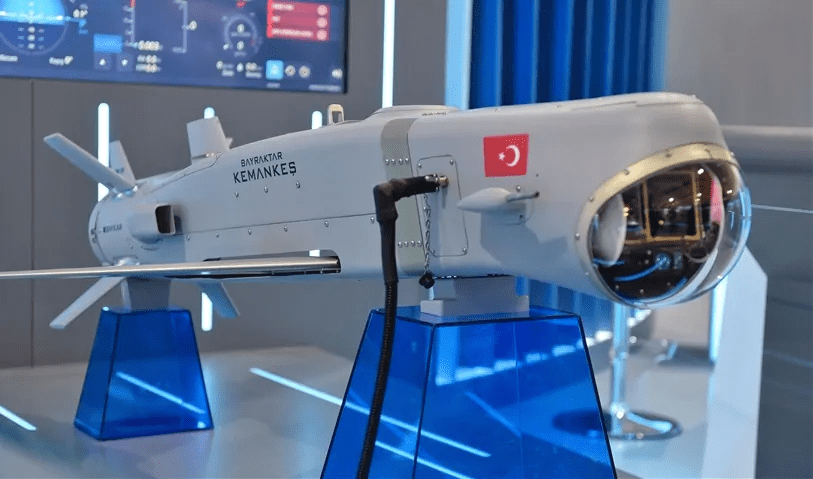
KEMANKES 1 Mini Intelligent Cruise Missile A small smart cruise missile designed for precise strikes against strategic targets, with the ability to fly long distances with advanced guidance.
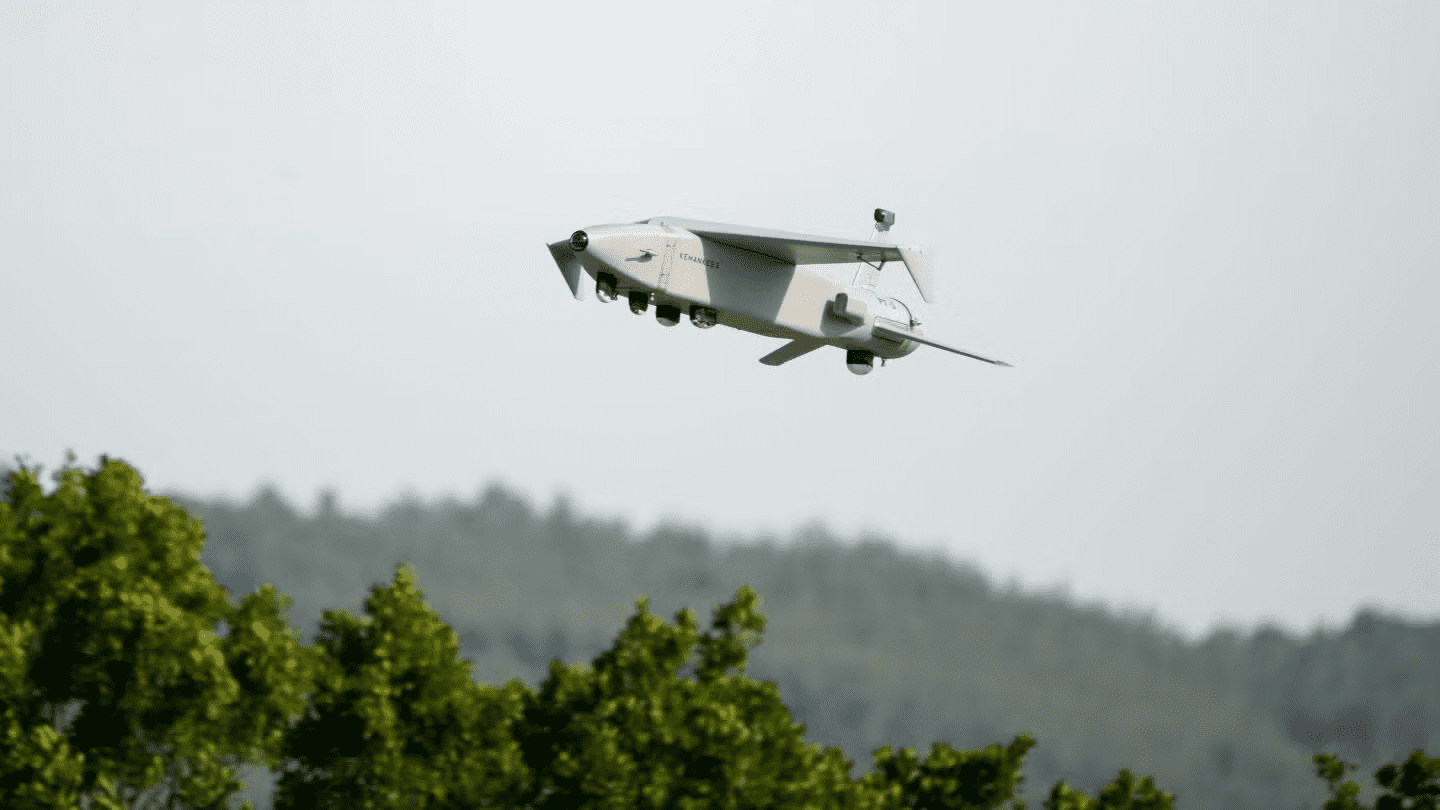
KEMANKES 2 Mini Intelligent Cruise Missile An upgraded version of the KEMANKES 1, with a longer range and greater accuracy, designed for advanced offensive missions against fortified targets.
Bayraktar KALKAN VTOL A vertical take-off and landing drone suitable for tactical missions in rugged terrain, combining the flexibility of vertical aircraft with the efficiency of conventional drones.
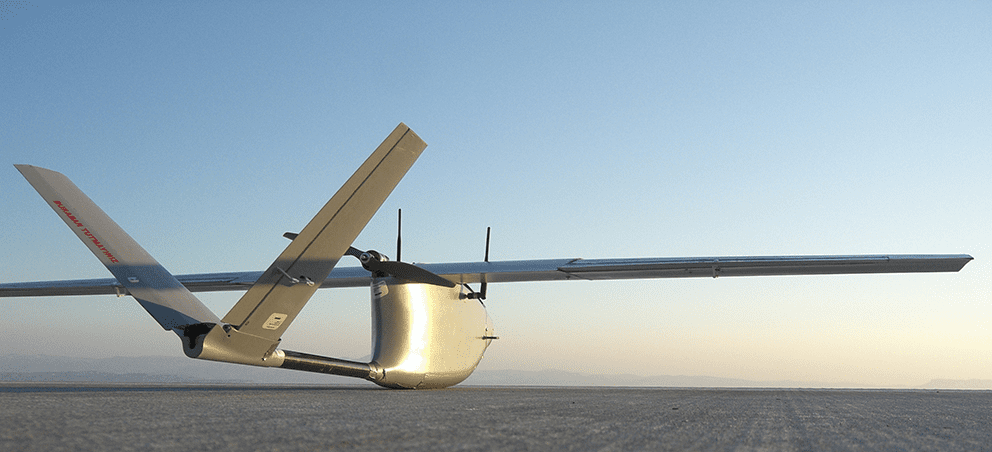
Bayraktar Mini UAV A small drone designed for field reconnaissance and surveillance, easy to use and suitable for quick missions at the level of small units.
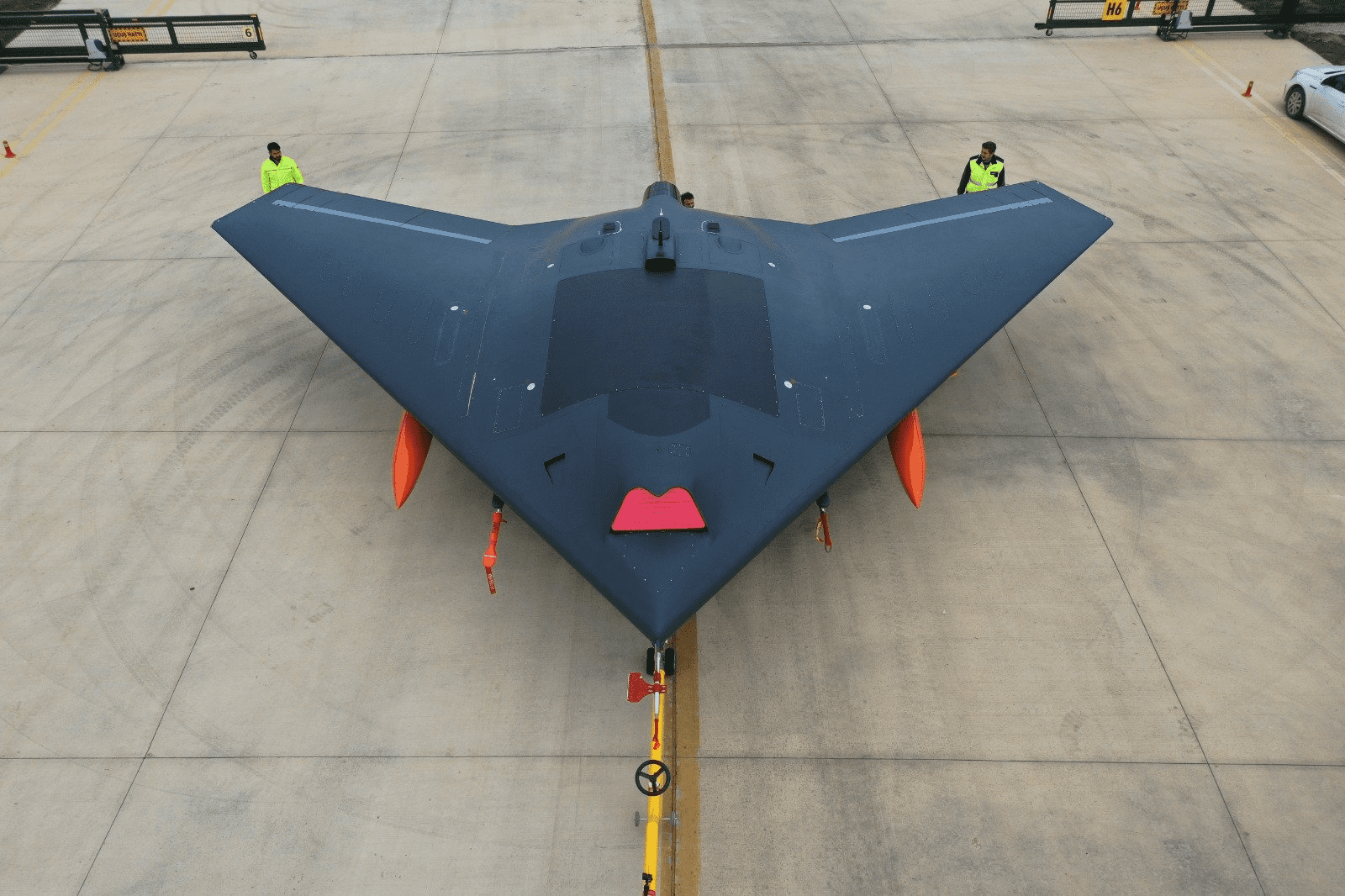
ANKA-3 A stealth drone under development, with the focus on developing stealth technology.
This diversity in Baykar's production reflects a comprehensive strategic vision covering the various needs of defence and offence, from small tactical drones to heavy combat aircraft and smart missiles.
Export
The sale and export of drones has become one of the pillars of Ankara's soft power, as Baykar and other local companies have succeeded in marketing their products to more than thirty countries around the world. The Bayraktar TB2 is the most widespread, having been used in multiple battles and wars and proven its effectiveness, which has made it sought after in markets in Europe, Africa and Asia. This expansion in exports is not limited to the economic dimension, but also strengthens Turkey's strategic influence regionally and internationally.
Iran
Emergence and Development
Iran's first attempts to acquire unmanned aerial vehicles date back to after the revolution that overthrew the Shah, during the Iran–Iraq War. The Quds Aviation Industries Organisation, affiliated with the Islamic Revolutionary Guard Corps, was established in 1985, and among its most important products at that time was the "Mohajer 1" drone, used during the war.
Since then, Iran has succeeded in producing unmanned aircraft with diverse capabilities and missions, including Talash, Ababil, Saeqeh, Yasir and Simorgh.
The most famous Iranian drones that Tehran has unveiled are Karrar, Shahed 129, Fotros, Mohajer 6, Simorgh, Kaman 22 and Ghaza.
Iran relied on reverse engineering of Russian, American, Israeli and Chinese drones (such as the RQ-170). The Islamic Revolutionary Guard Corps possesses one of the largest drone fleets in the region.
Prominent Iranian Drones
The following are the most prominent types possessed by Iran:
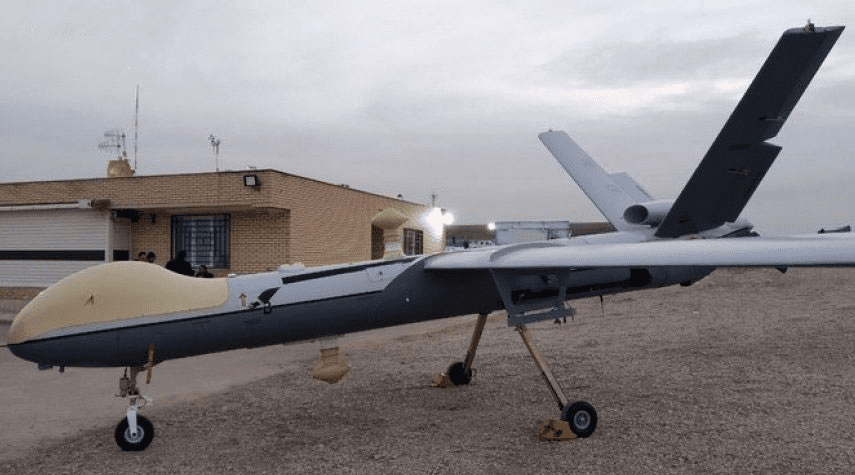
Shahed 129 aircraft, capable of carrying 8 bombs or missiles at the same time
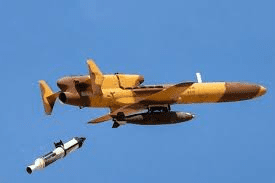
Karrar
It was unveiled in 2010, and 4 generations of it have been produced so far. It is the first Iranian unmanned aircraft equipped with a jet engine and artificial intelligence, capable of flying at an altitude of 25,000 to 40,000 feet depending on the weight of its bombs. Its operational radius ranges from 200 to 1,000 kilometres depending on its direct connection with the original station or its scheduling for a suicide mission. Its speed is about 900 kilometres per hour, and it can carry 500 kilograms of various types of missiles.
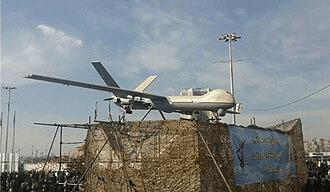
Shahed 129
It is an operations and reconnaissance drone, designed by the Revolutionary Guard and unveiled in September 2013. Its length is 8 metres, its height is 3.1 metres, and its wingspan is 16 metres. It can fly continuously for 24 hours and carry out its missions at a distance of 1,700 kilometres and at an altitude of about 24,000 feet, and it has the capacity to carry 8 bombs or missiles at the same time for fixed and moving targets weighing 100 kilograms, and it can be guided via satellites.
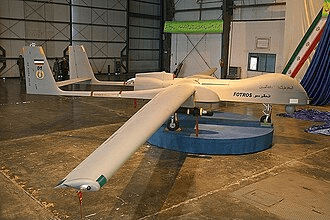
Fotros
Fotros joined the Iranian Air Force in November 2013. It can fly continuously for 30 hours at an altitude of 25,000 feet and at a distance of two thousand kilometres from the control room, at a speed of 250 kilometres per hour. Fotros is 9 metres long, with a wingspan of 16 metres, and can carry two bombs along with 4 anti-tank missiles; its fuel tank capacity is 450 kilograms.
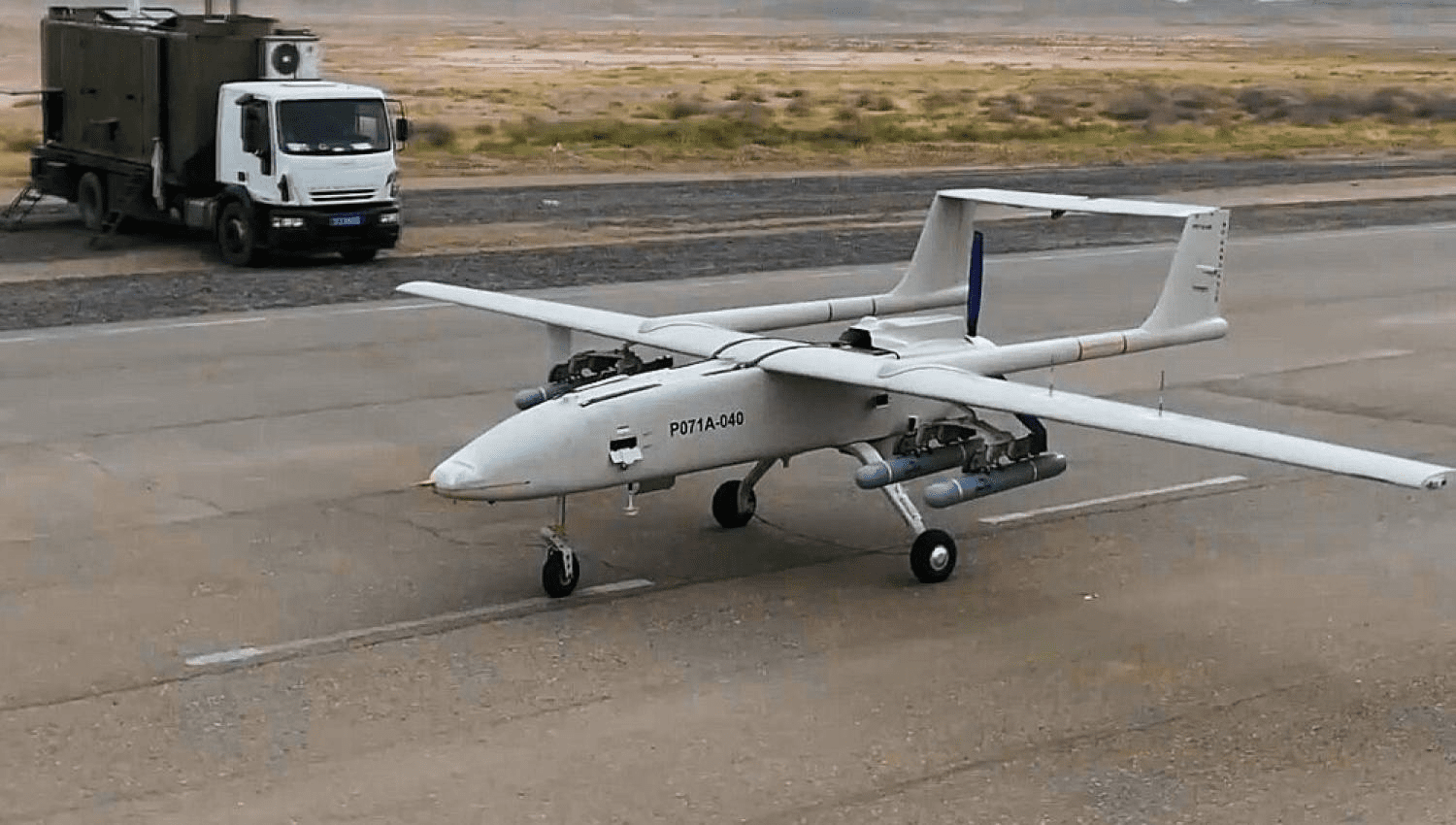
Mohajer 6
Mohajer 6 is the latest member of the Mohajer family of drones. It was first unveiled in March 2017 and used in July 2019. It falls into the category of tactical combat drones, and is used by the Revolutionary Guard and the Iranian army in their operations.
Mohajer 6 has an operational radius of about two thousand kilometres, can carry 40 kilograms of smart bombs, has a speed of about 200 kilometres per hour, can fly continuously for 12 hours at an altitude of 18,000 feet, and carries out various operations against fixed and moving targets.
It also benefits from photoelectric and laser detection systems, infrared detection systems, enemy interception systems and electronic warfare.
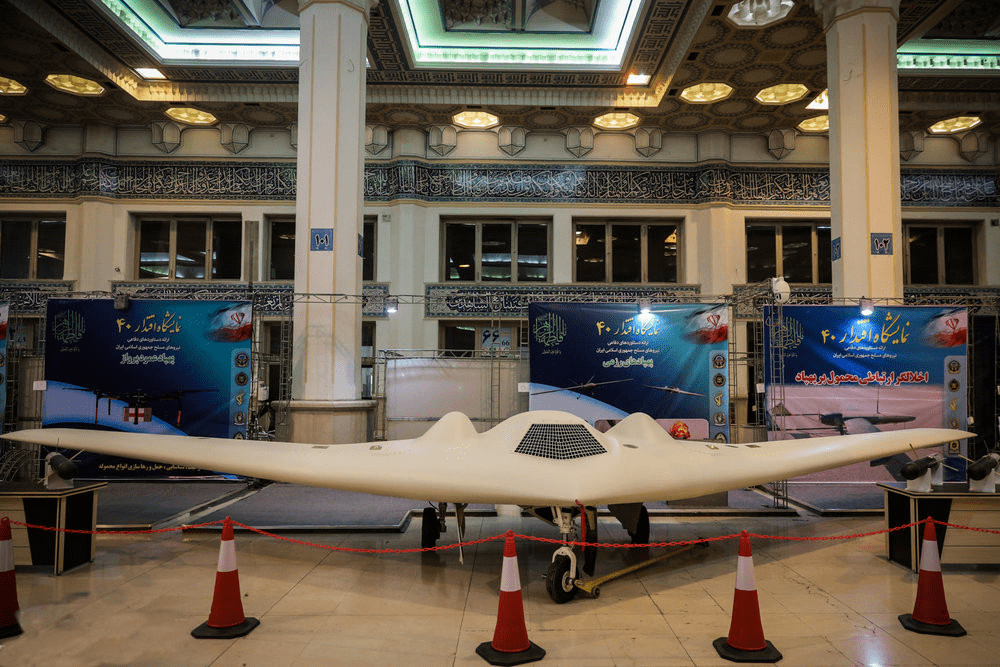
Simorgh or Shahed 171
Simorgh was unveiled in 2017 and was designed based on the American RQ-170 drone, which the Revolutionary Guard seized after it entered the country's airspace in December 2011. This aircraft's operational radius is 2,200 kilometres (i.e. 4,400 kilometres round trip), it can fly to an altitude of 36,000 feet and remain airborne for 10 continuous hours. It is the first time a turbofan engine has been used in Iranian drones. Simorgh is 4.75 metres long, with a wingspan of 13 metres, and its speed is about 460 kilometres per hour. It can take off at a maximum weight of 3,070 kilograms, and it is probably the heaviest Iranian drone (the weight of the missiles it carries was not specified).
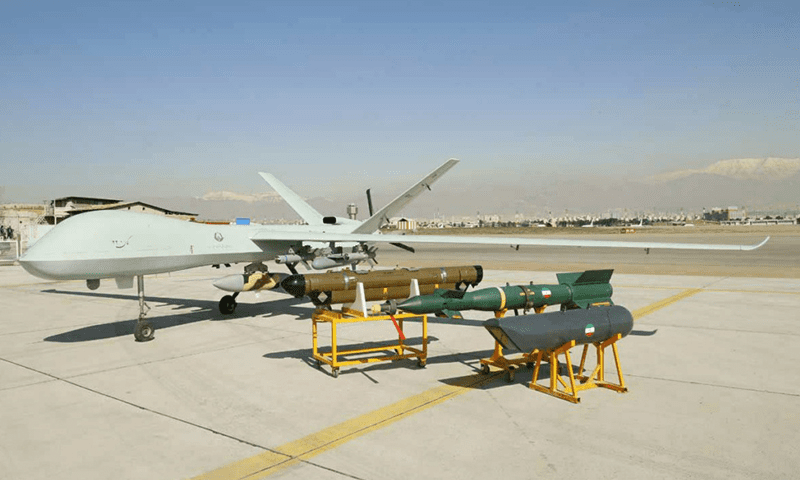
Kaman 22
It is an upgraded version of the Kaman 12, equipped with a combination of reconnaissance systems and electronic warfare technology at the same time. Its precise details have not been announced, and it is currently in the final testing stages before entering service.
At first glance, the Kaman 22 resembles the American MQ-9 Reaper and MQ-1 Predator drones, and it can carry up to 300 kilograms of equipment at 7 points under its wings, and fly for more than 24 hours at a distance of 3,000 kilometres.
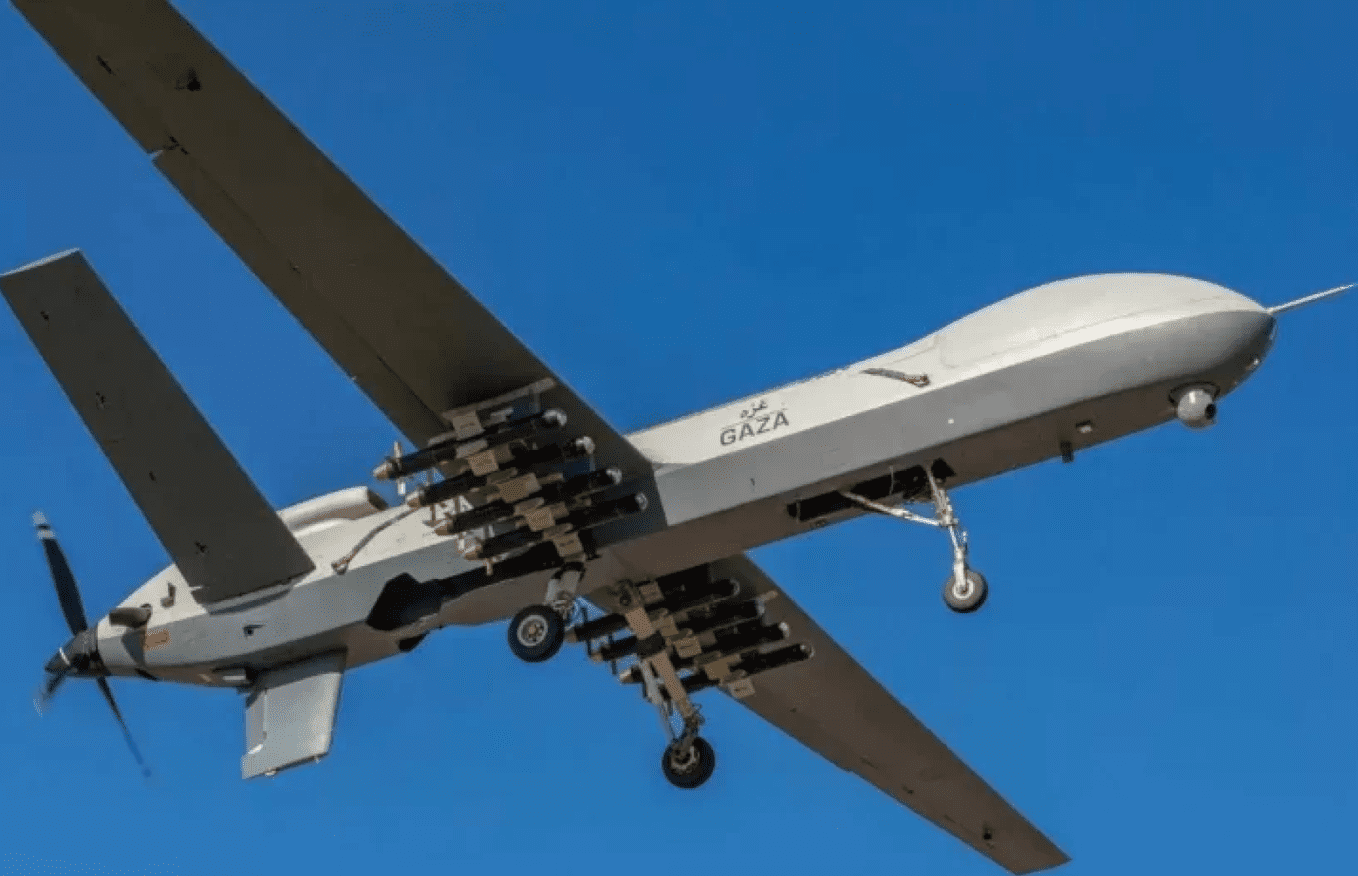
Ghaza or Shahed 149
Its wingspan is 21 metres, and its weight at take-off is 3,100 kilograms. It can fly continuously for 35 hours, at an altitude of 35,000 feet (more than approximately 10 kilometres) and at a speed of 350 kilometres per hour, and is capable of carrying 13 missiles and bombs or electronic equipment weighing 500 kilograms. Ghaza's operational radius will be about two thousand kilometres, and it has a thermal imaging camera and a laser rangefinder.
Export
Iran has made its drones a tool of regional influence through direct export to its proxy militias from the Rafidah militias. Models such as the "Shahed 136" suicide drone and the "Mohajer 6" reached armed militias in Iraq, Yemen, Syria and Lebanon, where they were used in operations in all the wars Iran waged against Muslims on all the arenas and fronts where it was present. These drones contributed, on all the fronts where they were present, to strengthening the arms of the Rafidi entity, which granted it considerable influence extending to four Arab capitals.
The Iranian experience in manufacturing drones represents a clear model of how military technology can be turned into a multi-dimensional strategic tool. From its simple beginnings with basic models up to the advanced stealth drones ", Iran has been able to build a diverse programme that includes combat, suicide and reconnaissance drones. This diversity has not been limited to meeting its defensive needs; it has become a means of strengthening its regional influence and reinforcing what is called the "Shiite Crescent", by supplying its allies and proxies with this technology, which has made drones a key element in the equation of deterrence and military pressure in the region. Accordingly, it can be said that Iran has succeeded in establishing drones as an essential part of its military strategy.
Nascent Islamic Experiments
As previously noted, Arab experiences are almost non-existent. However, the prototype of the Syrian drones used in the battles to liberate Damascus, known as "Shaheen", remains a promising project if it is developed and benefits from successful experiences and expertise in this category of weapons.
The first signs of the use of drones also appeared in the army of the Islamic Emirate in Afghanistan, where they were deployed in a limited manner in reconnaissance and offensive missions, despite the scarcity of available information about the details of this project. Nevertheless, the mere entry of this technology into the field of military operations there is an indicator of the possibility of its expansion in the future.
Accordingly, it can be said that these nascent experiences, despite their late start for several reasons, carry important strategic implications, as they open the door to the possibility of building advanced local programmes in the Islamic world, if political will and technical capabilities are available.
In Conclusion,
It can be said that this series has highlighted, at least partially, the central role of drones in shaping modern balances of power, whether through the advanced experiences of countries such as the United States, China, Israel, Turkey, Pakistan, Iran and Russia, or through the advanced Ukrainian experience, or even through the nascent attempts in Syria and Afghanistan. This diversity reflects that drones are no longer merely a technical weapon, but have become a strategic element that determines the course of conflicts and redraws the boundaries of military and political influence. Hence, the future of warfare in the Islamic world and the world as a whole will remain closely tied to the extent to which states are able to develop this technology or absorb it within their defensive and offensive systems.
At the conclusion of this series, it is important to emphasise that what has been presented is not a specialised study, a military study or an in-depth academic research, but rather a set of reports aimed at simplifying information and shedding light on the world of drones in general, with a review of the most prominent experiences in different countries. The goal was to provide a comprehensive picture that helps the reader understand the major trends and basic developments in this field, without entering into precise technical details or specialised military analyses. The author has no military background or familiarity with this field; this is merely an effort to gather and organise information so that it reaches the reader who wants a general idea of this subject, and the series remains a general introductory entry that opens the door for those who wish to expand and conduct specialised research later. And we ask Almighty God to accept from us and forgive us.


