


The number of people displaced inside Yemen by the recent military escalation has passed 100,000, while thousands more have fled by sea to Djibouti, as fighting continues between the Houthis and Yemeni government forces backed by Saudi Arabia and the humanitarian crisis widens.
The United Nations Refugee Agency (UNHCR) said on Tuesday, 15 September 2026, corresponding to 4 Rabi al-Thani 1448 AH, that more than 100,000 people have been displaced within the country due to renewed fighting, warning that humanitarian operations are facing growing difficulties in reaching those affected.
The agency explained that insecurity, damaged roads, communication outages and restrictions on movement are affecting the ability of humanitarian organisations to carry out their operations and deliver aid to residents.
The new figure marks a rapid rise in displacement estimates within a few days. In a report published by Reuters on 14 September 2026, corresponding to 3 Rabi al-Thani 1448 AH, the number of people who had fled their homes since the beginning of September had exceeded 82,000, before the agency announced that the toll had surpassed the 100,000 mark.
The wave of displacement comes as the Houthis advance along Yemen's western coast and clashes and airstrikes resume, after the country had seen a relative decline in the intensity of fighting in recent years following the truce mediated by the United Nations in 2022.
Thousands Attempt to Flee by Sea
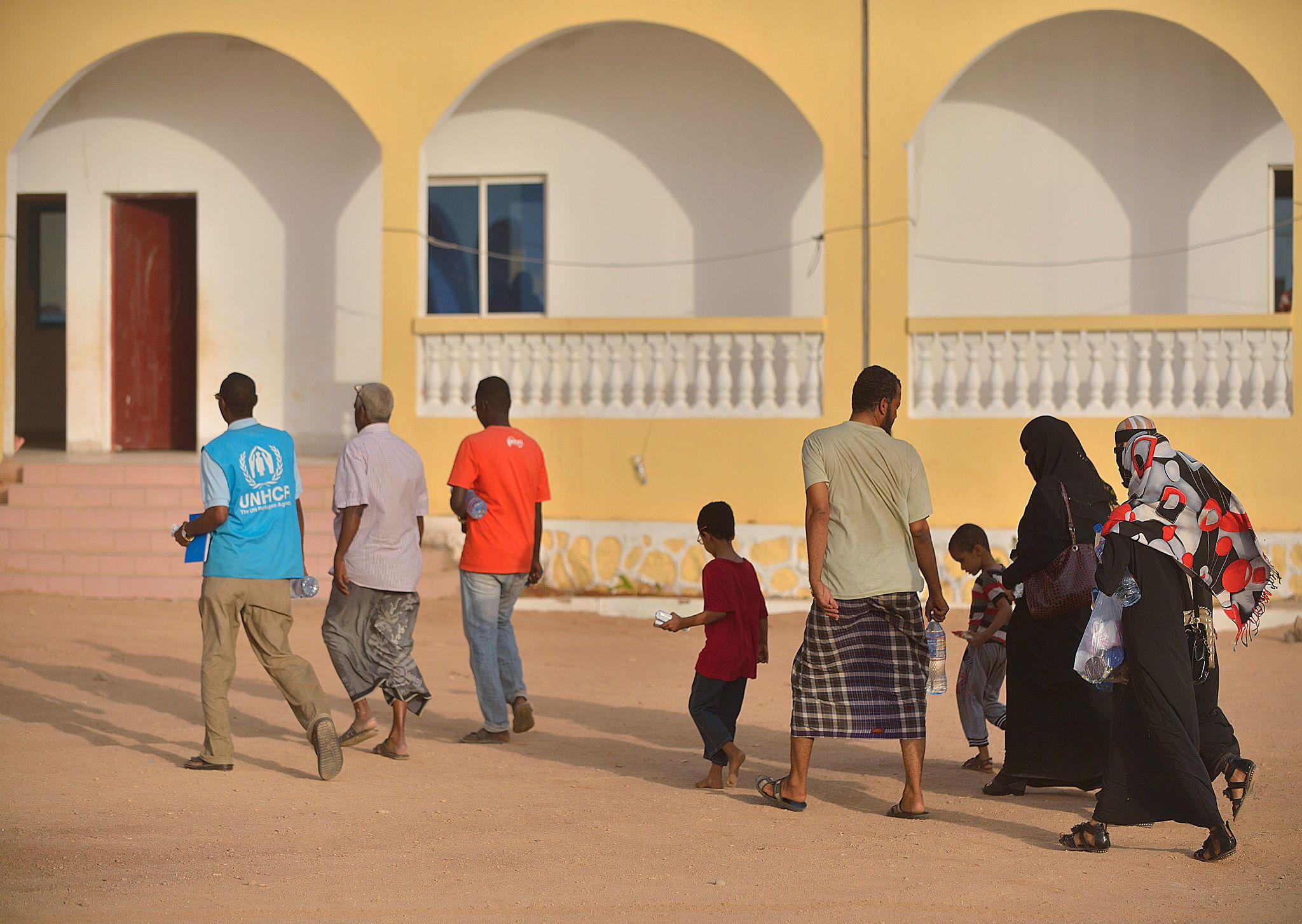
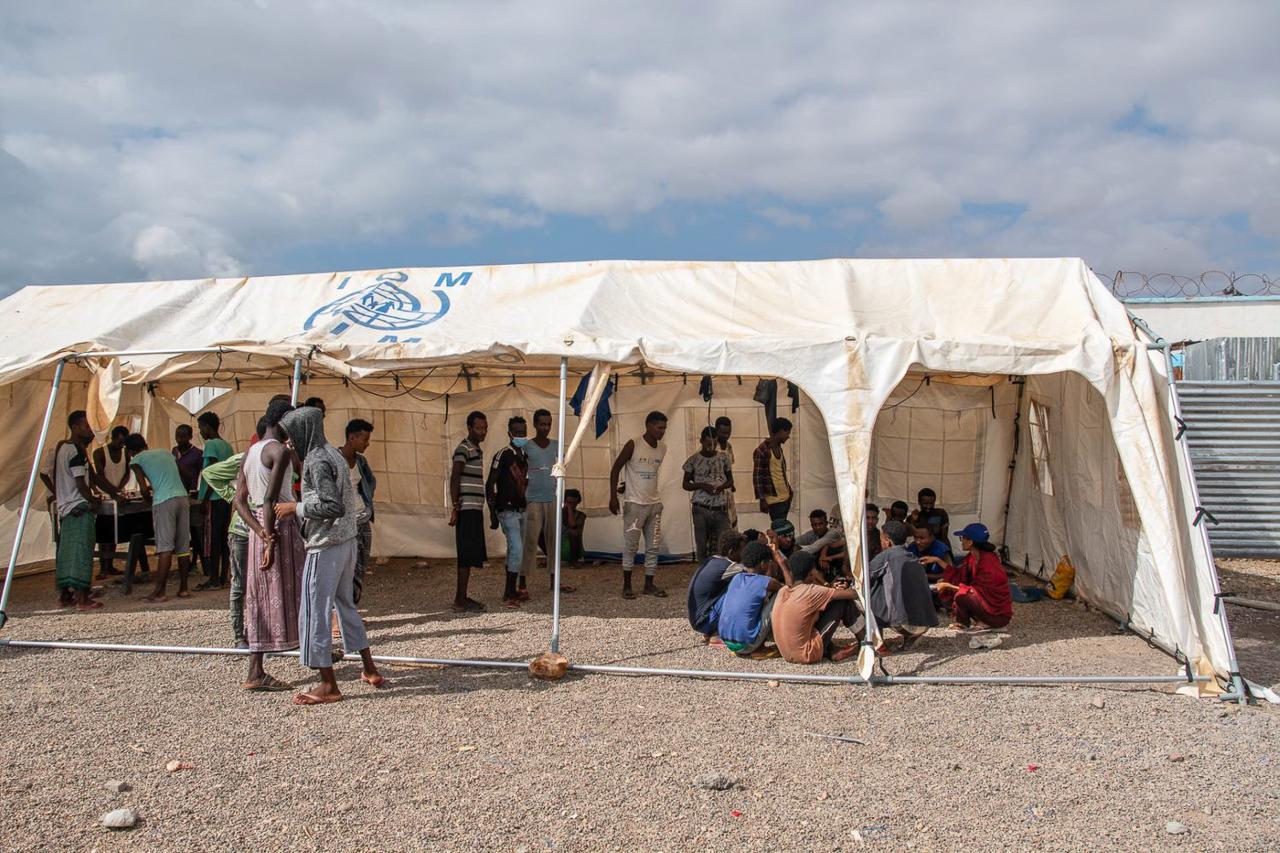
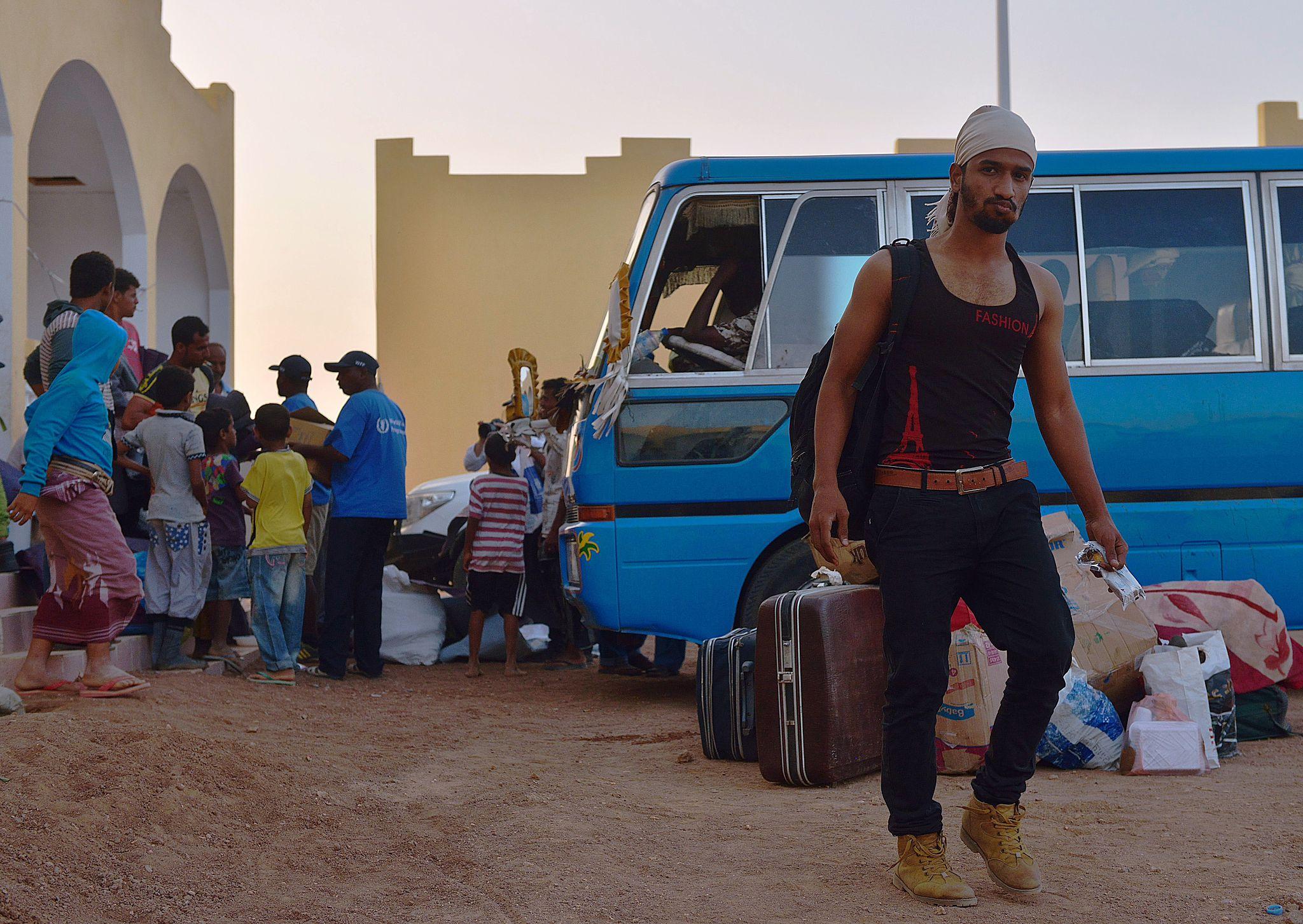
Displacement is no longer limited to within Yemen, as thousands of Yemenis have begun crossing the sea towards Djibouti in search of safety.
The Associated Press reported that more than 2,000 Yemenis have already arrived in Djibouti, while the International Organization for Migration says more people are preparing to make the sea crossing as the escalation continues.
However, a shortage of fuel has become an obstacle for those wishing to leave. The International Organization for Migration's regional director, Franz Celestin, said the fuel shortage has led to disruptions in crossing operations, expecting the number of those fleeing to rise once fuel becomes available again.
The displacement towards Djibouti raises concerns about the ability of receiving areas to absorb more arrivals, given the need for shelter, water, sanitation, educational services and other basic necessities.
Saudi Arabia Announces Interception of Drone South of Mecca
As the humanitarian crisis deepens, the confrontation has also expanded across the border. Saudi Arabia announced the interception and destruction of a drone south of Mecca before it entered the airspace restricted around the city.
The spokesperson for the Saudi-led coalition, Turki al-Maliki, said the security of Mecca represents a "red line" and accused the Houthis of attempting to target the city. The Houthis, for their part, denied that Mecca or religious sites were their target. The intended target of the drone could not be independently verified.
The incident comes amid a rise in Houthi attacks towards Saudi Arabia in recent days, alongside airstrikes targeting the group's positions in Yemen.
As fighting continues, international organisations warn of a deepening humanitarian crisis in a country already suffering the effects of more than a decade of war, with the new wave of displacement becoming one of the most prominent humanitarian consequences of the latest escalation.


