


- The second-largest religion in the world: The number of Muslims is estimated at about 2.06 billion in 2026, forming more than 25% of the world's population.
- Converts have become a key driver: Most new Muslims are young, which helps the spread of Islam.
- Expansion into non-traditional regions: Europe, the Americas and Africa are witnessing significant growth in the number of Muslims, despite large-scale missionary campaigns on these continents.
Islam is experiencing exceptional growth worldwide, confirming its standing as the second-largest religion in terms of number of followers, and it is likely to become the largest religion within a few years according to the annually "announced" growing figures. The latest estimates through 2026 indicate that the number of Muslims has reached around 2.06 billion people, equivalent to more than a quarter of the planet's population. These figures have prompted many research centres to reconsider their earlier forecasts about the future of religions, especially as the numerical gap between Islam and the other major religions continues to narrow year after year.
Islam at the Heart of Global Transformations
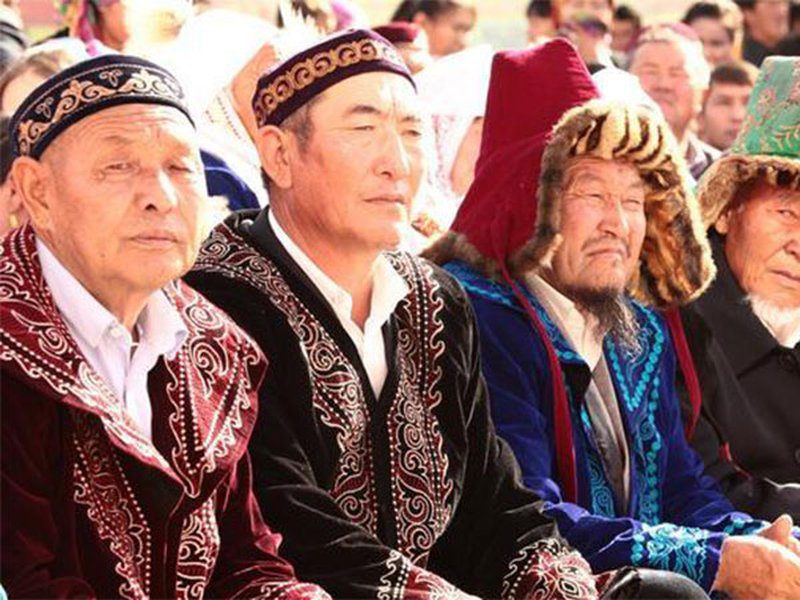
Over past decades, many observers tended to view Islam as a religion centred in the Middle East or the Arab world. Current figures, however, reveal a markedly different picture: more than 60% of Muslims live in Asia and the Pacific, while countries such as Indonesia, Pakistan and India host the largest Muslim populations in the world. The African continent is also witnessing steady growth in the number of Muslims, while Muslim communities in Europe and North America are increasing at a noticeable pace.
Figures That Break Stereotypes
International data indicate that Muslims represent more than 25% of the world's population, and many demographic studies expect this growth to continue in the coming decades. Countries that stand out include:
- Indonesia, with more than 242 million Muslims.
- Pakistan, with more than 240 million Muslims.
- India, with approximately 200 million Muslims.
These are clear examples of the wide geographical spread of Islam beyond the Arab world.
Europe: Islam Asserts an Increasing Presence
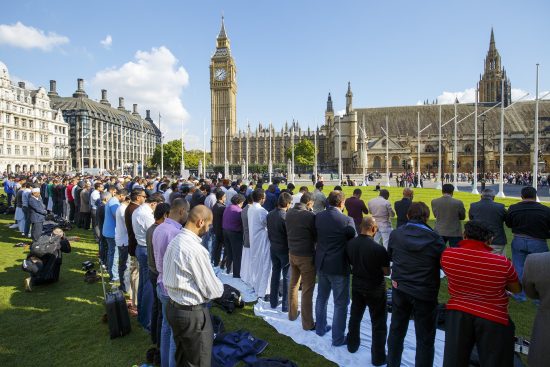
Europe may be one of the most compelling arenas for studying the spread of Islam. Despite decades of political and media debate about identity, migration and integration, the number of Muslims on the European continent has continued to rise noticeably.
France has the largest Muslim population in Western Europe, followed by Germany and the United Kingdom, while other countries such as Sweden, Belgium, the Netherlands, Italy and Spain are witnessing steady growth in the number of Muslims, mosques and Islamic institutions.
The Muslim presence in Europe is no longer limited to migrants; it has become part of the social and cultural fabric of the continent, with new generations of European Muslims who were born and raised within Western societies and hold their national and cultural identities.
A number of researchers believe that Islam has become the most prominent and influential of the rising religions in Europe in recent decades, particularly as most of its adherents are young.
The United States and Canada: Growing Interest in Islam
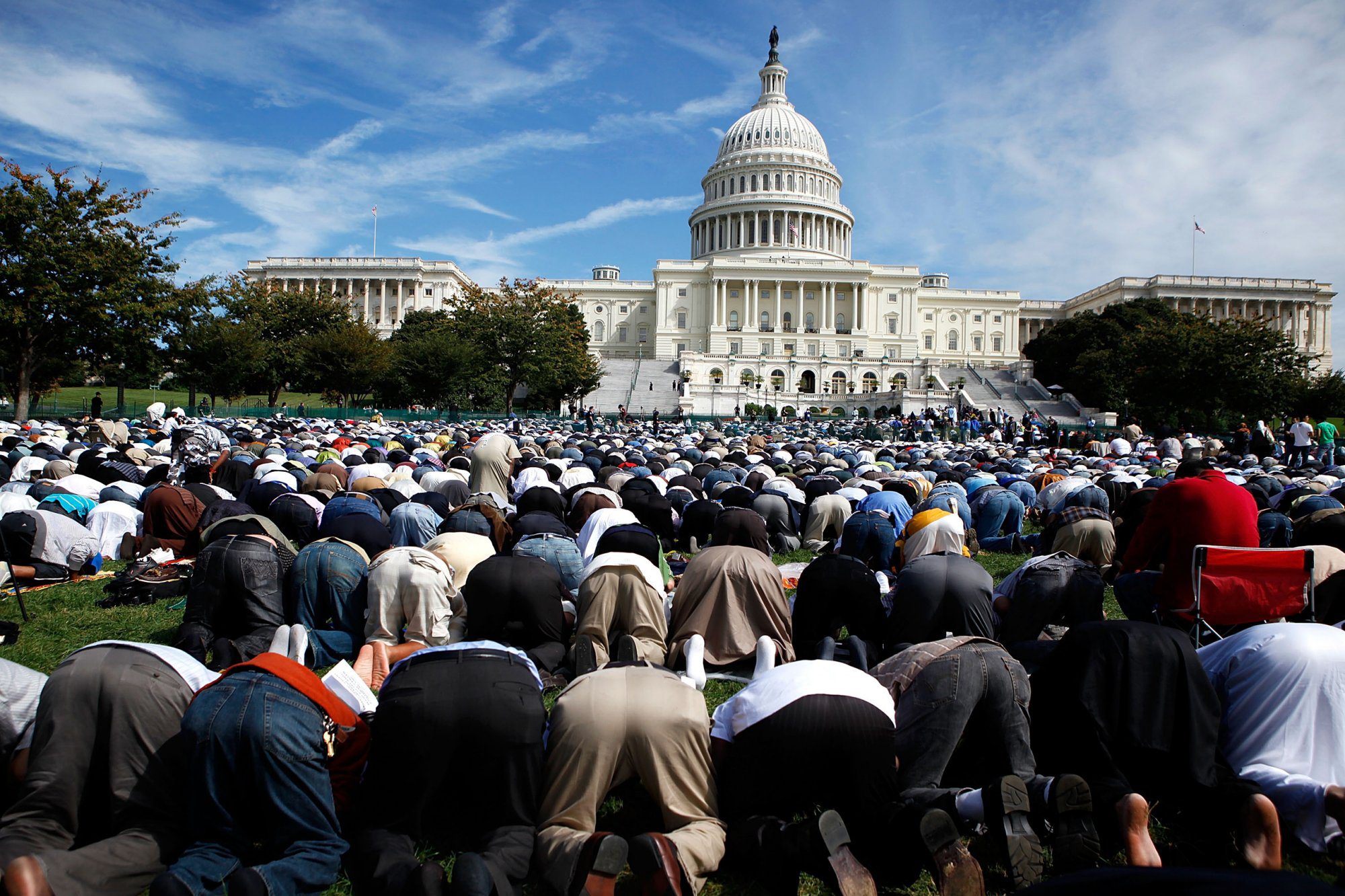
In North America, social studies reveal growing interest in Islam among different segments of society. Researchers point out that part of this interest is linked to the desire of many individuals to find a coherent spiritual and moral framework in a world where existential questions are increasing and traditional reference points are weakening.
Several surveys have also shown that a considerable proportion of Muslims in the United States are converts to Islam, coming from diverse ethnic and cultural backgrounds.
Africa: Islam at the Centre of Major Transformations
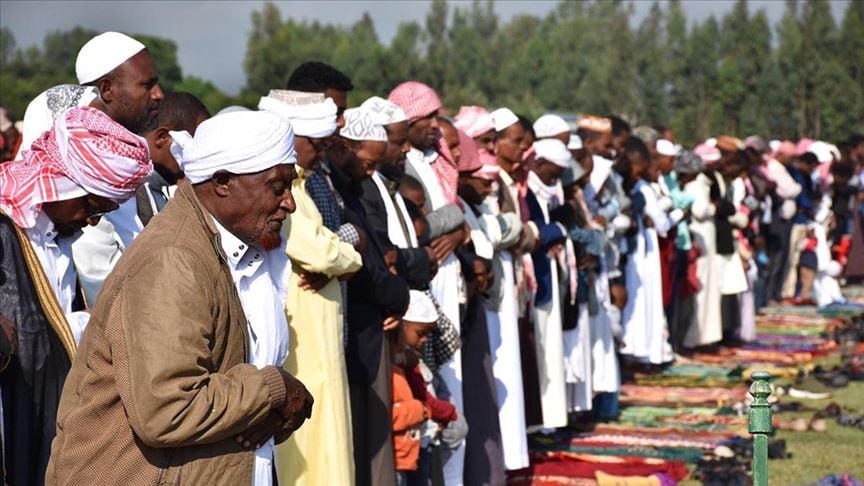
Africa is one of the most important arenas of Islamic growth in the world. Statistical studies indicate that from Nigeria, Senegal, Mali, Niger and Chad to East Africa, Muslim communities are continuously expanding.
Researchers note that Islam in Africa has a great capacity to integrate with local cultures without losing its fundamental principles, which historically helped it spread and endure over many centuries.
Islamic educational and charitable institutions have also played a prominent role in consolidating the Islamic presence in many African societies.
Asia: The Largest Stronghold of Islam
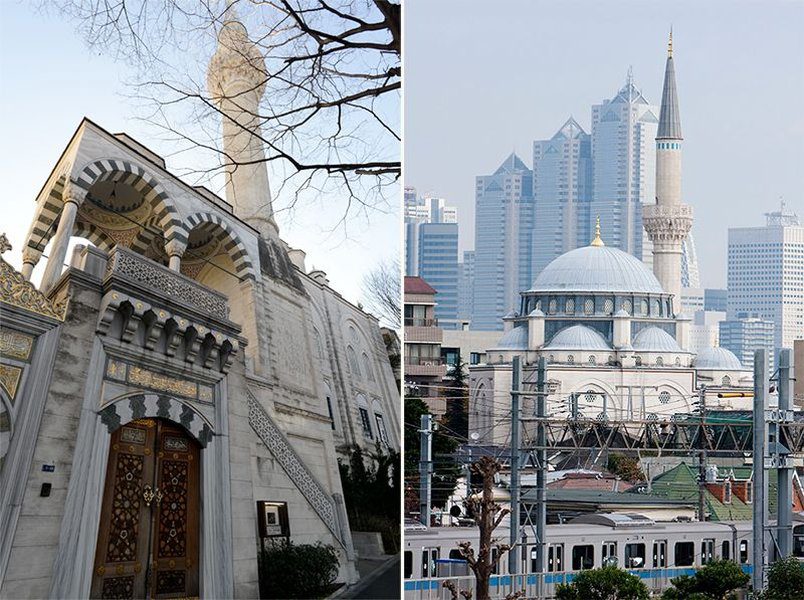
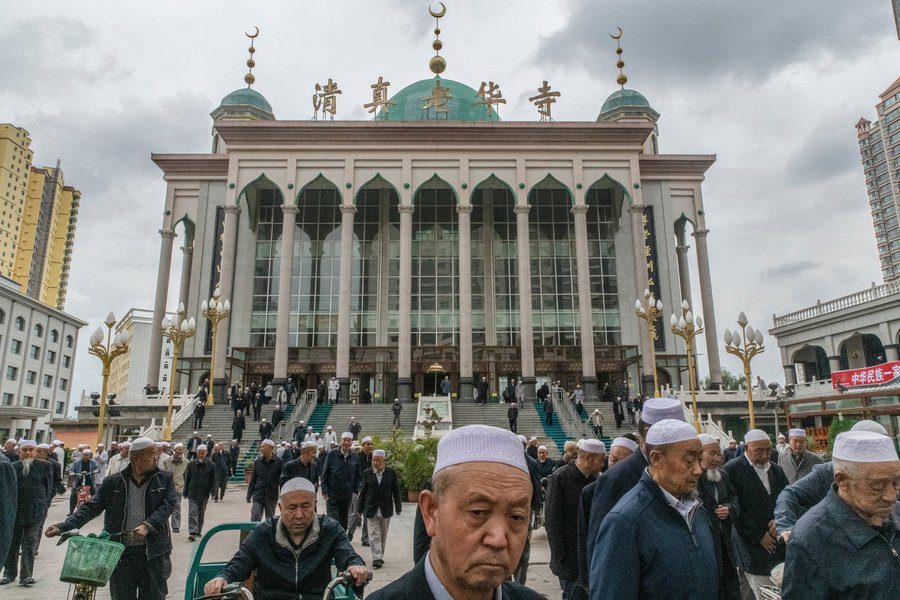
Asia remains the beating heart of the Muslim world. Alongside the major Muslim-majority countries, Islam has a growing presence in countries where Muslims are not the majority, such as China, Japan, South Korea, the Philippines and Thailand.
In Japan in particular, interest in Islam has increased in recent years, and the number of Islamic centres and mosques has risen markedly compared with previous decades.
In China, despite various challenges, Muslims still constitute an important part of the country's historical and cultural fabric, and their presence dates back many centuries of commercial and civilisational interaction.
Australia and New Zealand: A Presence Quietly Growing
Away from the spotlight, Australia and New Zealand are witnessing continuous growth in the number of Muslims. Migration, cultural exchange and academic openness have helped strengthen the Islamic presence in both countries.
Mosques and Islamic centres have become a familiar part of the urban landscape in major cities such as Sydney, Melbourne and Auckland.
Why Does Islam Attract Millions?
When examining the reasons many people become interested in Islam, a set of intellectual and spiritual factors emerges, recurring in the testimonies of a large number of new Muslims.
Many researchers believe that Islam is distinguished by its ability to address various social and cultural groups, from academics and thinkers to workers and students, and those seeking spiritual meaning.
Missionary and Defamation Campaigns: Did They Achieve Their Goals?
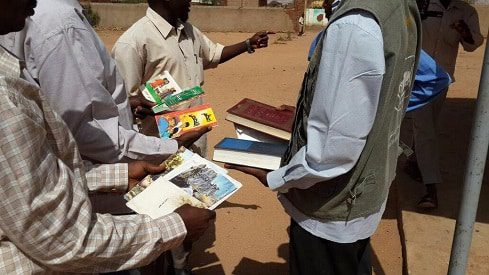
Over long decades, missionary and media institutions around the world have spent billions of dollars on preaching, media and cultural activities targeting different societies.
The world has also witnessed repeated waves of media campaigns that presented negative images of Islam and Muslims, particularly after major political and security events.
Yet the paradox that draws researchers' attention is that these campaigns did not succeed in halting the spread of Islam globally. Some studies indicate that the rising controversy surrounding Islam has, in many cases, increased people's interest in learning about it from its original sources, which led some of them to embrace it after research and reading.
This phenomenon is particularly evident in Europe and North America, where the intellectual curiosity of many individuals turned into a journey of inquiry that ended with a closer acquaintance with Islam.
Islam and the Future of the World
Looking at current trends, it is clear that Islam will continue to strengthen its global presence in the coming decades. It has a strong presence on the most populous continents, a wide geographical spread, and a human base extending across hundreds of peoples, cultures and languages.
The rise of Muslim societies in education, economy, technology and media also gives this presence dimensions that go beyond mere population numbers. Many experts expect that understanding Islam and Muslim societies will become one of the essential keys to understanding global transformations in the twenty-first century. Modern demographic figures and trends show that Islam continues to consolidate its position as one of the largest religious and cultural forces in the world: from Asia to Africa, and from Europe to the Americas and Australia, the number of Muslims is increasing and the Islamic presence is expanding across various fields.
Despite smear campaigns and vast spending on counter-missionary activities, the pace of Islam's spread has not stopped; it has continued to record a growing presence on the global level. What gives Islam this capacity for endurance is its universal nature and its intellectual and moral messages, in which many people find answers to their existential and spiritual questions.


