


Dengue fever is worsening inside Rohingya refugee camps in the Cox's Bazar district of southeastern Bangladesh, with more than 2,500 cases and six deaths recorded since the beginning of the year. Health warnings say overcrowding and poor drainage are helping the disease keep spreading.
According to the latest data from the Office of the Civil Surgeon in Cox's Bazar, published on Tuesday, 15 September 2026, corresponding to 4 Rabi al-Akhir 1448 AH, the number of dengue cases recorded across the district since the start of the year reached 3,879, of which 2,510 were among Rohingya refugees living in the camps.
The figures show that the Rohingya account for about two-thirds of the total cases recorded in Cox's Bazar, while six deaths have been recorded among Rohingya refugees. Earlier data from the Office of the Civil Surgeon indicates that five of the deceased died while receiving treatment in health facilities inside the camps, while the sixth died at Cox's Bazar Government Hospital.
Overcrowding and Stagnant Water
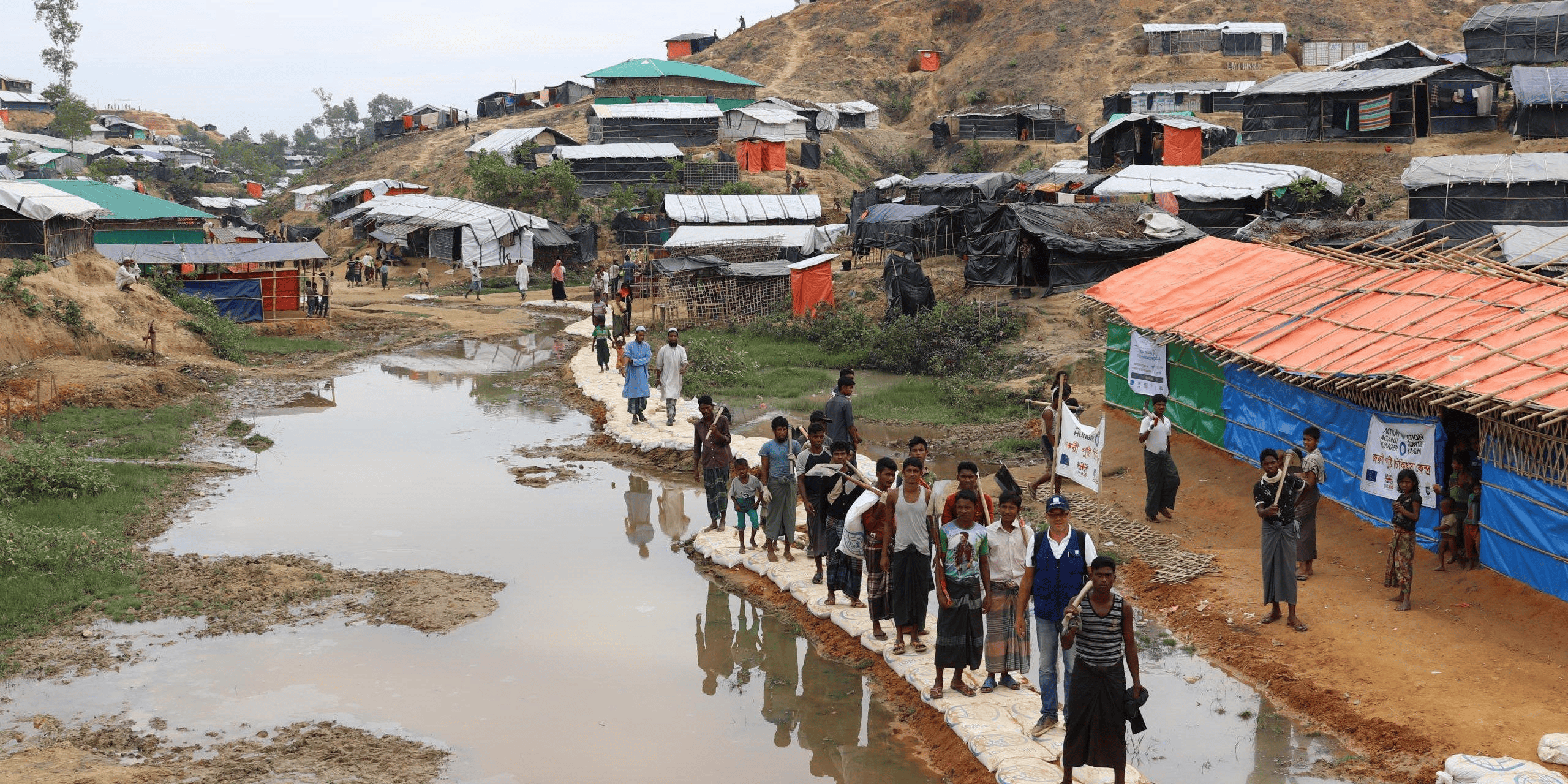
Cases are spreading across 36 Rohingya camps in Ukhiya and Teknaf, areas with very dense populations, closely packed shelters and limited infrastructure.
The Civil Surgeon of Cox's Bazar, Dr. Mohammad Sabbir, said that high population density, weak drainage networks and stagnant rainwater during the monsoon season have created a suitable environment for the breeding of the "Aedes" mosquito, which transmits dengue fever.
The health official warned that overcrowded conditions inside the camps make it more difficult to control the spread of the disease, at a time when cases among the local population have begun to show signs of decline, while the spread of the disease among refugees remains a source of concern.
The figures reveal a slight but continuing increase: a report issued on 13 September 2026, corresponding to 2 Rabi al-Akhir 1448 AH, recorded 2,507 cases among the Rohingya, before the number rose in data from 14 September to 2,510 cases.
A Health Crisis Inside Crowded Camps
The dengue wave comes as the Rohingya face difficult humanitarian conditions inside the Cox's Bazar camps, where overcrowding, limited infrastructure, and water and sanitation services increase the risk of disease spread.
Bangladesh's Ministry of Health data confirms that health services continue to be provided to refugees inside the camps; however, the large population and the presence of broad groups with special health needs place ongoing pressure on the healthcare system.
As the monsoon season draws to a close, dengue transmission among the Rohingya has not declined at the same pace recorded among some local residents, which keeps the camps facing an additional health challenge alongside crises in food, shelter, water and essential services.


