


Authorities in the Jammu and Kashmir region demolished between 10 and 12 shelters and structures in the Rahim Nagar area on the outskirts of the city of Jammu on Saturday, 3 October 2026, corresponding to 22 Rabi al-Akhir 1448 AH, most of which were used by Rohingya Muslim families, as part of a campaign that the authorities said targets encroachments on forest land.
The operation was carried out in the Rahim Nagar area, located within the Raika forest range, with the participation of the Forest Department, the Forest Protection Force, the Revenue Department and the police. Officials said the structures had been built illegally on forest land, and that the campaign aims to remove encroachments and does not target any particular group.
However, accounts from those affected differed regarding prior notice. One resident whose home was demolished said he had received no advance notice, and that demolition teams arrived early in the morning and gave residents limited time to remove their belongings. By contrast, an official in the Forest Department said the occupants had been warned twice over roughly two weeks before the operation was carried out, while the newspaper Amar Ujala reported that the authorities had asked them to vacate the land about ten days earlier.
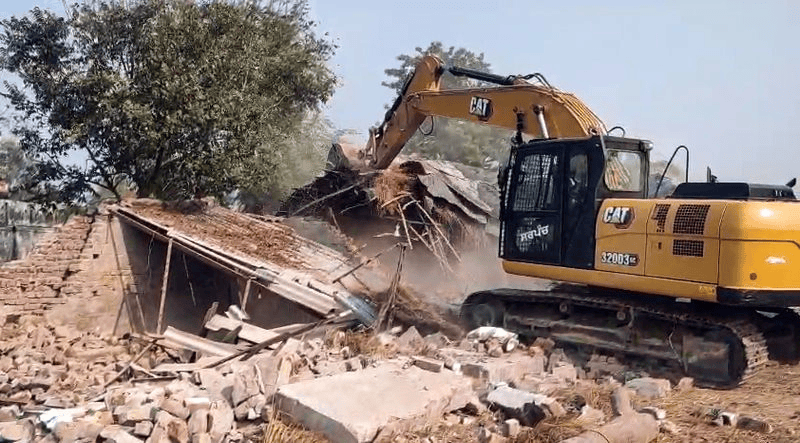
Local reports said that some of the families living in the demolished structures were Rohingya who had fled Myanmar, while other sources reported that among those affected was also a local resident of Jammu. No precise official tally has yet been published of the number of family members who lost their shelter as a result of the operation.
The Rahim Nagar campaign follows by a few weeks another eviction operation that affected Rohingya settlements in the Narwal area of Jammu. Families there had begun dismantling their temporary homes in mid-September after the authorities ordered landowners to remove and vacate the structures. Field reports showed families gathering their belongings and leaving areas where they had lived for years, amid uncertainty over where they would move.
Jammu has for years been one of the main areas where Rohingya refugees gather in India. Many arrived there after fleeing persecution and violence in Myanmar, and some have lived in temporary settlements for more than a decade. Indian authorities say the presence of the Rohingya is subject to immigration laws and that some settlements were built on land illegally, while refugee families face the risk of losing their shelter, detention and deportation. In 2021, authorities detained more than 150 Rohingya in Jammu in preparation for deportation proceedings, according to Reuters.
The demolition of homes comes at a time when the Rohingya crisis is worsening regionally: hundreds of thousands of them still live outside Myanmar after fleeing successive waves of violence in Rakhine State, while reports of new displacement and abuses inside the state continue.
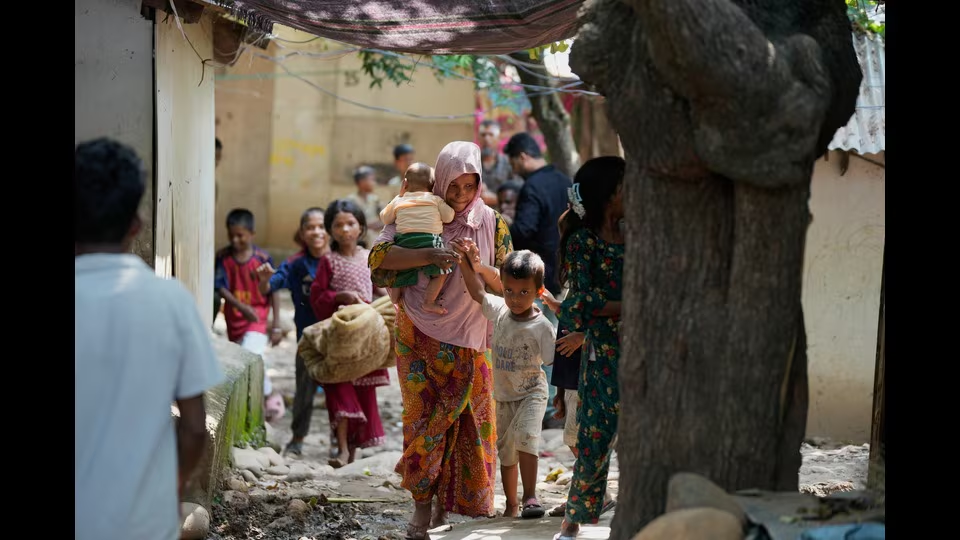
While authorities in Jammu maintain that the latest operation is part of a campaign to remove encroachments on forest land, the affected families say the loss of their homes leaves them facing an uncertain fate, given the limited alternatives available to Rohingya refugees in India.


