


The International Organization for Migration (IOM) of the United Nations announced that more than 180 migrants are missing and are feared to have died in recent shipwrecks in the Mediterranean Sea. With this, the estimated number of victims in the Mediterranean has risen to nearly 1,000 since the beginning of 2026.
It is believed that at least 990 people have died on all migration routes across the Mediterranean since the start of the year, with the central Mediterranean being the deadliest, where 765 people are believed to have died on this route.
Other humanitarian organisations believe the toll may already have exceeded 1,000, as it is not known how many people may have set out earlier in the year after Storm Harry caused widespread destruction across the Mediterranean basin. The appearance of dozens of bodies, believed to be those of migrants, on the shores of southern Italy and parts of the North African coast suggests that entire boats may have capsized before anyone could request help.
The Director General of the International Organization for Migration, Amy Pope, said: "These tragedies show once again that far too many people are still risking their lives on dangerous routes. Saving lives must be the top priority. But we also need stronger, united efforts to stop smugglers and traffickers from exploiting vulnerable people, and to expand safe and regular pathways, so that no one is forced to undertake these deadly journeys."
Latest shipwrecks
It is believed that more than 80 migrants are missing after a boat capsized in the central Mediterranean on 5 April. The boat had left Tajoura in Libya with about 120 people on board but, after water seeped into it in stormy weather, it capsized.
A commercial vessel and a tugboat rescued 32 survivors, who were later taken to Lampedusa by the Italian Coast Guard. Two bodies were also recovered from the wreckage. A press release issued by the International Organization for Migration on 7 April stated that its teams are providing assistance to the survivors on the ground.
Last week, Italian rescue teams found 19 bodies aboard a drifting vessel near the island of Lampedusa. The 58 survivors on that vessel, including women and children, were reported to be in critical condition.
Many members of this group left the island of Lampedusa on a ferry earlier this week, heading to mainland Italy. Angela Caponetto, chief correspondent of the Italian public broadcaster RAI and author of a book about migrants, posted a video of their departure on her page on X.
The survivors said they had spent at least three days at sea, drifting after their boat's engine failed. Their food supplies also ran out and weather conditions deteriorated during their journey.
Eastern Mediterranean: on the same day last week, at least 19 migrants died in the Aegean Sea, between Bodrum in Turkey and the Greek islands. Most of those on board the boat were reportedly originally from Afghanistan. Others were rescued and returned to Turkey.
On 28 March, at least 22 people died off the island of Crete after leaving eastern Libya, and the sinking of a vessel near Sfax in Tunisia on 30 March resulted in 19 confirmed deaths and about 20 people missing.
Britain and France extend border security agreement for two months amid stalled negotiations
Fewer arrivals as the death toll rises
Despite the rising number of victims on migration routes across the Mediterranean, arrivals have fallen sharply this year.
According to Italian government data, only 6,524 migrants arrived in Italy by sea between 1 January and the morning of 8 April. Last year, the figure for the same period was 11,419 migrants, and 15,644 migrants in 2024.
The majority of those arriving by sea in Italy are citizens of Bangladesh (1,779), followed by citizens of Somalia (900), Pakistan (693) and Sudan (643). The number of unaccompanied minors arriving by sea has also fallen this year. Since the beginning of January, only 1,321 minors have been recorded as arriving, compared with 12,177 minors in the same period last year and 8,752 in 2024.
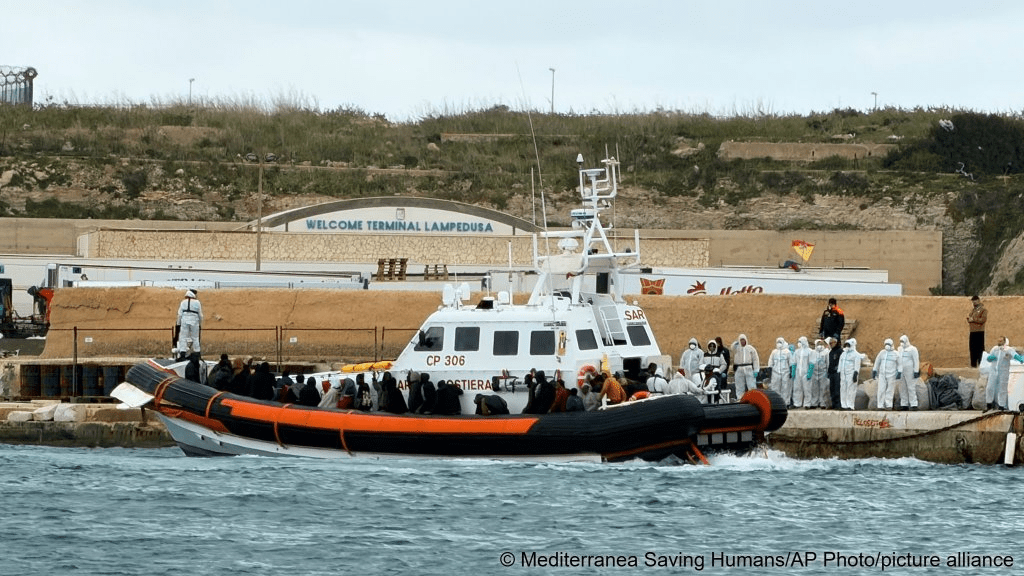
An Italian Coast Guard rescue boat docked at a port on the island of Lampedusa, southern Italy.
On 1 April 2026, an Italian Coast Guard rescue boat landed survivors and bodies recovered from a rubber boat about 80 nautical miles from the Italian island of Lampedusa.
In the early hours of 8 April, 163 migrants arrived aboard six small boats from Libya and Tunisia, according to the local Sicilian newspaper "Il Siciliano"?
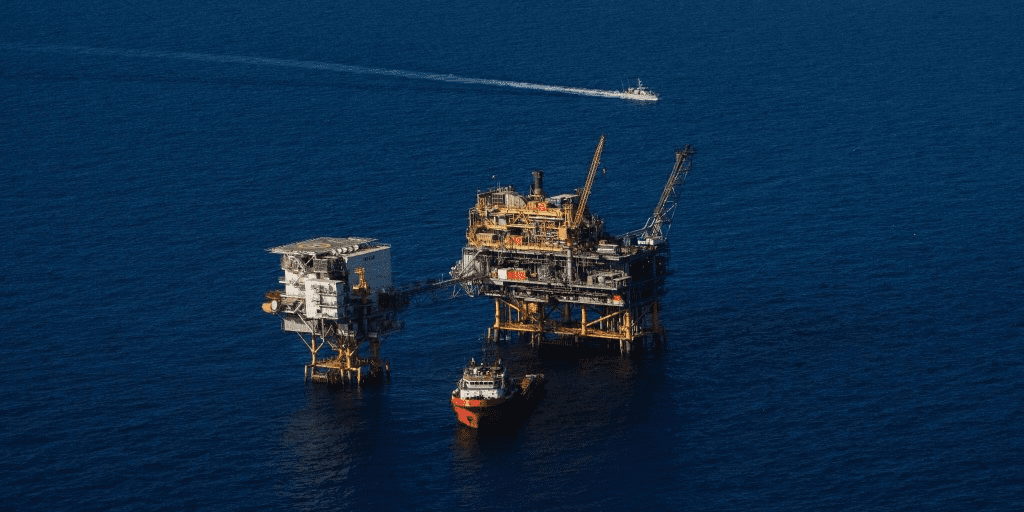
The rescue ship "Aurora", operated by the civil sea rescue organisation "Sea-Watch", today evacuated 41 people from the supply vessel "Maridive 208". These people had been stranded at sea for six days. Government authorities refused to provide timely assistance for several days. Seven people remain missing after falling from the stricken vessel.
Julia Massmer, spokesperson for Sea-Watch, said: "While hundreds of migrants drown in the Mediterranean, the Italian government is blocking the ships that could have rescued them. 44 people sat for five days on an oil platform in the Mediterranean, and no European state has come forward to help them."
Massmer then criticised the German government, saying that "its silence has allowed these policies to continue. Anyone who criminalises sea rescue is making a deliberate decision against human lives."
Sea-Watch criticised the Italian government's justification for the detention and posted about the matter on X.
In German, the Sea-Watch crew posted on 7 April: "Italy is detaining us without any legal basis. They say we should have informed the Libyan military of our operations. But we ask: why would we report to these militias while they mistreat people in transit and, in some cases, kidnap and torture them?"
Sea-Watch and other similar rescue organisations consistently maintain that they do not regard the Libyan authorities or the Libyan Coast Guard as legitimate actors in rescue operations, given their repeated violations of human rights law. They add that several Italian courts have ruled in their favour and confirmed the validity of this position.
(InfoMigrants with Associated Press, Agence France-Presse)


