


Two US soldiers and a civilian interpreter were killed in an attack that targeted a convoy of US and Syrian forces before the attacker was killed.
The Syrian Ministry of Interior described the attacker as a member of the Syrian security forces suspected of sympathising with the Islamic State group.
A official statement from the Syrian Ministry of Interior stated: "On Saturday, 13-12-2025, during a meeting attended by officials from the Badia security command with a delegation from the International Coalition forces to discuss mechanisms for combating the ISIS terrorist organisation, a person belonging to the ISIS terrorist organisation infiltrated the meeting site."
Syrian Ministry of Interior spokesman Nour al-Din al-Baba said that "this perpetrator was assessed on the 10th of the current month as possibly holding takfiri or extremist ideas," and said that a decision regarding him was to be issued on Sunday.
No official statement has yet been issued on the identity and name of the attacker. The Syrian Ministry of Interior announced that its units in Palmyra carried out an operation in coordination with the "International Coalition forces" that resulted in the arrest of five suspects, who "were immediately referred for interrogation."
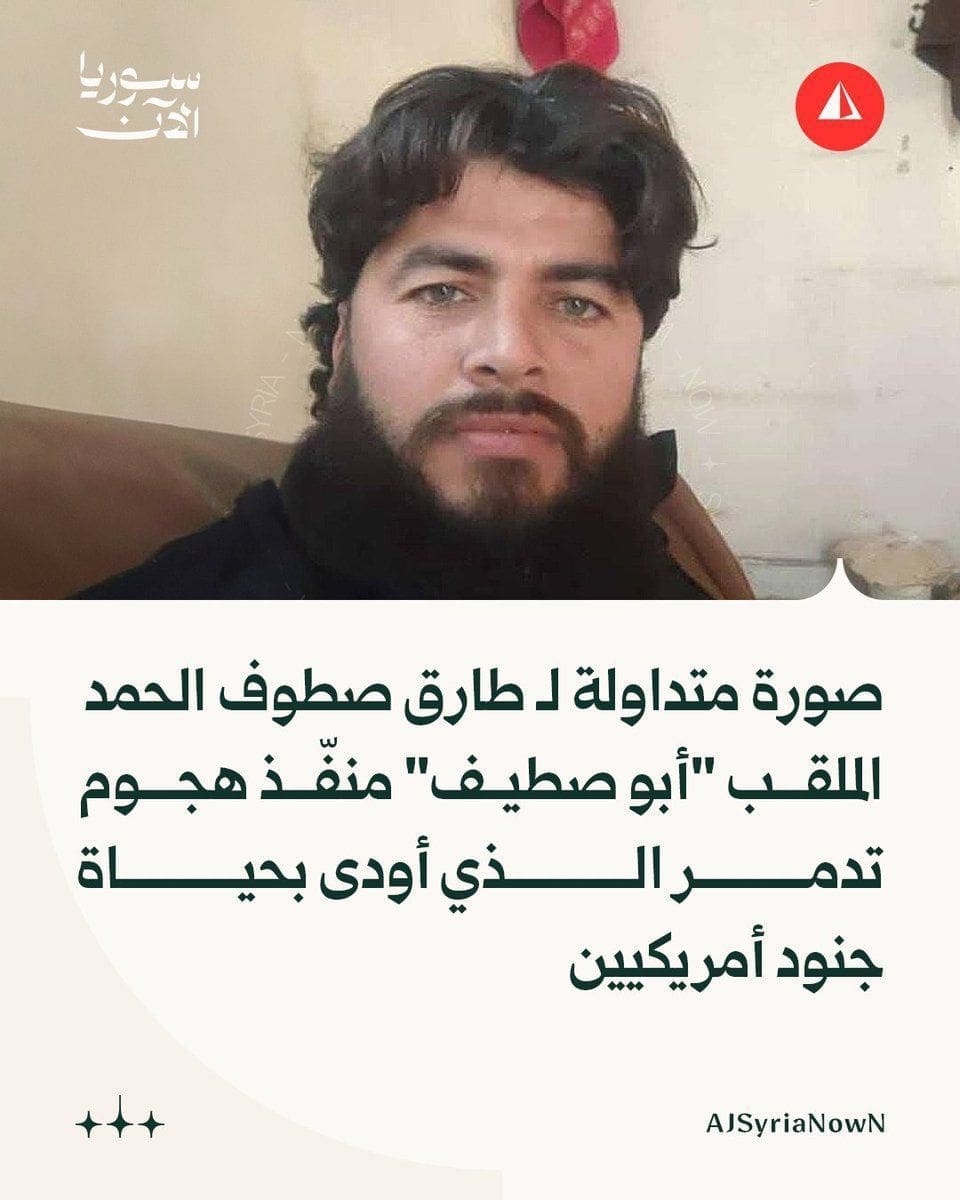
Some activists on social media circulated the attacker's identity, saying he was "Tariq Satuf al-Hamad," and it was said that he was linked to al-Qaeda and had no connection to the ISIS group.
Researcher Hamid al-Qawsi relayed, from sources said to be close to Tariq al-Hamad, that he "was linked to al-Qaeda and had no connection whatsoever to the ISIS group, categorically denying the accounts circulated in American and Syrian media that claimed he belonged to the organisation. The sources stated that al-Hamad originates from the village of al-Khushayr, near the Abu al-Zuhur military airport, administratively part of the eastern countryside of Idlib, and belongs to the Bu Issa clan of the Dulaim. They added that he joined Jabhat al-Nusra, "the al-Qaeda branch in Syria," then went to Turkey in 2016, before returning and rejoining Hurras al-Din, the al-Qaeda branch in Syria.
"The sources also confirmed that al-Hamad was imprisoned for three years in Hayat Tahrir al-Sham prisons in Idlib, before being released under a general amnesty that included people accused of collaborating with the coalition. The sources concluded by stressing that al-Hamad, after leaving prison, joined the General Security service in Tartus, again stressing that he had no connection whatsoever to the ISIS group." End of transmission.
The "Ta'akkad" platform also revealed the name and photo of the attacker who targeted the international coalition forces near the city of Palmyra, saying his name is Tariq Satuf al-Hamad, known by the nickname "Abu Sattif."
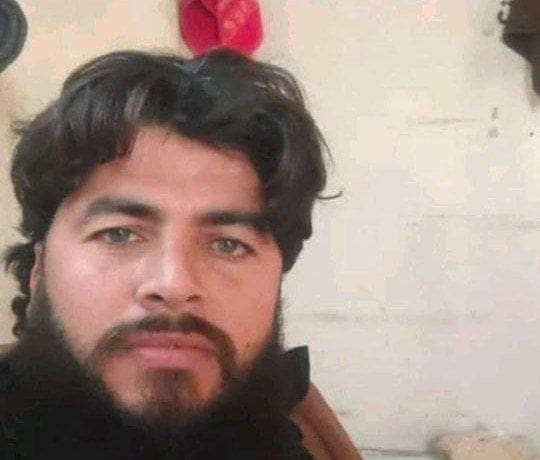
Others denied the claim that Tariq al-Hamad is the attacker and said he is one of the internal security personnel killed in this attack.
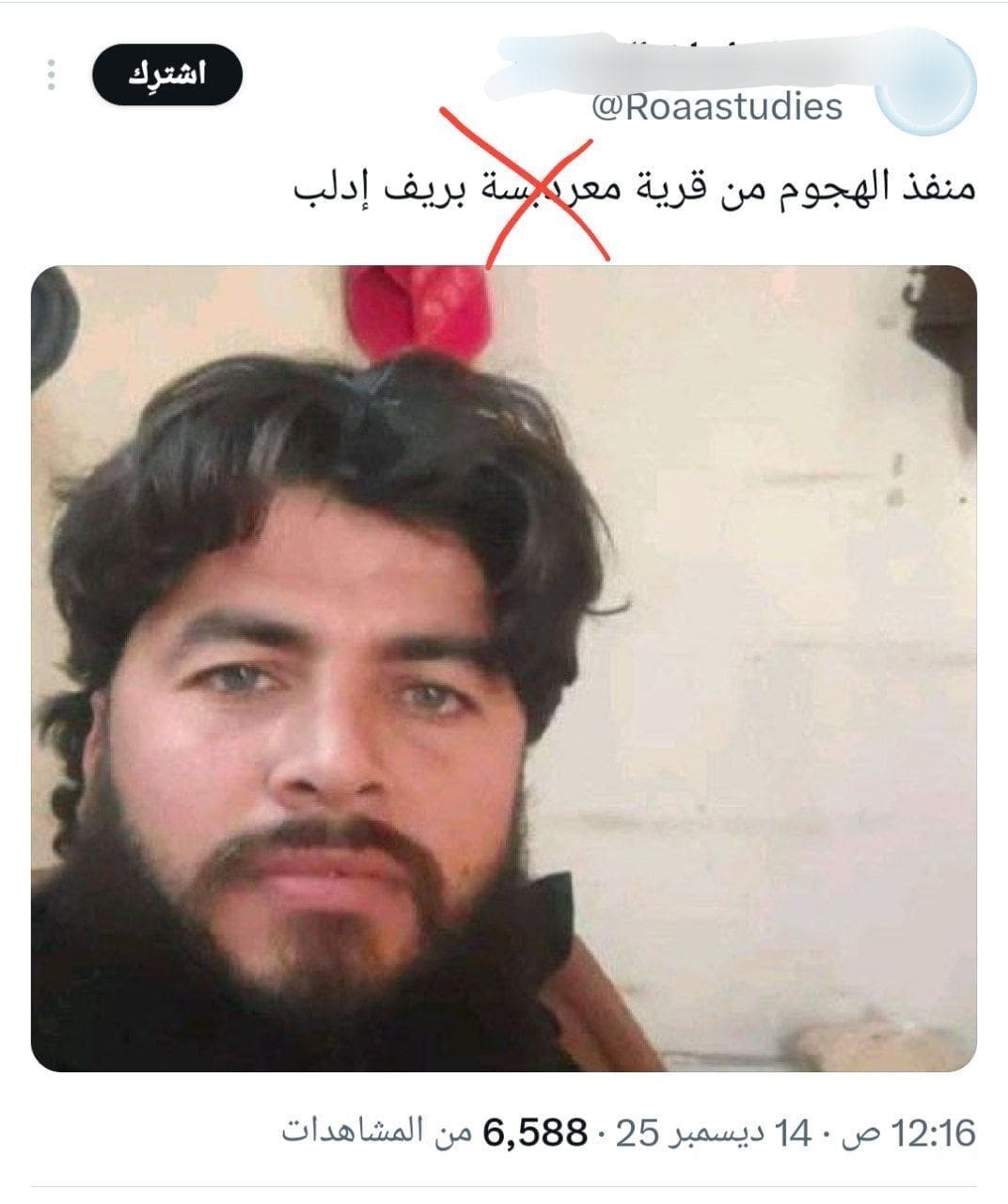
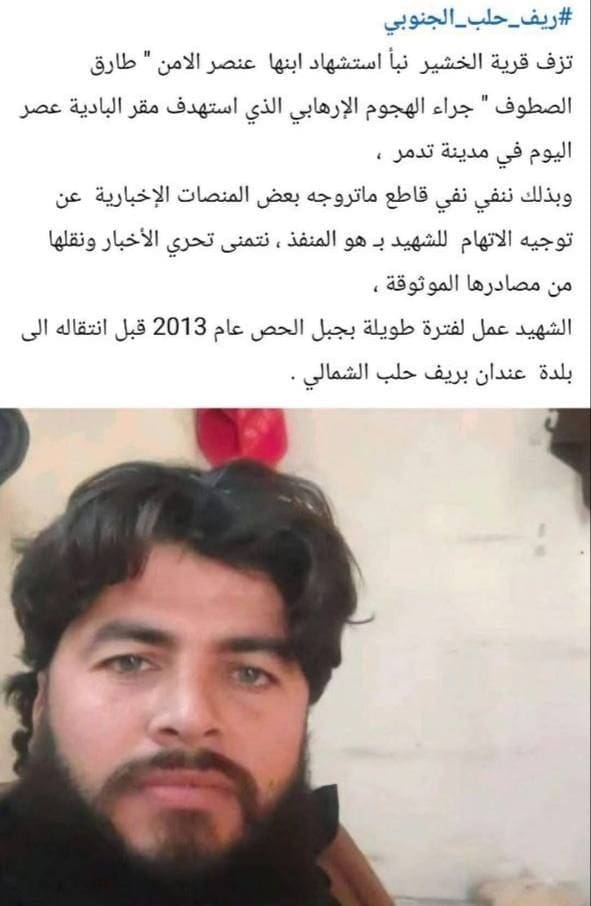
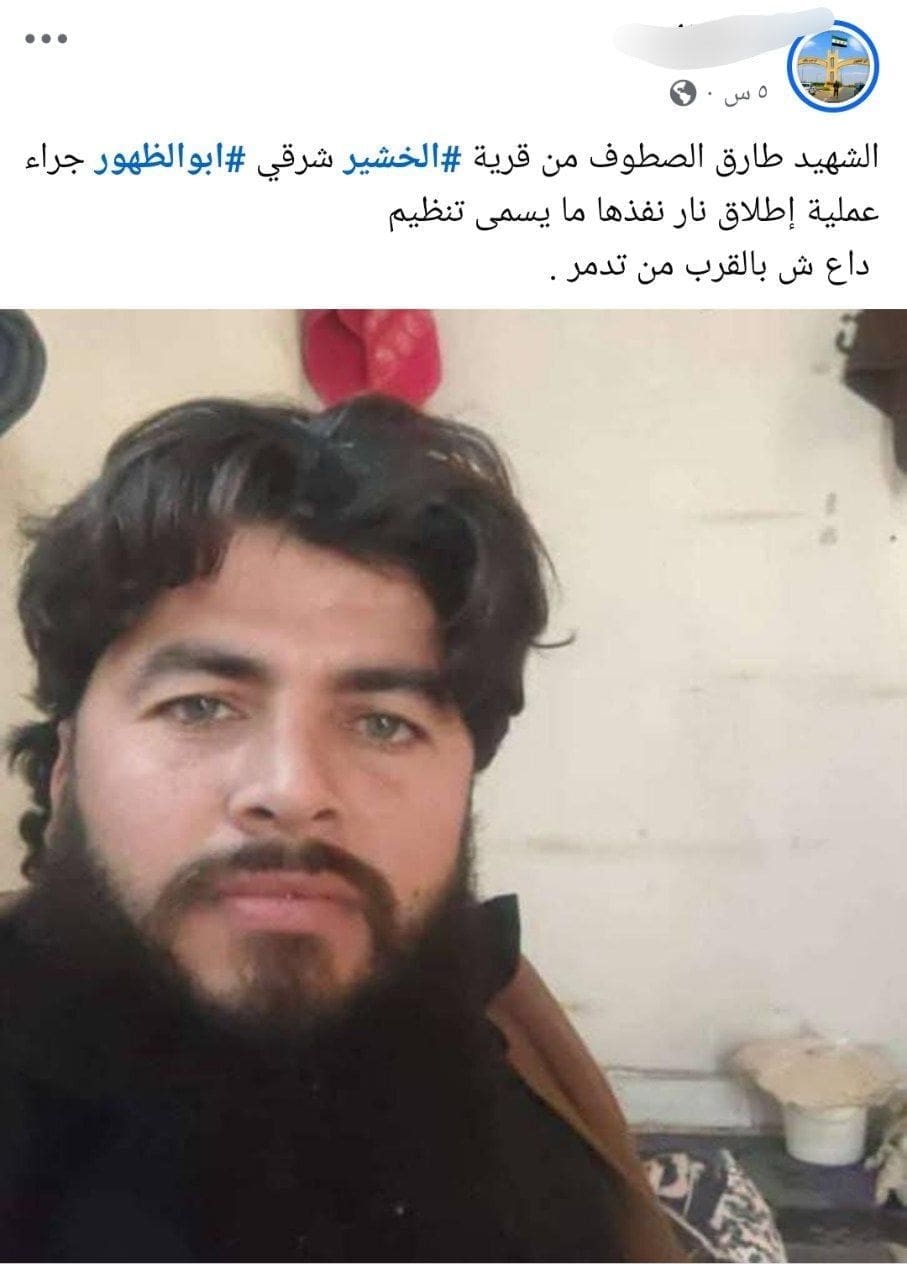
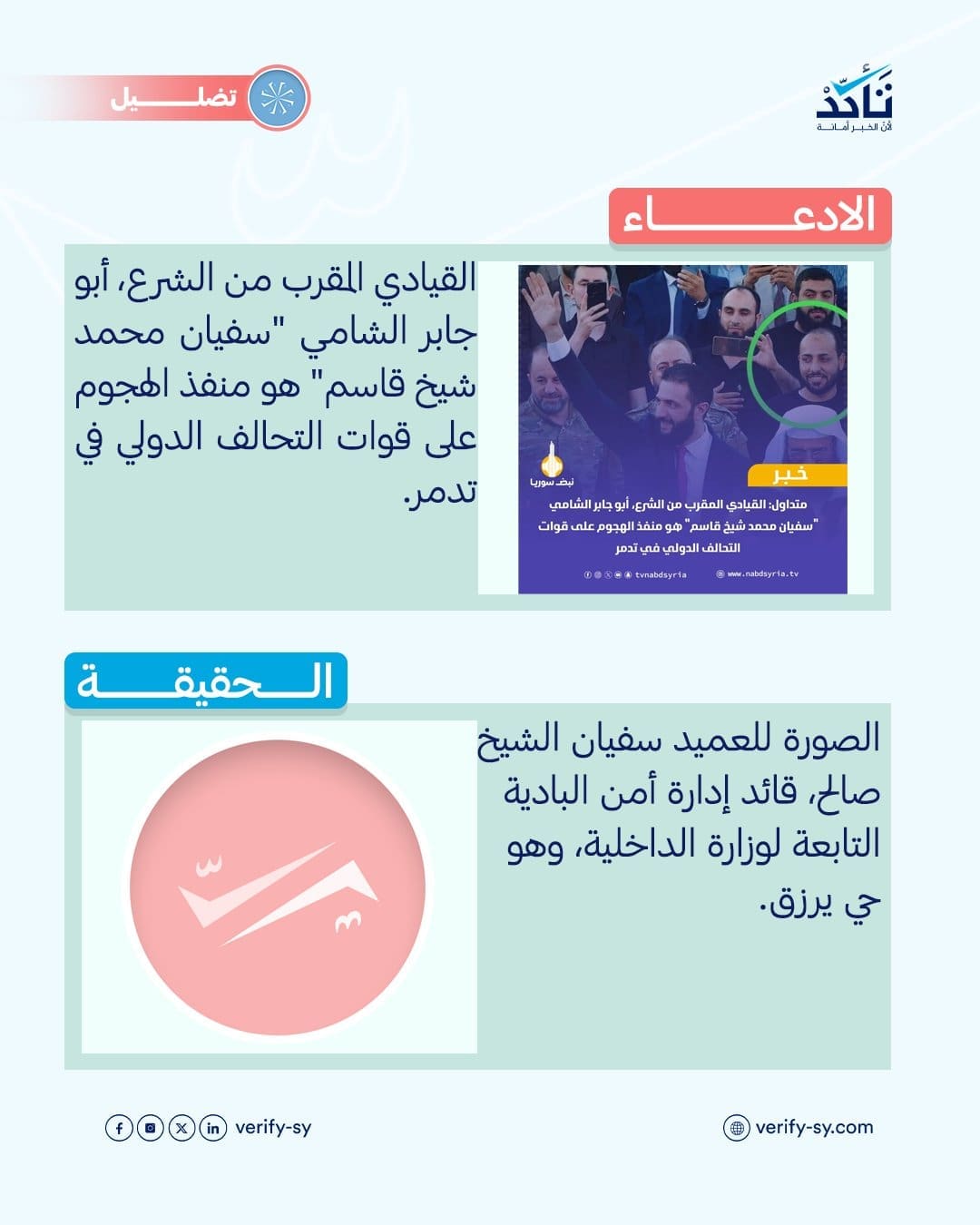
Other accounts also published a photo they claimed shows the perpetrator standing beside Ahmed al-Sharaa, but it was found that the claim is misleading.
Finally, Trump's statements claiming the attacker belongs to the Islamic State organisation also reveal, at the same time, the inability of US intelligence to resolve the truth about the attacker, amid repeated contradictions in statements and the absence of any conclusive evidence proving that the attacker is Tariq al-Hamad.
Today, we are in a phase in which the players are numerous, and identifying the party responsible for the attack is becoming increasingly difficult.


