


The fallout from the mass crossing into the Spanish-administered city of Ceuta in North Africa has not subsided. What began as an attempt by tens of thousands of migrants to reach Spanish territory has become a broad humanitarian, political and security crisis, prompting Madrid to install a floating sea barrier along its border with Morocco and tighten its security measures.
According to the latest figures, the number of deaths linked to the wave has risen to 72, after authorities found five more bodies on the shores of Ceuta following an initial toll of 67. The dead include people who drowned and others who died in stampedes during attempts to cross. Meanwhile, Moroccan authorities announced a separate toll of 11 deaths linked to attempts to reach Ceuta, most of them by drowning.
500-metre sea barrier
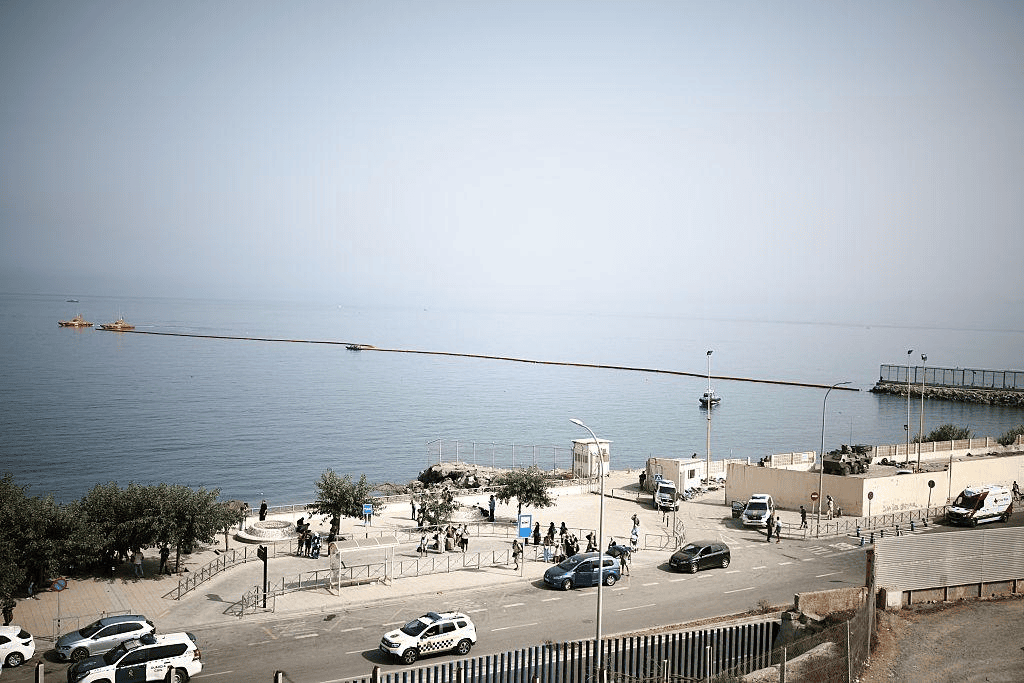
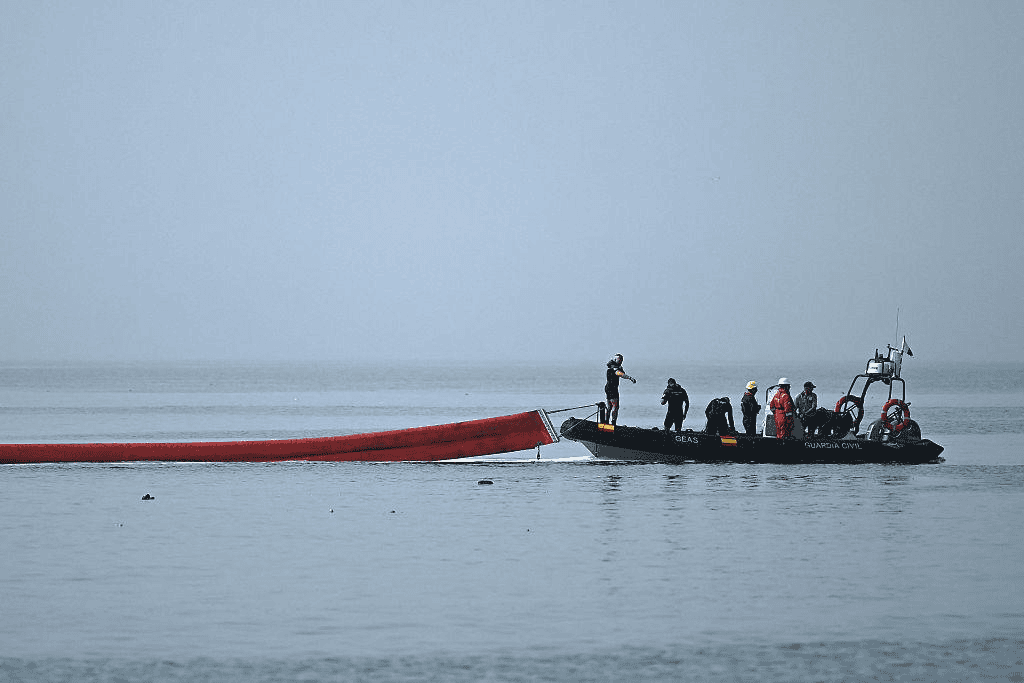
In response to the unprecedented influx, Spain has begun installing a floating barrier of approximately 500 metres in the maritime section of the border between Ceuta and Morocco, aimed at preventing a repeat of mass crossings by sea.
The measure follows a massive influx in late July, estimated at between 50,000 and 60,000 people, many of whom attempted to reach Ceuta by swimming or through border crossing points, in one of the largest migration waves the city has seen in recent years.
Spain's response has not been limited to the sea barrier. Madrid has reinforced the presence of army, police and Civil Guard forces at the border, while authorities have worked to return migrants who entered Ceuta to Morocco in accordance with established procedures.
Some 70,000 people returned to Morocco
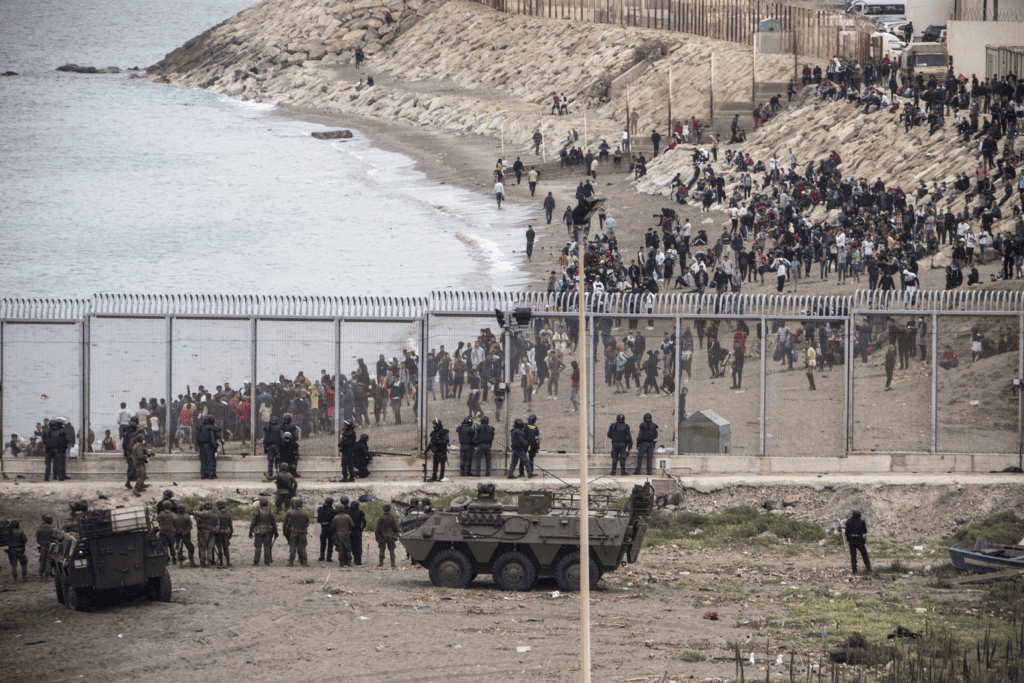
While images of thousands of people crossing the border caused widespread shock in Spain and Europe, the majority of those who entered Ceuta did not stay there for long.
The latest reports indicate that some 69,500 migrants have returned to Morocco, while between 3,000 and 5,000 people remain in Ceuta, according to estimates reported by Reuters on 3 August. Their presence has placed severe pressure on the city's facilities and reception centres, at a time when 862 unaccompanied minors are under the care of the authorities.
Some of those who have not yet left are living in difficult conditions, as reception facilities are full and there is a need to provide food, water and shelter, while the army and local bodies continue to deal with the humanitarian consequences of the wave.
Why did this sudden influx happen?
The reasons for the sudden surge in the number of crossers remain a matter of disagreement between Madrid and Rabat. Reports indicate that misleading information spread through social media contributed to convincing large numbers of people that the border had opened or that reaching Spain had become easy.
Spanish sources said intelligence services did not anticipate the scale of the influx, while other assessments concluded that the Moroccan authorities did not organise the operation but temporarily allowed border controls to loosen during the Throne Day celebrations in Morocco, which facilitated the arrival of huge numbers at the border area.
For its part, Rabat said that disinformation and human trafficking networks played a role in mobilising migrants, affirming its continued international cooperation in combating irregular migration.
Harsh conditions drove many to return
For most crossers, reaching Ceuta was not the end of the journey but the beginning of another crisis.
Thousands of people returned to Morocco after facing shortages of food and water, the closure of a number of shops and services, in addition to exhaustion, harsh conditions and hostility that some of them encountered.
Reuters quoted migrants as saying that some were drawn to Ceuta after videos and information spread online suggesting that the border was easy to cross, only to discover that entering Ceuta did not mean moving freely to mainland Spain or the rest of Europe.
A humanitarian crisis becomes a political one
The events in Ceuta have returned the migration issue to the centre of European political debate, particularly in Spain, where the right and far right have exploited the images coming from the border to call for tighter controls and faster deportations.
The crisis has also caused divisions within the European Union, after officials and politicians in several European countries called for stricter measures to protect the external borders of the bloc.
Spanish Prime Minister Pedro Sánchez rejected criticism of his government's migration policy and criticised calls that linked the Ceuta crisis to Spain's future in the Schengen area, considering that some of these positions rely on misleading information or political interests.
At the same time, the Spanish government defended its cooperation with Morocco, even though the crisis has brought back into focus questions about the ability of the two countries to control the shared border and to deal with sudden influxes.
Between border security and migrants' rights
The Ceuta tragedy once again exposes the dilemma of migration on Europe's southern borders: while governments seek to prevent irregular entry and tighten controls, migrants who take dangerous routes to reach Europe face risks that may end in death.
The sensitivity of the situation in Ceuta is particularly acute because, together with Melilla, it represents one of the European Union's only land borders with the African continent, making it a highly sensitive point in European migration policy.
Yet the rise in the death toll to 72, alongside the continued presence of thousands of people in the city, makes the crisis more than a matter of border security. It is also a humanitarian crisis that requires addressing the causes of migration, disinformation and human trafficking networks, and the conditions of migrants, as well as organising rescue and reception operations in a way that preserves human life and dignity.
While Spain has set up a new sea barrier and sent more forces to the border, the harder questions remain open: can security barriers alone prevent a repeat of the tragedy? Or will closing crossing routes push more people to seek more dangerous ways to reach Europe?
The answer appears to depend not only on what Madrid and Rabat do in the coming days, but also on the European Union's ability to formulate a unified policy that respects its humanitarian obligations towards migrants and asylum seekers.


