

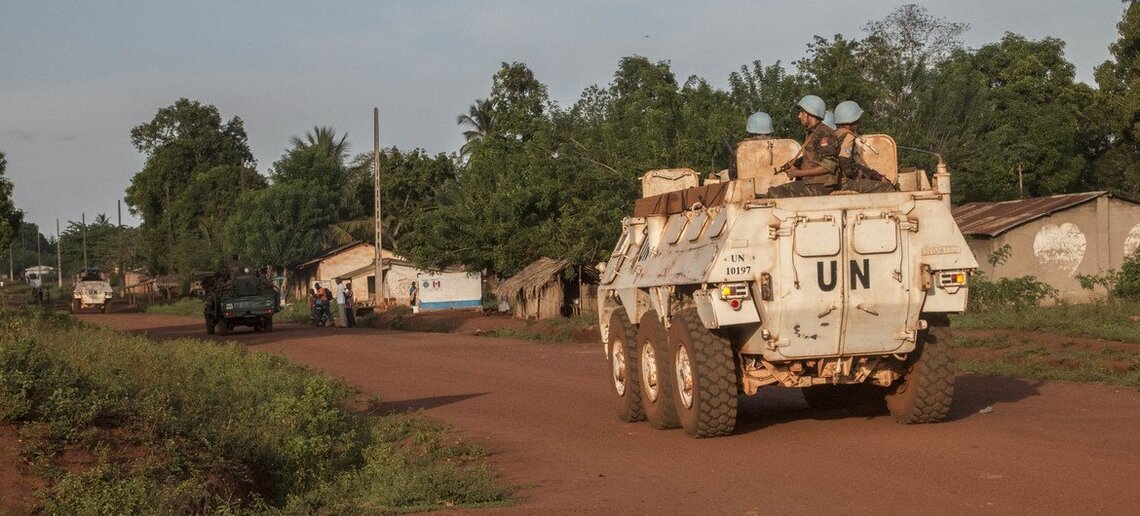
The Central African Republic continues to face a protracted humanitarian crisis driven by armed conflict, displacement and food insecurity, while concerns persist over the protection of Muslim communities and Sudanese refugees, after the United Nations documented serious abuses targeting them in parts of the country.
Data from the Directorate-General for European Civil Protection and Humanitarian Aid Operations (ECHO) of the European Commission indicate more than 427,000 internally displaced persons, in addition to some 736,000 refugees from the Central African Republic living in neighbouring countries.
The country also hosts tens of thousands of refugees and asylum seekers, most of them from Sudan, the Democratic Republic of the Congo and Chad.
These figures come against the backdrop of a long crisis in which the country has witnessed armed clashes and local conflicts with political, ethnic and religious dimensions, leading to the displacement of large numbers of people and the disruption of essential services.
Abuses against Muslims and Sudanese refugees
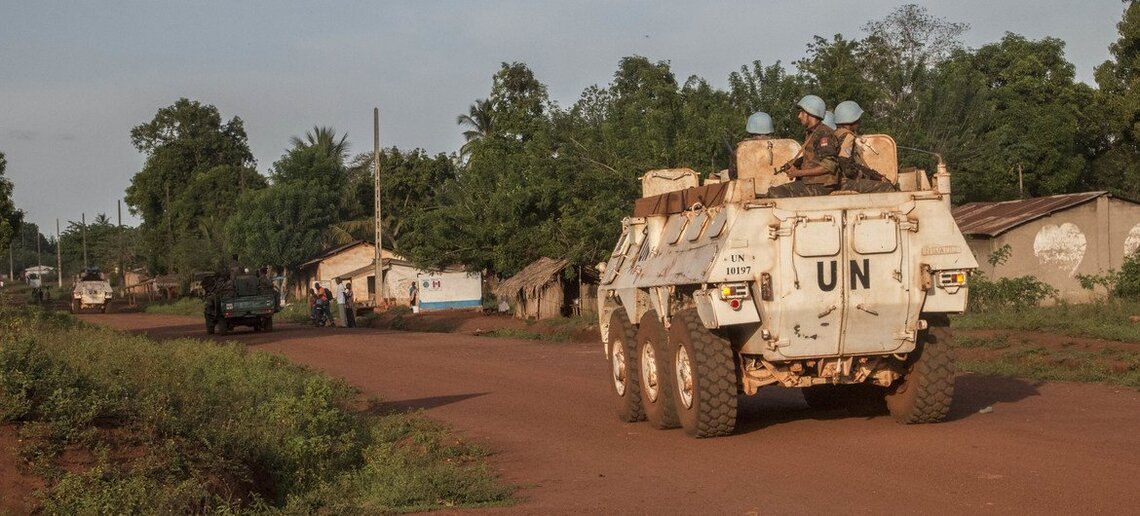
On 5 March 2025, the United Nations published the findings of an investigation conducted by its peacekeeping mission in the Central African Republic, MINUSCA, and the Office of the High Commissioner for Human Rights, which documented a pattern of grave abuses against Muslim communities and Sudanese refugees in the country's south-east.
The abuses documented by the investigation included extrajudicial killings, torture, sexual violence, cruel and degrading treatment, as well as forced labour and the looting of homes and shops.
The report attributed these abuses to armed groups, within the context of continuing violence that threatens civilians in multiple areas.
These incidents date to the period covered by the earlier UN investigation and do not represent an announcement of new attacks that took place in November 2026.
Their significance, however, lies in revealing the nature of the dangers faced by Muslim communities and refugees, and the need for measures that ensure they are not repeated and that those responsible are held accountable.
Prolonged displacement and shortages of services
According to the European Commission, displacement affects around one in five people from the Central African Republic, whether inside the country or abroad.
Affected families face difficulties in accessing food, water, healthcare and education, amid continuing security disturbances and weak infrastructure.
Humanitarian estimates indicate that more than two million people experienced high levels of food insecurity during the lean season extending from April to August 2026.
Floods and natural disasters also add further pressure on communities already suffering the consequences of the conflict.
Sudanese refugees face new challenges
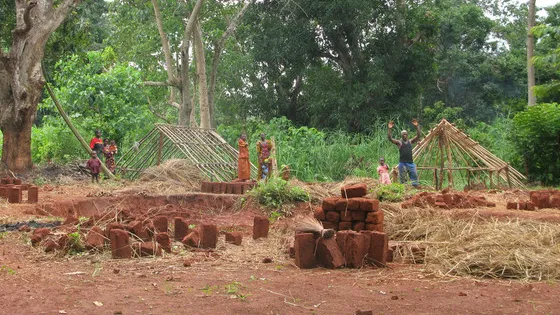
The war in Sudan has led to waves of displacement into the Central African Republic, particularly in the eastern border areas.
Fleeing Sudanese families need protection, shelter and health services, in a country that itself faces considerable difficulties in responding to the needs of displaced people and residents of affected areas.
Protecting refugees also requires ensuring that they are not subjected to discrimination or targeting, and facilitating their access to documentation, assistance and essential services.
In this context, the importance of a humanitarian response that takes into account the nature of local tensions and protects all civilians without discrimination on the basis of religion or ethnic affiliation becomes clear.
A crisis that still requires international attention
Although the pace of some clashes has eased compared with earlier phases, the continuation of displacement, poverty and insecurity in parts of the Central African Republic means the humanitarian crisis is far from over.
UN reports stress that protecting civilians is not limited to providing relief, but also includes ensuring the security of local communities, preventing abuses, holding those responsible to account, and strengthening prospects for the safe and voluntary return of displaced people and refugees.
The situation of Muslims and Sudanese refugees remains an important part of this file, after UN investigations revealed that some of their communities were exposed to grave abuses that warrant follow-up and accountability.


