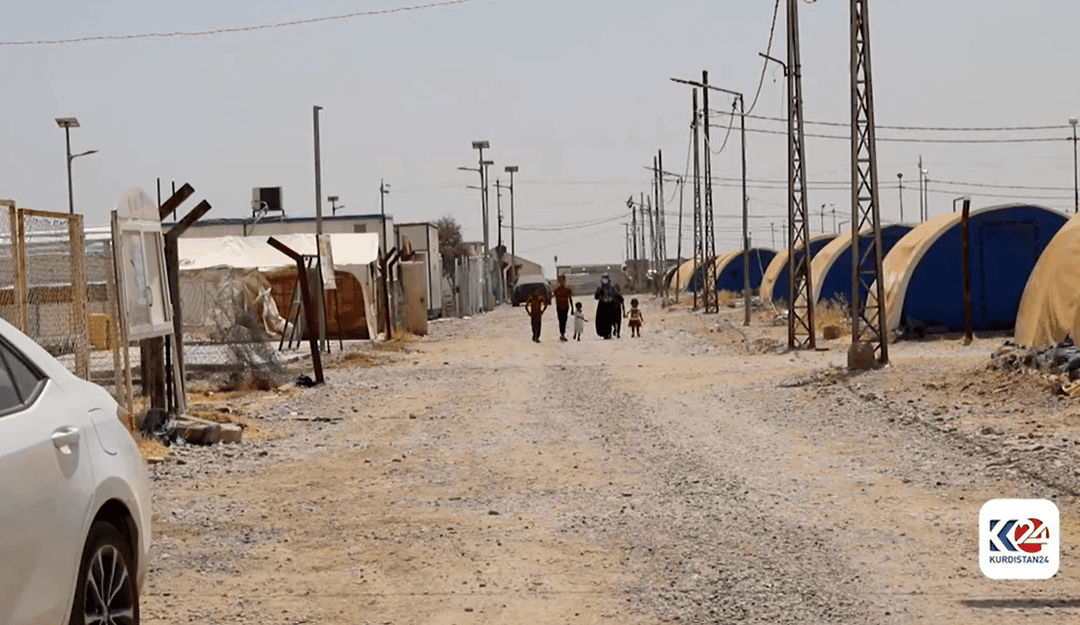
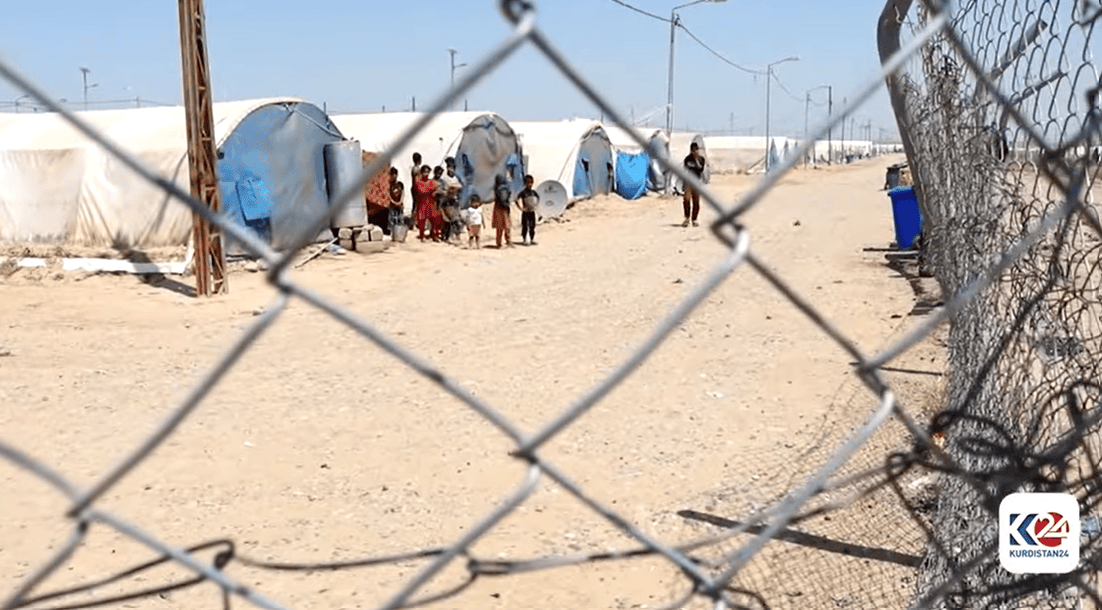
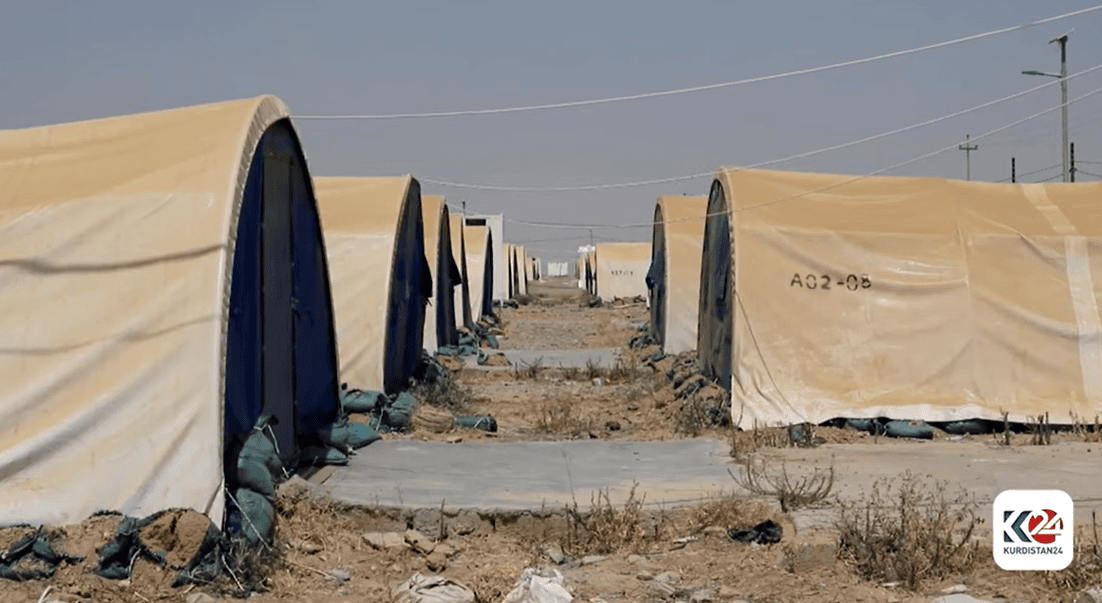
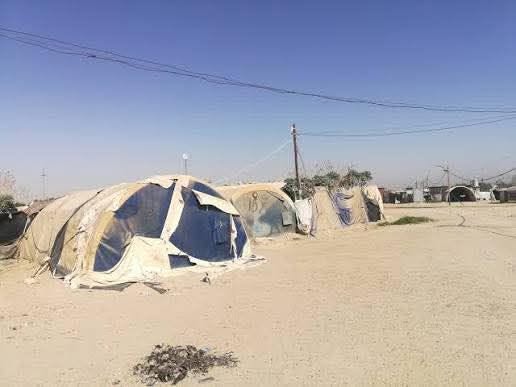
On the outskirts of Anbar Governorate, near the floating bridge known as the Bzeibiz Bridge that links western Iraq with the capital Baghdad, lies one of the country's longest-standing displacement camps. Since 2014, thousands of Iraqi families have continued to live in Bzeibiz Camp in tents and makeshift shelters, after battles against the Islamic State group (ISIS) forced them to leave their homes, turning a temporary stay into years of waiting and hardship.
A camp born of war
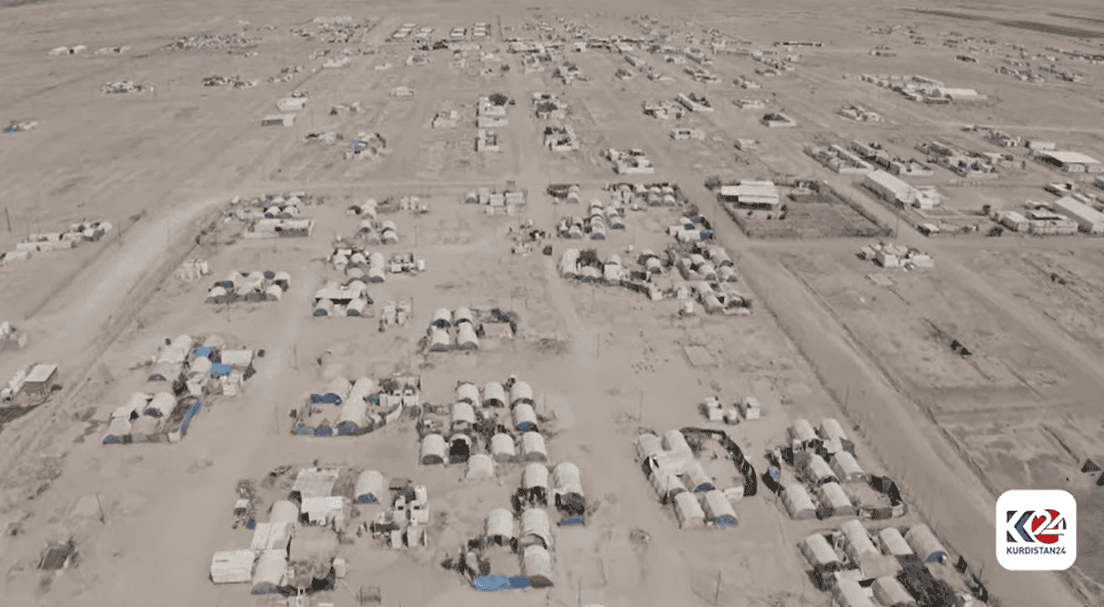
Bzeibiz Camp was established in 2014 as military operations against the group intensified in Anbar and Salahuddin governorates and the outskirts of Baghdad. It initially received large waves of displaced people, especially from Jurf al-Sakhar (later renamed Jurf al-Nasr), as well as the Al-Uwaisat area and other parts of western Iraq.
Although the Iraqi government regained control of most of those areas years ago, a large number of the camp's residents have not been able to return to their homes, making the camp one of the oldest displacement camps still in existence in Iraq.
Harsh humanitarian conditions
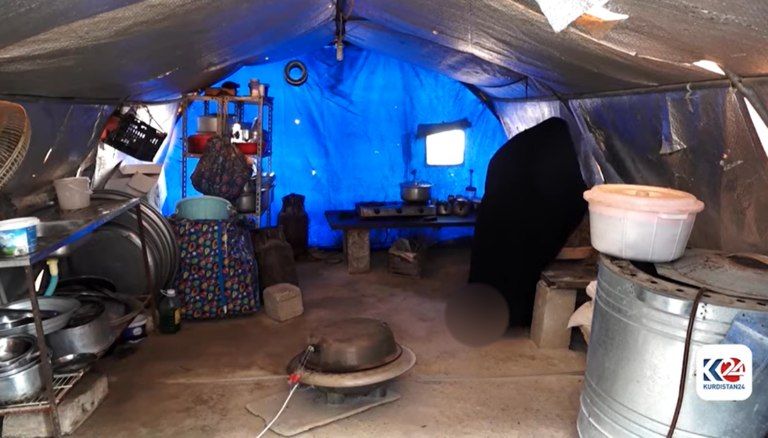
Organisations and media reports describe conditions inside the camp as extremely difficult, with families suffering from a lack of basic services, foremost among them safe drinking water, electricity and healthcare.
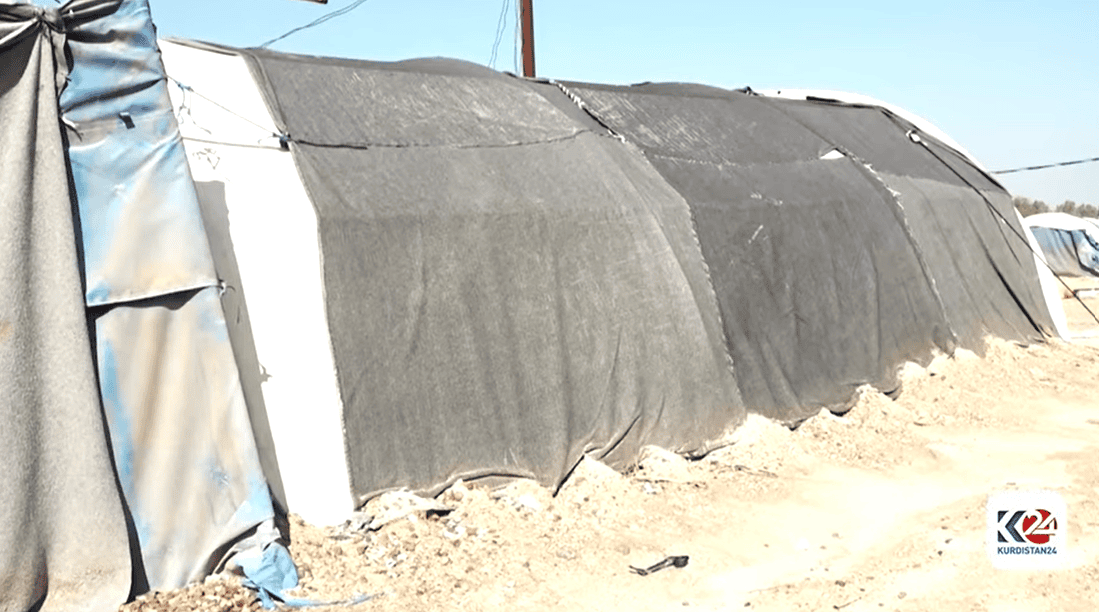
In 2023, reports warned of the risk of a humanitarian catastrophe inside the camp after electricity cuts and water shortages, while more than 1,400 families live in tents or fragile shelters made of mud and wood. Many depend on humanitarian aid after losing their livelihoods, which in most cases relied on agriculture.
As temperatures in the Iraqi summer rise above 50 degrees Celsius, residents' suffering is compounded by weak cooling services and power outages, while displaced people complain of water and medical service shortages and the delay in addressing the question of their return.
Children growing up in the camp
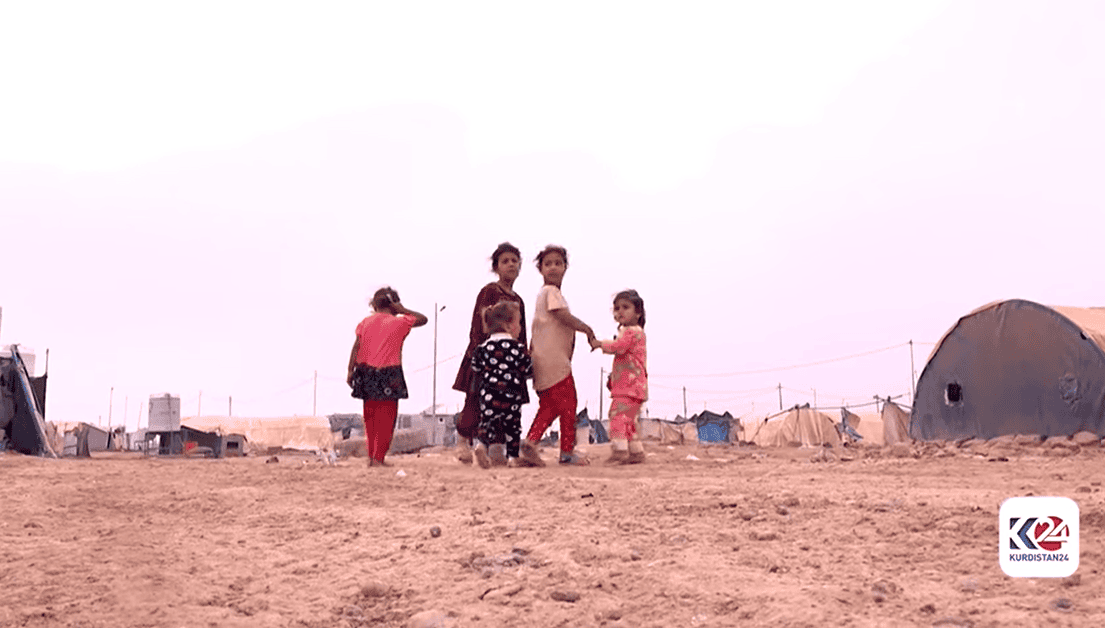
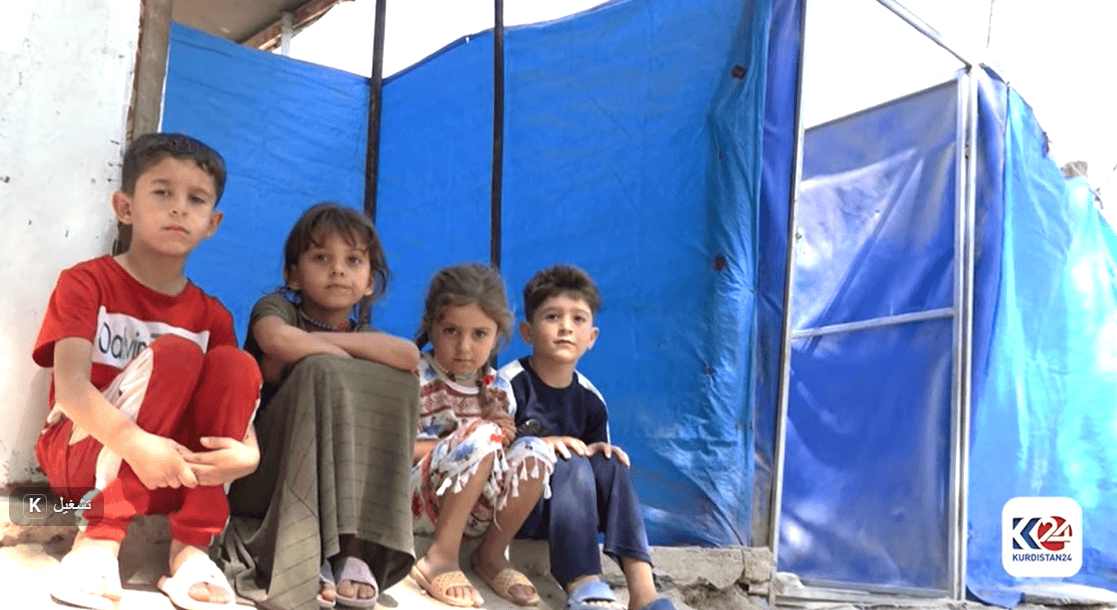
More than a decade after displacement, an entire generation has grown up in the camp without knowing life outside its tents. Testimonies carried by media outlets say residents live in constant anxiety over their children's future, given limited education and healthcare and the absence of stability.
Residents also complain that the tents have deteriorated and become unfit for living in during both summer and winter: rain floods parts of the camp in winter, while the tents turn into something resembling ovens in summer.
Why have they not returned?
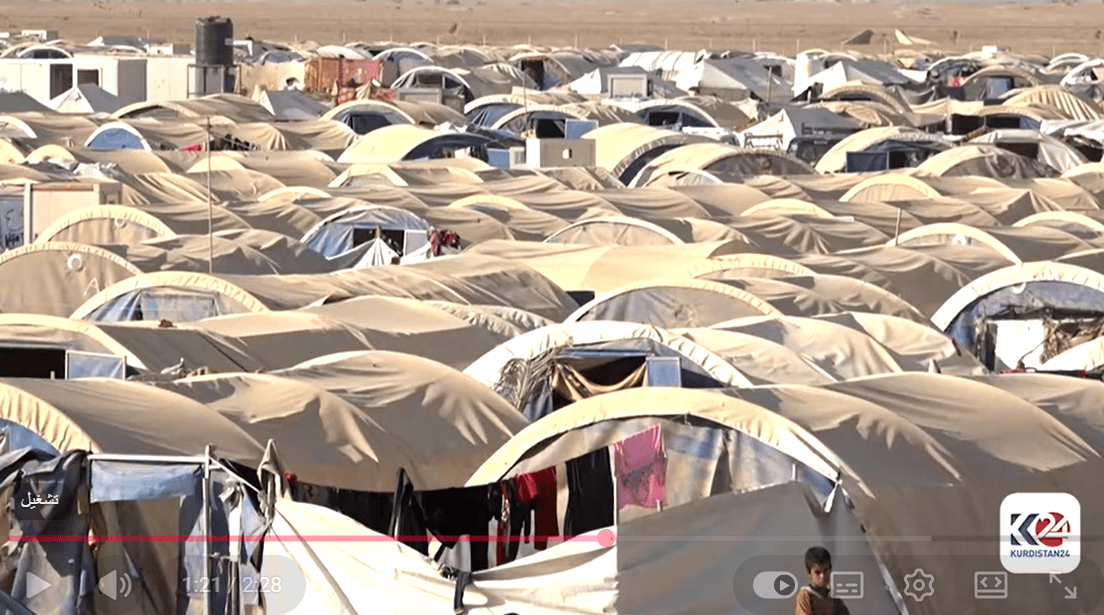
The return of Bzeibiz Camp residents is one of the most complex displacement files in Iraq. The Iraqi government attributes the continuation of displacement to security and administrative considerations linked to some of the displaced people's original areas, while a number of displaced people and human rights advocates affirm that many families remain unable to return years after military operations ended, and call for this file to be resolved and for a safe and dignified return to their original areas to be guaranteed. The issue remains subject to neglect and procrastination, with no fixed timeline.
A waiting that does not end
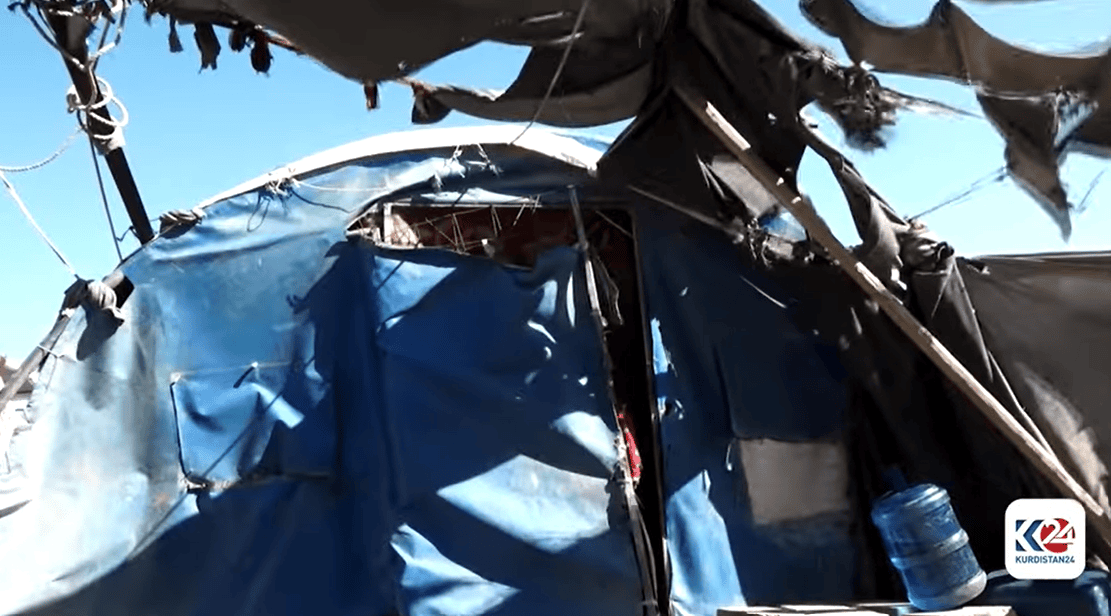
Bzeibiz Camp today stands as a symbol of the continuing internal displacement crisis in Iraq. A temporary stay that was supposed to last weeks or months has become a life spanning more than twelve years. While promises to improve services or find final solutions are repeated, thousands of families are still waiting for their suffering to end and to return to their homes, after many years of living in conditions that camp residents describe as unworthy of human dignity.