

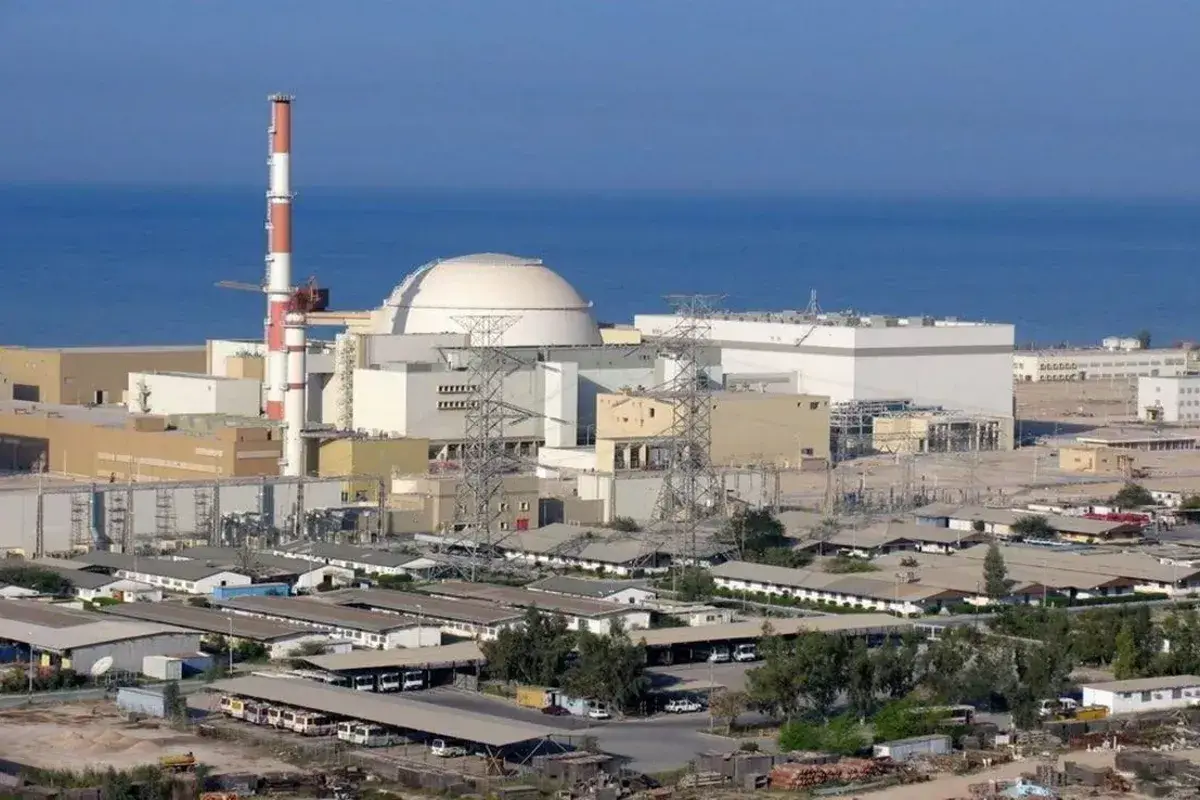
The Bushehr reactor is located about 17 kilometres south-east of the Iranian city of Bushehr. The major concern is that the reactor sits on the eastern coast of the Arabian Gulf, which makes it closer to the capitals of Gulf states (such as Kuwait, Manama, Doha and Abu Dhabi) than to the Iranian capital, Tehran.
The reactor is only 200 to 300 km from some Gulf capitals, while it is more than 1,200 km from Tehran, with the Zagros mountain chains that may act as a natural barrier protecting Iran's interior from radiation, whereas Gulf cities remain completely exposed to the prevailing winds.
Iran's Strategic Importance
It is the first nuclear power reactor in the Middle East, with a generating capacity of approximately 1,000 megawatts, and it officially aims to diversify energy sources and reduce reliance on gas and oil.
The reactor represents the "crown jewel" of Iran's nuclear programme, and Tehran uses it as a tool of political pressure and as proof of technological capability before the international community.
The reactor also reflects the depth of the Iranian-Russian alliance, as the company "Rosatom" took over completing its construction after the project begun by the German company "Siemens" stopped before the 1979 revolution.
Environmental and Security Risks
The reactor raises existential concerns for neighbouring states for several reasons:
- Seismic activity: The reactor is located at the junction of three tectonic plates, an area exposed to destructive earthquakes. A major earthquake could lead to a disaster resembling "Fukushima", threatening a radiation leak into Gulf waters.
- Water contamination: The Arabian Gulf is an almost enclosed sea, and Gulf states rely almost entirely on desalination plants. Any radiation leak would mean contamination of the sole drinking water source for millions of people, leading to a humanitarian and environmental catastrophe that cannot be contained.
- Winds: The prevailing wind direction in the region is often "north-westerly", meaning any radiation cloud would head directly toward the Arab coasts of the Gulf.
Consequences of Harming the Reactor (Militarily)
Any military targeting of the reactor would open the doors to catastrophe in the region:
- Immediate leak: Striking a reactor operating on nuclear fuel would lead to the immediate spread of radioactive materials into the air and water.
- Military response: Iran regards the reactor as a red line, and any harm to it could ignite a comprehensive regional war involving mutual targeting of vital installations and energy facilities.
- Collective cost: Targeting civilian nuclear facilities opens the door widely to side effects on civilians and to environmental consequences that cross borders.
What Does Iran Conceal Behind Choosing the Site?
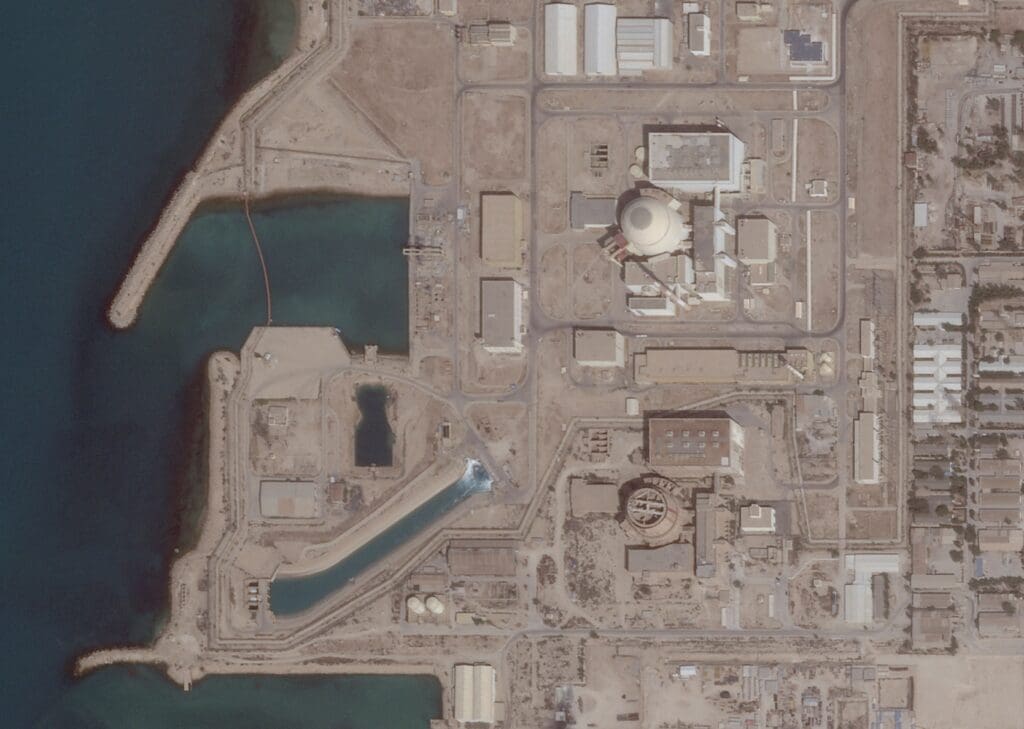
Observers believe the choice of location was not a mere technical coincidence (such as the need for cooling water), but carried strategic dimensions:
- Human shield: Placing the reactor in an area close to neighbouring states makes any international or Israeli decision to strike it an "environmental suicide" for the entire region, providing it with indirect protection.
- Environmental pressure: Using it as a permanent threat to the water security of Gulf states.
- Easy cooling: Relying on the shallow waters of the Gulf, despite the existence of internal alternatives, saves logistical costs but raises environmental risks to the maximum extent.
Historically, the reactor was bombed while "empty", but today it is protected by a "radiation shield": international powers understand that striking it while in operation would constitute a major environmental crime that would harm the Arab Gulf states before anyone else, which explains the "strategic cunning" that led Iran to choose its location.
The Bushehr reactor remains a "nightmare" for the security and environment of the Arab Gulf states. While Iran reaps the benefits of energy and politics, the peoples of the Gulf remain the ones most threatened in the event of human error, natural disaster, or military escalation.


