

"Brothers of Traitors": Turkish Journalists Echo Chinese Propaganda on the Uyghurs
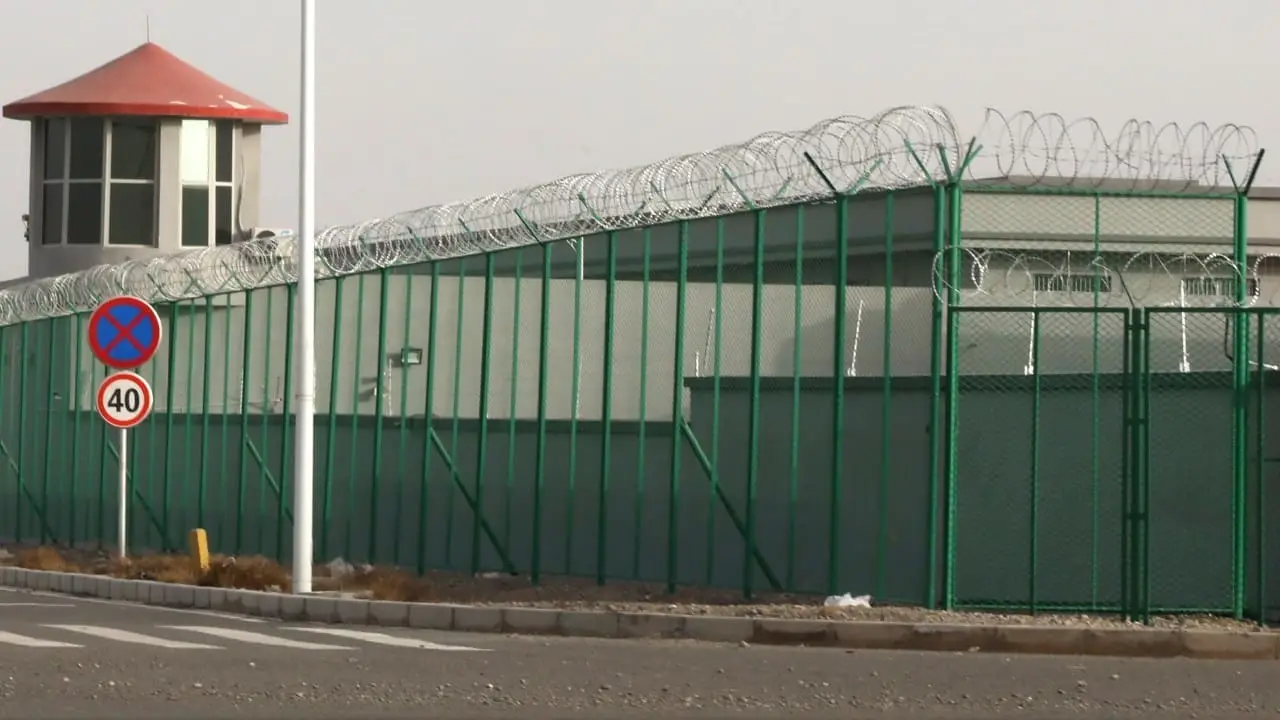
For a long time, China has invited foreign delegations to occupied East Turkestan to promote its preferred narrative about the lives of the Uyghurs. But something new and troubling has recently happened.
For the first time, a group of Turkish journalists visited occupied East Turkestan (Xinjiang, as China calls it after its occupation) at the invitation of the Chinese consulate and in coordination with the Turkish-Chinese Friendship Foundation.
After a week-long visit, the group appeared on Turkish television, where they publicly denied the ongoing genocide of the Uyghurs.
This is not merely another propaganda success for Beijing, but a betrayal, particularly since Turkey is the country most closely linked to the Uyghurs ethnically, culturally and historically. Moral solidarity from Turkey was expected, but what the world saw was submission to Beijing's staged performance.
One of the journalists who took part in this farce described Uyghurs dancing joyfully in the streets, asserting that this was proof of their happiness. Yet anyone familiar with human societies knows that spontaneous group dancing rarely occurs outside weddings or festivals. When hundreds dance at once, it is orchestrated. In East Turkestan, under one of the most advanced surveillance systems in the world, such displays are arranged with great care. The absence of a visible "organiser" points to manipulation: the dances were designed to look "natural."
Another Turkish journalist cited bilingual billboards and an Uyghur-language newspaper as evidence that the Uyghur language has not been banned. But symbolic signs are no substitute for its living use. Uyghur-language education in East Turkestan has been dismantled. The official use of the language has been abolished, and its prospects deliberately suppressed. State-approved Uyghur media are not aimed at preserving the language, but at promoting propaganda to those who do not understand Chinese.
These Turkish journalists also claimed that they did not see internment camps in Urumqi. But who would expect otherwise on a government-supervised tour?
Beijing itself has long acknowledged the existence of so-called "vocational training centres," which are considered internment camps. This was acknowledged in 1439 AH (2018 CE), two years after their establishment.
Official claims that the "students" have graduated remain unverified. Meanwhile, mosques stand empty, public squares are deserted, and Uyghur neighbourhoods are hollow. Satellite imagery, leaked government documents and, above all, the testimonies of Uyghurs in exile confirm the existence of these camps. In Istanbul alone, tens of thousands of Uyghurs can point to relatives who have disappeared.
Perhaps most offensive is the claim that Uyghurs live such comfortable lives that they would never move to Turkey, "even if they were allowed to." If this were true, why have more than 30,000 Uyghurs registered with Turkish immigration authorities?
For years, China has relied on delegations from authoritarian or aid-dependent states to amplify its narrative. Such voices carried little credibility in the democratic world. Turkish journalists, however, represent something different: they come from a country with an open media, public debate and democratic traditions. Their participation in this propaganda is therefore a symbolic victory for Beijing and a moral setback for the Uyghurs.
History offers examples of sister nations betraying one another, but rarely so easily, and never under conditions of genocide. Seeing the sons of a nation that once ruled three continents flatter a tyrant is not only painful but also shameful.
Yet if the Turkish delegation's visit exposed the impudence of opportunists, it also highlights the Uyghurs' own capacity to endure, from ordinary villagers who clung to their faith under threat of death, to intellectuals such as Ilham Tohti, Abdulkadir Jalaladin, Yalqun Rozi and Perhat Tursun, who spoke the truth even when it cost them life imprisonment.
Beijing can organise a thousand more such visits and invite 100,000 additional foreign guests to repeat its message. But no matter how many delegations it organises or how many propaganda programmes it produces, it will not be able to conceal the genocide.
History will not remember the cheap praise of opportunists; it will remember those who resisted. It will remember the voices of the victims, not the lies of the visitors to China.
The three-and-a-half-hour television programme featuring the Turkish delegation may have entertained its producers. But for the Uyghurs, it was a fresh wound, a reminder that betrayal can come even from those who share their blood, culture and history.
China will one day be held accountable for its crimes. The Uyghur people will endure, strengthened by their suffering. What we ask of the world is not pity but responsibility. Stand for justice in the face of these atrocities. Whoever fails to do so will be judged not only by history, but by the measure of their humanity.
Let the Turkish visitors keep their free meals and their propaganda videos. Their words will fade, but the truth will remain.
The Hill.


