

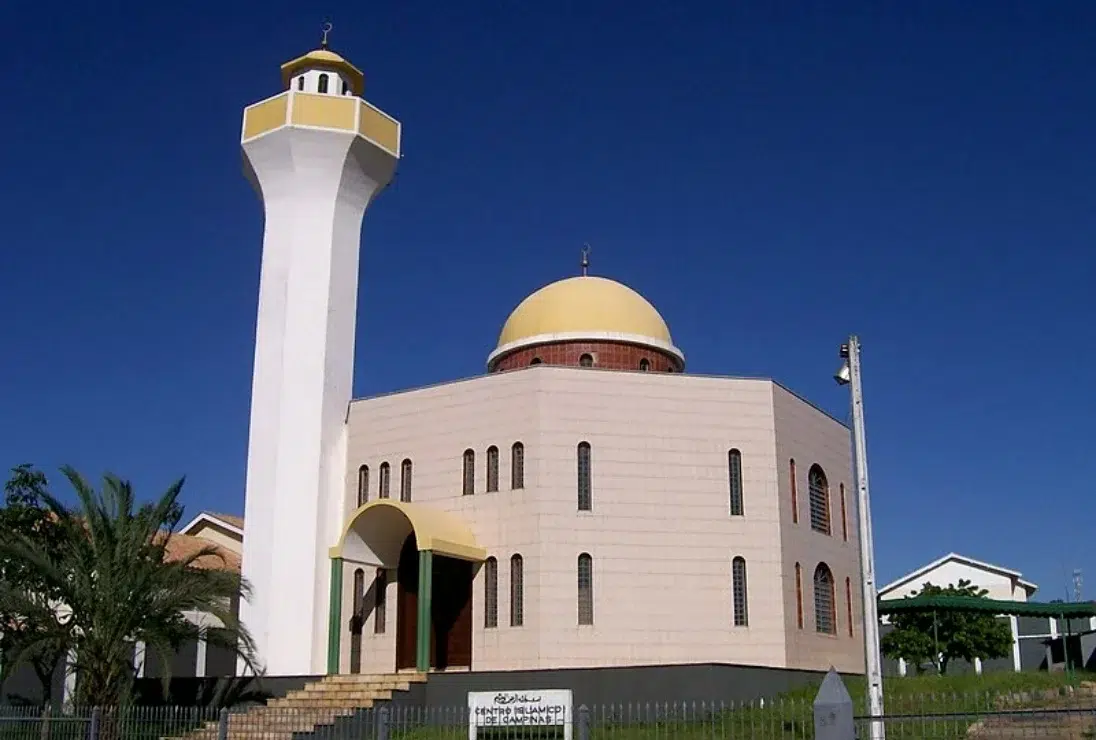
The Omar ibn al-Khattab Mosque in the Brazilian city of Foz do Iguaçu has launched an informational and educational initiative aimed at introducing Islam, correcting misconceptions about Muslims and Arab culture, and promoting dialogue and understanding among followers of different religions.
The Brazilian newspaper «GDia Notícias», in a report published on 4 November 2026, stated that the initiative includes a series of articles on Islamic doctrine, the spread of Islam around the world, the role of women in the religion, and relations among communities with diverse cultural and religious backgrounds.
Countering Stereotypes with Information
The initiative began by addressing the global growth of Islam. It is set to include other topics related to the status of Muslim women, common notions about Arab culture, and the importance of cooperation between religions.
The initiative's organisers seek to provide reliable information that helps counter prejudices associated with Islam and Muslims. The published materials target journalists, students, opinion leaders and the general public.
The president of the foundation, Mohamed Bahaa Rahal, said in remarks quoted by the newspaper that the mosque is not merely a place of prayer but a centre for communication and the dissemination of knowledge, and that the initiative aims to present the model of coexistence found in the Triple Frontier area to a wider audience.
Foz do Iguaçu and Religious Diversity
Foz do Iguaçu is located in southern Brazil, at the Triple Frontier area where Brazil, Argentina and Paraguay meet, and it is home to an Arab and Muslim community with a notable social and cultural presence.
The Omar ibn al-Khattab Mosque is among the most prominent Islamic landmarks in the city, and it receives visitors who wish to learn about the Islamic faith and the cultural traditions of the Muslim community.
Sheikh Osama al-Zahed, one of the officials responsible for religious affairs in the local community, pointed to the importance of introducing Islam through direct dialogue. Munzir Ispil, a religion teacher at the mosque, said that conflating cultural practices, political events and Islamic principles contributes to the spread of mistaken perceptions about Muslims.
Strengthening Community Outreach
Through the initiative, the foundation seeks to expand the mosque's role in disseminating knowledge, rather than limiting its activities to religious events within the Muslim community. Its plan includes materials on Arab culture, the participation of women in Islam, and cooperation between religions.
The step highlights part of the efforts of Islamic institutions in Latin America to strengthen their community presence and introduce Islam through education and cultural communication.


