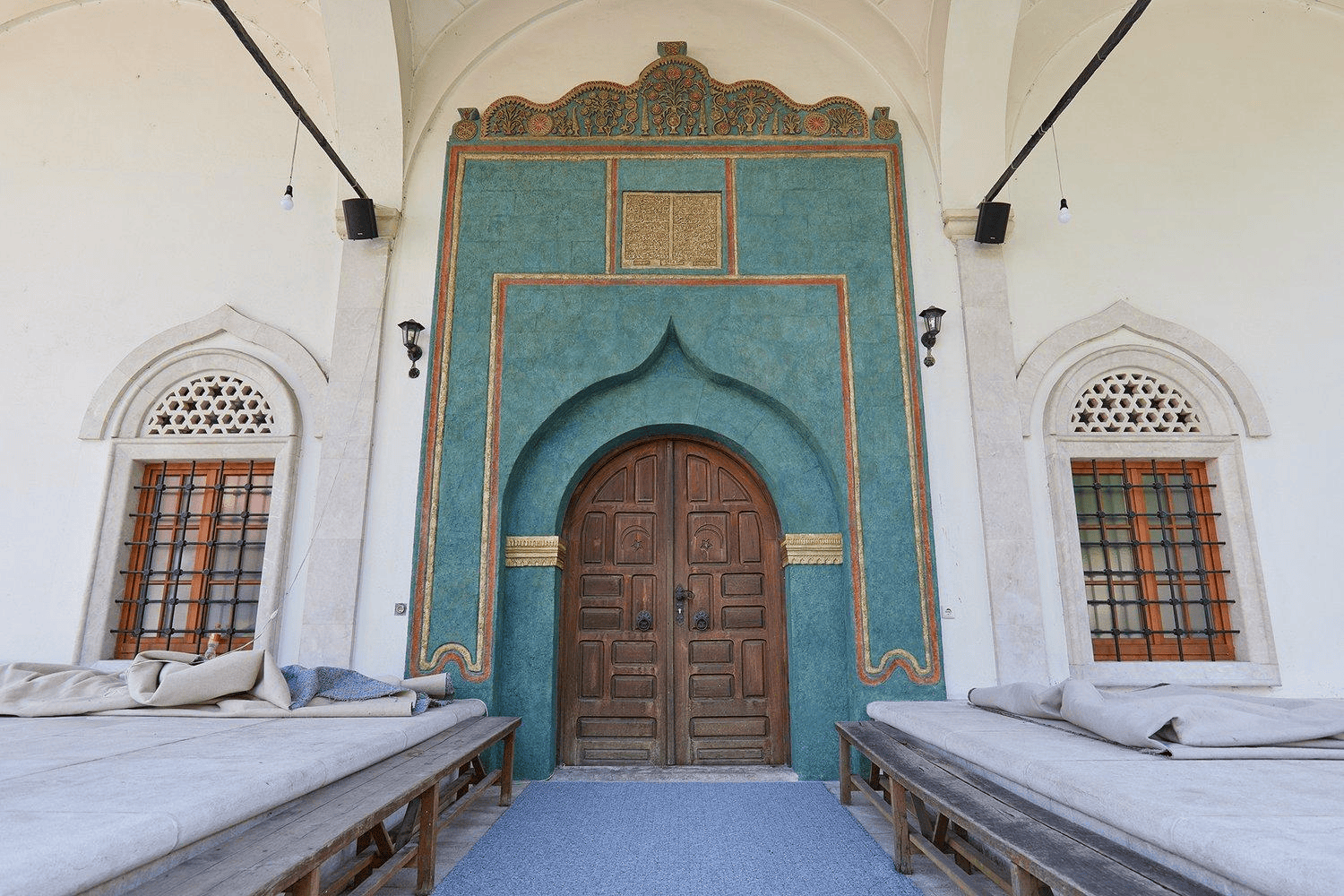
Bosnia and Herzegovina has reopened the historic Hadžiniia Mosque in the city of Gradačac after a comprehensive restoration, marking 200 years since its construction. The occasion brought back into focus one of the most prominent Islamic landmarks linked to the history of the Bosniak Muslims in the country.
The reopening ceremony on 6 September was attended by the Reis-ul-Ulema of Bosnia and Herzegovina, Husein Kavazović, and the Mufti of Tuzla, Vahid Fazlović, along with imams, officials, hundreds of Muslims and residents of the city.
The mosque was built in 1826 by Husein Kapetan Gradaščević, one of the most renowned leaders in Bosnian history, known among the Bosniaks by the title "Dragon of Bosnia." In the 1830s, Gradaščević led a movement aimed at securing greater autonomy for Bosnia within the Ottoman Empire.
The mosque still stands beneath the Gradačac fortress associated with Husein Kapetan, and together the two sites form one of the city's best-known historical landmarks. Over two centuries, the mosque has served as a place of prayer, education and religious gathering for successive generations of the region's Muslims. The complex in which it stands has also been designated a national monument of Bosnia and Herzegovina for its religious, architectural and historical value.
A fire that nearly cost the mosque part of its heritage
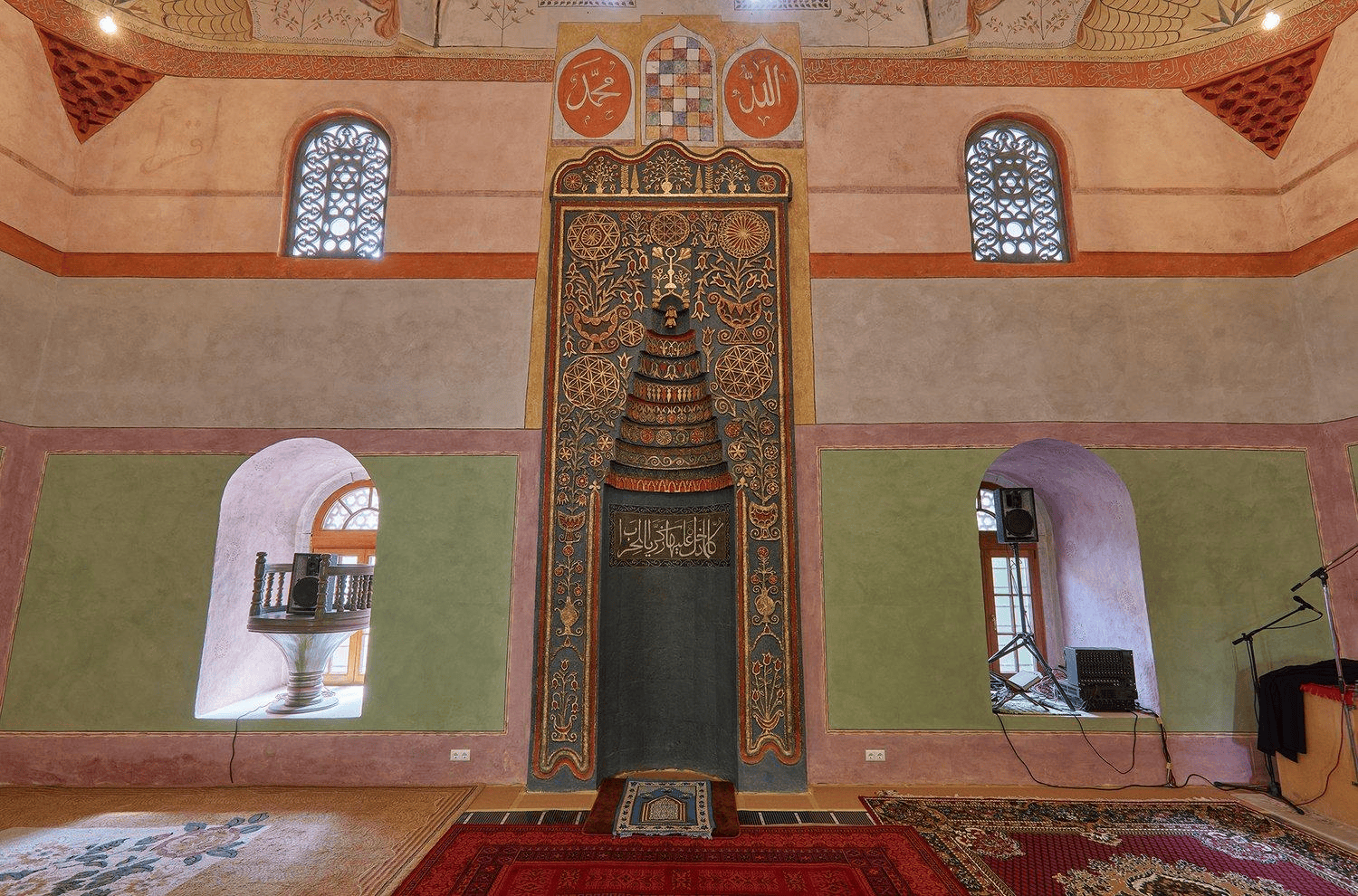
The restoration carries particular significance because the mosque suffered a fire in late 2023 that caused major damage, necessitating meticulous work to preserve the building and restore its interior decorations and historic furnishings. The Ministry of Human Rights and Refugees confirmed that the restoration works covered the building, the interior decorations and the valuable furnishings.
The restoration also revealed again the artistic richness of the mosque. Its decorations feature Arabic calligraphy, plant motifs and elements inspired by Bosnian heritage, including patterns associated with the historic Bosnian tombstones known as "stećak."
During the opening, Reis-ul-Ulema Husein Kavazović said the mosque carries special historical weight and a deep connection to the identity of the Bosniaks and their historical experience, while the Mufti of Tuzla considered that the mosque's survival for two centuries is a testament to the continuity of the Bosniak Muslims and their adherence to their religion, traditions and values.
Two centuries after its construction, Hadžiniia no longer stands only as a historic site to visit, but as a living mosque where worship continues and the Muslim community gathers, combining its religious function with its status as a witness to the history of Islam and the Bosniaks in Bosnia and Herzegovina.