

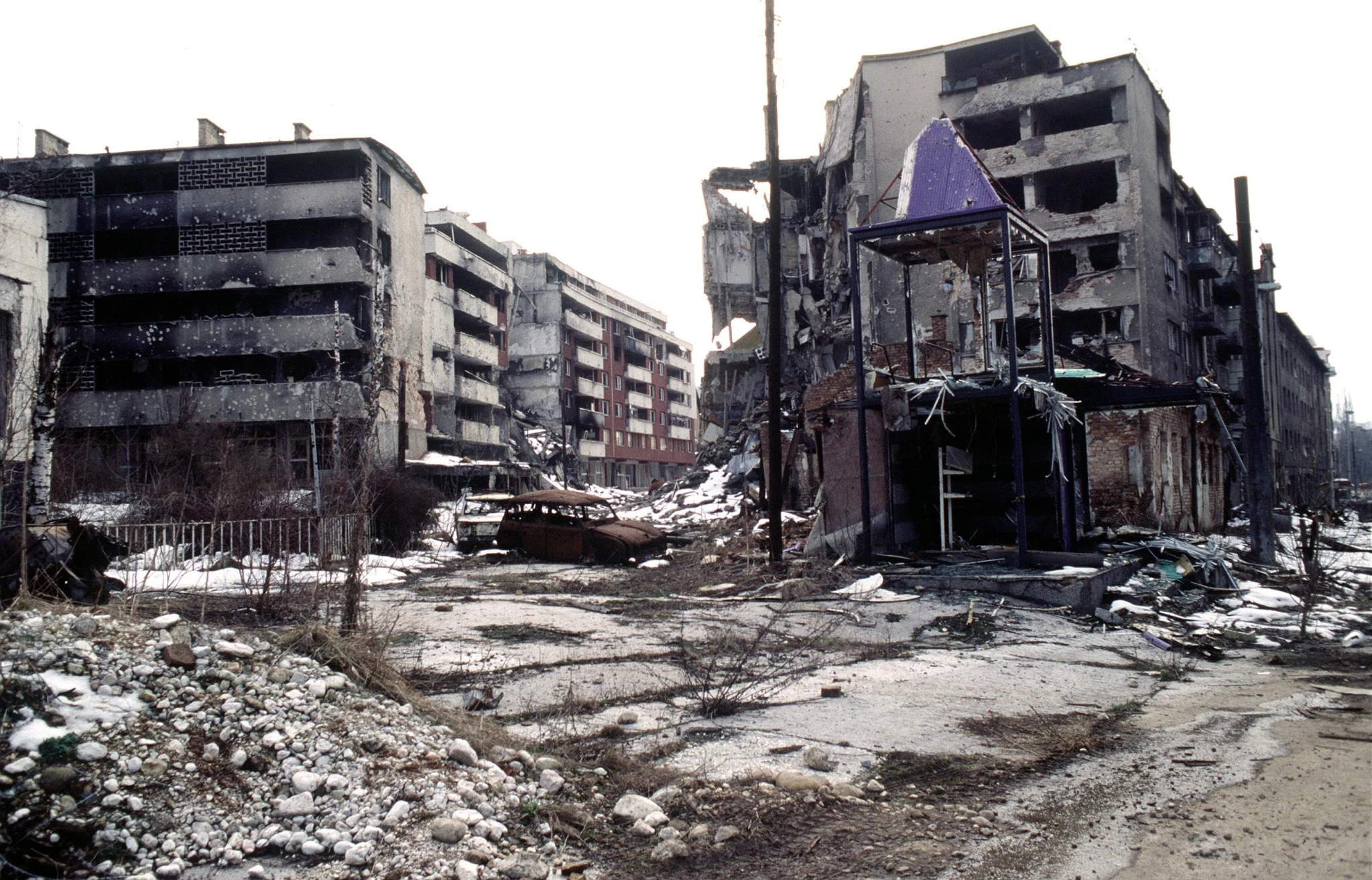
More than three decades after the end of the Bosnian War, judicial investigations continue into accusations that wealthy foreign tourists paid money to take part in trips allegedly organised specifically to kill civilians for amusement during the siege of Sarajevo by Bosnian Serb forces in the 1990s.
These trips became known as "Sarajevo Safari" or "human safari" trips, while European judicial authorities seek to identify the participants and hold accountable those whose responsibility is proven.
In November 2025, the British Broadcasting Corporation (BBC) revealed that the public prosecutor's office in the Italian city of Milan had opened an investigation into accusations against Italian citizens of travelling to Bosnia to take part in "human safari" trips, or "Sarajevo Safari."
The investigations are based on testimonies and information gathered by the Italian journalist and writer Ezio Gavazzeni, who filed a judicial complaint concerning the involvement of wealthy foreigners in targeting unarmed civilians during the years of the siege.
Testimonies that reopen the wounds of war
Accusations of foreign participation in the killing of civilians in Sarajevo had circulated for years without receiving wide judicial attention.
The case returned to the forefront in 2022, following the screening of a documentary titled "Sarajevo Safari" by Slovenian director Miran Zupanič, which included testimonies about the participation of foreigners in targeting the city's residents during the siege.
The testimonies in the film point to the possible involvement of individuals of multiple nationalities, including Italian, American and Russian, in those abhorrent practices.
The film prompted the Italian journalist Gavazzeni to conduct an independent investigation and gather testimonies and information, which he later submitted to the Italian judicial authorities, while former Sarajevo mayor Benjamina Karić helped bring the file before the judicial bodies.
Developments in the investigations during 2026
In February 2026, media outlets reported that an 80-year-old Italian citizen had been placed under investigation, becoming the first suspect whose questioning was disclosed within the case.
In March, the Spanish newspaper El País reported that the number of people under investigation in Italy had risen to three, while the investigations extended to Austria, where the judicial authorities began investigating one of its citizens in May.
In June, the Reuters news agency quoted a source familiar with the investigations as saying that the Italian prosecution had not yet gathered sufficient evidence to refer any of the suspects to trial.
In November of this year, the Milan Public Prosecutor, Marcello Viola, and his deputy, Alessandro Gobbis, spoke publicly for the first time about the investigations in an interview with the German magazine Der Spiegel.
Viola indicated that the investigation had covered about half the way, reflecting the continued judicial efforts to verify the testimonies and determine individual responsibilities, more than thirty years after the painful events.
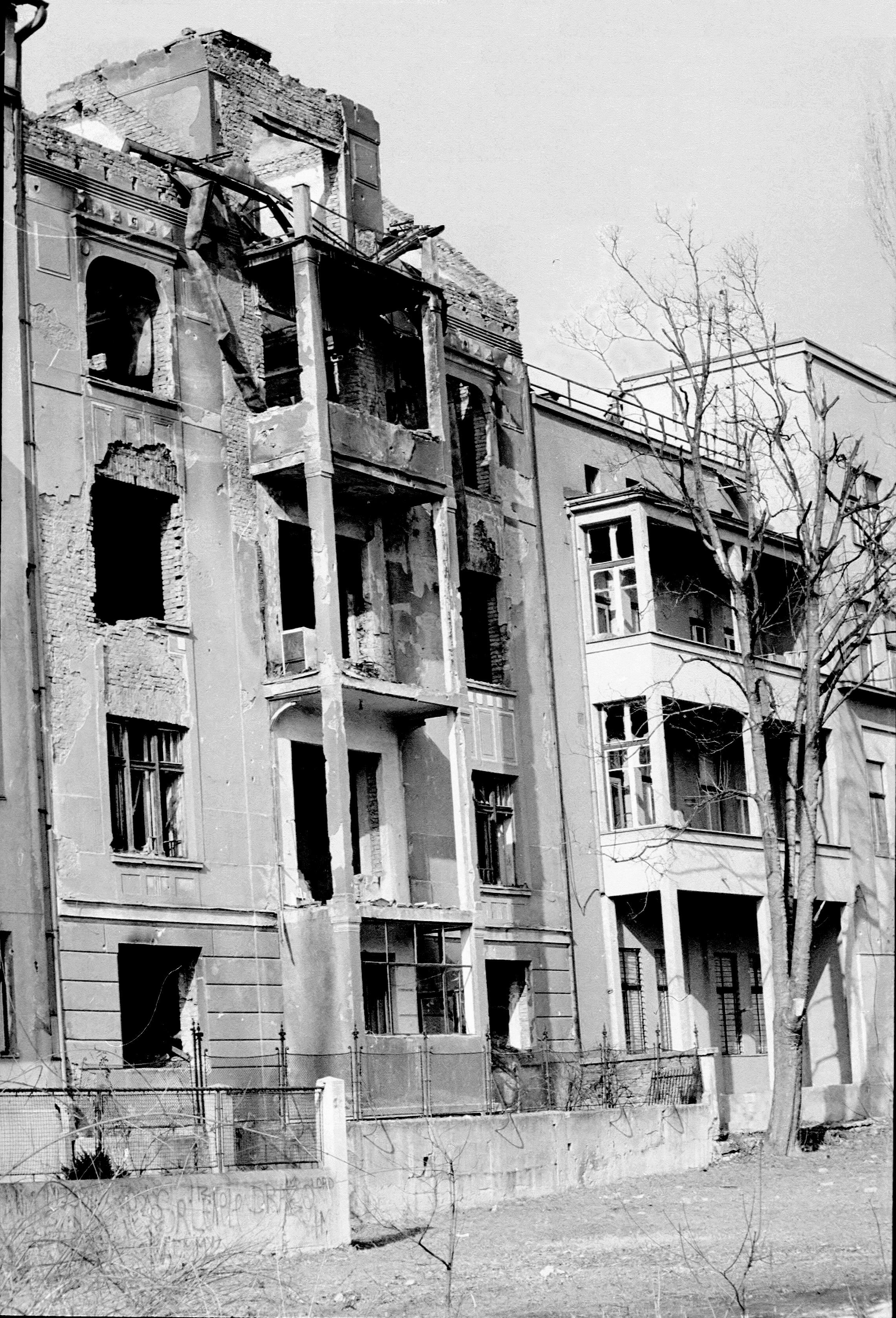
Damage from shelling on residential buildings in Sarajevo during the autumn of 1992.
The siege of Sarajevo: years of suffering
Sarajevo, the capital of Bosnia and Herzegovina, endured a siege that lasted from 1992 to 1996, following the country's declaration of independence from the former Yugoslavia.
The city's residents, which included large numbers of Bosniak Muslims, suffered from continuous shelling, killing, and shortages of food, water and medicine, while even the simplest details of daily life became challenges threatening their lives.
About 11,000 civilians were killed in Sarajevo during the years of war, from shelling and gunfire, according to estimates reported by the Reuters news agency.
The International Criminal Tribunal for the former Yugoslavia established that Bosnian Serb forces carried out a deliberate campaign against the civilian population of Sarajevo, with the aim of spreading terror among them.
In November 2006, the Tribunal's Appeals Chamber issued a life sentence against the Bosnian Serb general Stanislav Galić, on the grounds of his responsibility for crimes committed against civilians during the siege.
Responsibilities yet to be determined
The new investigations raise questions about the extent of the involvement of foreign individuals in crimes committed during the Bosnian War, and the potential responsibility of those who allowed their participation or facilitated the commission of those crimes.
The case also refocuses attention on the importance of preserving survivors' testimonies and historical documents, and of continuing to investigate crimes whose perpetrators have not all been identified, however much time has passed.
While the targeting of civilians during the siege of Sarajevo has been established by judicial rulings, the accusations concerning what are known as "human safari" trips remain under investigation and have not yet been proven by final judicial verdicts.
More than three decades on, the families of the victims and the survivors still hope to uncover the full truth and hold accountable everyone whose responsibility for crimes committed against the residents of the besieged city is proven.


