


A False Truce
As the eyes of the world turn toward diplomatic efforts aimed at consolidating calm and a ceasefire, the occupation continues its military operations and intensive shelling of residential areas and displacement camps, in a scene that reflects the stark contradiction between political statements and the reality on the ground.
While the terms "truce" and "de-escalation" are repeated in international forums, the sound of explosions still rises above the sounds of life, and civilians continue to pay the heaviest price in their lives, their dreams and their futures.
It appears that what is described as a truce has failed to provide civilians with even the minimum level of protection. They live through heavy days under the weight of fear and anticipation. Each day brings a new chapter of the humanitarian tragedy, and each hour reveals new victims falling in areas that are supposed to be safe or covered by de-escalation measures.
In one of the most painful images, a Palestinian young man - as we count him - was martyred while preparing to celebrate his wedding only a few hours later, after an airstrike targeted him during a period that was supposed to be marked by a calm on the ground. As his family was getting ready to receive guests and share the joy of a lifetime, the anticipated scenes of celebration turned into moments of grief and farewell.
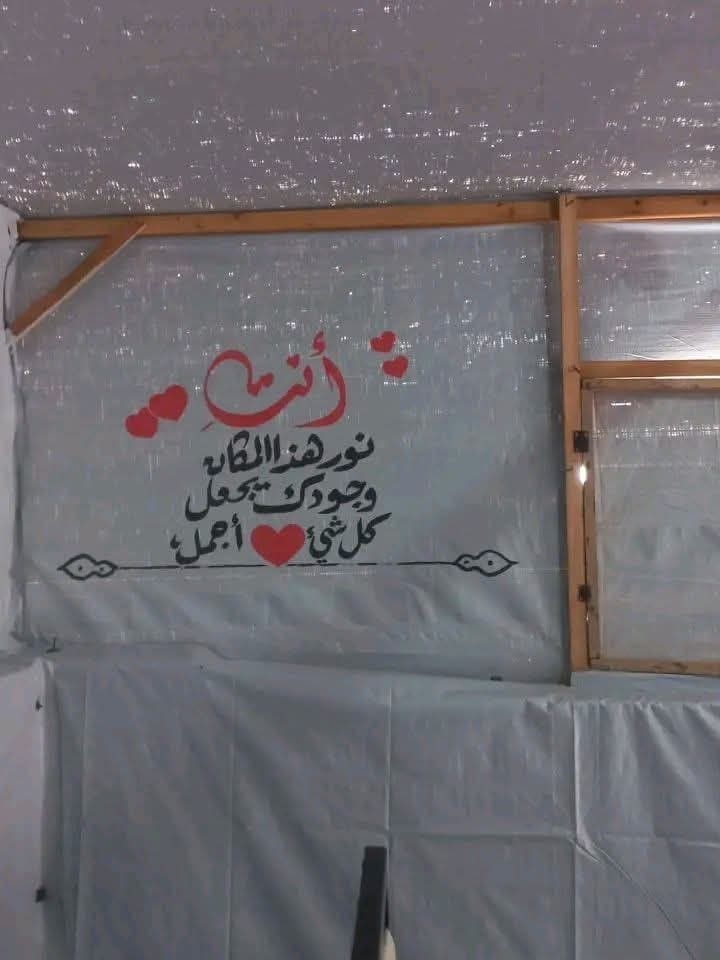
The groom, who had dreamed of beginning a new life with his life partner, found himself a new victim of the relentless shelling, and was martyred - as we count him - before he could put on the attire of joy. The decorations prepared for the celebration became witnesses to a new tragedy added to a long series of human stories that ended before they began.
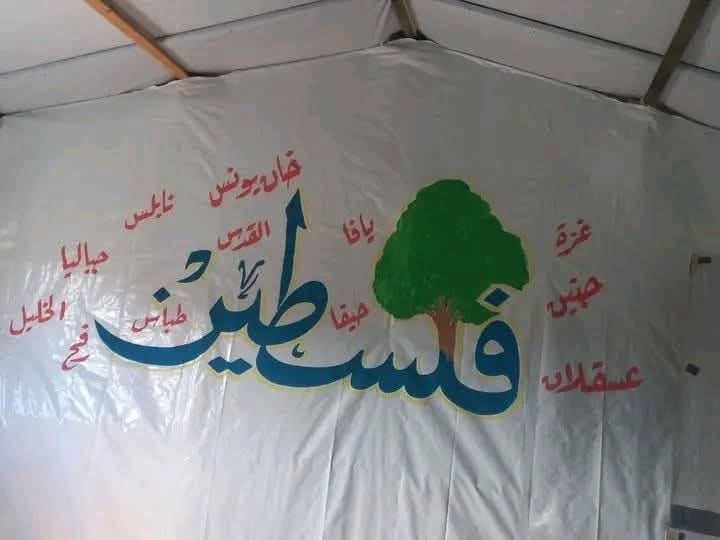
This incident was but part of a broader scene of suffering. On the same day, violent shelling targeted one of the displacement camps, resulting in the martyrdom of six citizens - as we count them - including women and children, in addition to injuries of varying severity to others. Footage from the site showed the extent of the destruction caused by the shelling, as tents and the belongings of displaced people who had sought refuge in the camp in search of safety were scattered.
Moments of sleep and rest inside the tents turned into moments of terror and death, after the airstrikes caught residents without any prior warning. Amid the screams of children and the cries of the wounded, medical crews and civil defence teams rushed to recover the victims under extremely difficult conditions and continuing security threats.
These repeated incidents reflect an exceptionally harsh humanitarian reality faced by civilians, where there are no longer safe areas in the true sense of the word, and the tents erected to shelter displaced people have become potential targets for shelling, while the circle of human losses widens day after day.
Observers believe that the continuation of military operations during periods of truce raises serious questions about the effectiveness of any agreement that does not translate directly into the lives of civilians. A truce, in its humanitarian and legal sense, is supposed to provide an opportunity to catch one's breath, allow aid to enter and protect residents, yet the reality on the ground reveals the continued fall of victims and the worsening of the humanitarian catastrophe.
The question that imposes itself strongly is: how can what is taking place be described as a truce while airstrikes continue, victims fall and camps are shelled? It is a question echoed by the families of the martyrs, by the displaced, and by everyone waiting for political promises to become a reality that guarantees civilians' right to life and security.
Under the continuation of shelling and the fall of more martyrs, the truce appears to many to be merely a headline that finds no real translation on the ground, while the humanitarian tragedy continues its chapters, and civilians keep paying the price with their blood!


