


In the early hours of the morning of 9 Safar 1448 AH, corresponding to 24 July 2026, the village of Tell, southwest of Nablus, was not simply witnessing a new settler attack. It was living through an intensified example of what the West Bank as a whole has become.
The scene began with an attack carried out by armed settlers, before Israeli occupation forces intervened in the area, turning the small village into a battlefield that ended with four Palestinians from the same family killed and others wounded. Israel subsequently announced that 2 of its officers had been killed during the clashes, after Sheikh Farouk Ramadan — may God accept him among the martyrs — managed to seize a settler's weapon and kill the two officers, and wound 3 others.
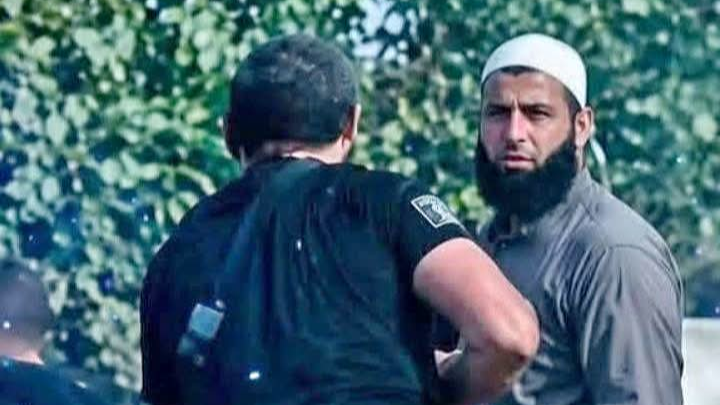
This incident was not an isolated event. It came within a continuous series of military operations, incursions, settler attacks and punitive measures, which have escalated at an unprecedented pace since the beginning of 1448 AH, corresponding to 2026. What happened in Tell reflects a broader shift in the nature of confrontation in the West Bank, where Israeli military operations are no longer limited to pursuing wanted persons or carrying out narrow security campaigns, but are increasingly intertwined with rapid settlement expansion, repeated attacks carried out by settlers, and field measures that are redrawing the geographic and demographic map of the West Bank, amid growing warnings that the region is moving toward a new phase that goes beyond conventional security escalation.
During the first months of 1448 AH, corresponding to 2026, Palestinians no longer followed the news as exceptional events, but as part of a recurring daily routine. Night raids, new checkpoints, closures, arrests, demolitions and successive announcements of settlement projects. With these measures accumulating, a new field reality has begun to take shape, raising questions that go beyond daily figures: Is the West Bank witnessing mere security escalation? Or does what is happening represent an integrated policy to reshape the reality on the ground?
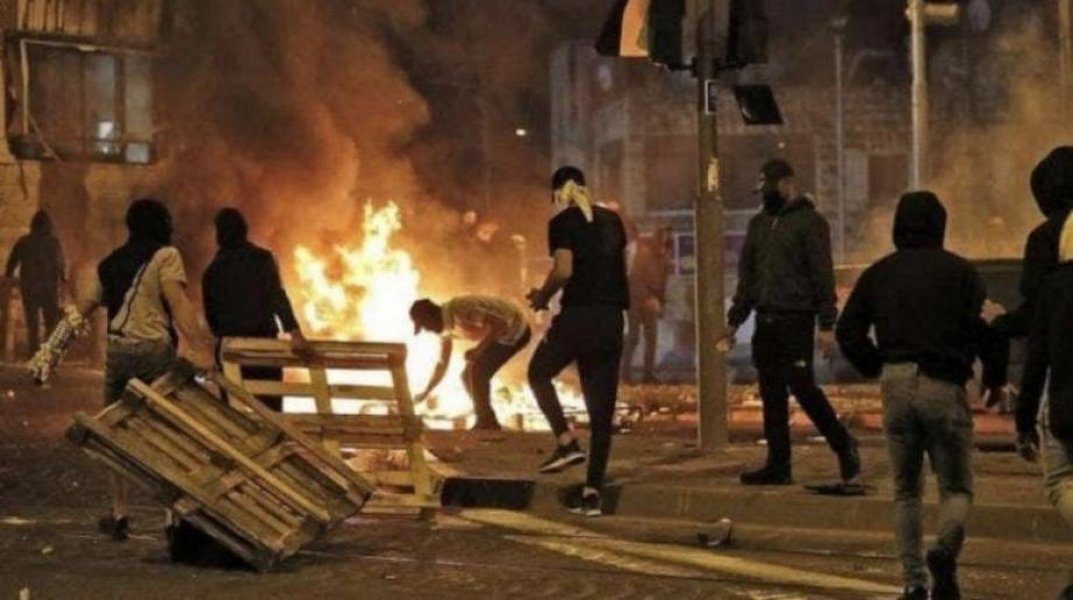
Military Incursions: From Security Operations to Permanent Presence
Since the beginning of this year, Israeli military incursions have become a daily feature in the West Bank's main cities, from Jenin and Tulkarm in the north to Nablus, Ramallah and Hebron in the south. Military raids have been repeated, including extensive house searches, mass arrests and armed clashes, resulting in dozens of Palestinian deaths and injuries.
What is striking, however, is not only the increase in the number of operations but the change in their nature. In past years, some military operations ended with a rapid withdrawal of Israeli forces after achieving specific objectives. In the current year, some cities and camps have witnessed a military presence lasting for many hours, and sometimes days, accompanied by the destruction of infrastructure, bulldozing of roads and complete closure of entrances, disrupting residents' daily lives.
The available data indicate that the United Nations Office for the Coordination of Humanitarian Affairs (OCHA) documented no fewer than one hundred military incursions into Palestinian cities in a single week in Shawwal 1447 AH, corresponding to April 2026. This figure reflects the density of military operations and the breadth of their geographic reach. These operations were also accompanied by widespread arrest campaigns and house searches, which disrupted essential services and the movement of civilians.
This pattern of operations has created a new reality in which Palestinian cities live in a state of near-permanent alert, with great difficulty in predicting the timing, duration or scope of the next incursion.
Settler Violence: From Individual Attacks to an Organised Phenomenon
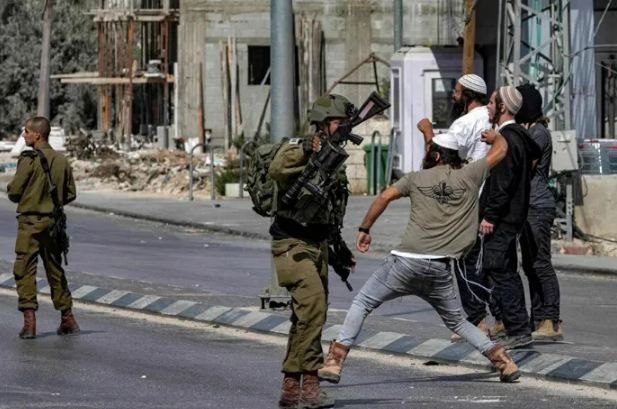
If military operations represent the official face of escalation, settler attacks have become its parallel face. Statistics record more than 3,488 attacks carried out by settlers during the first half of 1448 AH, corresponding to 2026, while the United Nations documented more than 700 attacks since the beginning of the year, at a rate of nearly six attacks per day. These attacks included shooting at Palestinians, burning mosques, homes and farms, stealing livestock, vandalising property and establishing new outposts.
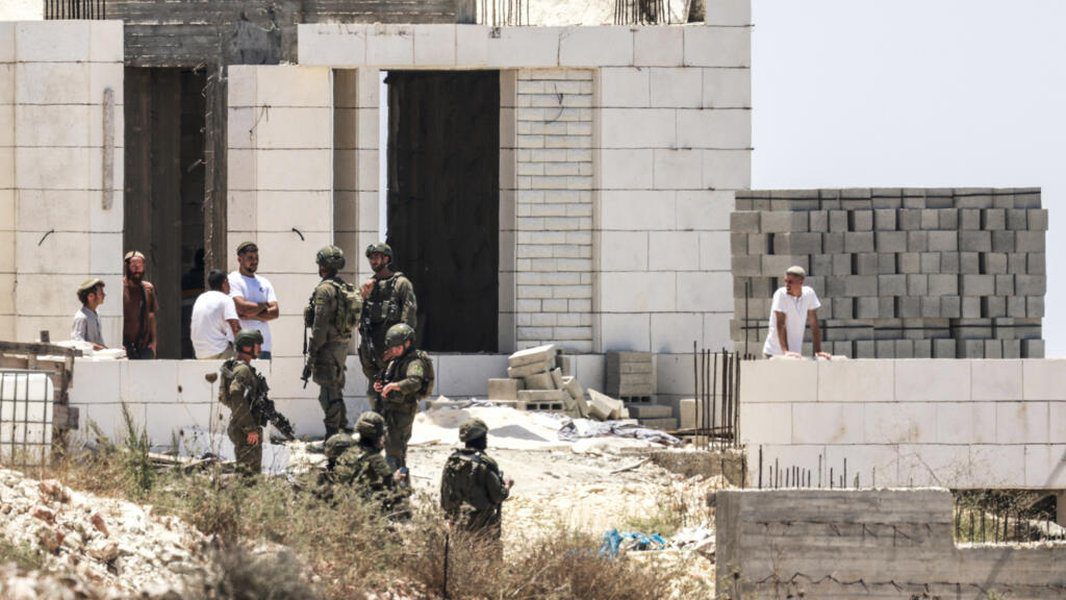
Although the nature of these attacks varies from one area to another, the common thread among them — according to human rights organisations — is that they often occur in the presence of, or under the protection of, Israeli forces, which gives their perpetrators a sense of impunity.
The events in Tell provide a clear example of this overlap: the attack began with an assault carried out by settlers, before occupation forces intervened, and the confrontation ended with Palestinian deaths. This was followed by announced Israeli measures including extensive arrests, a security meeting, decisions to accelerate the legalisation of settlement outposts, and a decision to demolish the homes of Palestinians whom Israel accused of participating in the clashes.
Settlement: Construction That Does Not Stop During War
While attention was directed toward military confrontations in the Middle East and the American-Iranian war, bulldozers continued their work in the occupied territories. On the eleventh of Safar 1448 AH, corresponding to 26 July 2026, Israeli Finance Minister Bezalel Smotrich announced a plan to build 763 new settlement units in the settlement of Eli, south of Nablus, in a project aimed at tripling the size of the settlement over the coming years.
This project was not separate from a broader context. Since 1444 AH, corresponding to 2022, the Israeli government has approved the establishment of 104 new settlements and 160 outposts, in addition to resuming construction projects in the E1 area east of Jerusalem, which many observers consider one of the most sensitive areas for the future of the West Bank.
The importance of the E1 project lies in the fact that, according to international warnings cited in the file, it could separate the northern West Bank from its south, altering the geographic map and undermining the possibility of a geographically contiguous Palestinian state.
Accordingly, the announcement of settlement units is not viewed merely as a housing project, but as part of a process of redrawing facts on the ground, making any future political settlement more complicated.
These projects coincide with the continued demolition of Palestinian homes and the confiscation of land, policies that lead to the displacement of residents, particularly in Jerusalem and the vicinity of Nablus and Bethlehem, doubling social and economic pressures on Palestinians.
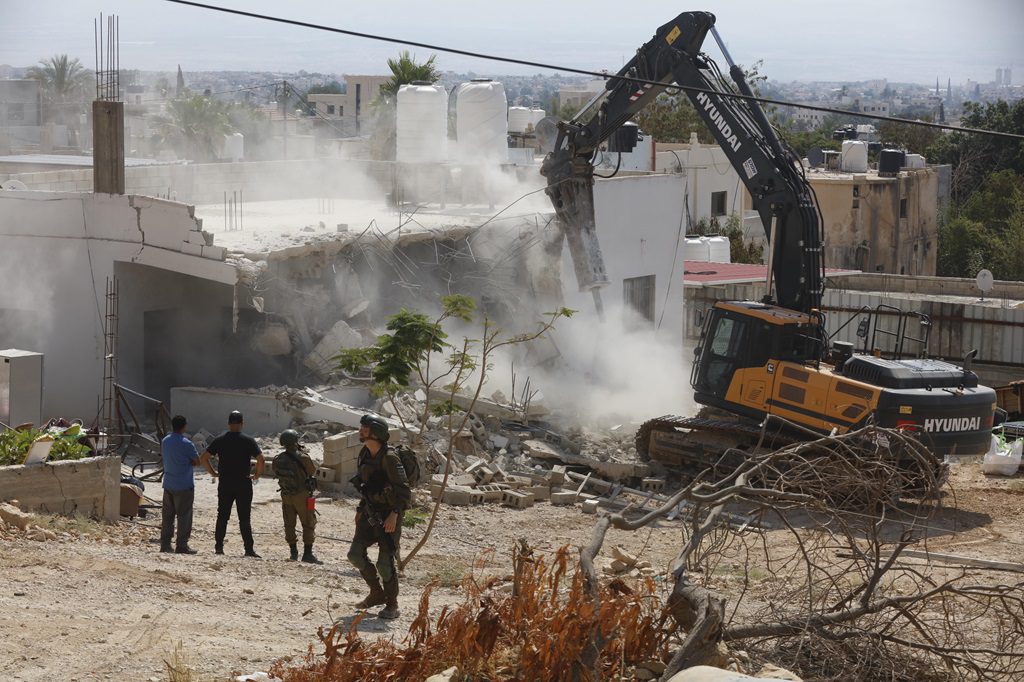
So far, the picture appears to be forming from three parallel tracks: repeated military operations, escalating settler violence, and rapid settlement expansion. These tracks do not operate in isolation from one another; they often intersect to produce a new reality that directly affects the daily lives of Palestinians.
The West Bank Between Displacement and Annexation: Is Palestinian Geography Being Reshaped?
While cameras focus on documenting armed confrontations and military incursions, another, quieter battle is taking place in the West Bank, one that may prove the most influential in the long term: the battle to reshape geography and population. Military measures intersect with settlement policies and restrictions on movement to create a new reality whose impact is not limited to the present moment but extends to the future of the entire West Bank.
The direct consequences of escalation are measured not only by the number of dead or detained, but also by residents' ability to remain in their places, the continuation of economic, educational and health life, and the extent to which Palestinians can hold on to their land in the face of mounting pressure.
When Daily Life Becomes a Struggle for Survival
Behind the figures and statistics, Palestinians in the West Bank live in a reality completely different from what it was a few years ago. Military checkpoints and repeated closures are no longer temporary security measures but a constant element of daily life. Reaching work, university or hospital can take many hours, while a journey of only a few kilometres turns into a series of checkpoints and sudden closures.
Official data indicate that during 1448 AH / 2026, the occupation intensified the establishment of military checkpoints and the closure of roads, alongside extensive incursions into Palestinian cities. This led to the disruption of schools and health services and the obstruction of ambulance movement, particularly in the areas of Jenin, Tulkarm and Nur Shams. UN organisations have also documented the displacement of tens of thousands of Palestinians as a result of continuous military operations.
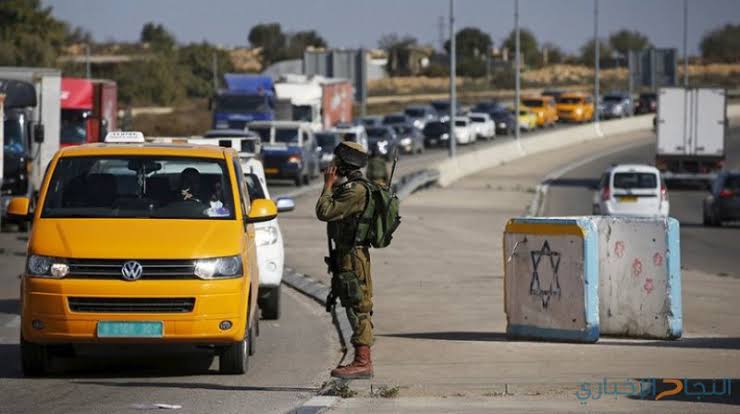
The repercussions of these measures are not limited to the humanitarian dimension but extend to the Palestinian economy. Restrictions on movement lead to a decline in commercial activity, disrupt supply chains, and reduce the incomes of thousands of families who depend on daily movement between cities and villages.
Economic experts say that the continuation of this situation over long periods does not create a temporary crisis, but changes the economic structure of Palestinian society and pushes entire sectors toward contraction.
Silent Displacement: When Departure Becomes a Forced Choice
Displacement operations are not always measured by official decisions or mass transfers of population. In many cases they begin with smaller steps: a home threatened with demolition, a closed road, agricultural land that can no longer be reached, or repeated attacks that push a family to leave.
These combined factors have contributed to rising numbers of displaced persons within the West Bank during 1448 AH / 2026, with the continuation of home demolitions, land confiscations and the expansion of settlement activity, while military operations have forced tens of thousands to leave the camps of Jenin, Tulkarm and Nur Shams.
Human rights organisations argue that this pattern cannot be separated from the surrounding security environment, as repeated incursions and attacks create continuous pressures that gradually push residents to leave their areas, even without a direct decision to evacuate them.
International law experts warn that forced displacement is not limited to direct expulsion, but also includes policies that make staying in a particular area extremely difficult.
The International Community: Growing Warnings Without Tangible Change
As events escalate, international warnings have begun to take on a sharper tone. In Dhu al-Hijjah 1447 AH / June 2026, thirteen United Nations Special Rapporteurs issued a statement warning that the escalation of settler violence has become a means of imposing forced displacement on Palestinians, affirming that levels of violence have reached unprecedented levels during the year, with the scope of attacks and land seizures widening.
In the same context, international human rights organisations said that continued impunity has contributed to the escalation of attacks, warning that the absence of accountability encourages the repetition of violations.
Criticism has not been limited to international institutions. Unusual voices have also emerged from within Israel itself: some six hundred former Israeli security and military officials signed an open letter to the American president, warning that the continuation of settler violence and settlement expansion policies could lead to serious security repercussions, stating that terrorism is not linked to the identity of its perpetrators and that the continuation of current policies threatens stability in the long term.
Hundreds of former European ministers and diplomats also called for urgent European action to halt settlement projects, particularly in the E1 area, warning that completing these projects would undermine any possibility of establishing a geographically contiguous Palestinian state.
Despite the multiplicity of these positions, they have not yet translated into practical measures capable of producing a tangible change in the reality on the ground.
Has the Nature of the Conflict Changed?
Perhaps the most important question that imposes itself after following current developments is whether the West Bank is witnessing mere security escalation, or whether it has in fact entered a different phase in the management of the conflict. The facts reveal the simultaneity of four main tracks:
Each of these tracks may appear separate when viewed in isolation, but their temporal and spatial simultaneity gives them a cumulative effect that gradually reshapes the reality.
Therefore, understanding what is happening in the West Bank is no longer possible through daily event-tracking alone; it requires looking at the full picture, in which politics, security, settlement and the economy intertwine in a single scene.
Military incursions are no longer an exceptional event, settlement is no longer a postponed project, and settler violence is no longer viewed as isolated incidents, while civilians face a reality in which the capacity of local and international institutions to provide protection or halt the deterioration is diminishing.
Despite warnings issued by the United Nations, human rights organisations and even former Israeli security figures, the facts on the ground indicate that the pace of escalation continues, and that the West Bank stands before a phase that may be the most sensitive in years.


