

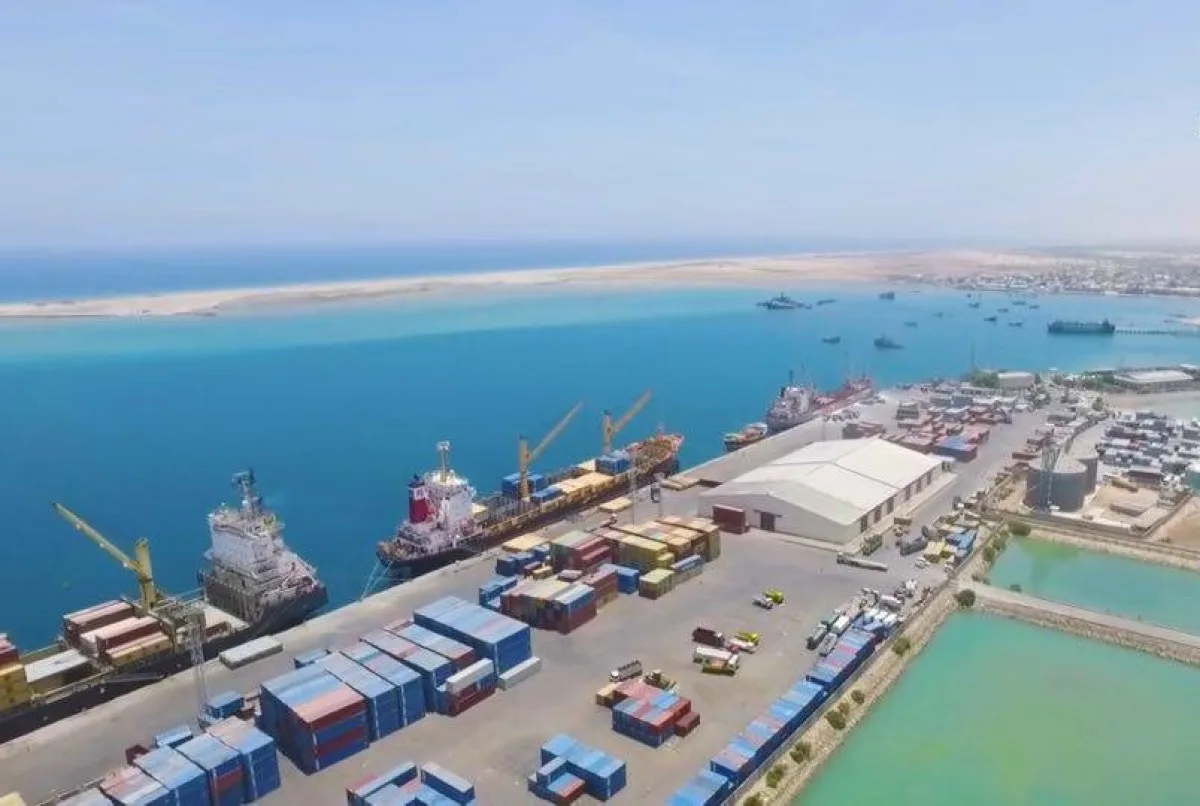
Press reports have revealed extensive military construction underway at Berbera Airport in northwest Somalia, indicating a possible transformation of the air facility into a strategic military base serving regional and international interests linked to the Red Sea and the Gulf of Aden.
According to an investigation published by the French newspaper Le Monde, which relied on satellite images taken between October 2025 and March 2026, major expansion work is underway south of the airport runway, including the excavation of at least 18 large sites believed to be designated for fortified military installations.
The newspaper quoted European security sources as saying these excavations may be prepared for underground storage facilities for weapons and fuel, designed to withstand potential air attacks, especially amid rising tensions in the Red Sea region and attacks by the Houthi group in Yemen on international navigation.
The report noted that the project is being carried out by the United Arab Emirates, based on a defense agreement it signed with the authorities of Somaliland in 2017. However, the new military infrastructure may be part of broader security arrangements involving the United States and Israel, aimed at strengthening influence and surveillance in one of the most important maritime areas in the world.
A Strategic Position at the Gateway to the Red Sea
Berbera's importance stems from its geographic location overlooking the Gulf of Aden, opposite the Yemeni coast and near the Bab al-Mandab Strait, a key passage for global trade that connects the Red Sea with the Indian Ocean.
Berbera Airport has one of the longest runways in the Horn of Africa region, allowing it to receive large military aircraft, which gives it high logistical value should it be used as a naval observation point or a support hub for military operations in the area.
Observers believe that control of or influence over military facilities in this region provides the ability to monitor the movement of ships and security developments in Yemen and the Red Sea, amid growing competition among international and regional powers over trade and energy routes.
Reports of Security Cooperation with the Israeli Occupation
The Le Monde investigation also described visits by Somaliland security officials to Tel Aviv for training, in addition to the observed presence of Israeli intelligence personnel in Berbera. It noted that this information coincides with earlier reports of security contacts between the two sides before the announcement by the Israeli entity of its recognition of Somaliland in December 2025.
Israel's decision to recognize Somaliland provoked angry reactions, but without the ability to curb Israeli interventions in northern Somalia.
Despite repeated denials by the Somaliland authorities of plans to establish an Israeli military base, the report quoted a senior presidential official as saying that options for defense cooperation had not been ruled out, indicating continued openness to expanding security partnerships.
Rivalry for Influence in the Horn of Africa
Developments around Berbera Airport come at a time when the Horn of Africa is witnessing growing competition among regional and international powers, with the Red Sea's importance increasing as a vital corridor for global trade and an arena for security conflicts.
At the same time, any military arrangements in Berbera face significant political sensitivity due to the ongoing dispute over Somaliland's status, which declared its separation from Somalia in 1991 without gaining wide international recognition.
No official statements have yet been issued by the United Arab Emirates, Israel or the United States regarding what was reported in the Le Monde investigation.
Berbera Airport remains a potential focal point of geopolitical rivalry in the region, where international security interests intersect with questions of sovereignty and regional conflicts in Somalia and the Horn of Africa.


