


Yesterday, Thursday, a military convoy described as large set out, composed of the Malian army, local militias and the Russian Africa Corps.
The convoy consisted of 60 armoured vehicles and other vehicles, included 200 Russian personnel and 100 Malian personnel, and was under air cover from drones. The convoy's objective was to break the siege of the Anefis camp.
News of the convoy spread on social media in Mali, which revealed its departure time and direction. The Azawad Liberation Front and the Group for Support of Islam and Muslims then carried out multiple attacks and ambushes along the convoy's route.
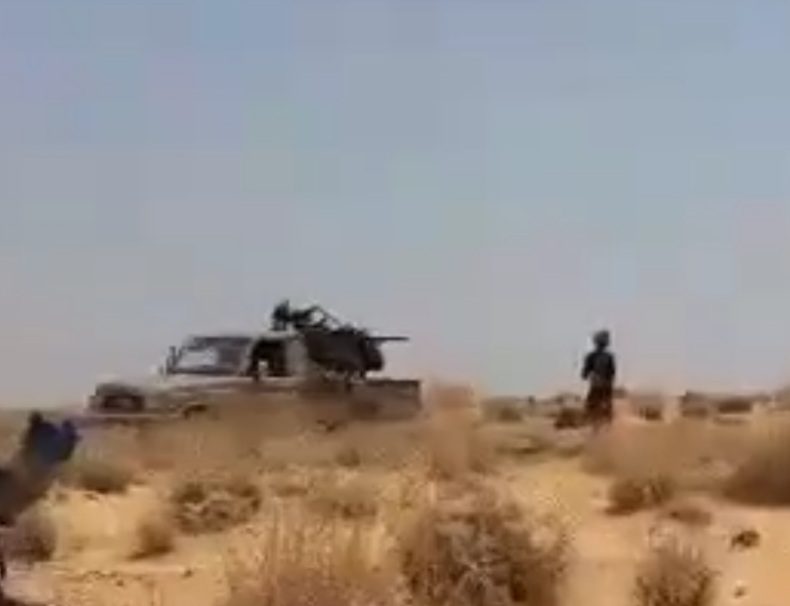
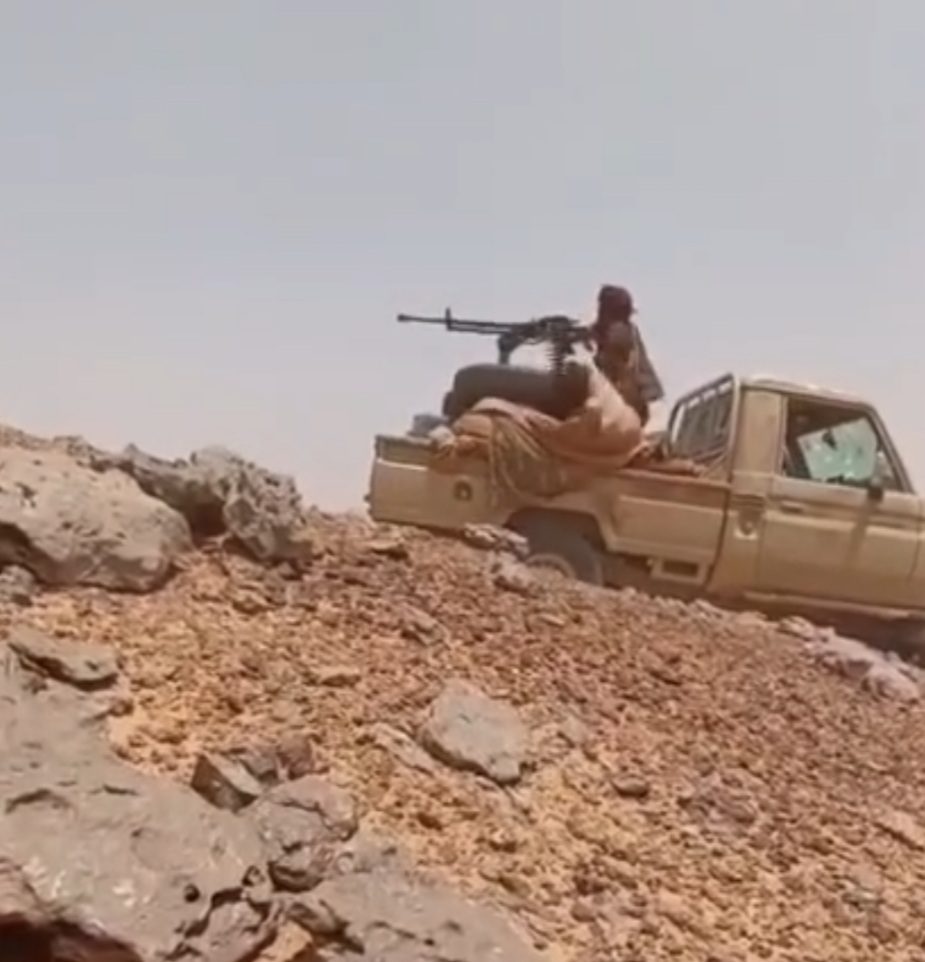
Images of clashes between Azawadi forces and the convoy
When the convoy reached Tabankort in Mopti, the Front and the Group launched a major attack on it, which forced the convoy to halt its movement towards the camp and return to areas of southern Mali.
Local sources in Azawad reported that the Front and the Group were able to shoot down drones guarding the convoy and destroy a total of 24 armoured vehicles and other vehicles, according to a preliminary toll.
The Malian army and the Russian Corps had destroyed armoured vehicles they abandoned. According to sources, a number of Malian army personnel and local militia members were captured, as well as 6 Russian soldiers.
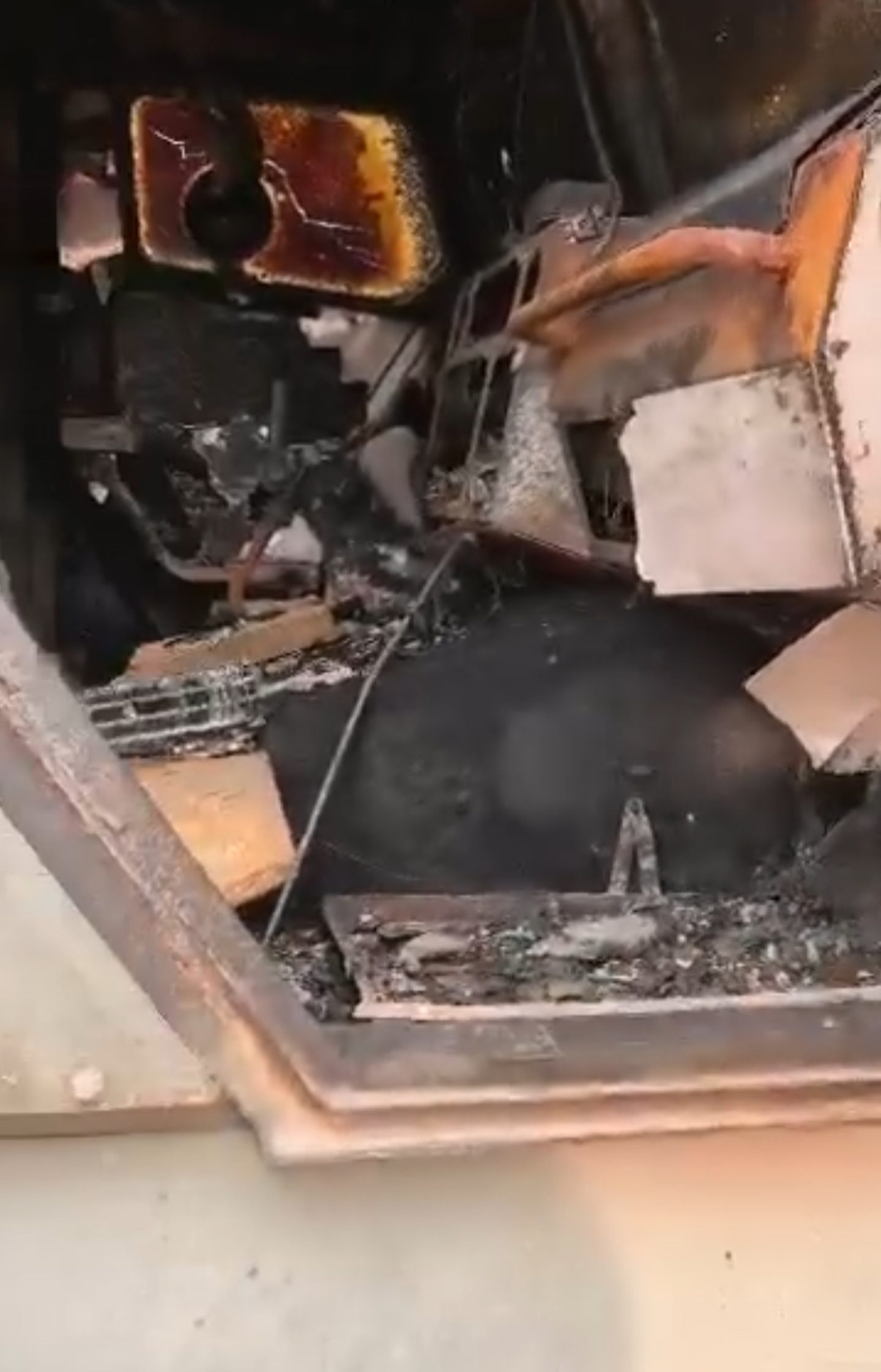
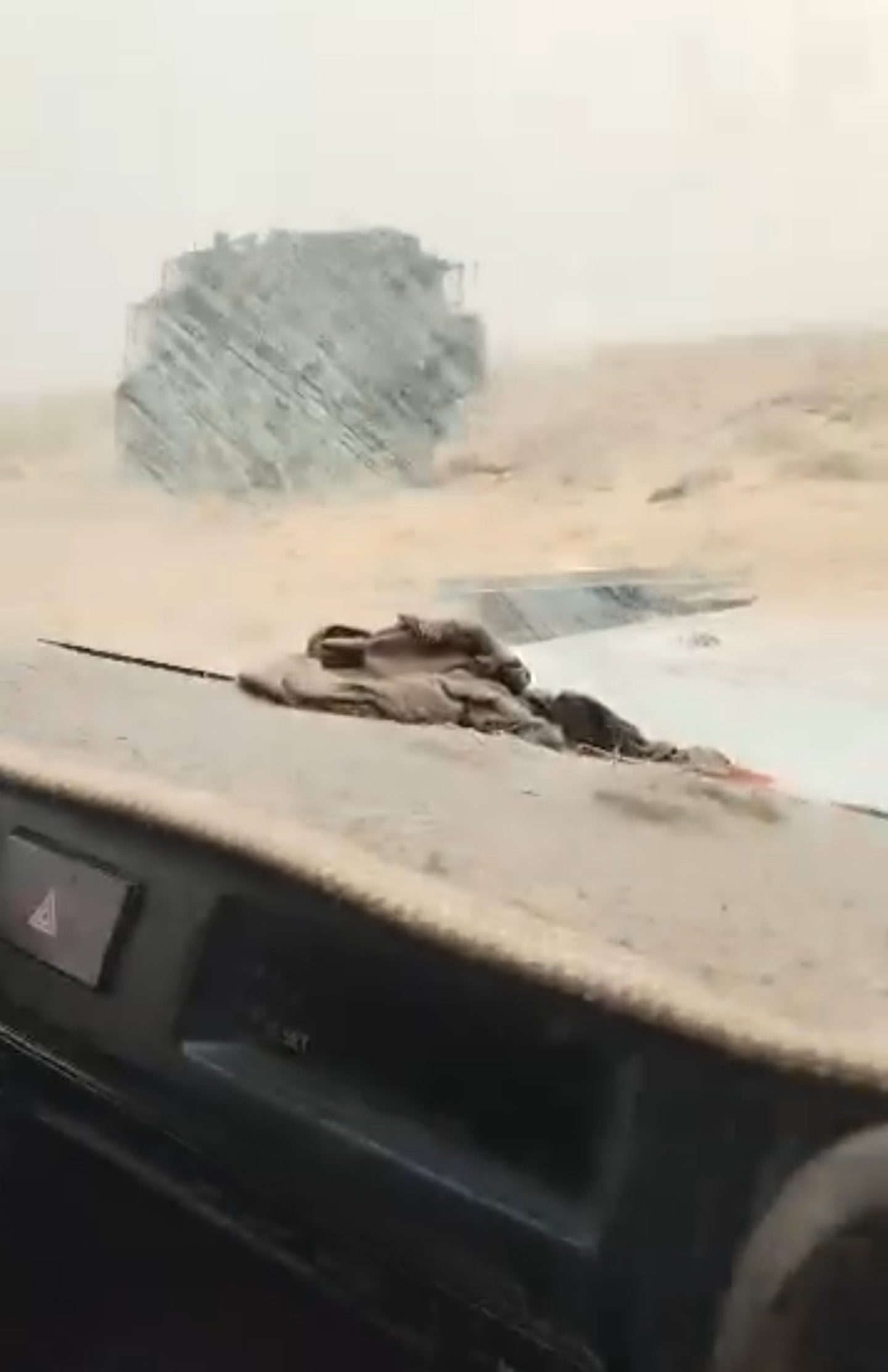
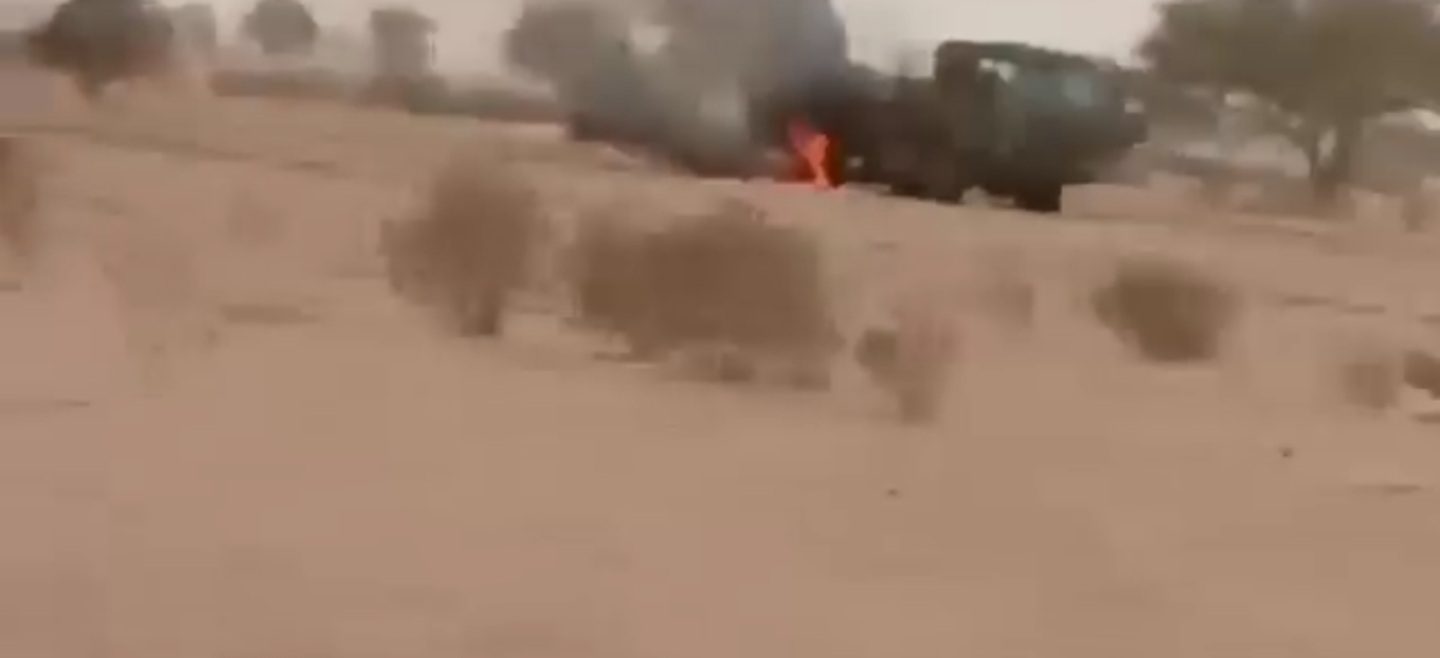
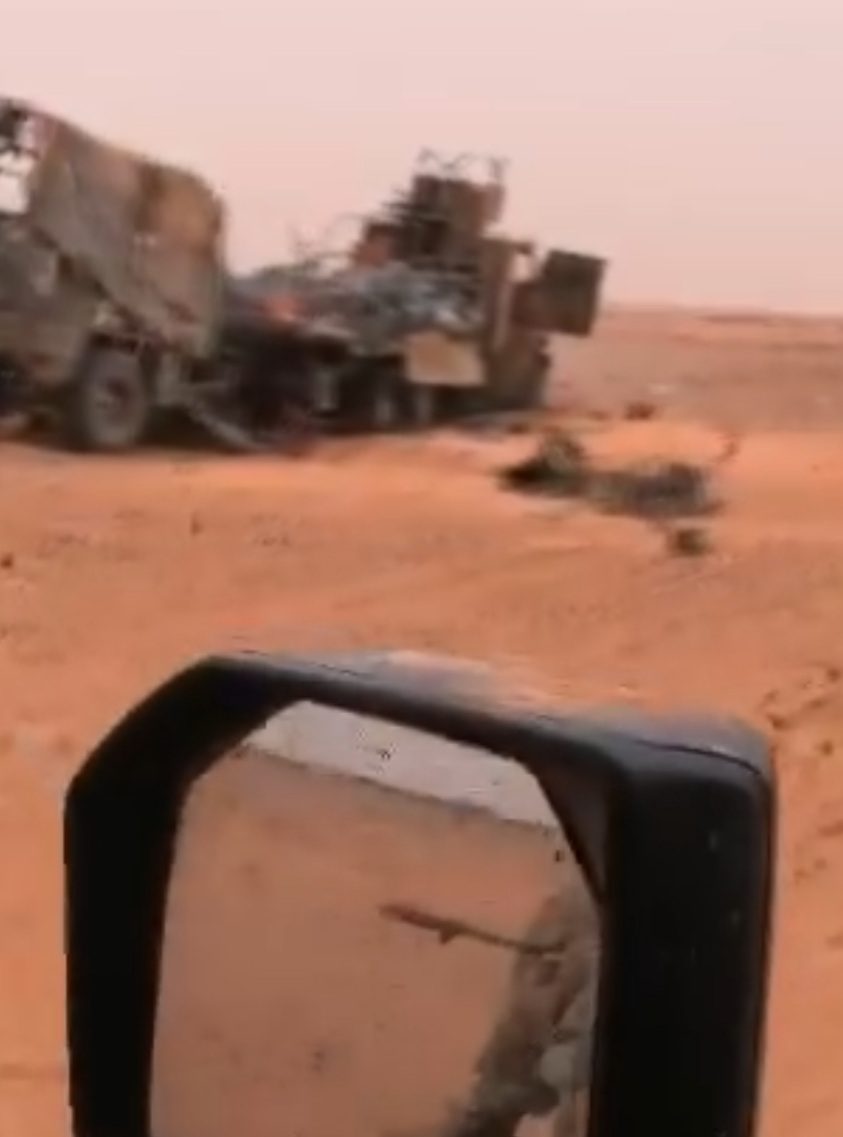
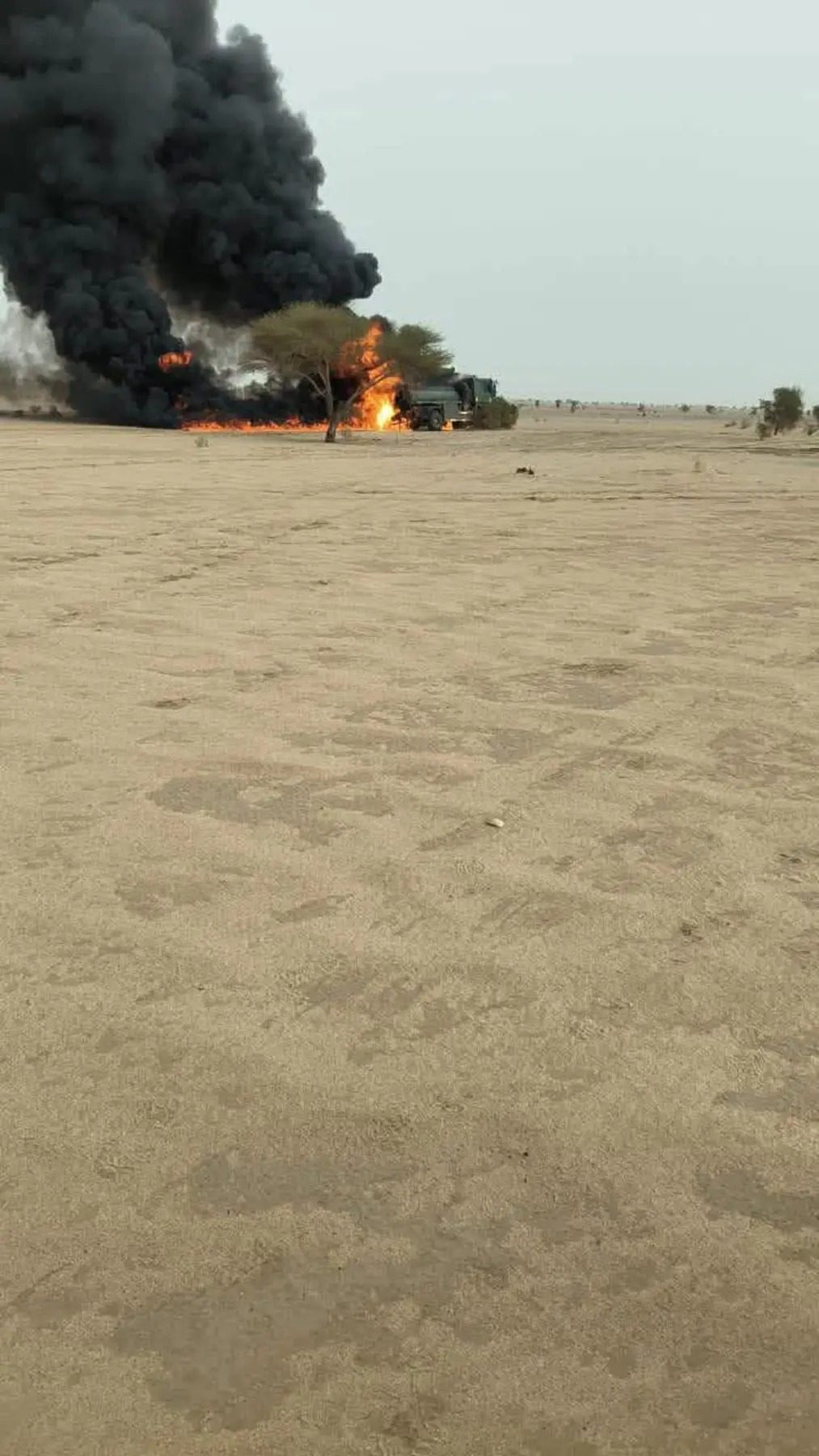
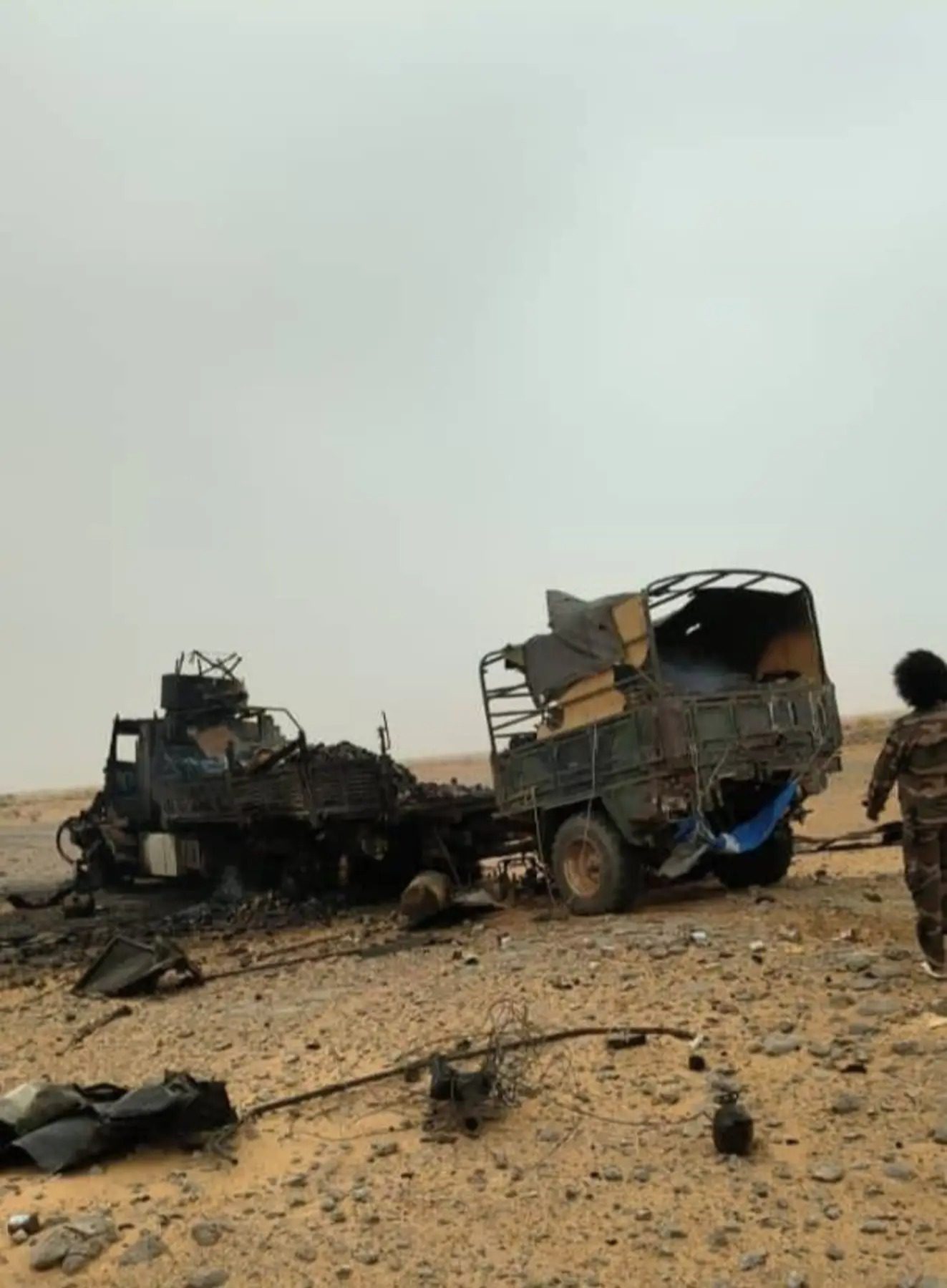
Images of the destroyed armoured vehicles
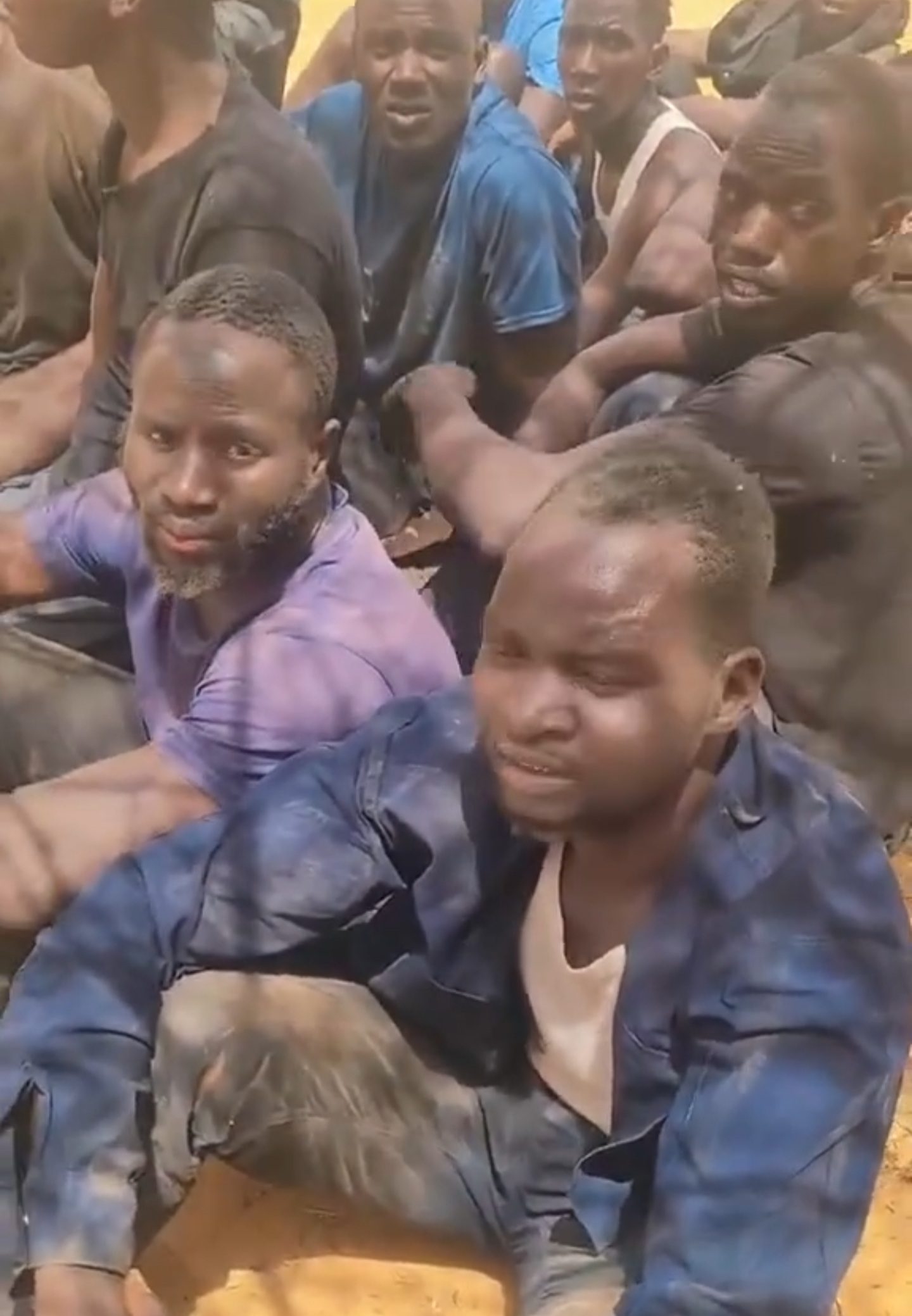
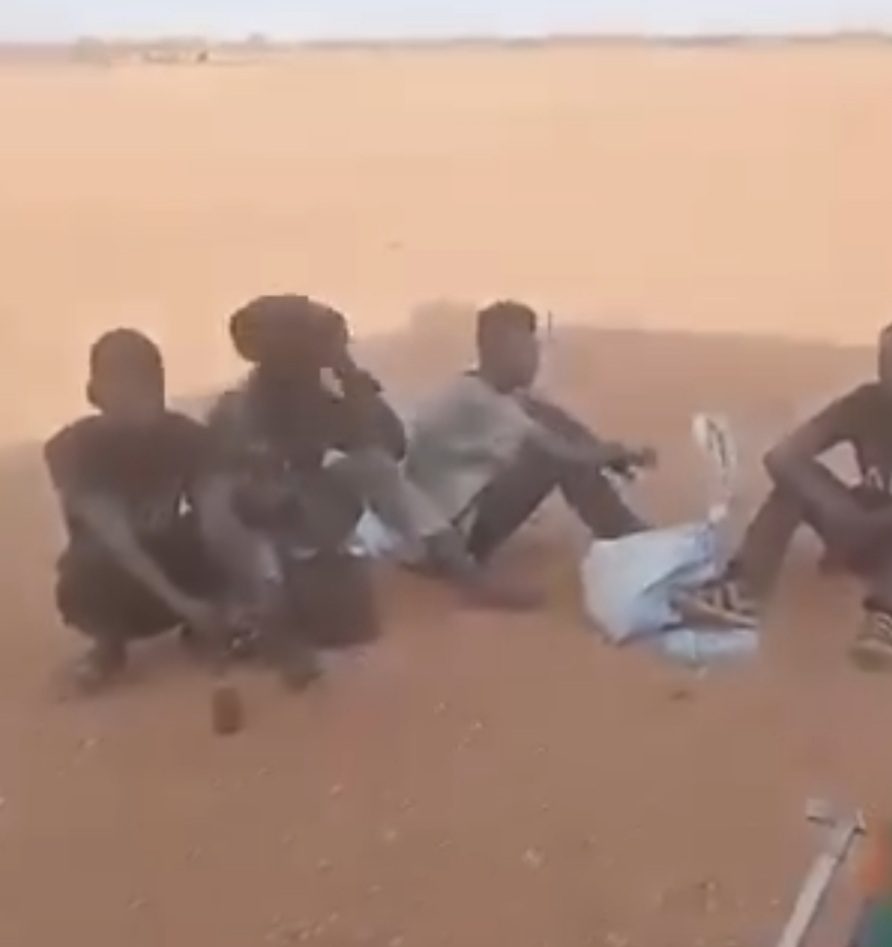
Images of the prisoners
Reports emerged of the capture of a senior Russian officer, without further details. Local sources also reported the killing of the Malian convoy commander, "Colonel Taher Mega."
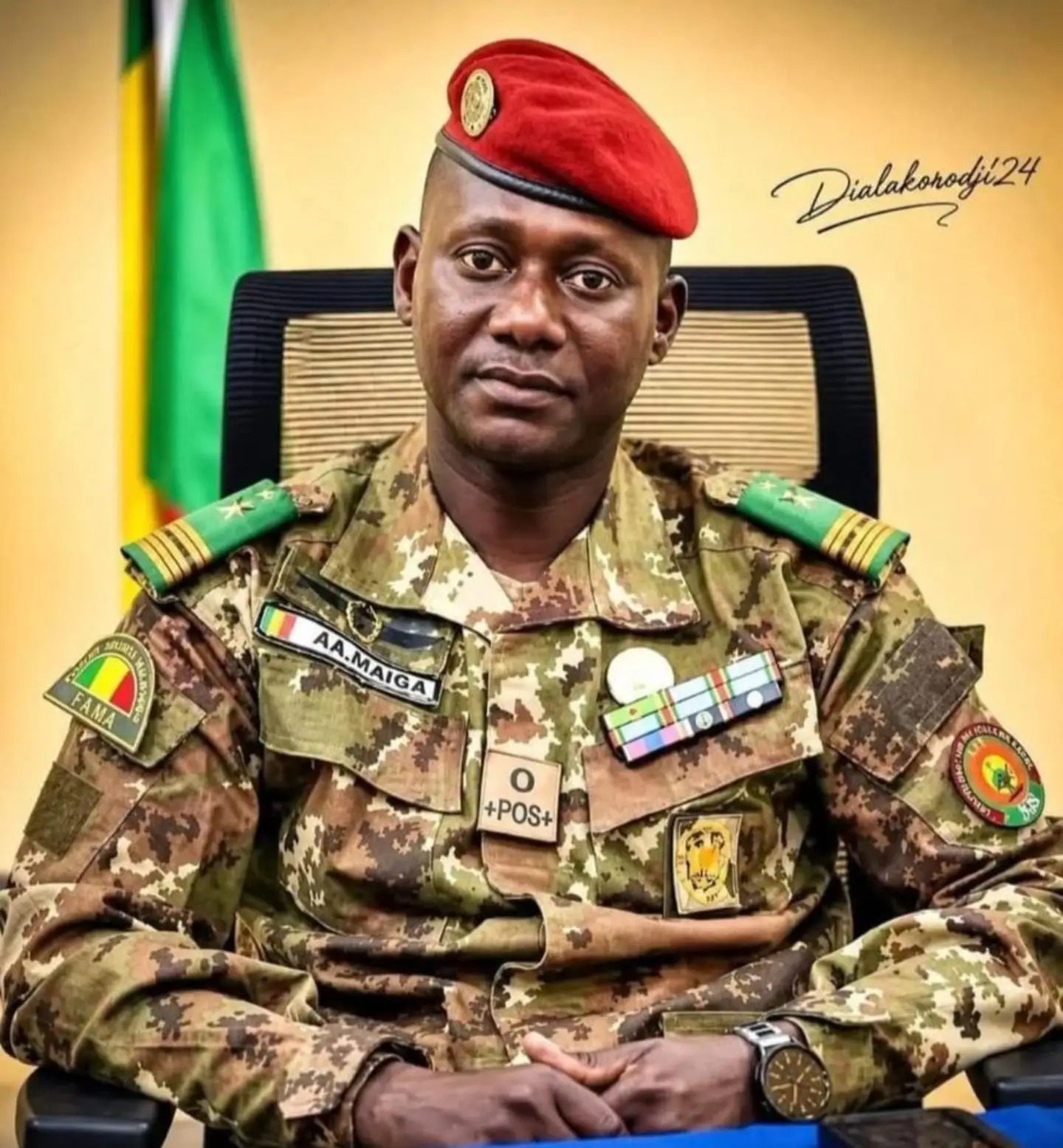
Image of the convoy commander
After the battle in Tabankort ended, the Group for Support of Islam and Muslims announced its control of areas in the Mopti region of central Mali.
Amid the heavy losses, the Malian army and the Russian Corps attempted to conceal them: both sides claimed the convoy's mission had succeeded, and even that the town of Anefis had been liberated, by publishing old images of the camp.
On the ground, however, the town of Anefis remains under the control of the Liberation Front.
The Malian army and the Russian Corps follow a policy of media deception, exploiting the absence of news correspondents in the Azawad region to verify their statements.
They thus monopolise the publication of their narrative abroad and give viewers the impression that the Malian army fully controls the region.
It has also been observed that whenever the Malian army suffers losses in its ranks, it rushes to publish a statement claiming to have neutralised 100 or more of those it describes as terrorists.


