

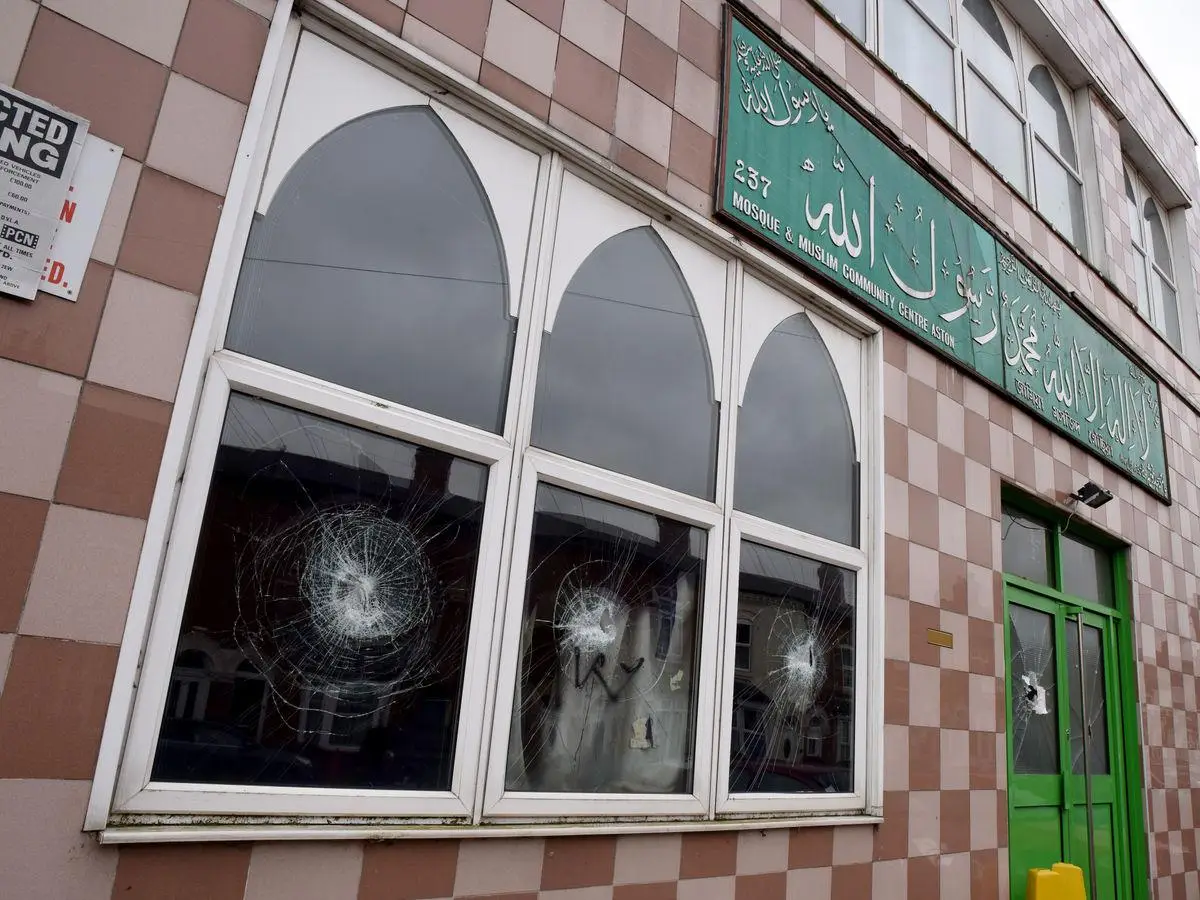
New data in Britain reveals a notable increase in the severity of attacks on mosques and Islamic sites, with a rise in the proportion of attacks involving serious violence or arson, and the emergence of plots that could result in large numbers of casualties, at the same time as the government has spent tens of millions of pounds on protecting mosques and Islamic centres.
An investigation published by ITV News on Friday, 25 September 2026 (14 Rabi al-Akhir 1448 AH), based on data from the British Muslim Trust, the body that works with the British government to monitor hatred against Muslims, showed that recorded attacks on Islamic sites are not only increasing in number but have become more severe.
The organisation classifies incidents according to seven levels, starting from simple symbolic offences at Level 1 and ending at Level 7 with pre-planned plots that could result in large numbers of casualties.
The data showed that attacks classified at Level 6, which include serious harm caused by arson or violence, rose from 3.7% of recorded cases between July and October 2025 to 19.6% between November 2025 and July 2026.
In a more serious development, incidents classified at Level 7, which covers plots that could result in large numbers of casualties, appeared for the first time, accounting for 3.9% of cases in the most recent period.
As a result, Levels 6 and 7, the two most severe categories in the classification, together now account for nearly a quarter of the attacks recorded on Islamic sites.
Persistent threats and harassment classified at Level 4 also rose from 11.1% to 29.4% of cases, approximately three times their previous share.
More than 70 Attacks on Mosques in One Year
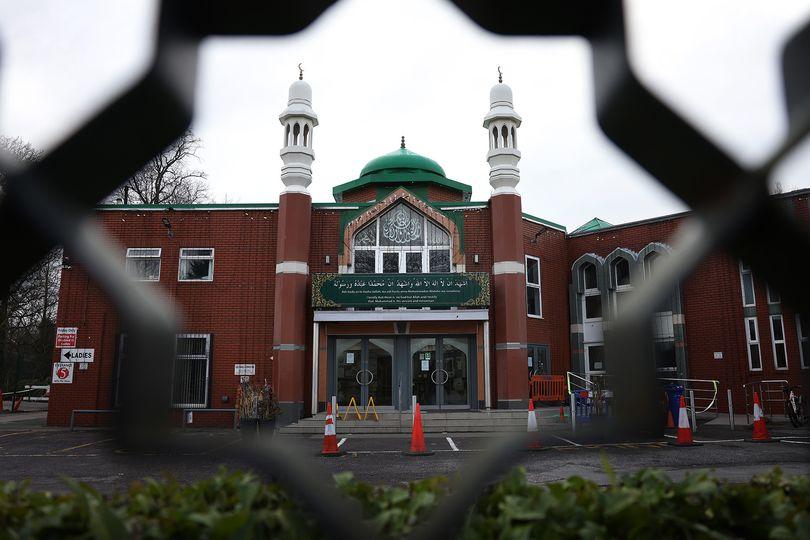
The new data follows the British Muslim Trust's announcement in July that more than 70 attacks on mosques in Britain had been recorded over a single year, including violence, intimidation, property damage, harassment, hate speech and vandalism.
According to the organisation, this means that a mosque in Britain is attacked on average every five days.
The Trust's data for the period between July and October 2025 alone documented 27 incidents targeting mosques, with the monthly number rising from one incident in July to eight in August, nine in September and nine more in October.
Offensive Phrase on an Islamic Centre in Manchester
ITV News' investigation highlighted a number of cases, including the targeting of the British Muslim Heritage Centre in Manchester, where unidentified persons wrote a phrase insulting Muslims on the wall of the historic building.
Centre officials said the incident caused fear, particularly among the women and children who attend it, and that after the attack the centre was forced to strengthen protective measures and hire more security personnel, and to coordinate more closely with the local police.
The centre noted that the funds it has had to allocate to security come at the expense of some of the community programmes and services it had been providing.
£66 Million to Protect Mosques After the Southport Unrest
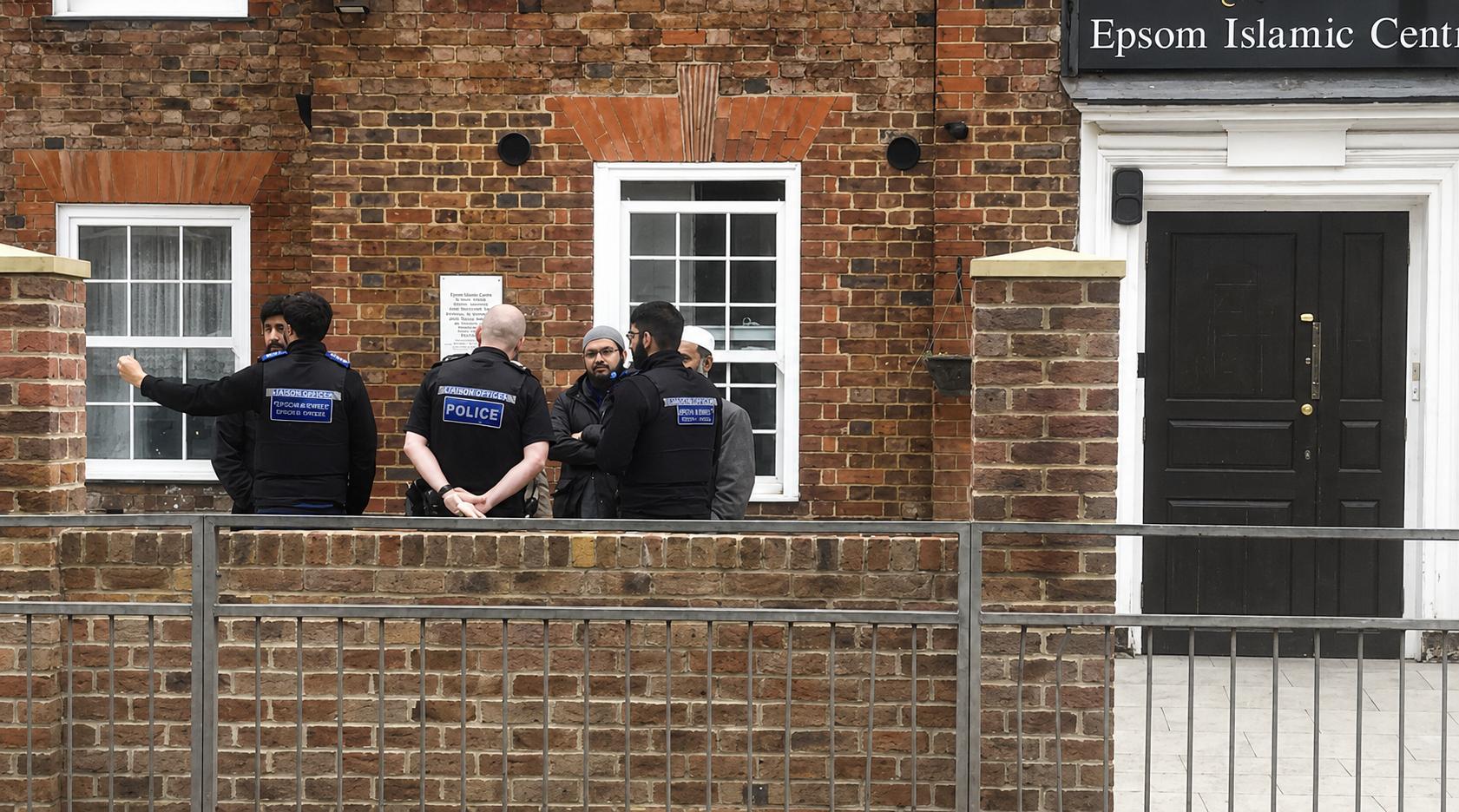
Alongside the publication of the attack data, figures obtained by The Guardian under a freedom of information request showed that the British Home Office allocated a record £66 million to protect mosques and Islamic community sites during the unrest that followed the Southport attack in 2024.
Total emergency funds allocated to protect places of worship during that unrest came to almost £69 million, meaning that the bulk of it went to mosques and sites linked to Muslim communities.
The measures came after false information spread online following the Southport attack, claiming that the attacker was a "Muslim asylum seeker", before violence targeted mosques, Islamic centres and hotels housing asylum seekers.
Other figures show the scale of the growth in protection needs: funding allocated to mosques, Islamic schools and related sites under the government protection programme rose from just over £73,000 in 2016-2017 to around £3 million in 2022-2023, then £29 million in 2024-2025, reaching a record of around £41 million in the year ending April 2026.
Akila Ahmed, Chief Executive of the British Muslim Trust, said the growing security needs were a direct response to the rising number of attacks on mosques, and called for addressing the causes of hatred against Muslim communities rather than merely increasing protection costs.
London: More Than a Thousand Reports in Six Months
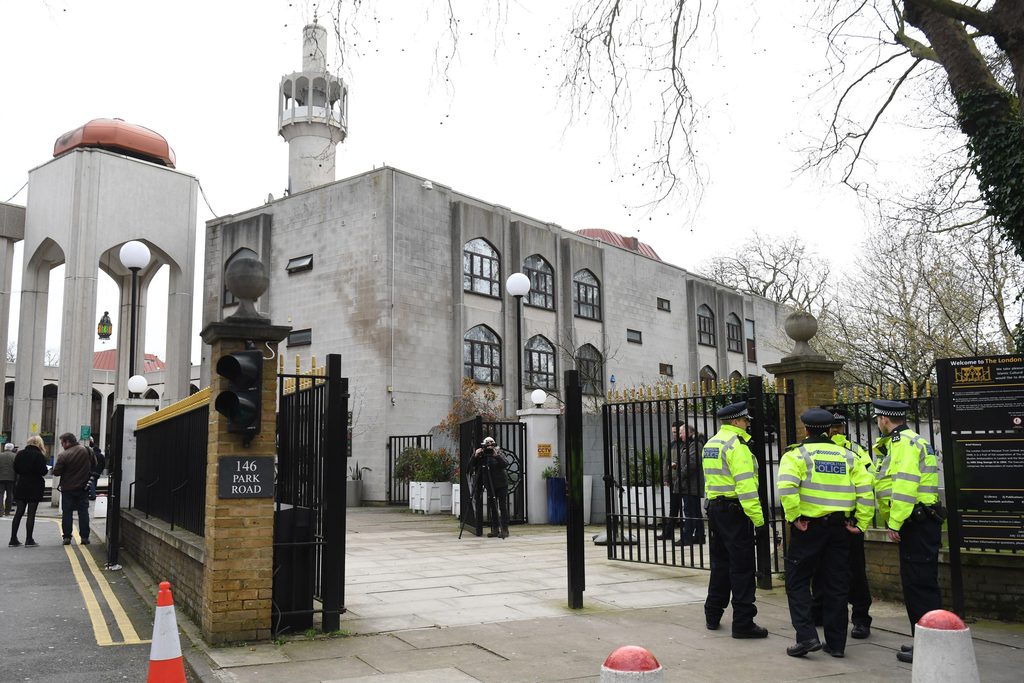
The indicators are not limited to attacks on mosques.
Data published by the organisation Tell MAMA in August showed that 1,031 reports of hatred and prejudice against Muslims were recorded in London in the first half of 2026 alone, exceeding the total number of reports recorded throughout 2023, which stood at 1,028.
According to the organisation, the annual number of reports in the capital rose from 313 in 2021 to 1,909 in 2025.
The Metropolitan Police said arrests, charges and other positive outcomes in anti-Muslim hate crime cases rose by 57% over the previous twelve months, confirming that it treats this type of crime as a policing priority.
Britain Allocates Record Funding for Protection
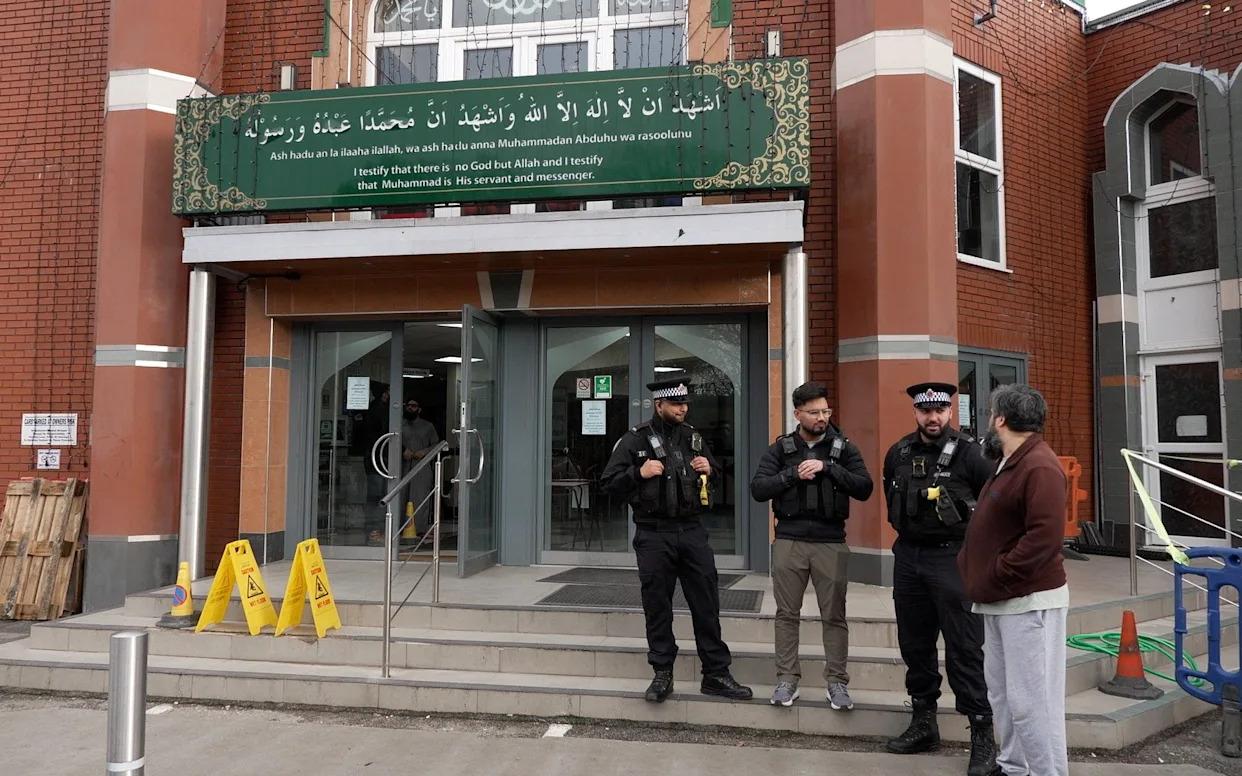
The British government says it is working to strengthen the protection of Muslims and places of worship.
The government allocated up to £77.4 million for programmes protecting religious communities during 2026-2027, including up to £40 million to provide security protection for Muslim communities.
However, the new data indicates that the issue is no longer linked to the number of incidents alone; the comparison between monitoring periods reveals a growing shift of attacks toward more severe levels, including violence and arson, and up to plots that could cause large numbers of casualties.
While authorities spend tens of millions of pounds to protect mosques, schools and Islamic centres, the bodies that monitor hatred against Muslims say the growing need for barriers, cameras, guards and security measures reflects the scale of the pressure Muslim communities in Britain now face.
The figure I find most striking here is not only "a mosque attacked every five days", which was previously announced in July, but the new information published on 25 September: nearly a quarter of recorded cases now fall within the two most serious categories of attacks, alongside the disclosure that emergency spending on protecting mosques and Islamic sites after the Southport unrest reached £66 million.


