


At least 17 Somali migrants died after a boat sank in the Mediterranean Sea. The Somali ambassador to Algeria confirmed some details of the tragedy, which occurred at sea on 23 April, but full information has not yet been announced.
The boat sank in coastal waters about 100 kilometres west of the Algerian capital, according to information obtained by the Algerian Ministry of Foreign Affairs. Based on the location of the incident, the group of migrants is believed to have been attempting to reach Spanish territory.
The Associated Press quoted Somali Ambassador Youssef Ahmed Hassan as saying the victims were 12 men and five women, and that they are believed to have drowned.
Hassan told Somali official media that he had received calls from grieving families seeking information about their missing relatives, who "want to know where they are."
The ambassador told the Associated Press that he travelled to the city of Bou Ismail at dawn on 23 April, where the bodies had been taken.
He said he visited two hospitals in the province there and saw the bodies.
Algerian authorities have not yet disclosed all the details of this latest maritime tragedy, including the total number of passengers on board when the vessel sank.
Algeria's Geographic Role in Migration
Algeria lies between sub-Saharan Africa and the Mediterranean Sea, and is one of the main gateways to Europe on the migration route across the western Mediterranean. Over the past year, the Balearic Islands have become a major entry point into Spain, with most migrants departing from Algerian coasts. Algerian nationals made up the vast majority of arrivals via the western Mediterranean route throughout 2025 and the first three months of 2026.
Thanks to its long coastline and proximity to southern Europe, particularly Spain, Algeria has become an increasingly common departure point, as growing criminal networks engage in the lucrative trade of smuggling migrants.
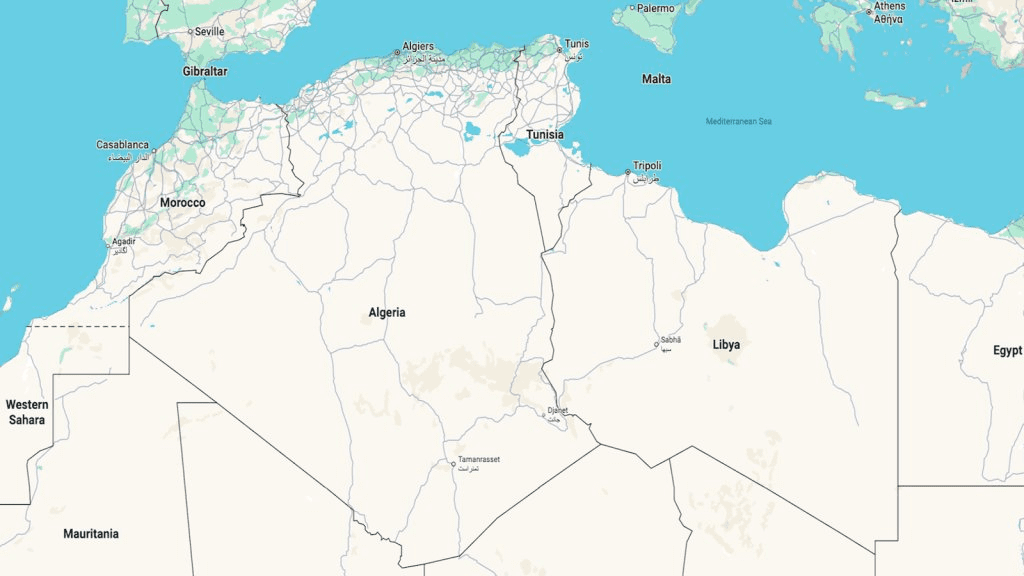
Algeria sits at the crossroads of multiple migration routes | Source: Google Maps
These smugglers often use overcrowded and unseaworthy boats, endangering the lives of everyone on board.
Nevertheless, thousands of migrants each year are willing to take this risk; while many flee conflict, others seek to escape poverty and other economic hardship.
The number of migrants from Somalia undertaking these perilous journeys is rising, driven in part by the prolonged drought in their country.
Algeria's Reluctant Relationship with the European Union
The European Union increasingly seeks to cooperate with Algeria as a partner in managing migration, including by concluding interim agreements with its leaders to intercept migrant boats and help curb smuggling activity.
With EU funding and related initiatives, Algerian authorities have invested more in strengthening border security measures, alongside directly combating smuggling gangs.
Some EU member states are also seeking to sign bilateral agreements with the Algerian government to strengthen cooperation in combating irregular migration.
However, unlike some of its North African neighbours, Algeria has so far been somewhat cautious about entering into an organised migration partnership with the European Union, relying mainly on interim arrangements that benefit both sides.
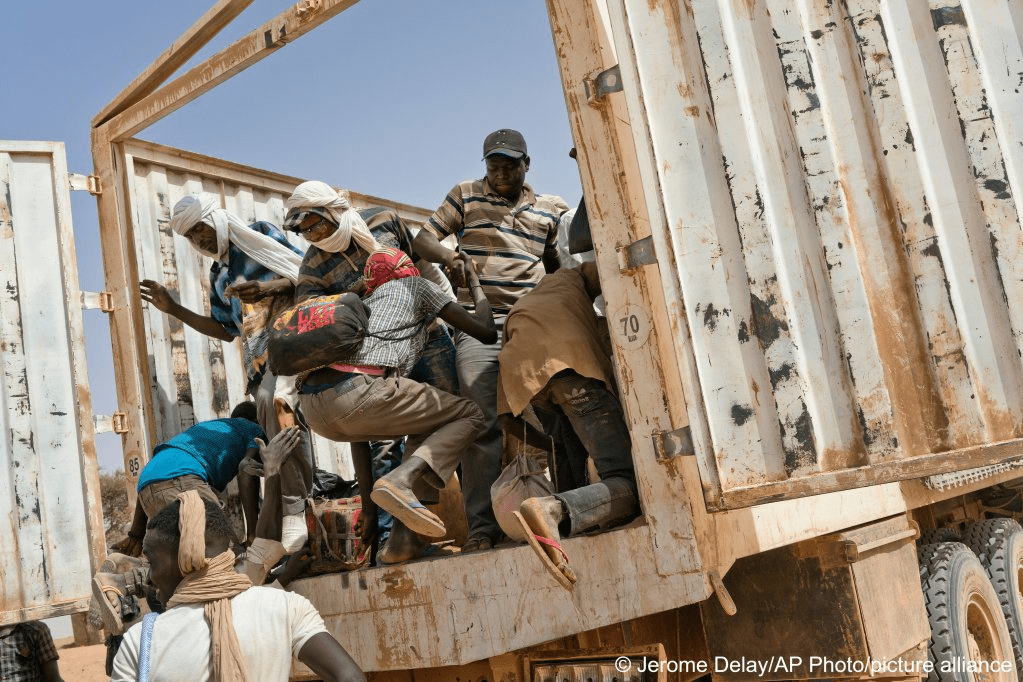
These migrants are seen boarding a truck heading north to Algeria at the Niger border in 2018.
In the context of managing migration flows, rights organisations have accused Algeria of using repressive methods, such as gathering migrants into trucks and leaving them near the borders of neighbouring countries, particularly Niger. Despite mounting criticism, Algeria continues to defend this practice, claiming it is only protecting its borders and therefore its national interests.
So far, Algeria appears to prefer concluding treaties with international partners such as the International Organization for Migration, where there are no shared national interests in either direction.
InfoMigrants with Agence France-Presse.


