

Wasl News | Anti-Muslim attacks in France
Anti-Muslim attacks in France rise 88% in 2025
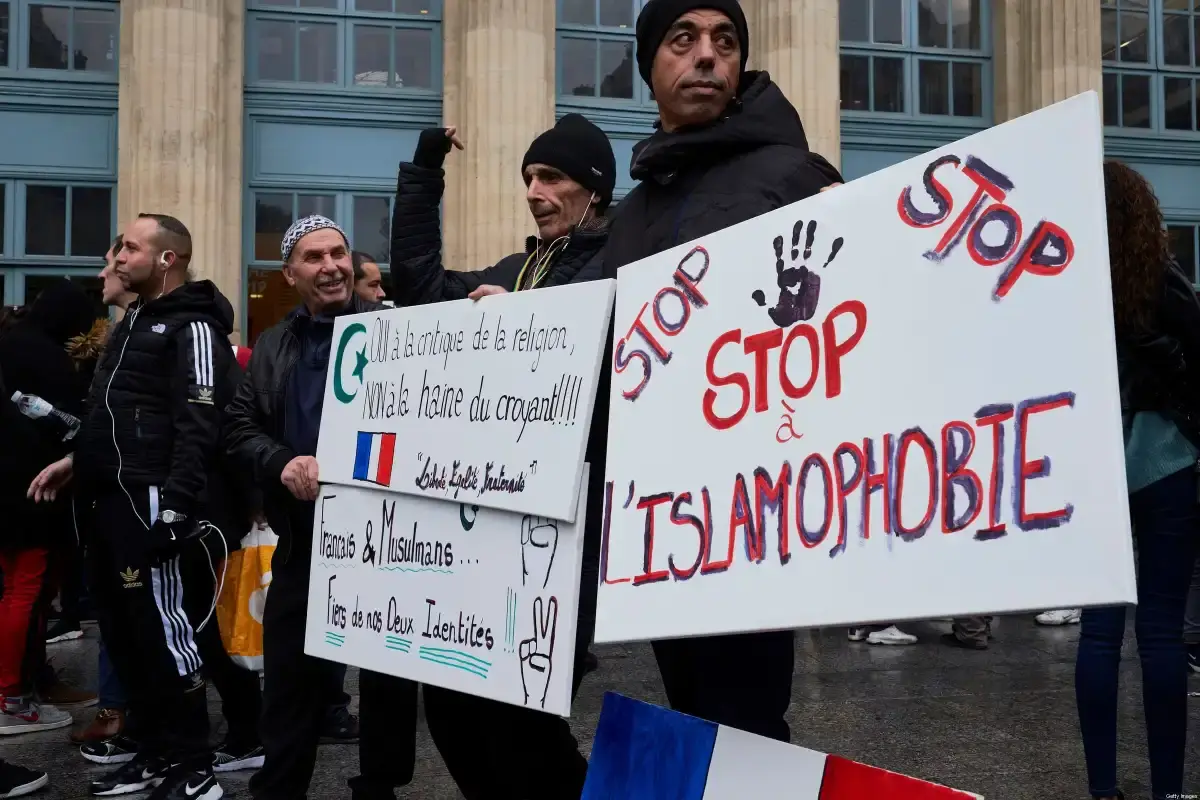
New data released by the French Ministry of the Interior shows a rise of 88% in attacks targeting Muslims in France over one year, according to a comprehensive report published by the ministry this week. The government data confirms what Muslim communities and monitoring organisations have warned of for years: that anti-Muslim hatred in France is not only persistent but also accelerating.
The report, which covers anti-religious incidents between 2010 and 2025 across the three main religions, documents 326 anti-Muslim incidents in 2025, compared with 173 in the previous year, an increase of 35% over the 2023 figure.
The rise was driven mainly by an increase in direct attacks on individuals rather than on property: assaults, threats and acts of intimidation against Muslims rose by 151% during the year.
The nature of anti-Muslim attacks
The most worrying trend documented by the report was a sharp rise in threatening statements and hostile signals directed at Muslims, which more than tripled, recording an increase of 210% over the previous year, with a total of 158 incidents.
These incidents ranged from verbal abuse and intimidation to deliberately provocative acts designed to humiliate and demean.
Among the most alarming findings was a sharp rise in incidents in which pig carcasses or pork products were deliberately left in front of mosques, prayer rooms and places frequented by Muslims.
The ministry recorded 25 incidents of this type in 2025, an increase of 317% over the previous year.
This practice directly targets Islamic dietary and religious sensitivities and reflects a level of planning and targeted hostility that goes well beyond spontaneous prejudice.
The report also identified clear seasonal patterns, with increases in anti-Muslim incidents concentrated during periods of heightened religious practice, such as the month of Ramadan, as well as during charged political debates, particularly the recurring controversy over allowing Muslim women to wear the headscarf while playing sport.
The recorded incidents do not reflect the full picture
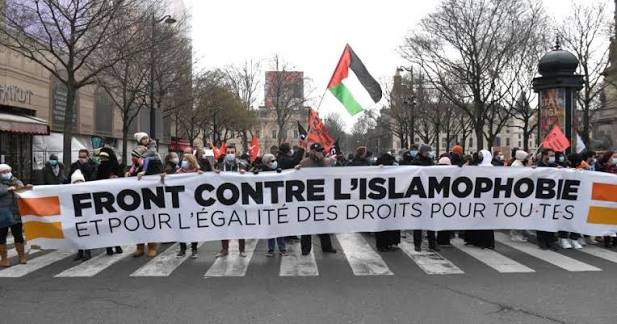
Anti-Muslim incidents accounted for about 13% of the total anti-religious incidents recorded in 2025, a proportion that the ministry itself warns is likely to represent fewer than the actual number of incidents.
The report acknowledges that many victims of religious hatred do not file official complaints, and that the true scale of the problem is likely to be far greater than official statistics reflect.
The ministry attributes part of the increase to improved monitoring and reporting mechanisms, not only to a deterioration in the surrounding environment.
In this context, the report specifically refers to the establishment of the Association for the Defence against Discrimination and Anti-Muslim Acts (ADDAM), which launched a platform dedicated to reporting incidents in 2025 and entered into an official partnership with the National Regional Intelligence Directorate in France.
This means that anti-Muslim incidents were previously recorded at lower rates, so the baseline against which the 88% increase was measured was artificially low.
A long trajectory of hostility
The general trajectory documented by the report presents a clear picture of how anti-Muslim incidents have developed. These incidents have generally risen since 2010, with the previous peak recorded in 2015, following the terrorist attacks in Paris.
The figures declined temporarily during the pandemic years, when lockdowns and movement restrictions reduced both the opportunities for incidents and the ability to report them.
However, the numbers then rose again steadily, with 2025 marking the largest sharp annual increase outside the period immediately following a major terrorist attack.
The data also show a shift in the nature of attacks. While vandalism of mosques and Islamic cultural centres continues, the prevailing trend in 2025 was violence and intimidation directed at individuals.
These incidents included people who were targeted in streets, workplaces or near places of worship because they were clearly Muslim or were perceived as such.
The doubling of direct personal confrontations and the sharp rise in threatening behaviour point to an environment in which manifestations of hostility towards Muslims have become less hidden and more bold.
Government response and contradictions
The French Minister of the Interior, Laurent Nuñez, described combating acts motivated by religious hostility as a priority and announced joint coordination among several ministries, including the ministries of justice, education, culture and equality.
The government has allocated more than 47.8 million euros since 2015 to protect places of worship, and these funds have gone towards financing surveillance camera systems, reinforced doors, internal communication devices and safe rooms within religious buildings.
A half-day security awareness programme was also launched in March 2025, reaching approximately 1,700 community leaders by the end of the year.
However, the report comes against a political backdrop in which Muslim communities find it difficult to reconcile these measures with the concern they express about their safety.
The government itself has adopted a ban on the headscarf for schoolgirls, and has attempted to ban a large Islamic gathering, while the political class has spent much of the past year debating the Muslim Brotherhood, neutrality clauses in workplaces, and the limits of Muslims' religious expression in public life.
Muslim rights organisations have repeatedly raised the question of whether a state that devotes considerable political energy to restricting the visibility of Muslims can at the same time affirm that it is working to protect their safety.
Rising attacks in France
France has the largest Muslim population in Western Europe.
The French government's own data show an annual increase of 88% in attacks against this community, driven by acts of intimidation, the leaving of pig carcasses in front of mosque doors, and a threefold rise in threatening behaviour.
This comes at the same time as the government continues to pass legislation concerning what Muslim women wear, a contradiction that the report itself does not attempt to resolve.
Source: muslimnetwork.tv
Dear followers, to receive all the latest news, follow us on Telegram


