


Anti-Foreigner Protests in South Africa Prompt Nigerians to Request Evacuation
South Africa is witnessing a new wave of migration-related tensions after anti-foreigner protests erupted in several major cities, prompting dozens of Nigerians to request to return home amid fears of escalating violence.
Nigeria's Minister of Foreign Affairs, Bianca Odumegwu-Ojukwu, announced that at least 130 Nigerian citizens had submitted official requests to return by air, under a new government programme for the repatriation of expatriates. She explained that these individuals represent the first batch of applicants, amid growing concern about the possible deterioration of the security situation.
Protests and Domestic Pressure
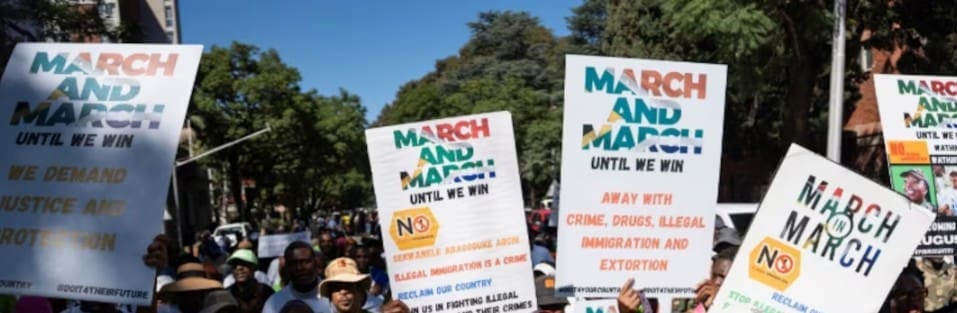
These developments follow demonstrations held in the cities of Pretoria and Johannesburg last week, where protesters demanded that the authorities take stricter measures to combat irregular migration, arguing that it negatively affects job opportunities, security levels and public services.
On the other hand, advocates for migrants' rights argue that for years foreigners have been blamed for the economic crises the country is suffering from, amid rising unemployment rates and social inequality.
Regional Concerns and Diplomatic Move
These protests come at a sensitive time, as several African countries, including Ghana, have expressed concern over their citizens being subjected to violence and discrimination within South Africa. South African authorities had pledged last month to take firm action against any attacks of an anti-foreigner nature.
For its part, the Nigerian government confirmed that it is following the situation closely, especially with the announcement of new protests on 4 and 8 May. The foreign minister disclosed that she had summoned South Africa's High Commissioner in the capital, Abuja, to discuss the developments, noting that Nigerian diplomatic missions are working in coordination with local authorities to ensure the safety of their citizens.
Growing Concern Over a New Wave of Violence
These events reflect the return of tensions linked to xenophobia in South Africa, a phenomenon that has recurred over the past years and has in some cases resulted in deadly violence. With economic and social pressures continuing, observers fear the protests could spread, which may push more migrants to leave the country.
Against this tense backdrop, the fate of thousands of Africans residing in South Africa remains suspended between rising anti-foreigner rhetoric and governments' attempts to contain the crisis and prevent it from sliding into wider confrontations.


