

Analysis of the Results of Iraq's General Population Census
We present what Iraqi journalist Othman Al-Mukhtar published on the X platform as a quick data analysis of the results of Iraq's general population census:
The general population census exposed the falsity of many political and sectarian narratives, especially concerning the capital, Baghdad, its population and the breakdown of its districts, but it also confirmed a major imbalance in parliamentary representation among the governorates.
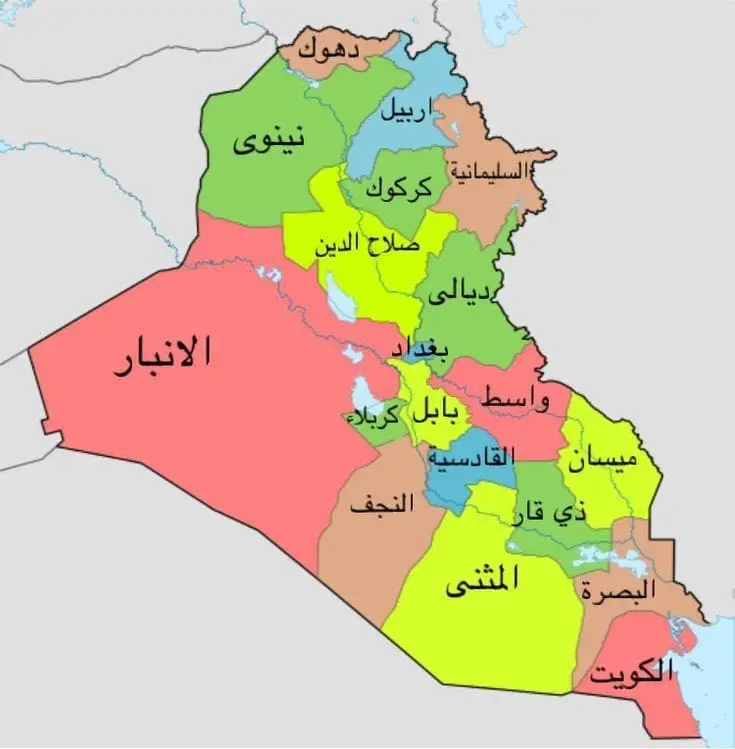
For example: Nineveh has a population of 4.3 million, which means the number of parliamentary seats should be between 43 and 48 seats. Currently it has only 34 (at least 12 parliamentary seats have been removed).
Anbar has a population of 2.2 million, which means it should have no fewer than 20 seats, but currently it has 15 seats (at least 5 seats have been removed).
Salah al-Din has a population of 1.7 million, and it has only 12 seats, meaning at least 5 seats have been removed.
In Diyala, there are 1.7 million inhabitants and it has only 14 seats (3 seats removed).
Kirkuk: 2.1 million inhabitants and only 13 seats (a difference of at least 7 seats).
On the other hand, Karbala received 1.2 million, Najaf 1.6 million, Maysan 1.3 million, Dhi Qar 2.4 million and Al-Muthanna 1 million, and they obtained high representation, reaching one deputy per 87,000 inhabitants, while in the Sunni-majority governorates, representation ranges between 157,000 and 191,000 inhabitants per parliamentary seat.
Another calculation that is clearer: Anbar's population is 2.2 million and Maysan's is 1.2 million.
By the population criterion, at least 40 parliamentary seats have been taken from these governorates, when we look at how other governorates are granted representation far above their population weight (representation exceeding their demographic weight).
This distribution, which has continued since 2006 with a steady increase up to 2018, reveals the sectarian dimension practised by the forces of the ruling coalition allied with Iran in Iraq.
In mixed governorates, Baghdad for example: its population is 9.8 million, meaning there should be between 98 and 100 deputies, but it currently has 69 deputies...
This analysis explains why the ruling forces insist on the constituency system and reject a fair electoral law based on the true representation of the population.


