


Local sources in Azawad, northern Mali, documented the discovery of papers bearing magical incantations alongside identity cards belonging to Malian army personnel.
This incident is not merely an isolated and rare occurrence, nor is it only part of what explains an aspect of the army's brutality against civilians. It is also part of the conflict ongoing in Mali and of practices and beliefs widespread in some areas associated with it.
Sorcery in Mali
Among the things for which the State of Mali is known is that it remains one of the environments in which African sorcery persists and is practised by a number of the population, to the extent that there is a market legally licensed by the Malian authorities in the capital, Bamako, selling ingredients used in the making of sorcery.
Among these materials are bones, skins, and even bats, in addition to other ingredients.
Mali has also been known as one of the countries visited by some sorcerers, including the Japanese sorcerer Sisuko, whose name was linked in 1995 to the theft of 242 million dollars from Dubai Islamic Bank, where it was said that he used black magic with the bank's chairman, Mohammed Ayoub.
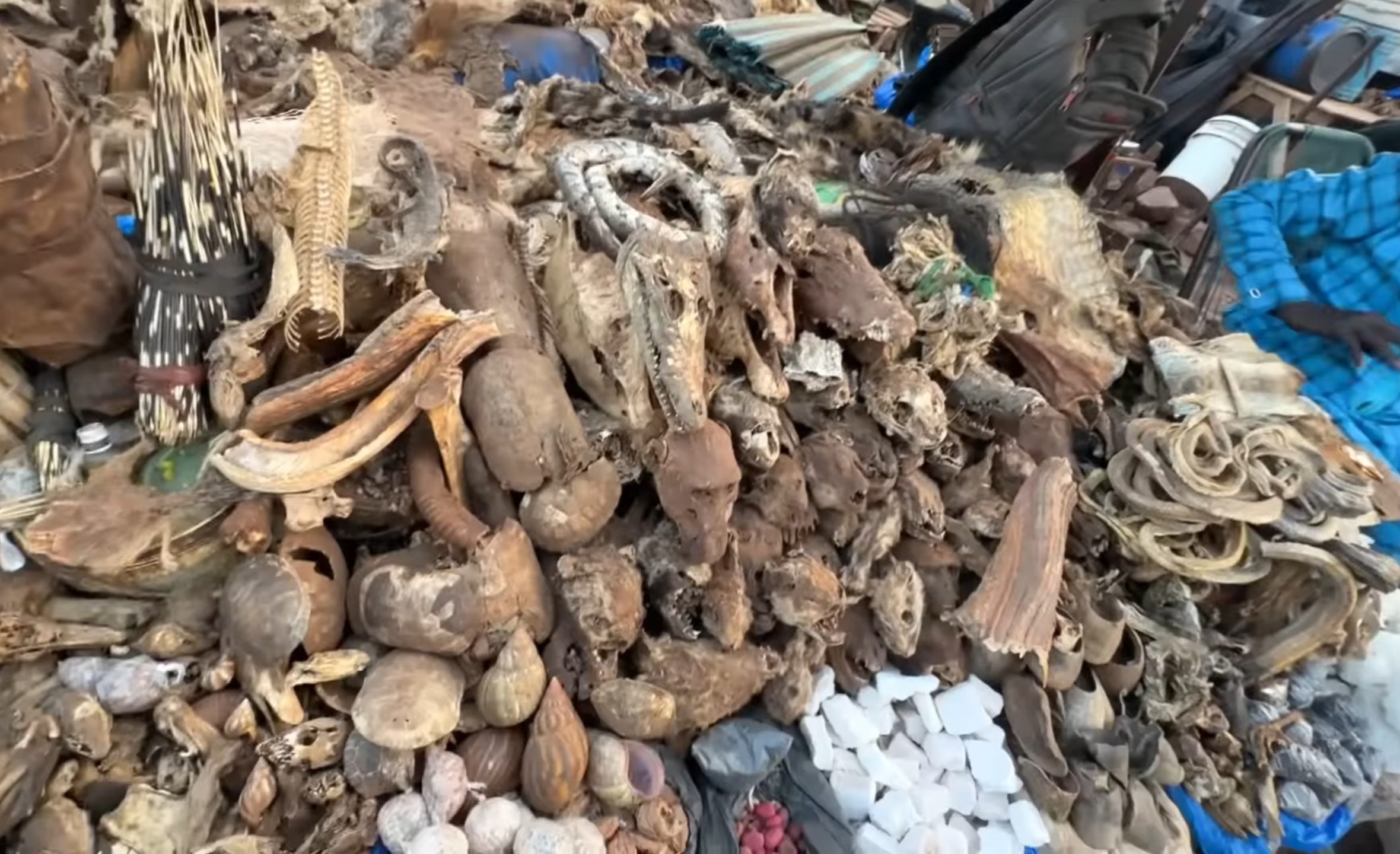
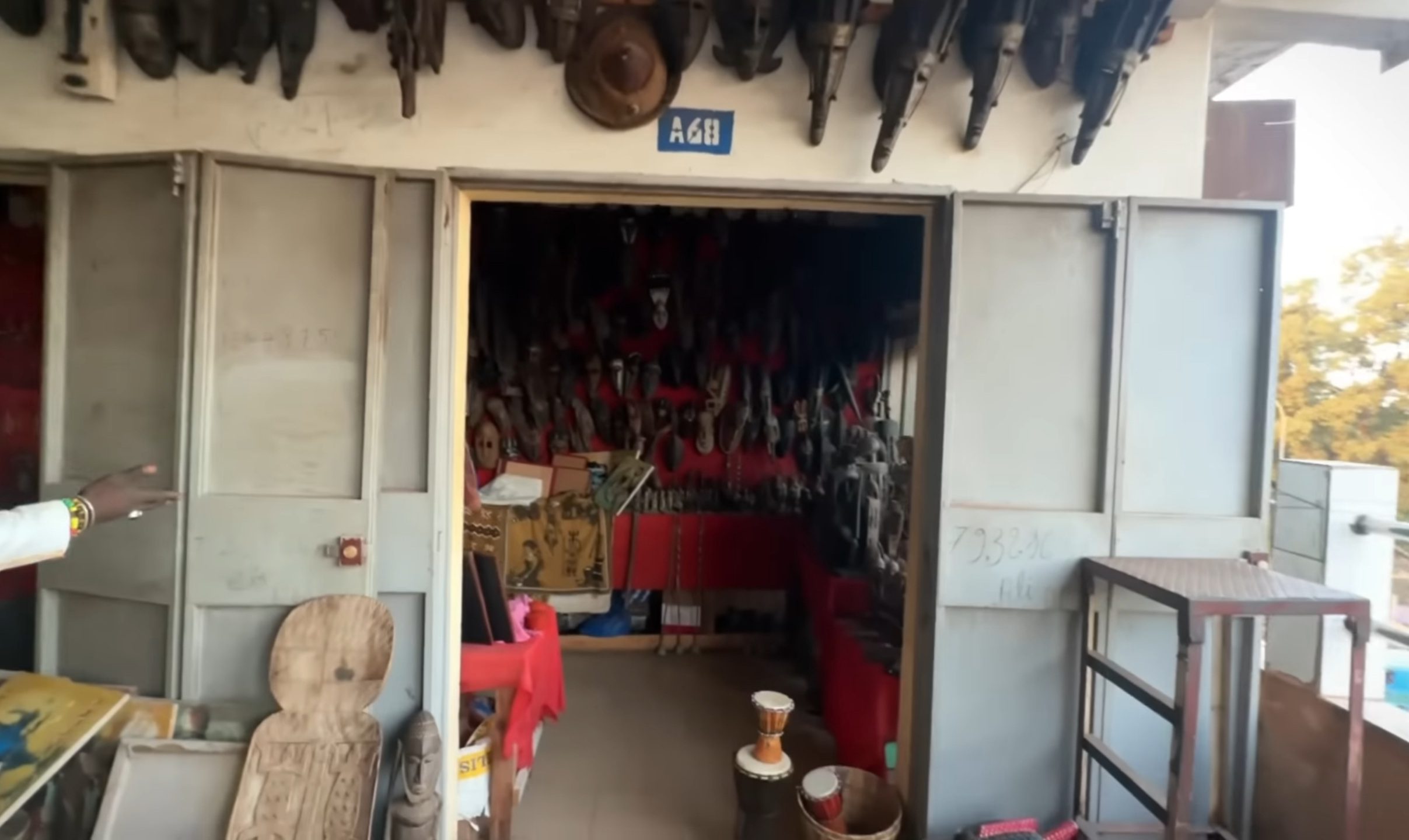
Images from the sorcery market in Bamako
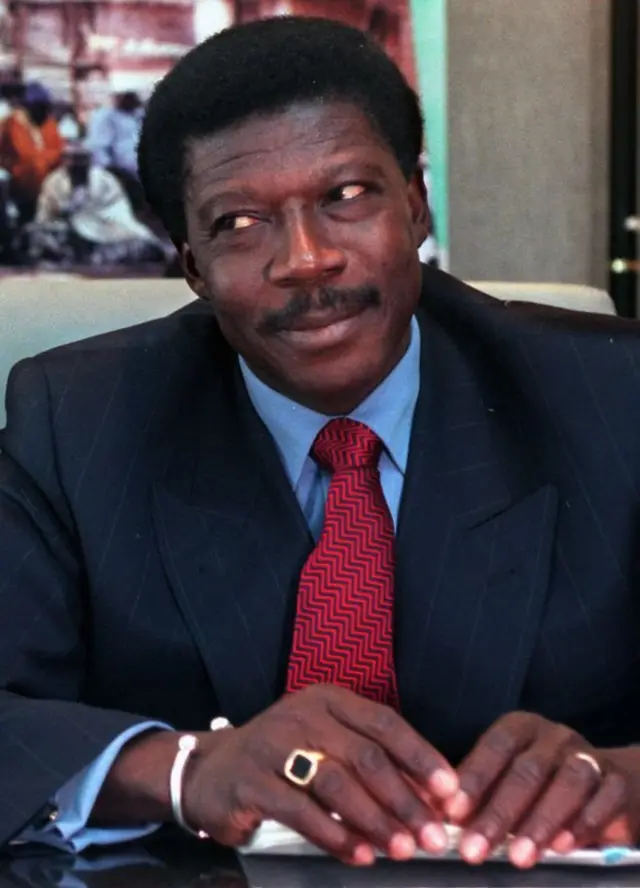
Babani Sisuko
The phenomenon of so-called "football sorcerers" also became well known during the Africa Cup of Nations, whether through the participation of some sorcerers alongside players in national teams, among the supporters, or through the exploitation of these practices to make money. Among those arrested were sorcerers from Mali.
During the so-called 2026 World Cup, a sorcerer in Mali was arrested, who claimed knowledge of the unseen and asserted that the Malian national team would win the World Cup. It went so far as to establish a school in the city of Bamako for teaching sorcery, and no information has yet been published about the closure of this school.
According to circulating information, the phenomenon of sorcery in Mali is mainly associated with the Dogon people. Who are the Dogon?
The Dogon: Particular Beliefs and Rituals Embracing Sorcery
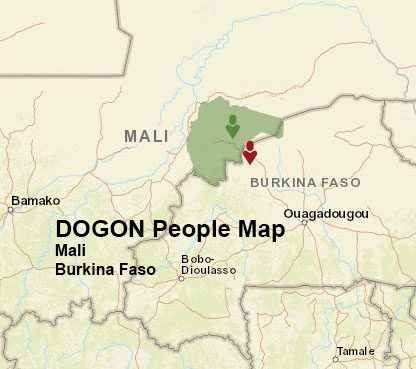
Image of areas where the Dogon live
The Dogon are an African ethnic group living mainly in central Mali, and the areas in which they live are known as "Dogon Country."
The Dogon are known for their particular beliefs, which are based on the veneration of stars, astrology, and the worship of spirits, in addition to beliefs related to ancestors and mythical creatures.
There are discrepancies in statistics regarding the proportion of Muslims among the Dogon, and whether most of them have converted to Islam or still adhere to their traditional beliefs. However, some villages known for practising pagan rituals show no clear Islamic features.
The worship of spirits, according to some interpretations, is a gateway to practices of sorcery, as some Muslim scholars have stated that attempting to summon spirits may be linked to the intervention of devils and the manipulation of people.
The Dogon are known for making masks, wearing unusual clothing, and holding group dances.
According to one person who visited Dogon areas, these dances are held to communicate with spirits, as they believe they help calm the angry spirits of the dead, as they claim. They are also performed during funerals to guide spirits towards the graves, and sometimes they are used to confront spirits, as they believe.
Priests and those with knowledge among the Dogon hold a high status, as they are considered influential figures within the community.
From the study of some Dogon traditions and beliefs, it is said that learning sorcery, astrology, making statues, and communicating with spirits, as they believe, is an essential part of the heritage that members of the community learn.
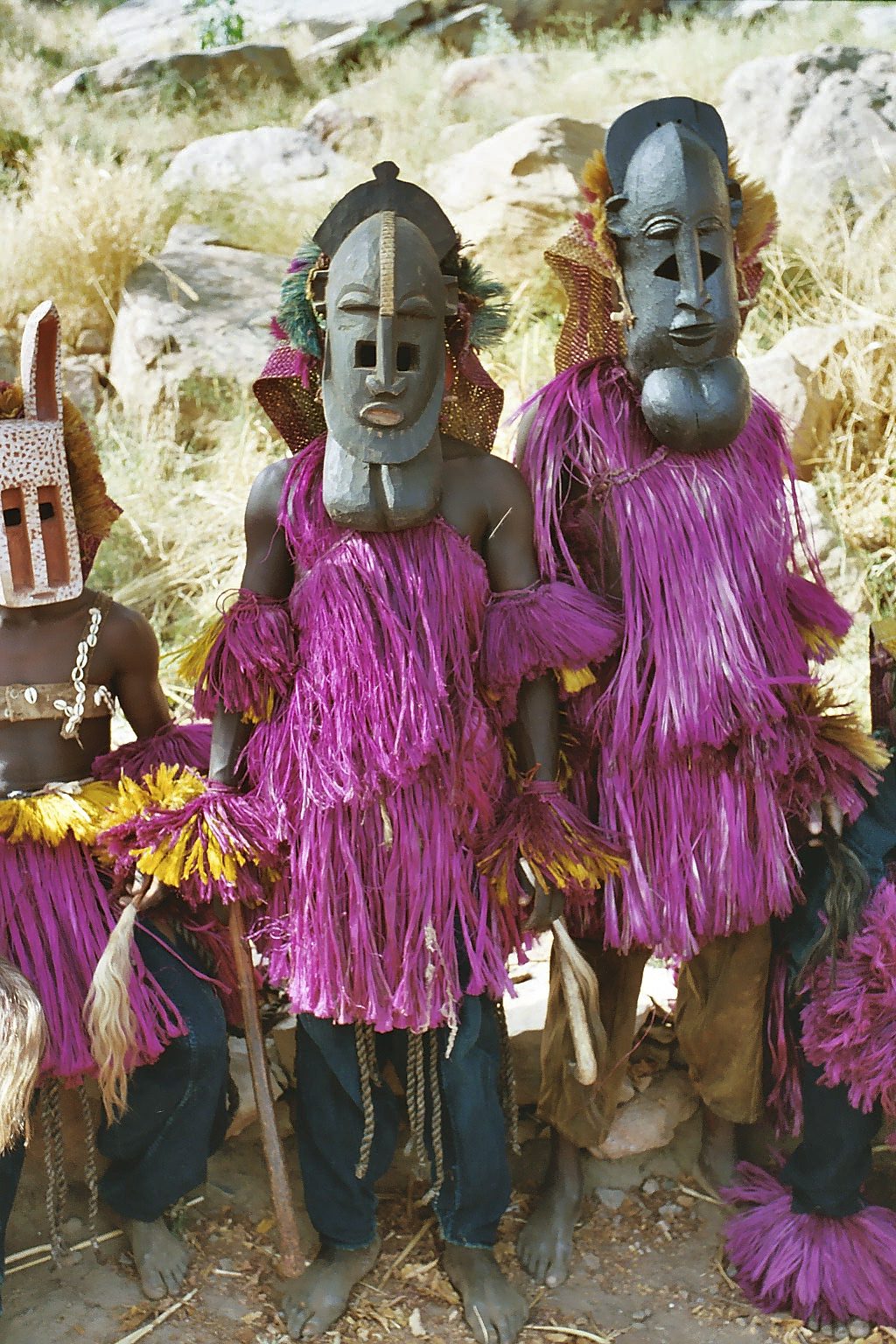
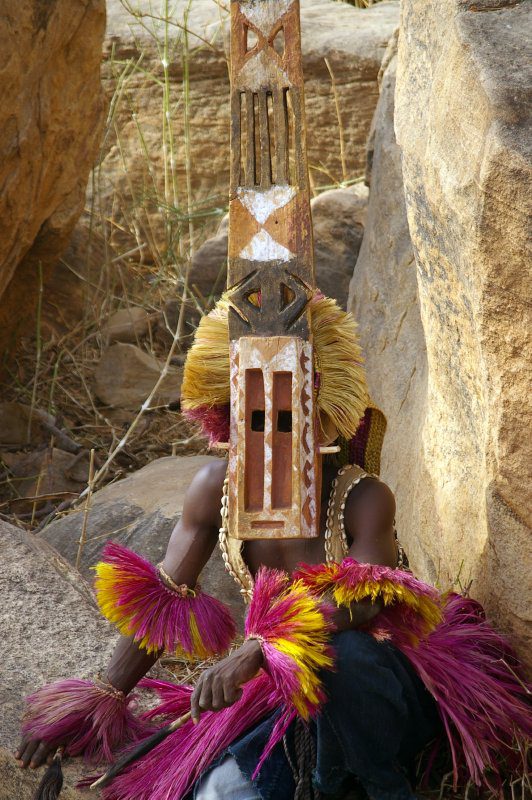
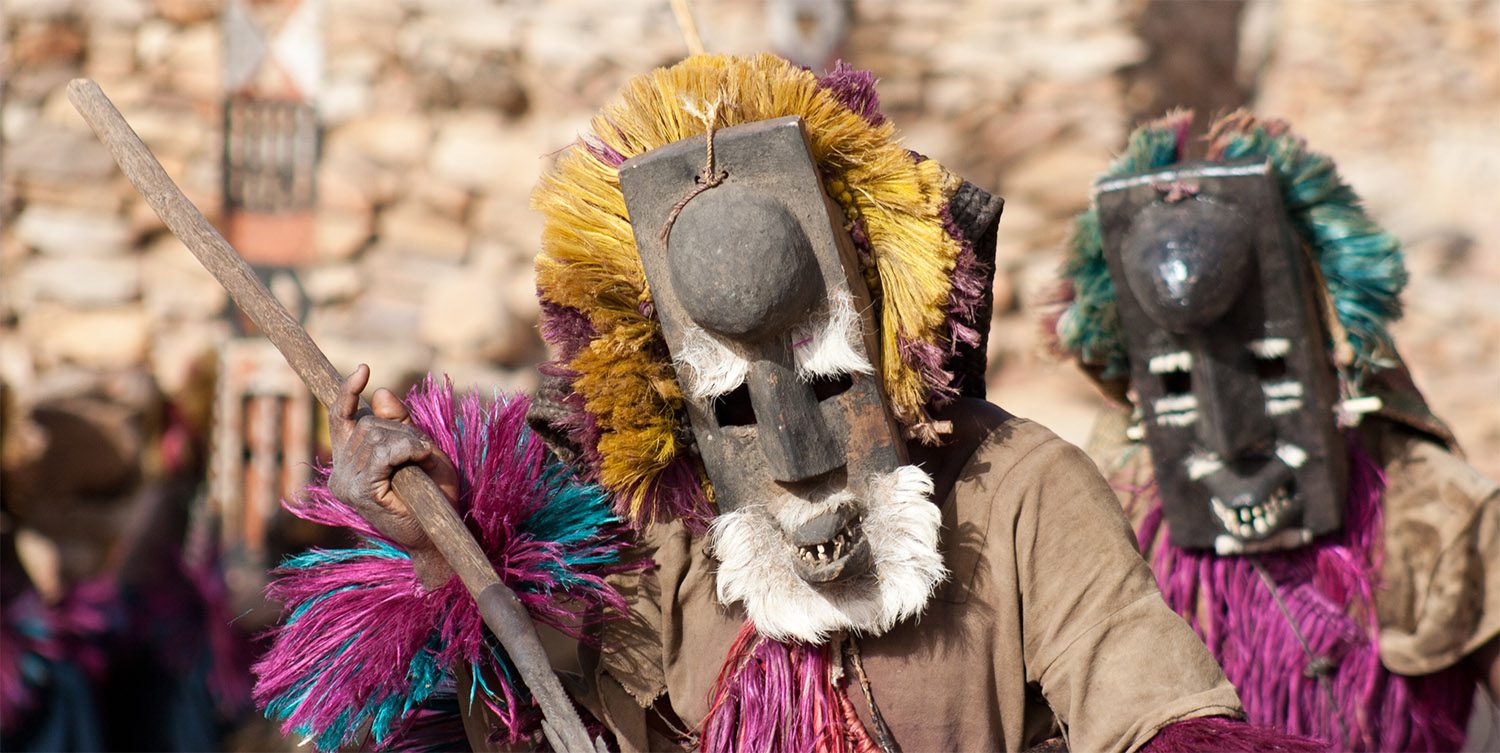
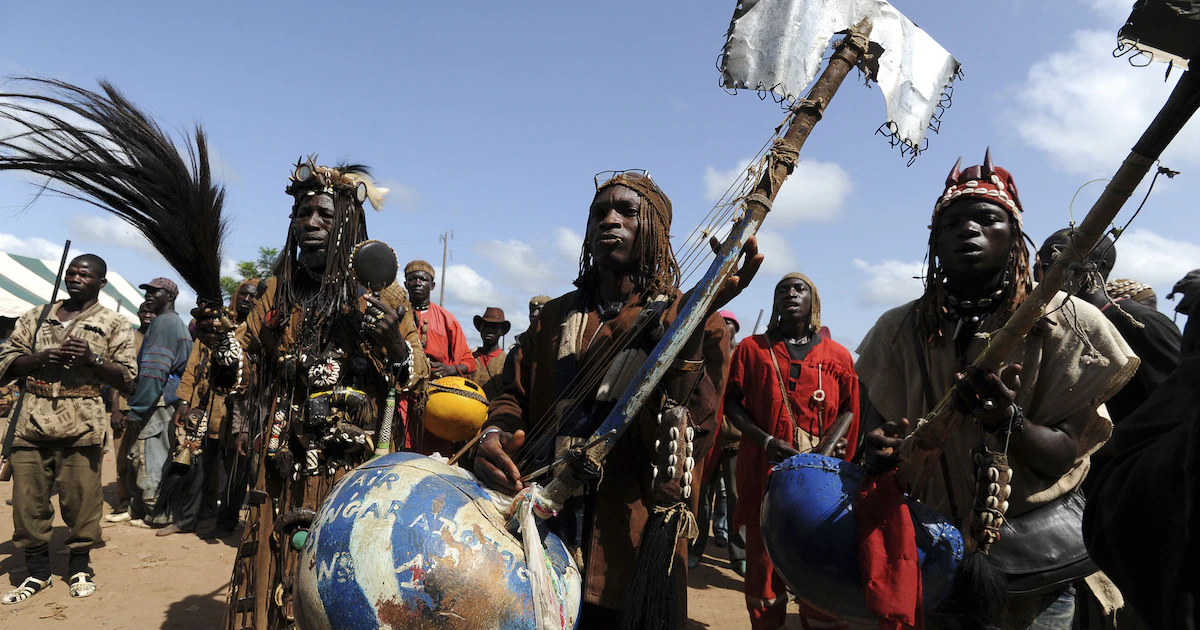
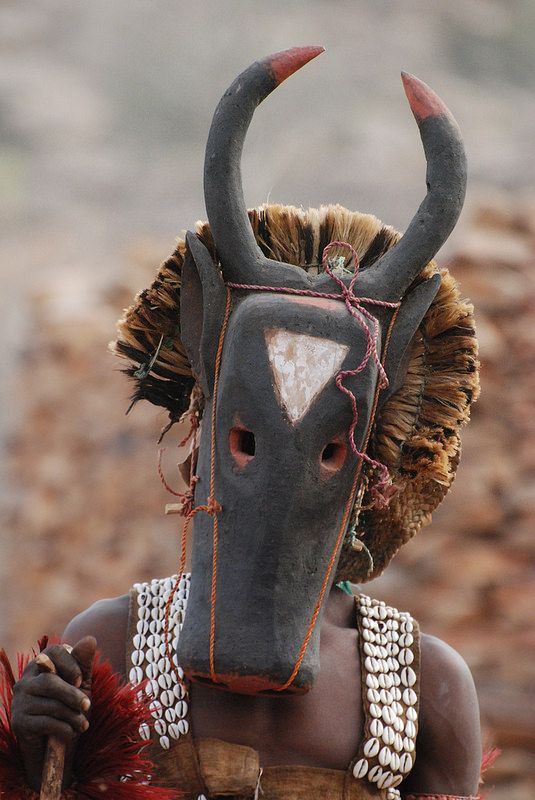
Images of Dogon residents
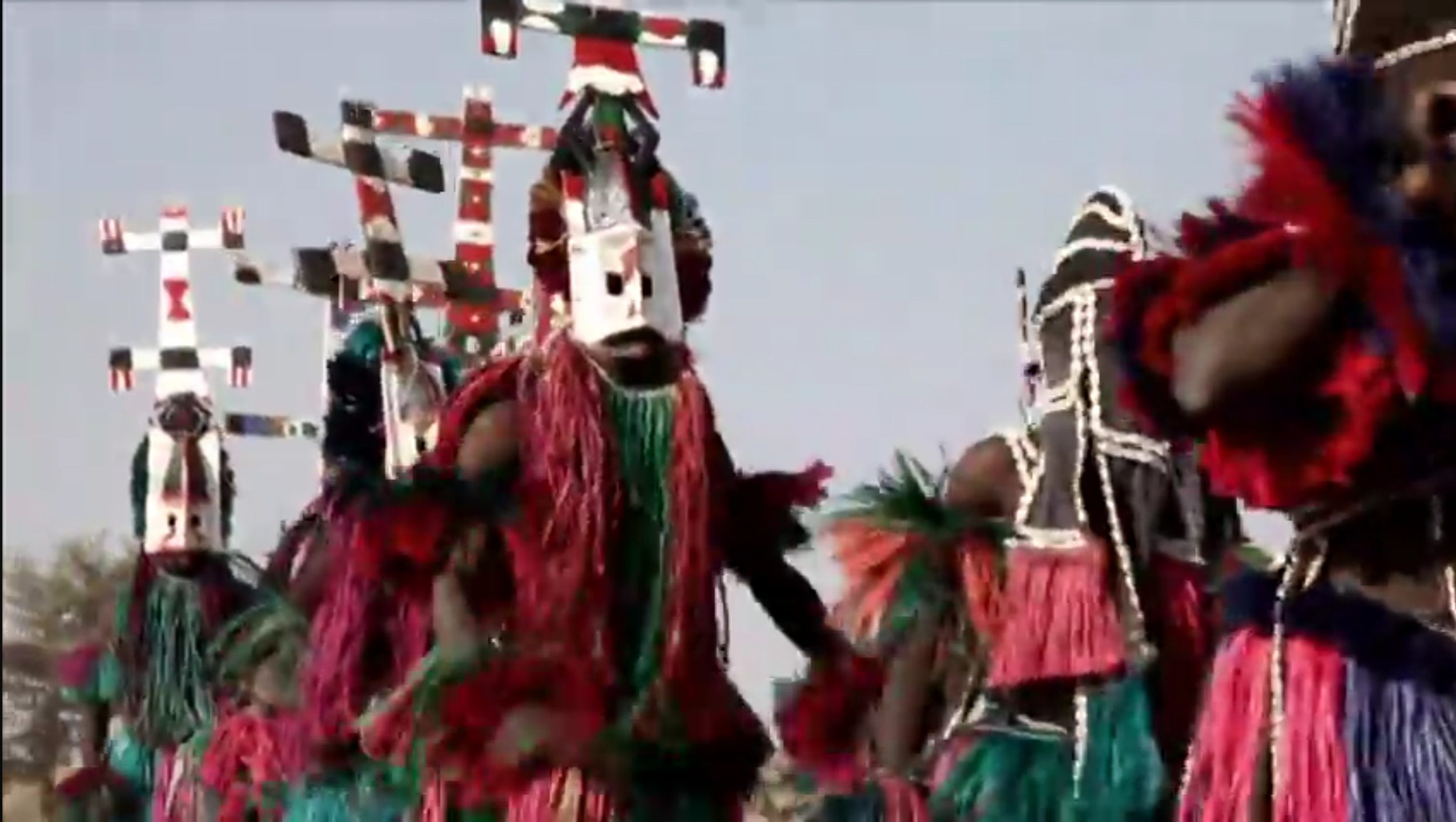
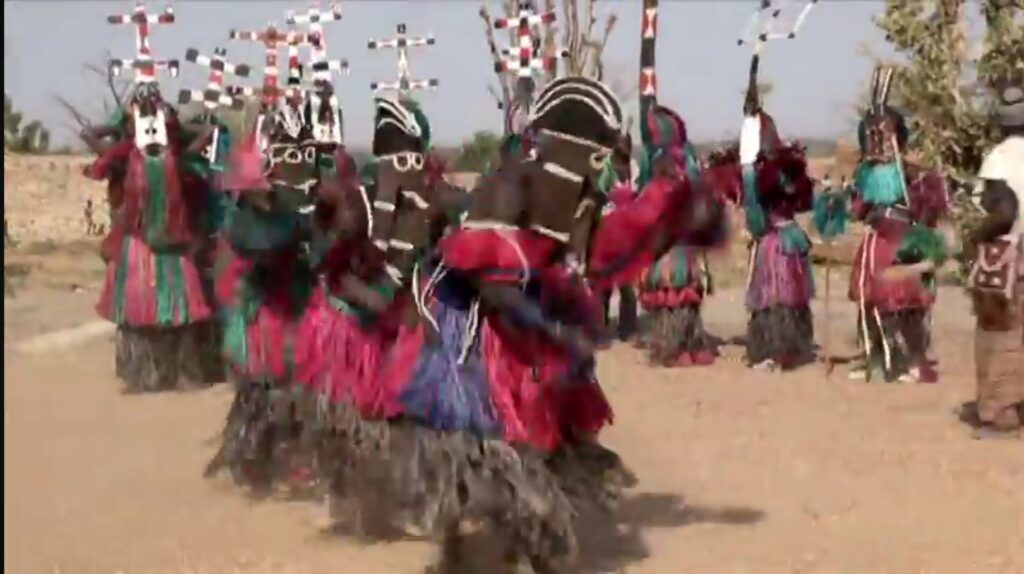
Images of group dancing in Dogon villages
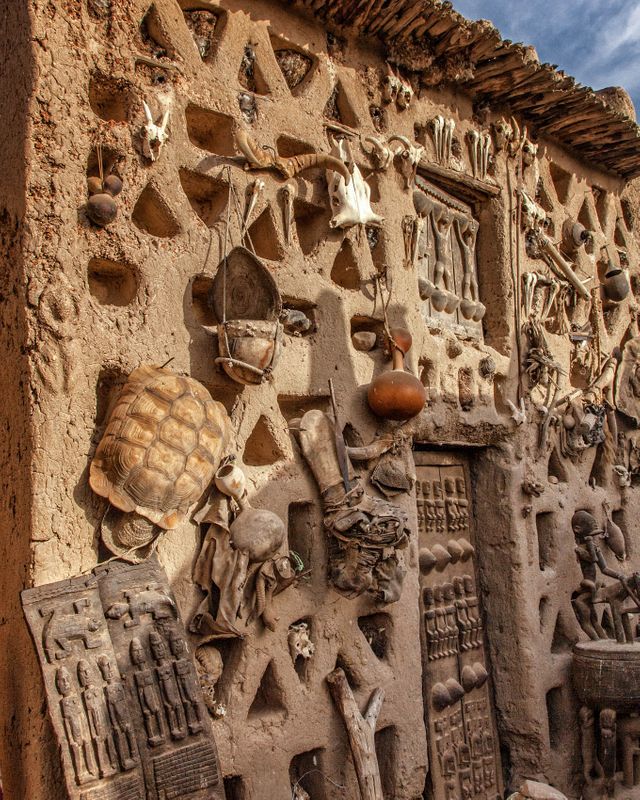
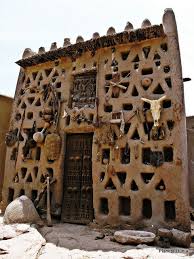
Almost no house is without animal bones
In Dogon villages, statues are widespread inside houses and on walls, and there are also statues that clearly show parts of the human body, in addition to the widespread presence of amulets, bones, and stones whose owners believe protect and help them, which some link to sorcery practices.
Images of some statues
The Dogon and the Conflict with the Fulani in Mali
During the current war in Mali, the Dogon formed militias allied with the Malian army, and these militias became known for carrying out massacres against the Muslim Fulani, which led to an escalation of conflict between the two sides.
The Dogon, many of whom depend on agriculture, had been in ongoing disputes with the Muslim Fulani ethnic group, many of whose members depend on herding. These disputes resemble traditional conflicts between herders and farmers over water resources and arable land.
However, the conflict in Mali was later exploited by some parties, as resentment grew within the Malian army towards the Fulani, groups of residents participated in incitement against them, and Fulani areas became a main target of some attacks.
The Dana Amassagou militias, formed from Dogon members, were linked to widespread massacres against the Fulani, with witnesses describing killings that targeted men, women, and even children, in addition to burning bodies and other abuses.
Despite the official announcement of the dissolution of the Dana Amassagou group in 2016, other armed groups were later formed from Dogon members and continued to commit abuses against the Fulani, especially from 2019 onwards.
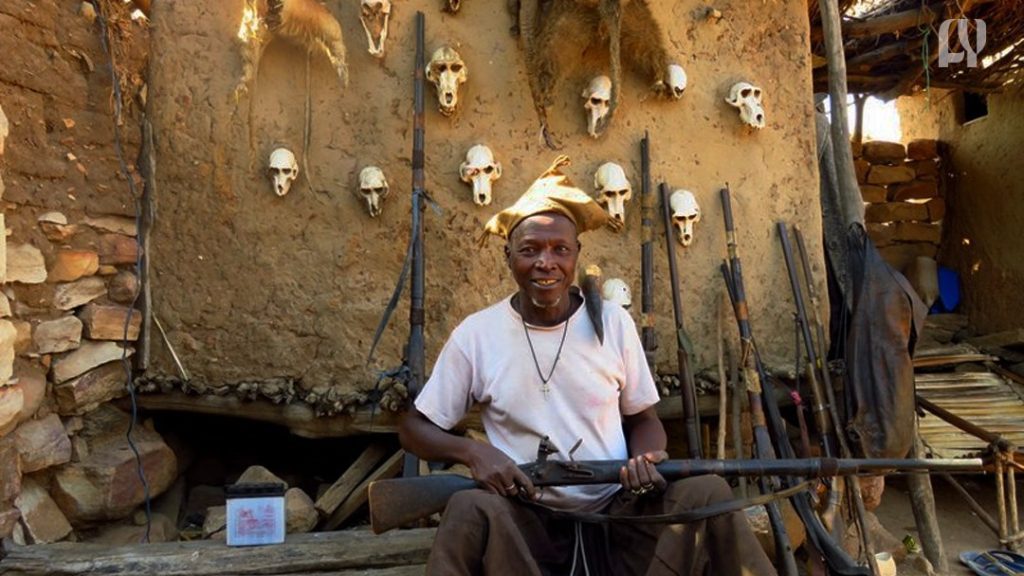
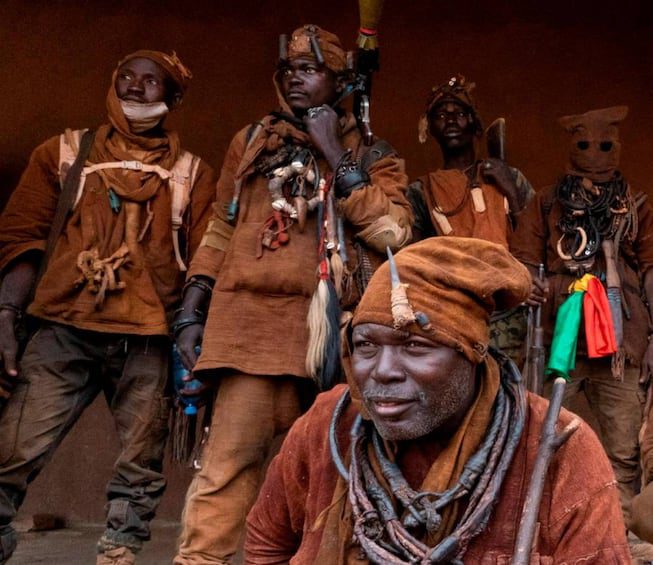
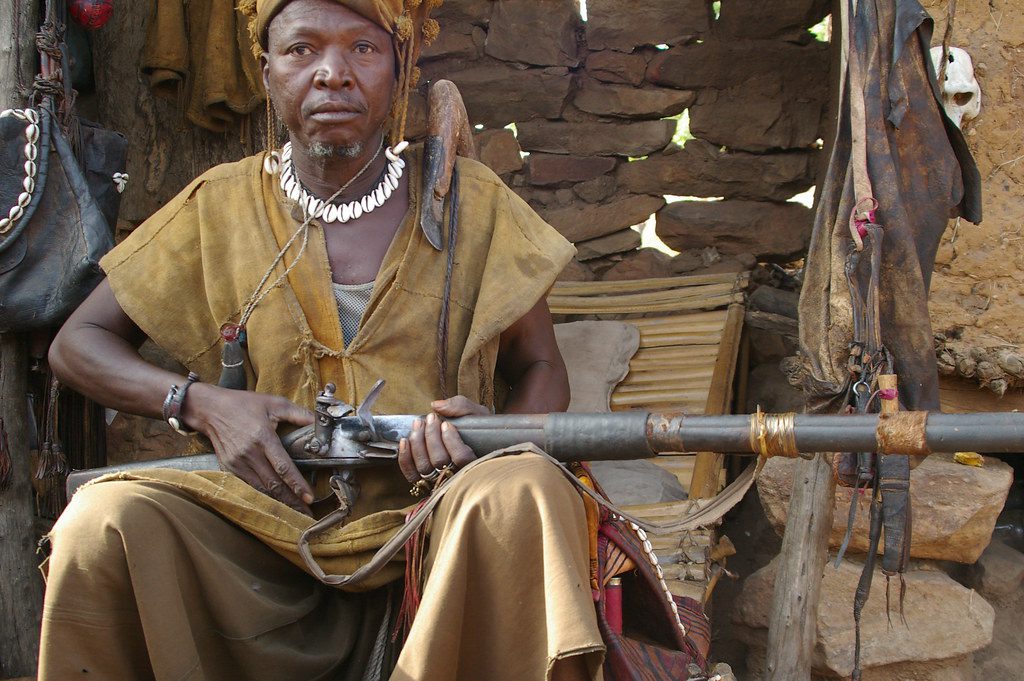
Members of Dogon militias
In 2024, a number of members of these militias were integrated into the ranks of the Malian army, and in the same year a video spread showing a Malian soldier handling the body of a man while his colleagues laughed.
Some experts had stated that the Dogon fear that the Group for Support of Islam and Muslims would gain control over Mali, and therefore some of them carry out operations targeting Muslim Fulani with the aim of driving them from their areas.


