


Forest fires continue to spread across a number of US states and European countries, driven by high temperatures, drought and strong winds. Authorities have carried out extensive evacuations and declared a state of alert in several areas, as tens of thousands of residents lose power.
These developments come at a time when large parts of Europe are experiencing an exceptional summer marked by repeated heatwaves and a shortage of rainfall, which have contributed to the risk of fires breaking out and spreading.
Widespread Fires in Washington State and a State of Emergency
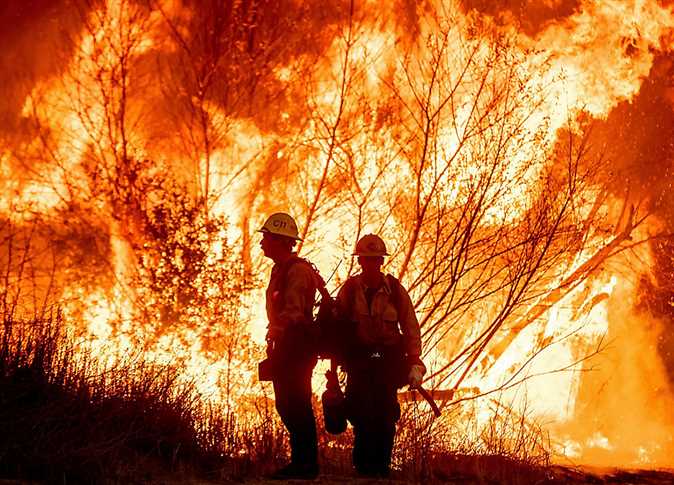
In the United States, authorities in Washington State declared a state of emergency after fires consumed more than a quarter of a million acres, with a ban on igniting fires imposed to limit the worsening of the situation.
The Mayor of the city of Spokane, Lisa Brown, confirmed that evacuations included vital facilities, among them water treatment plants, a waste-to-energy plant, and a hospital run by the Department of Veterans Affairs.
She added that no fewer than 200 homes had been evacuated so far, with expectations that the number would rise as the fires continue to spread.
The public utility company in the eastern part of the state also reported that some 60,000 people had been affected by power outages, while officials attributed the rapid spread of the flames to drought and strong winds that helped expand their reach.
Greece Intensifies Efforts to Contain Fires
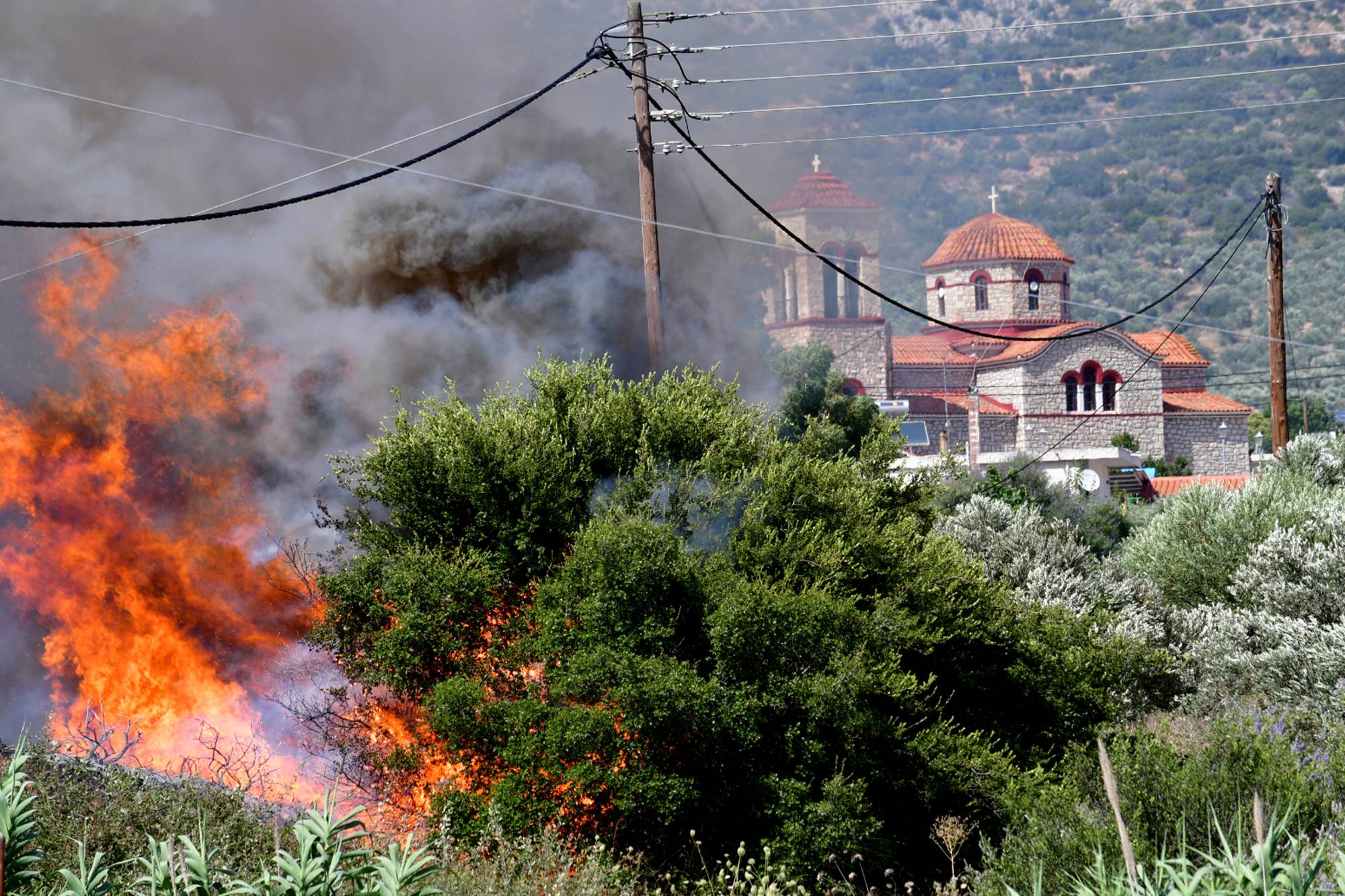
In Europe, Greece saw new fires break out in a number of areas, including sites near the capital, Athens, prompting authorities to evacuate several towns and deploy aircraft and helicopters in firefighting operations.
More than 200 people were also evacuated by sea from the town of Agios Vasileios, after the flames came close to the area.
Greek authorities warned of a continued risk of new fires in the regions of Boeotia, Attica and Evia, due to persistent winds and rising temperatures.
France and Spain Continue Fighting the Flames
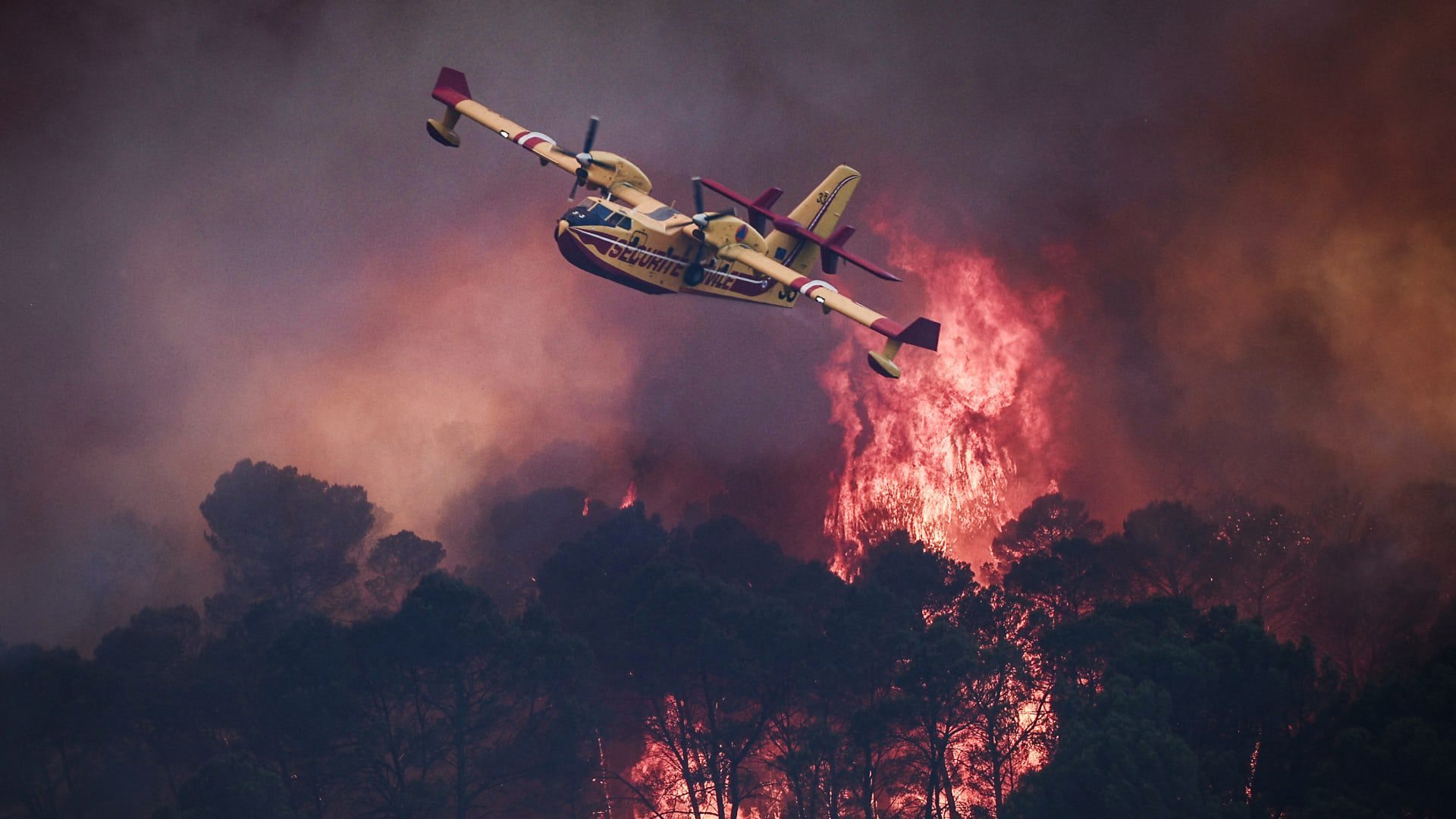
In France, a fire flared up again in the Var department in the southeast of the country days after it had been brought under control, before spreading within hours to more than 1,000 hectares, while firefighting teams managed to contain a large part of its spread.
Local residents and farmers took part in supporting firefighting efforts by providing water to the vehicles and aircraft involved in fighting the fires.
In Spain, authorities continue to deal with a number of fire outbreaks in different regions. As conditions improved, residents of some towns that had previously been evacuated were allowed to return, while other fires remain active, including one in the Leon region in the north of the country.
Heatwaves Increase Fire Risks
The spread of the fires follows months during which large parts of Europe experienced successive heatwaves and lower rainfall levels, leading to the drying out of forests and natural land. This contributed to the outbreak of large fires that caused damage to a number of villages and natural areas, and forced hundreds of thousands of people to leave their homes or places of residence.
Rise in Heat-Related Deaths in Europe
At the same time as the fire crisis, several European countries have recorded an increase in deaths linked to high temperatures.
Austria announced 395 heat-related deaths during Dhu al-Hijjah 1447 AH, corresponding to June 2026 CE, while official estimates in Britain, France and Germany pointed to thousands of excess deaths linked to heatwaves since the beginning of 1448 AH, corresponding to 2026 CE.
These indicators reflect the growing impact of climate change and extreme weather phenomena, with the risk of forest fires expected to keep rising in coming summer seasons.


