


Algeria is experiencing one of the most severe forest fire waves during the summer of 2026, as flames have spread to dozens of provinces in the north of the country, fuelled by record-high temperatures, strong winds and severe drought. The authorities have declared a wide state of alert and mobilised large land and air resources to control the rapidly spreading fires.
According to the latest data from Algeria's Civil Protection, 115 fires were recorded within just a few hours in 21 provinces, a figure that reflects how quickly the fires spread and how difficult they are to contain under the harsh climatic conditions. Thousands of personnel from Civil Protection, forest rangers, the army and volunteers took part in the firefighting operations, along with water-bombing aircraft and helicopters dedicated to fighting fires.
Heavy Forest Losses
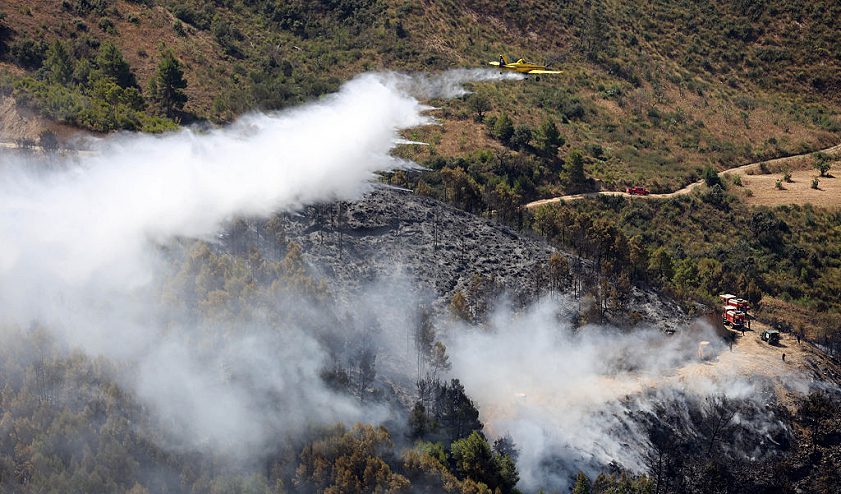
The official toll indicates that Algeria has lost around 1,666 hectares of forest over the past two weeks, while 1,460 fires have been recorded since the start of the current heatwave, figures that reflect the scale of the environmental disaster striking the country this summer.
The fires have spread to many provinces, including Béjaïa, Jijel, Sétif, Tizi Ouzou, Bouira, Médéa, Guelma, Khenchela, Souk Ahras, Batna and Annaba, as well as other provinces in the west and centre, while firefighting teams continued to combat dozens of blazing outbreaks in mountainous areas and dense forests.
Evacuating Residents and Saving Villages
The rapid spread of the flames forced the authorities to carry out extensive evacuation operations to protect residents, with more than 1,200 people evacuated from villages and threatened areas, and temporary shelters provided for affected families. Rescue operations continued for many hours to prevent the flames from reaching residential areas.
Civil Protection also announced a raised state of readiness and the recall of additional personnel in dozens of provinces, amid the continuing risk of new fires breaking out due to the heatwave.
Record Heatwave Behind the Worsening Crisis
The fires coincided with an exceptional heatwave in which temperatures exceeded 49 degrees Celsius in a number of Algerian provinces. This dried out vegetation and turned forests into highly flammable environments, making the fires far more difficult to control.
Experts believe that climate change and the growing frequency of prolonged heatwaves have become among the main factors increasing the risk of forest fires in the Mediterranean region, including Algeria, which has faced this phenomenon repeatedly in recent years.
Human Losses and Sacrifices in Firefighting Operations
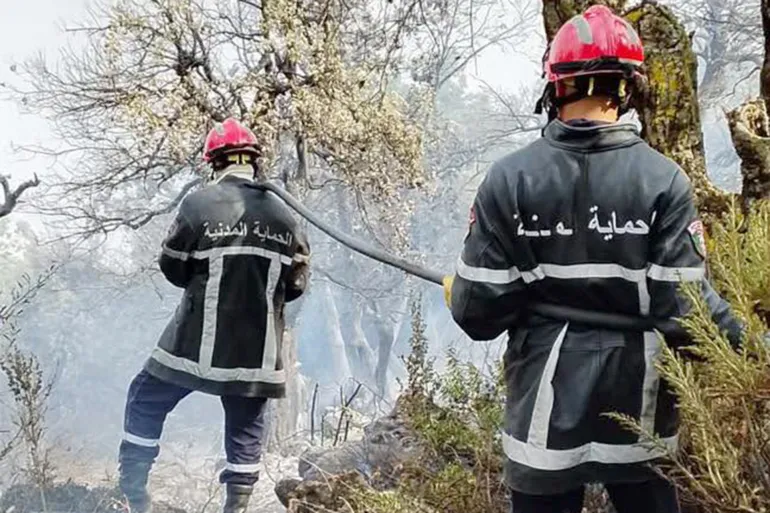
The losses were not limited to vegetation. Firefighting operations also saw casualties, including a volunteer who lost his life while taking part in extinguishing the flames in Sétif province, while a number of firefighters and responders suffered exhaustion and injuries during field operations.
A Challenge That Recurs Every Summer
Algeria is among the North African countries most exposed to forest fires, particularly in the mountainous areas overlooking the Mediterranean, where dense forests intermingle with villages and farmland. As heatwaves intensify year after year, the authorities have increasingly relied on water-bombing aircraft, early warning systems and rapid evacuation plans to limit human and environmental losses.


