

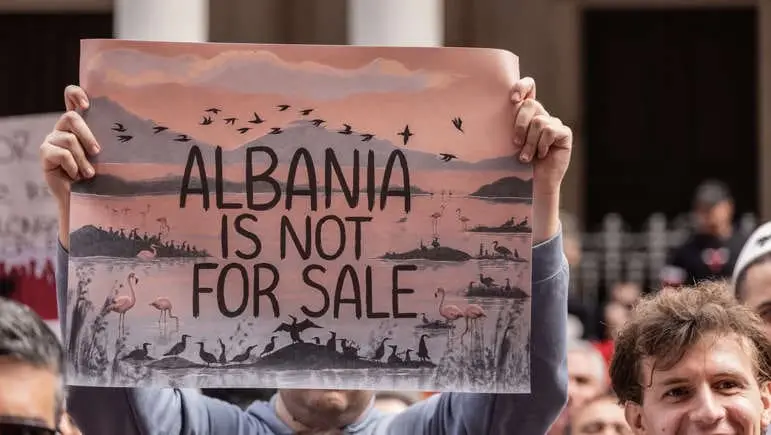
The Albanian government has announced the suspension of a massive tourism project worth approximately $4.7 billion on the island of Sazan in the Adriatic Sea, led by a company linked to Jared Kushner, son-in-law of US President Donald Trump, after mounting European pressure and wide-ranging popular protests against the project.
The suspension decision followed warnings from the European Union that the project could conflict with the environmental standards required for Albania's accession to the Union, a development that could affect the path of membership negotiations in which Albania is considered one of the leading candidates to advance in the coming years.
According to official statements, the project's implementing procedures have been temporarily halted pending the completion of an environmental impact assessment study, while Albania's Anti-Corruption and Organised Crime Agency continues its investigations into the legal aspects and ownership of the land allocated for the project.
Wide protests in Tirana
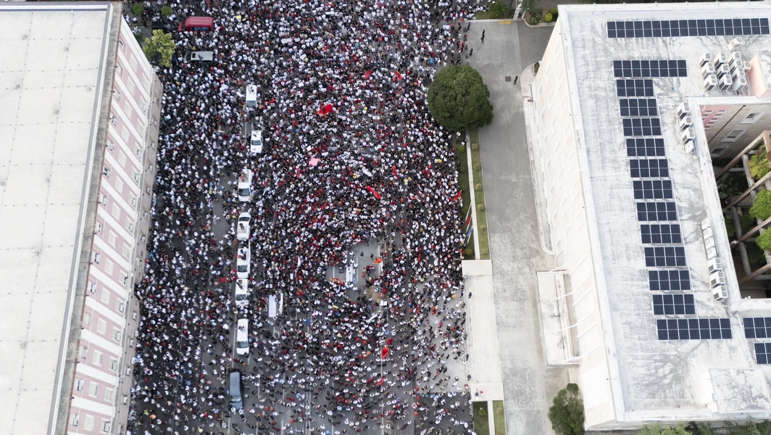
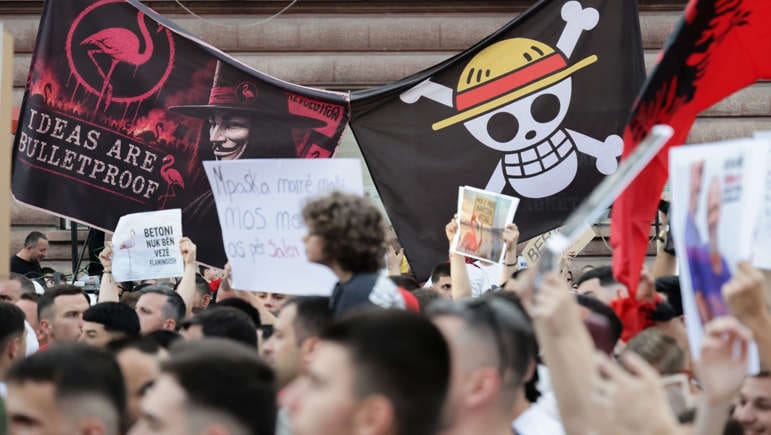
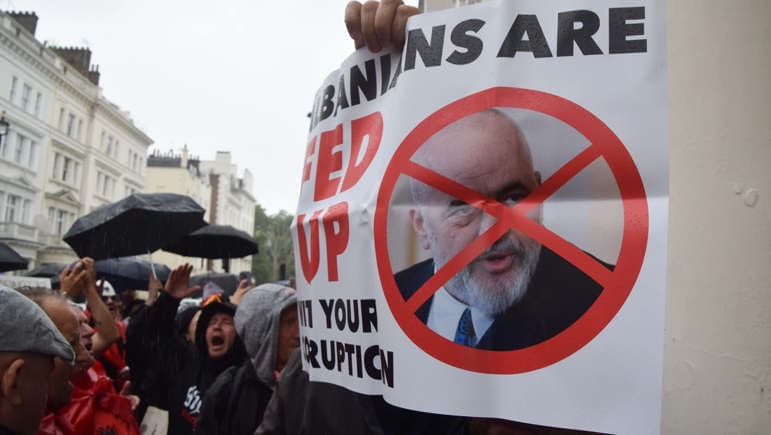
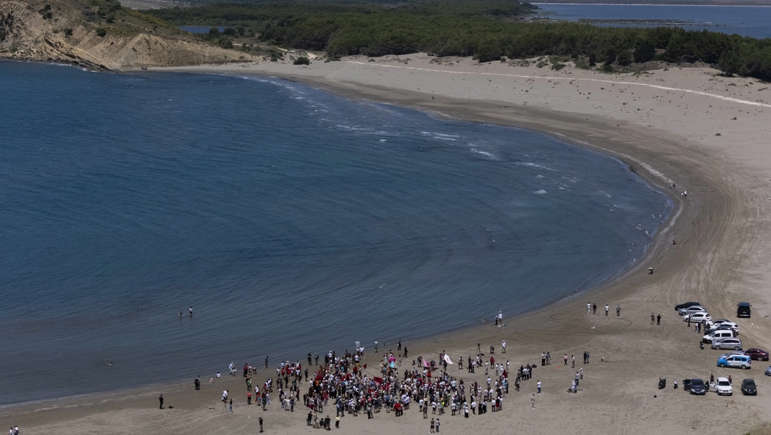
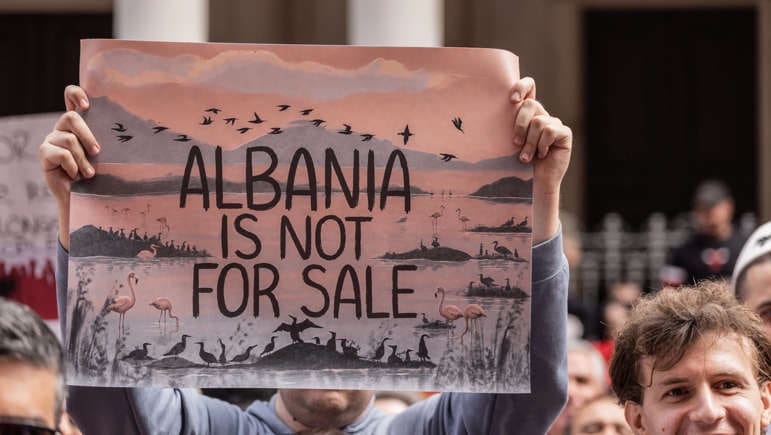
In recent days, the Albanian capital Tirana has witnessed mass protests in which thousands of demonstrators joined to reject the project, demanding that it be cancelled permanently rather than merely suspended. The protesters have dubbed their movement the "Flamingo Revolution," after the flamingos that live in the area threatened by the project, and it has become a symbol of the popular movement opposing it.
Opponents of the project say that building a massive resort with thousands of hotel rooms would destroy sensitive natural habitats and threaten the biodiversity of the island and the neighbouring coast.
European warning
The European Commission has affirmed that Albania is required to fully comply with European environmental legislation, including laws on the protection of birds and natural habitats, if it wishes to continue advancing toward European Union membership.
Brussels has warned that any steps that could harm protected areas or exceed European environmental standards may obstruct the closing of the environment chapter within the accession negotiations.
Government holds firm on the project
Despite mounting pressure, Albanian Prime Minister Edi Rama continues to defend the project as a strategic investment that could boost the tourism sector, which is one of the most important pillars of the Albanian economy.
Supporters of the government argue that the project will create substantial employment opportunities and attract large-scale foreign investment, while opponents see it as an example of economic interests being placed above environmental considerations and transparency.
Investigations and corruption concerns
In a parallel development, the competent anti-corruption authorities announced the opening of investigations related to land ownership and the legal procedures associated with the project, and some assets linked to individuals suspected of connection to the case have been frozen.
These developments come at a time when Albania seeks to accelerate its steps toward joining the European Union by 2030, the target set by Prime Minister Rama, which makes the debate surrounding the project extend beyond its environmental dimension to become a significant political test for the country's European trajectory.
As popular protests continue and European pressure persists, the project's future remains uncertain, pending the results of the environmental and judicial investigations that will determine whether the luxury resort will go ahead or be cancelled permanently.


