

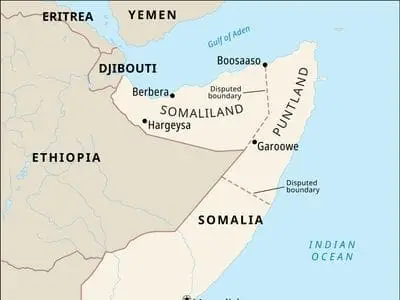
Following the occupation state's recognition of the region of Somaliland — the first international recognition of Somaliland since it declared its secession in 1991 — several international condemnations followed from countries including Egypt, Turkey, and Djibouti.
However, the controversial step also drew the anger of one of the most important players in the Somali landscape: the Harakat al-Shabaab al-Mujahideen, which controls vast areas of central and southern Somalia.
The movement's official spokesman, Sheikh Ali Mahmoud Rage, soon issued a statement titled {لَتَجِدَنَّ أَشَدَّ النَّاسِ عَدَاوَةً لِّلَّذِينَ آمَنُوا الْيَهُودَ وَالَّذِينَ أَشْرَكُوا} [Al-Ma'idah: 82].
In his statement, Rage spoke of the historical, legal enmity between Muslims and Jews, and warned that everyone who "mixed with them or extended their hands to them would end in ruin and destruction."
Rage expressed the movement's "categorical rejection and our opposition to this tyranny displayed by the Jews in seizing part of our lands or using them."
Rage added that the occupation aims through this step to "establish bases in parts of our country."
Rage also called on Somalis to confront this plan and stand against the new steps taken by the occupation, saying, "History should not record that a Somali nation welcomed the Jews and hosted them on its soil … at a time when the Jews continue to commit genocide in Palestine."
He said they would not allow any Jewish presence on "parts of our land, and we will fight them."
Rage concluded his statement by calling on scholars to "clarify the truth" and "warn the nation against allegiance to the disbelievers and make it aware of its enemy," and by calling on the nation to unity "and to submit to the Book of God."


