

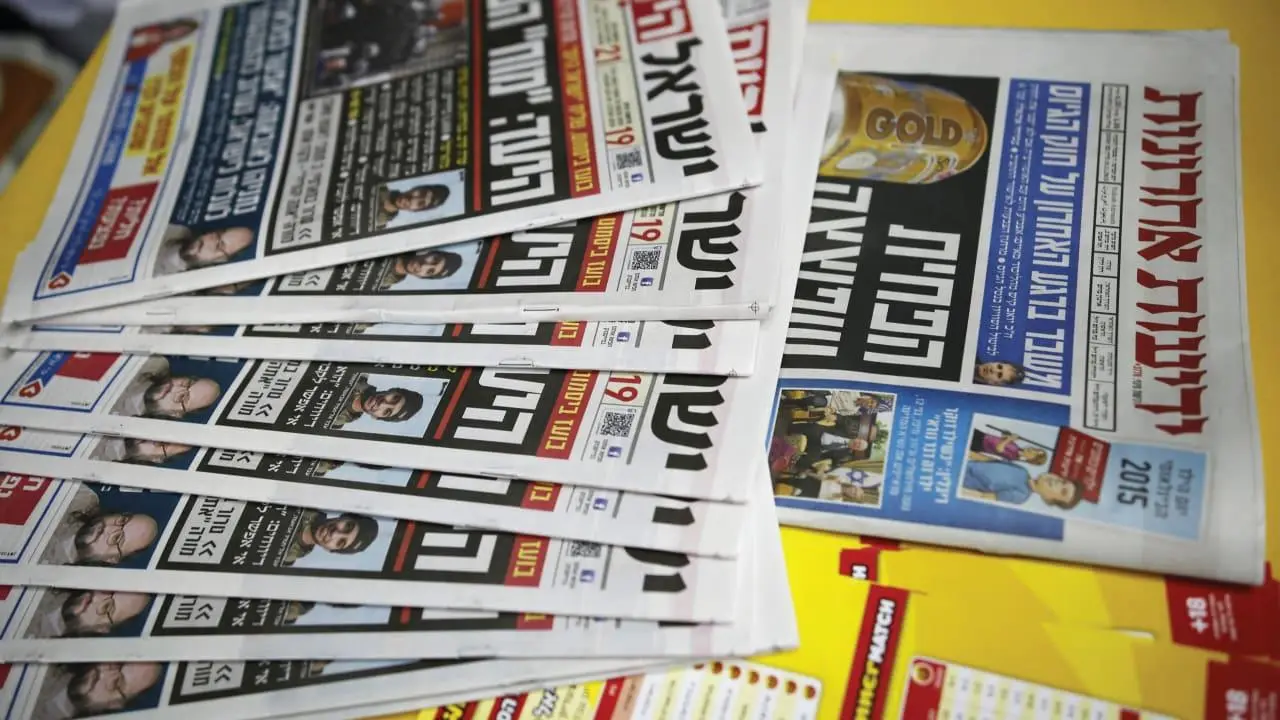
Weekly Review: 19–25 November 2026
About the Series
"Ain on the Israeli Press" is a weekly series published by Wasl, monitoring the most prominent investigations, reports, leaks and analyses published in Israeli media in Hebrew and English. It aims to understand political, military and security shifts, to explore the orientations of Israeli institutions and their external relations, and to highlight what their press reveals about violations and practices against Palestinians and others.
The monitoring is not limited to current news; it extends to strategic studies, investigative reporting, the defence industries and the activities of intelligence agencies, and Israel's relations with states, groups and actors around the world, with published narratives subjected to critical reading and a distinction drawn between facts, claims and assessments.
Editorial Introduction for This Week
The possibility of renewed war with Iran, the future of military control over the Gaza Strip, and disputes within Israeli security agencies occupied a prominent place in media coverage during the week.
In parallel, investigations emerged addressing the use of Palestinians as human shields, attacks on medical teams, and the escalation of settler violence in the West Bank, alongside reports revealing military orientations extending beyond the Palestinian arena to Lebanon and Syria.
Below are the most notable items covered in this review, arranged by their political, military and human rights files.
First: Iran and the Calculations of the Next War
1. Channel 12: Intelligence Warnings of a Multi-Front War
22 November – Security report
Israeli media reports indicated the existence of warnings within the military establishment that launching a new attack on Iran could lead to a widening of the regional confrontation, amid differing assessments over Israel's ability to control the scope and duration of the war.
These warnings reveal a gap between the orientations of the political leadership and the calculations of the military establishment regarding the repercussions of renewed confrontation.
Significance of the report: The Israeli disagreement concerns not only the decision to go to war, but also its timing, its scope and the capacity to contain its repercussions.
2. Former Mossad Chief Calls for a New War on Iran
Times of Israel – 23 November
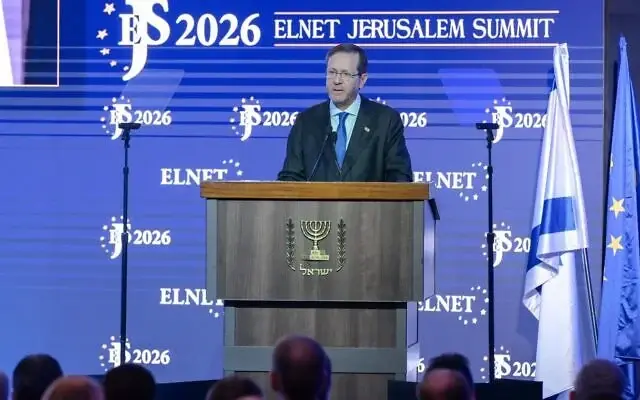
David Barnea, former head of the Mossad, called for a new war on Iran should suitable conditions arise, in a position reflecting the continued calls within Israeli security circles for the use of military force against Tehran.
Barnea also addressed aspects of the Mossad's external activities during his tenure as head of the agency.
Significance of the report: The continued presence of the war option in the discourse of prominent Israeli security figures, even after they have left their official posts.
3. Yedioth Ahronoth: Concerns over Diminishing Opportunities to Strike Iran
20 November – Military analysis
The newspaper addressed concerns within the Israeli military establishment over the accelerating Iranian efforts to rebuild its military capabilities, fortify its facilities and move some of its infrastructure to protected underground sites.
Coverage points to a disagreement over the degree of urgency in carrying out a new attack, with the head of the Mossad calling for rapid action while the chief of staff prefers waiting, given his assessments of the level of the immediate threat.
Significance of the report: It reveals the effect of Iran's rebuilding of its capabilities on Israeli calculations of the timing of a possible war.
4. Israeli Accusations that Iran Is Developing Chemical Weapons Capabilities
24 November – Times of Israel and Yedioth Ahronoth
Israeli coverage highlighted accusations attributed to Defence Minister Israel Katz regarding Iran's pursuit of chemical weapons capabilities.
These accusations come in the context of a growing debate over resuming the war, alongside accusations relating to Iran's nuclear programme and the development of its missile capabilities.
Significance of the report: The entry of the chemical weapons file into Israeli security discourse merits follow-up, while the accusations should not be treated as independent evidence that Iran possesses such weapons.
Second: Gaza – the Future of Governance, Withdrawal and Reconstruction
5. Yedioth Ahronoth: Hamas-Affiliated Institutions Continue to Operate in Gaza
20 November – Field report
The newspaper addressed the continued activity of civilian and administrative institutions affiliated with Hamas in the Gaza Strip, despite the extensive damage the Strip suffered during the war.
The estimates in the preliminary survey included the resumption of work by 22 municipalities and 17 ministries, and the connection of some 80,000 people to the administrative and organisational system.
Significance of the report: The continued operation of these institutions raises questions about the ability of Israeli and international plans to establish an alternative governance system in the Strip.
6. Jerusalem Post: No Withdrawal and No Reconstruction Before Hamas Is Disarmed
24 November – Report by Lianne Jeremy Bob
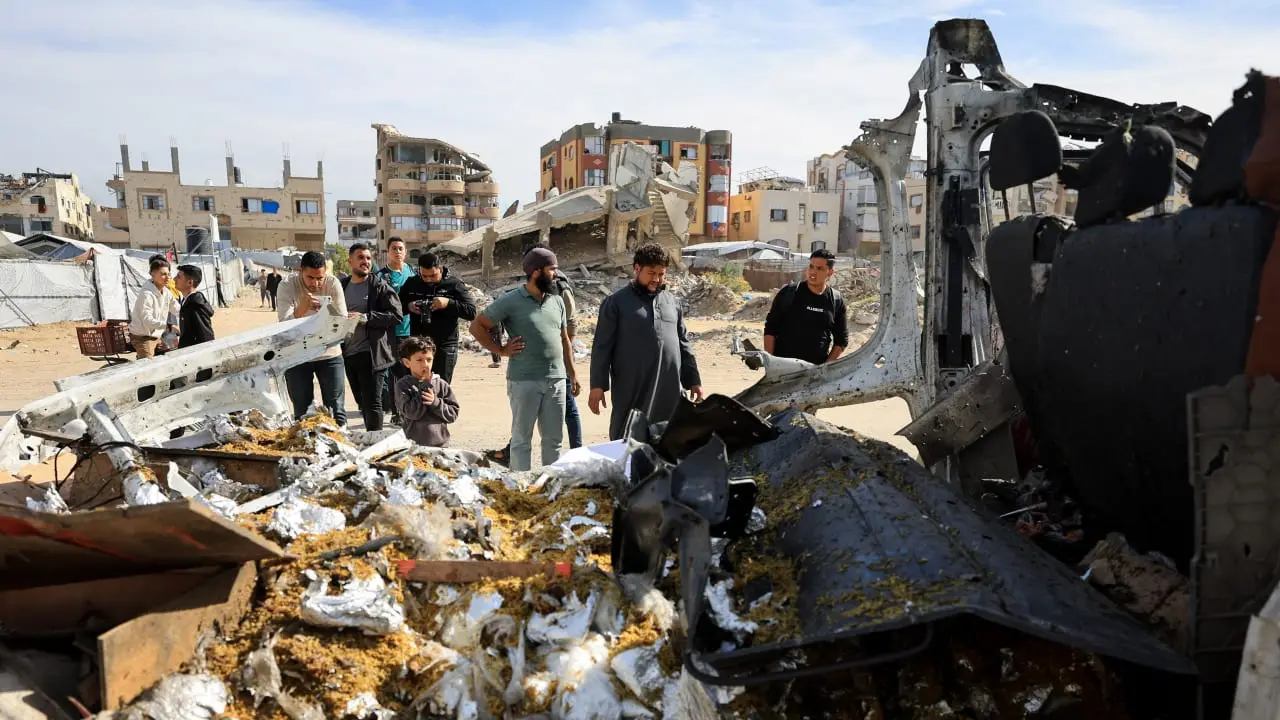
The newspaper quoted Israeli Defence Minister Israel Katz rejecting withdrawal from areas controlled by the Israeli army, or permitting reconstruction in areas under Hamas control, before the movement is disarmed.
These statements came despite criticism from the US administration of the Israeli government over the stalling of implementation of obligations under the 2025 ceasefire agreement.
Significance of the report: It highlights the link between reconstruction and military withdrawal and the security conditions imposed by the Israeli government, and the consequent continuation of civilian suffering.
7. Yedioth Ahronoth: Tony Blair and Visions of Gaza's Future Governance
23 November – Political interview
Coverage addressed statements by former British Prime Minister Tony Blair regarding future governance arrangements in the Gaza Strip, including the establishment of a Palestinian administration enjoying international support, alongside new security arrangements.
His remarks came amid disagreements over the course of implementing the political and security obligations concerning the future of the Strip.
Significance of the report: It reflects the continued external involvement in shaping visions of Palestinian governance and their linkage to conditions for Israeli withdrawal and disarmament.
8. Jerusalem Post: Continued Targeting of Internal Security Officials in Gaza
25 November – Military report
The newspaper reported the announcement that a second official of Hamas's internal security apparatus had been targeted within two days, as part of continuing Israeli operations against members of the apparatus.
These operations coincided with ongoing debate over forming a new security and administrative system in the Strip.
Significance of the report: The targeting of security officials indicates that Israeli operations are not limited to confrontation with military wings, but also include the existing security structure in Gaza.
Third: Haaretz Investigations – Human Shields and Targeting of Medical Teams
9. Haaretz: Investigations into the Use of Palestinians as Human Shields and the Extension of the Practices to Lebanon
24 November – Press investigation
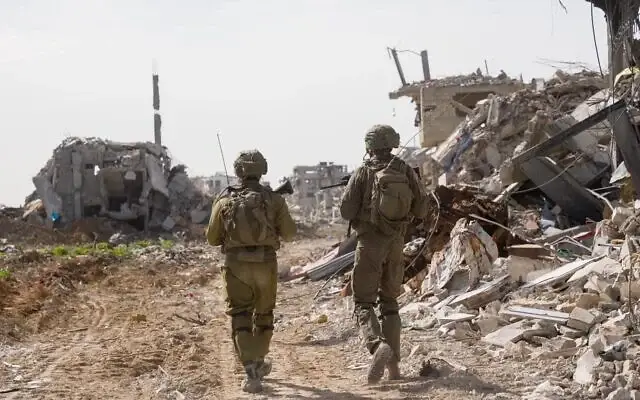
Haaretz revealed that the Israeli army has opened criminal investigations into at least 16 cases concerning suspicions that its soldiers used civilians and detainees as human shields during the war, including in the West Bank and the Gaza Strip.
The newspaper also revealed similar practices in Lebanon, and an incident there that resulted in one person's death.
Responding, the Israeli army stated that using detainees in military missions is prohibited.
This is not the first time the newspaper has addressed these practices; it had previously published an investigation into the use of Palestinians as human shields in Gaza in August 2024.
Significance of the investigation: The repetition of these incidents raises questions about the extent to which these practices have spread within military units, and about the responsibility of commanders for preventing them and holding perpetrators accountable.
10. Haaretz: Saving Lives Becomes a Dangerous Mission for Palestinian Paramedics
24 November – Report by Matan Golan
The report highlighted the growing dangers faced by Palestinian paramedics in the West Bank, based on testimonies from medical workers and data compiled by the organisation Physicians for Human Rights – Israel.
The figures point to rising attacks on medical teams, amid the spread of military checkpoints, settler violence and difficulties in reaching the injured.
Significance of the report: The repercussions of the attacks do not end with injuries, but extend to obstructing the rescue of the wounded and weakening the capacity of Palestinian medical institutions to carry out their work.
11. Haaretz: Military Spending at the Expense of Rehabilitating Border Areas
24 November – Economic report
The preliminary review addressed a report by journalist Itamar Sasson on the diversion of financial allocations earmarked for rehabilitating the border areas adjacent to Gaza and Lebanon in favour of defence spending.
According to the preliminary summary, the value of the cuts reached about $90 million, amid concerns that ongoing civilian projects would be disrupted.
Significance of the report: It highlights the competition between military spending needs and civilian rehabilitation projects, and the pressures that prolonged wars place on the Israeli budget.
Fourth: The West Bank – Settler Violence and the Dispute over State Responsibility
12. Israeli Chief of Staff Speaks of a Shortage of Tools to Confront Settler Violence
Times of Israel – 25 November
The newspaper reported that Israeli army chief of staff Eyal Zamir told members of the Knesset that the army does not have sufficient tools to deal with settler attacks in the West Bank.
In a related context, reports indicated that the Shin Bet criticised the defence minister for refusing to use administrative detention against settlers involved in violence, while Katz believes that dealing with these attacks should fall under the jurisdiction of the police.
Significance of the report: It reveals an institutional disagreement over the distribution of responsibilities and the tools used to confront the attacks, at a time when Palestinians and their property continue to be endangered.
13. President of the Supreme Court Warns of the Repercussions of Settler Violence for the Zionist Project
Times of Israel – 24 and 25 November
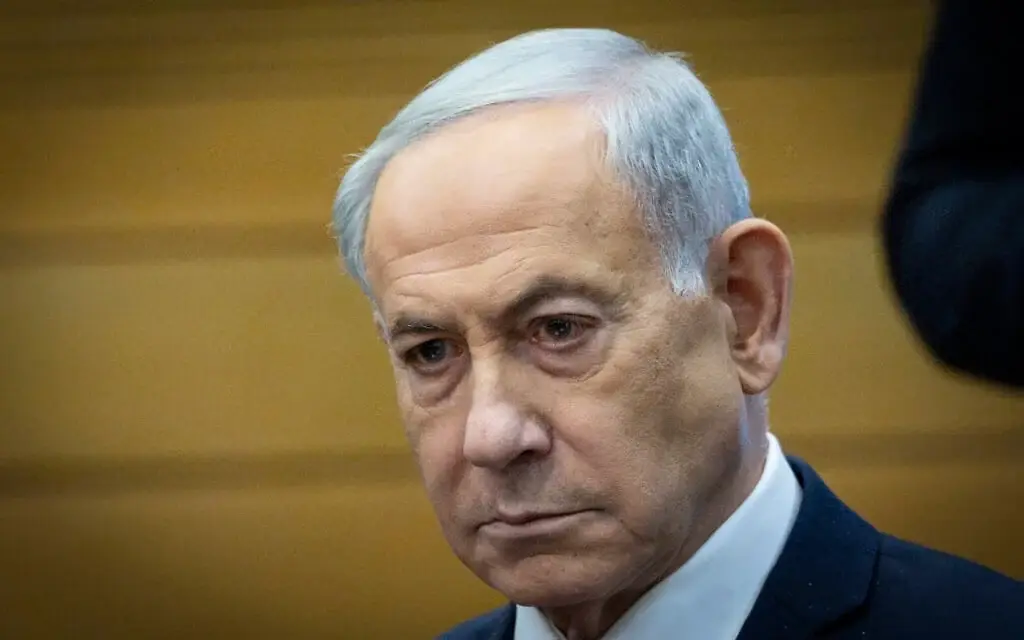
Israeli Supreme Court President Yitzhak Amit criticised settler attacks, considering them an affront to religious values and a threat to the Zionist vision, and warning of their repercussions for Israel's international standing.
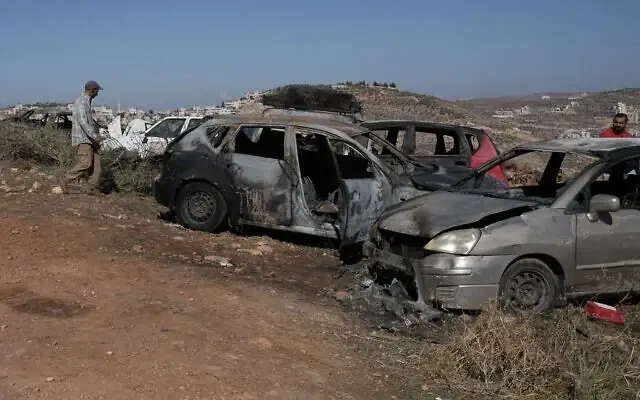
His remarks came after attacks that included the burning of Palestinian homes and vehicles in villages near Ramallah, which politician and former chief of staff Gadi Eisenkot described as Jewish terrorism.
Israeli President Isaac Herzog and former prime minister Naftali Bennett also criticised these attacks.
Significance of the report: The remarks reveal the widening scope of internal criticism of settler violence, although these condemnations do not necessarily mean an actual change in the level of protection Palestinians receive.
Fifth: Syria and Lebanon – Military Movements and the Reshaping of Security Relations
14. Jerusalem Post: US Demining Mission Could Open the Door to Wider Military Cooperation with Syria
23–24 November – Report and analysis
The newspaper addressed the American proposal to train Syrian forces in mine clearance, which would be the first US military training mission of this kind since the fall of Bashar al-Assad's regime in 2024, if implemented.
The proposal comes in the context of changes in US–Syrian relations, including the lifting of extensive economic sanctions and the easing of restrictions on exports and defence-related services.
The project could provide an entry point for broader military cooperation between Washington and Damascus, although it remains at the stage of discussions.
Significance of the report: These developments merit follow-up to understand shifts in Syria's external military relations and their implications for Israeli security calculations in the region.
15. Times of Israel: Continued Targeting of Hezbollah's Military Infrastructure in Eastern Lebanon
19 November – Military report
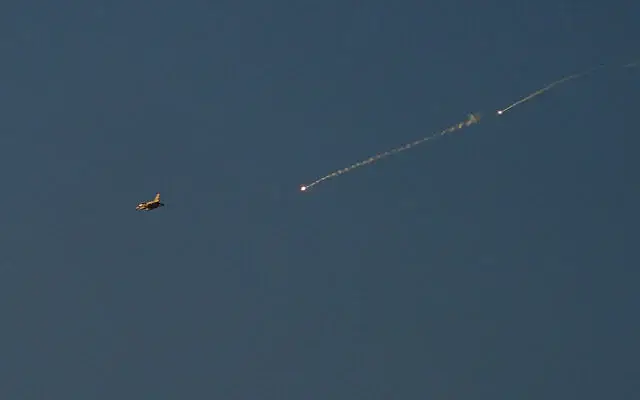
The newspaper addressed Israeli airstrikes on the Bekaa region in eastern Lebanon, which the Israeli army said targeted facilities linked to Hezbollah's missile capabilities.
These operations come amid continuing security tensions in Lebanon and Israeli accusations concerning Hezbollah's efforts to rebuild its military capabilities.
Significance of the report: It highlights the continuation of Israeli operations deep within Lebanese territory, not confined to the southern border areas.
Sixth: Israeli Intelligence – Documents and Leaks Revealing Internal Disputes
16. Yedioth Ahronoth: Internal Document Reveals a Sharp Dispute within the Shin Bet over Human Rights
20 November – Investigation by journalist Nataniel Bendel

The newspaper revealed an internal dispute between legal and operational officials in Israel's internal security service, the Shin Bet, over a document in which a senior legal official warned against overuse of security justifications to legitimise measures that affect human rights.
The legal official explained that the continuation of these practices faces growing judicial objections, warning of the repercussions of some cases for Israel on the international stage.
An operational official within the agency responded with another document accusing the legal advisers of restricting the Shin Bet's ability to carry out its tasks.
The disputed cases included measures taken inside Israel, the West Bank and the Gaza Strip.
The newspaper noted that the agency's current head, David Zini, was briefed on the details of the dispute after taking office in October 2025, and that the case forms part of the background to the tension between him and the agency's legal adviser.
Significance of the investigation: It reveals a dispute within the security establishment over the limits of using security considerations to justify measures that affect fundamental rights, and the extent to which these measures are subject to judicial accountability.
17. Ronen Bergman: Nine Security and Legal Officials Criticise the Performance of the Shin Bet Chief
Yedioth Ahronoth – 19 November
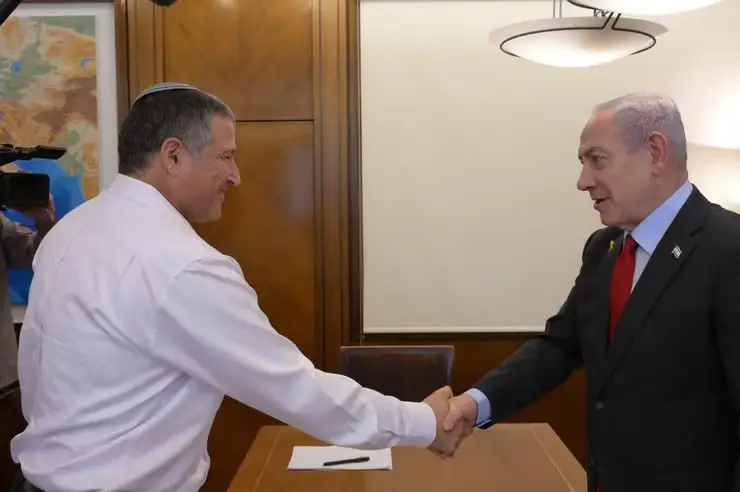
Israeli journalist Ronen Bergman, who specialises in intelligence affairs, published a report based on conversations with nine current and former officials about the performance of Shin Bet head David Zini.
The officials who spoke to the newspaper accused Zini of taking decisions that serve the political interests of Prime Minister Benjamin Netanyahu, warning of the repercussions for the agency's independence and performance.
The report addressed the controversy over investigations into suspected interference in Israeli elections, and the extent to which these investigations are used in internal political conflict.
Significance of the investigation: It sheds light on accusations of politicising Israeli intelligence agencies, and on the dispute over the limits of the relationship between the political leadership and the security institutions.
Seventh: The Strategy of Military Control over Territory
18. Israel Hayom: Katz Affirms Refusal to Withdraw from Areas Controlled by His Forces in Lebanon, Syria and Gaza
24 November – Report by Leilach Shuval
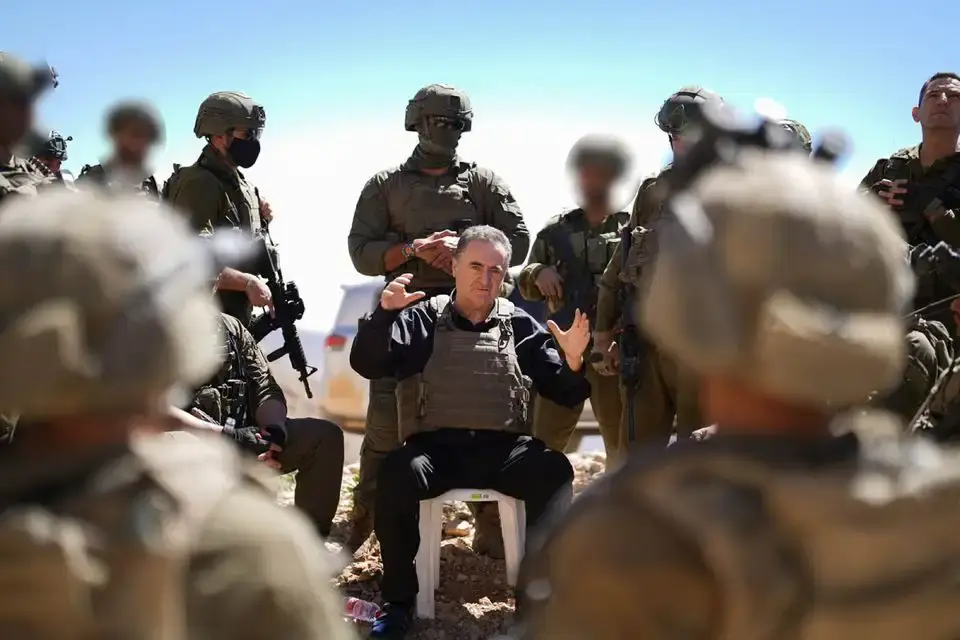
Israel Hayom quoted Israeli Defence Minister Israel Katz affirming that Israeli forces will not withdraw from what he describes as "security zones" in Lebanon, Syria and the Gaza Strip.
Katz also levelled criticism at the Lebanese army, accusing it of passivity and of cooperating with Hezbollah.
The statements came during a media briefing in which the Israeli Defence Minister also addressed claims about the development of Iranian military capabilities and calls for renewed operations against Tehran.
Significance of the report: The statements carry strategic weight because they link the continued Israeli military control of territory in three different arenas with its implications for national sovereignty and the prospects for political settlements.
Eighth: Additional Material Worth Following
19. Haaretz: Amos Harel discusses the political motives behind Netanyahu's efforts to renew the war with Iran
24 November – Military and political analysis
Military analyst Amos Harel addressed the dispute over the urgent need to launch a new attack on Iran, touching on the possibility that domestic political considerations influence Netanyahu's efforts to push for a renewal of the war.
Significance of the analysis: The importance of separating assessments of actual military threats from the calculations of political leadership amid the struggle over forming the Israeli government.
20. Haaretz: Political pressure to prevent broadcast of an investigation into Palestinians used as human shields
24 November – News article
The newspaper reported calls by Defence Minister Israel Katz and the politician Avigdor Liberman for an investigation prepared by the Israeli Broadcasting Corporation on the use of Palestinians as human shields in Gaza not to be broadcast, before they had watched it.
Significance of the report: It raises questions about freedom of journalistic work on issues related to Israeli army violations, and attempts to influence public access to information.
Wasl Summary: What does the Israeli press reveal this week?
A careful reading of Israeli reports and investigations over the week reveals a number of trends that go beyond daily news and passing field developments.
First: The continued presence of war in Israeli strategic calculations. Despite disagreements over the timing of a new confrontation with Iran and the extent of its necessity, the military option remains strongly present in the statements of current and former political and security leaders.
Second: Holding on to military control of territory. In this context, the Defence Minister's statements rejecting withdrawal from areas in Gaza, Lebanon and Syria stand out, indicating a trend aimed at prolonging the Israeli military presence in these arenas.
Third: The gap between military objectives and the political reality in Gaza. Reports on the continued operation of institutions affiliated with Hamas reveal difficulties facing Israeli and international perceptions of establishing an alternative governing system, despite years of war.
Fourth: The widening scope of violations addressed by Israeli investigations. From the use of human shields to attacks on paramedics and settler violence, these investigations are important for documenting facts and gathering testimony, and for comparing them with what Palestinian and international human rights institutions publish.
Fifth: Escalating disputes within security institutions. Documents and leaks related to the Shin Bet reveal conflicts concerning the independence of intelligence agencies, the limits of their powers, and the extent to which they are subject to political and legal considerations.
The value of following the Israeli press lies in its ability to expose aspects of internal debates, security assessments and political plans that do not appear with the same clarity in official statements.
However, this monitoring remains in need of a critical reading that is aware of the sources of information and the motives behind their publication; some leaks may reflect a genuine disagreement within institutions, while others may be part of attempts to influence public opinion or to pave the way for political and military decisions.
Hence the importance of this weekly monitoring, not as a relay of the Israeli narrative, but as a means of understanding its directions, tracking its movements, documenting what its sources reveal, and comparing that with events on the ground.


