


More than a decade after one of the most violent crises to tear through the Central African Republic, the call to prayer is returning to Sibut, north of the capital Bangui, in a scene that carries meaning beyond the return of prayer to the mosque. It reflects an attempt by a Muslim community to restore its presence after years of displacement and destruction.
Reports published on 14 and 15 August 2026 said Muslims had begun gradually returning to Sibut, a city with a Christian majority, after the armed conflict forced many of its Muslim residents to flee. With the reconstruction of the central mosque, which was looted and destroyed during the war, the call to prayer has once again resounded over the city's rooftops.
A city that lost part of its population
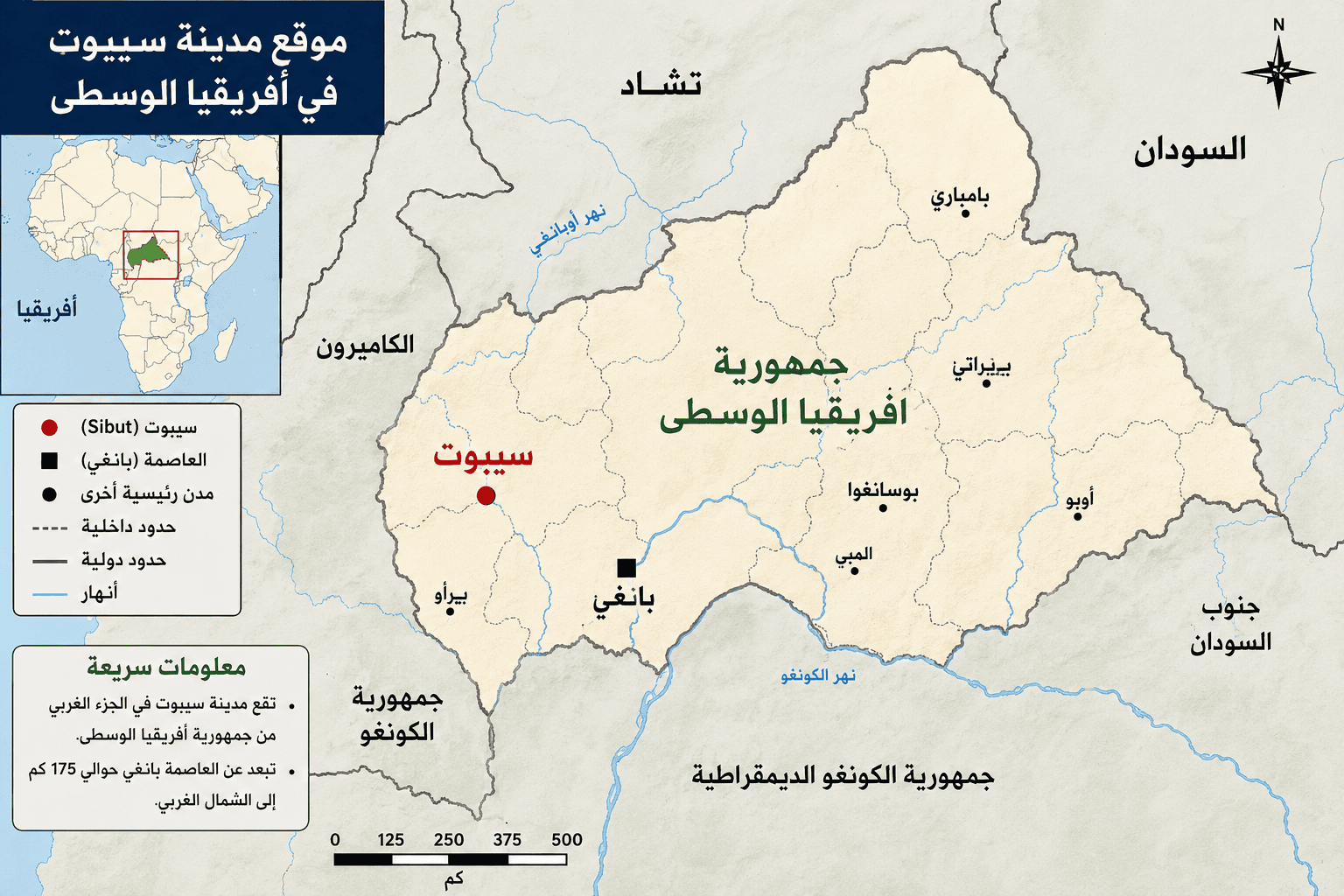
Sibut lies about three hours' drive north of Bangui. Before the war it was an active commercial centre with a prominent Muslim community.
But the war that broke out more than a decade ago, and the clashes that accompanied it between Muslim armed groups and extremist Christian militias, pushed large numbers of Muslims to leave the city and seek safety in other areas or outside the country.
Recent reports say that neighbourhoods containing homes and shops belonging to Muslims were destroyed or abandoned during the years of conflict, before some of their owners began to return gradually.
Displacement was therefore not merely the movement of people; it left behind a city that lost part of its social and economic fabric. Now that fighting has subsided, the question is whether Muslims can truly return to the places they were forced to leave.
The mosque returns, and so does the call to prayer
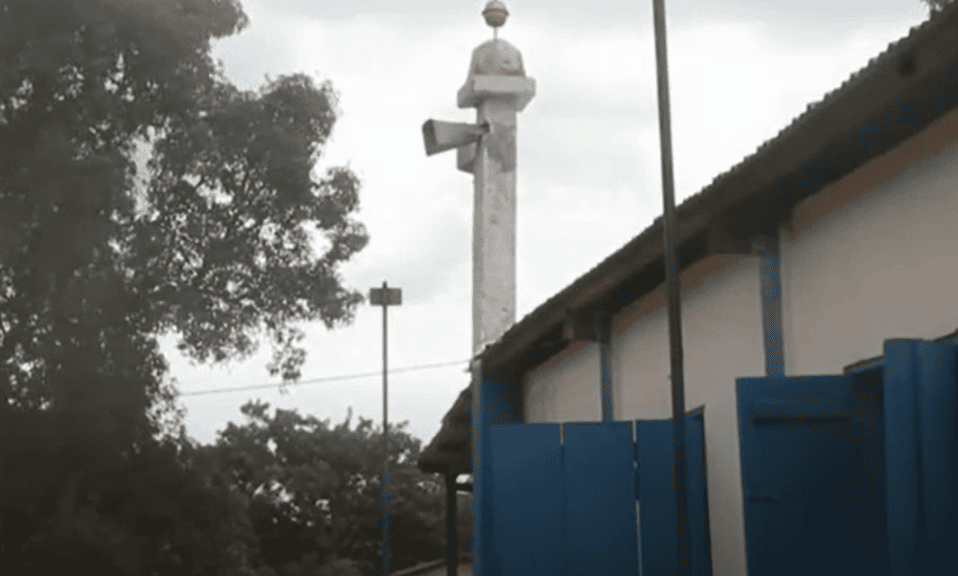
Against this backdrop, the central mosque in Sibut has become a symbol of the new phase.
The mosque, which was looted and destroyed during the conflict, has been rebuilt, and the call to prayer and congregational prayers have resumed there. Its imam, Saïd Gouni, says that his message from the pulpit is now centred on peace and social cohesion.
This reflects a notable shift: a place that had witnessed division and violence is now trying to become a space for coexistence.
The imam said that people are now living through a period of peace and coexistence, and that all returnees need peace.
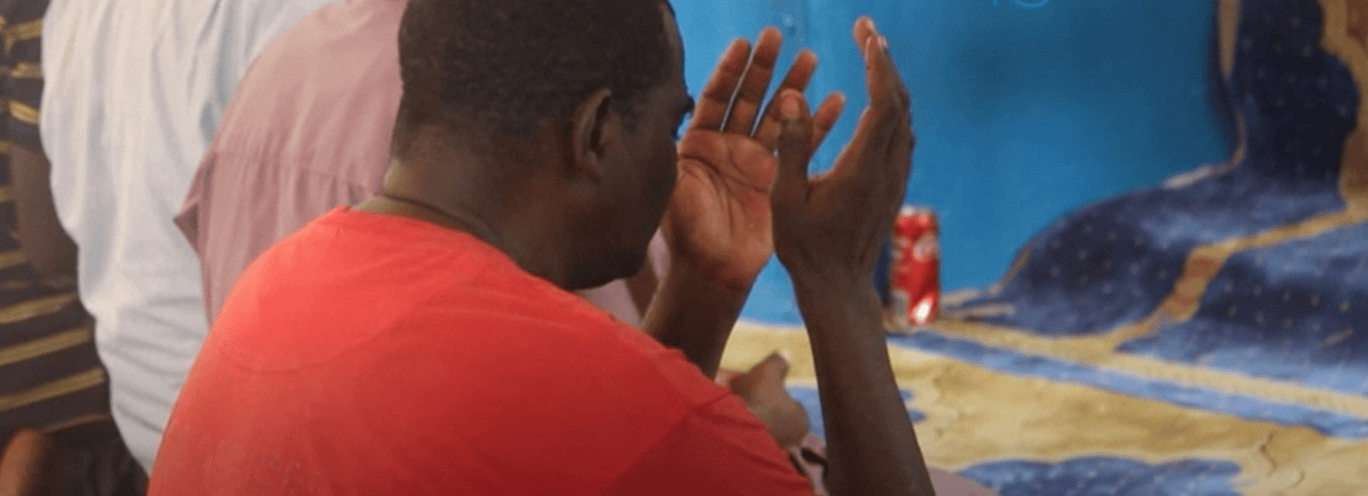
A welcome from Christian residents
A notable aspect of Sibut's story is that some Christian residents who remained in the city welcome the return of their Muslim neighbours.
In the Adramani neighbourhood, where many Muslim-owned homes and shops were destroyed or abandoned, reports quoted Christian residents welcoming the return of Muslims. One resident spoke of forgiveness and invited his former Muslim neighbours to come back.
If such statements translate into a stable reality, they could be highly significant in a community whose memory is still burdened by years of violence and division.
Security does not mean only the cessation of gunfire; it also means that displaced residents can return to their neighbourhoods, restore their livelihoods, rebuild their mosques, and live without harm from their neighbours.
From displacement to restoring life
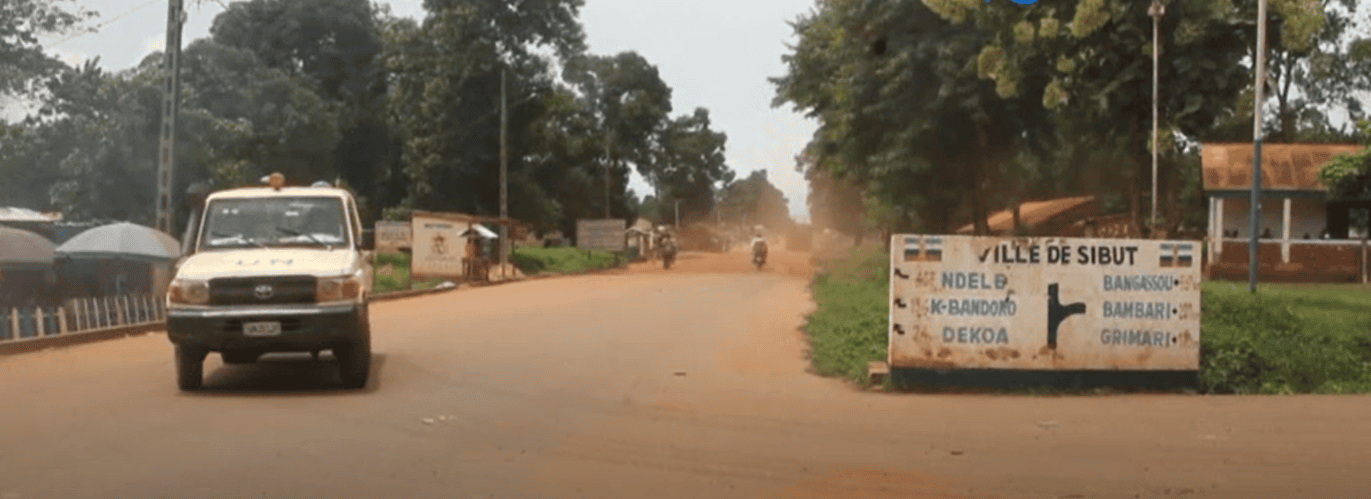
The crisis in the Central African Republic has had severe effects on Muslims. During the years of conflict, human rights organisations documented waves of violence and displacement targeting civilians, and the return of displaced and refugee Muslims has become one of the complex issues linked to the country's future.
Studies of the crisis indicate that the return of Muslims is not only a matter of security but also includes restoring property, social integration, access to services, and guarantees of protection.
This makes the return of Muslims to Sibut a real test of how far efforts to promote coexistence in the country are succeeding.
A country that has not fully overcome its crises
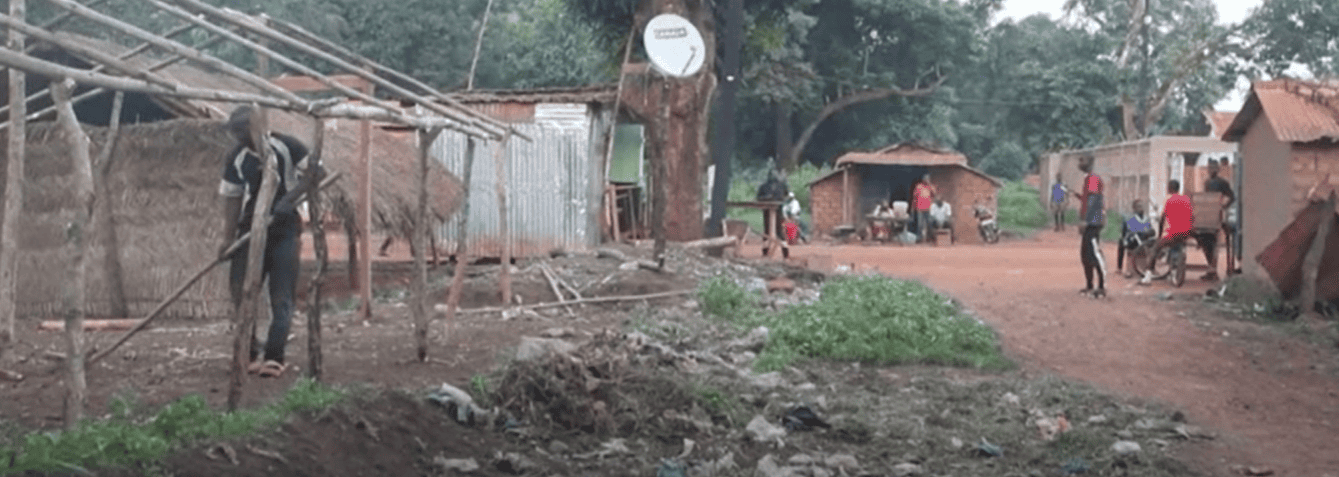
Despite the security improvement in Sibut, the Central African Republic still faces a humanitarian crisis and prolonged displacement.
The United Nations High Commissioner for Refugees estimates that, as of September 2025, the country had around 447,100 internally displaced persons and 62,700 refugees and asylum seekers, while hundreds of thousands of Central African nationals remained refugees in neighbouring countries. The UNHCR also described the crisis as protracted, with refugees continuing to arrive from Sudan.
The memory of war does not disappear easily
Returning to the city also means confronting painful memories.
The homes that were destroyed, the shops that were closed, and the mosques that were looted all serve as reminders of what happened. Many of those who fled also lived for years outside their original areas, and their circumstances and lives may have changed during their absence.
The call to prayer as a sign of reconciliation
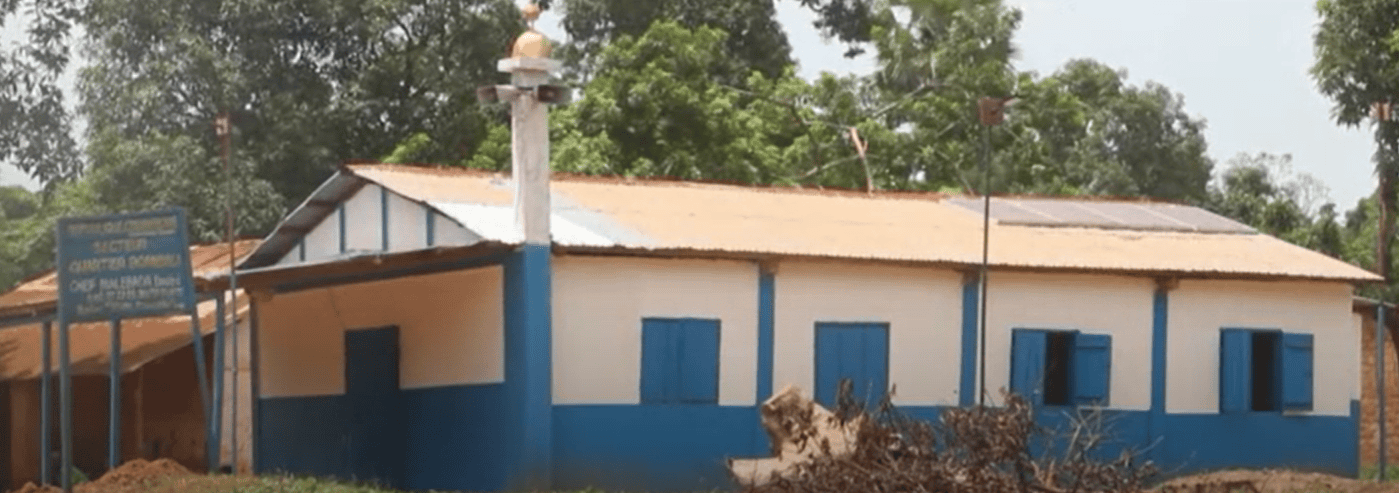
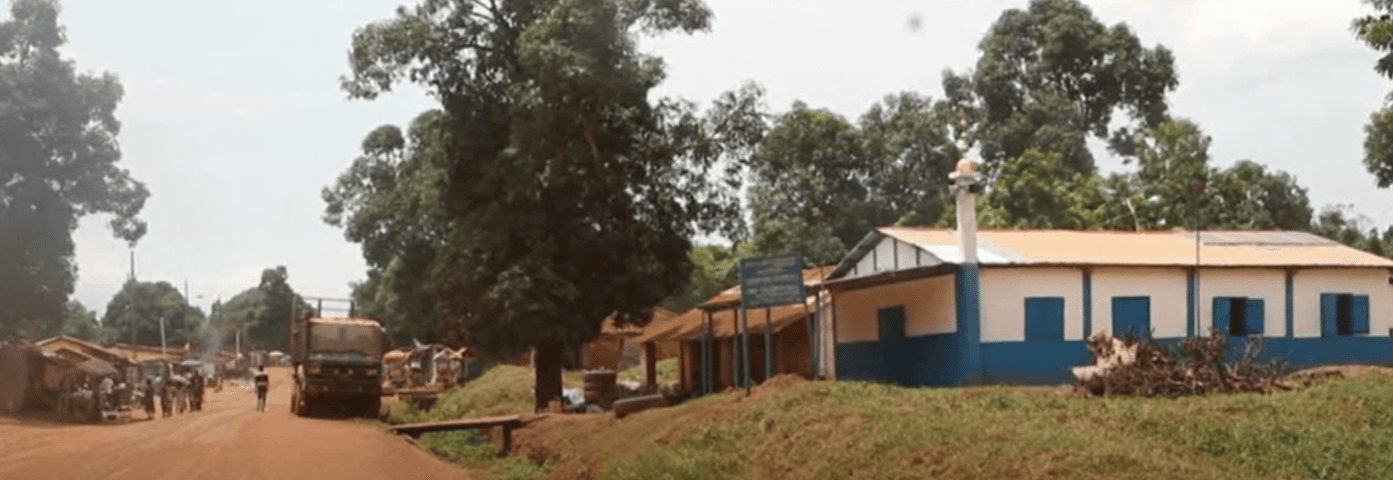
In a city that has lived through years of division, the return of the call to prayer to Sibut appears to be more than a religious scene.
It is a test of a new phase in which the city is trying to win back the Muslim residents it lost during the war.
If Muslims can return safely, recover their property and interests, and rebuild their religious and social institutions, and if Christians can live again as neighbours, Sibut could become a small model of what coexistence might look like in a country exhausted by war.
But the road remains long.
The return of residents is the beginning, not the end. The real challenge is to turn the return of the call to prayer from a temporary symbol of safe return into a lasting reality in which Muslims feel that the city has room for them.
In the end, the image of the central mosque once again filled with worshippers may capture what Sibut is trying to say after years of war: that the city Muslims fled can become once more a city where they live, not one they pass through while carrying the memory of displacement.


