


Thousands of displaced people have begun returning to their homes in the town of Am Dafok in the northeast of the Central African Republic, more than two months after a deadly armed attack struck the border area with Sudan. The attack left dozens dead and displaced more than 17,000 people, in one of the crises that has remained largely outside international media attention.
According to a United Nations update, more than 5,000 people have returned to Am Dafok as the security situation has relatively improved, while the local market reopened its doors on 4 September, a sign that part of daily life is resuming after weeks of displacement and fear.
However, the return does not mean the crisis is over. The security situation remains fragile, while the United Nations Multidimensional Integrated Stabilization Mission in the Central African Republic (MINUSCA) continues to strengthen its presence and conduct patrols to maintain security in the area.
An Attack That Upended the Life of the Town
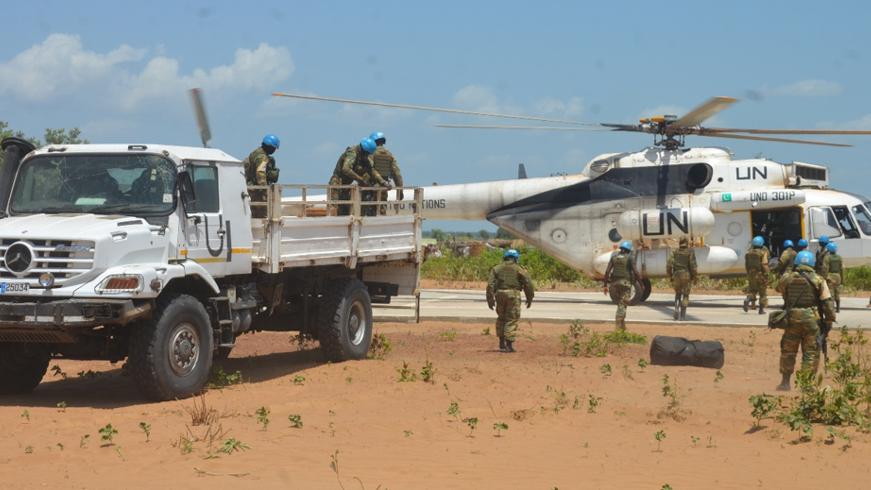
The current crisis dates back to 30 June 2026, when Am Dafok, located in Vakaga prefecture on the border with Sudan, was hit by a large-scale armed attack.
According to United Nations information, the attack resulted in the deaths of 29 people and caused large numbers of residents to flee their homes.
In the days that followed, more than 16,000 displaced people gathered near the temporary base of the United Nations mission in Am Dafok seeking protection, while more than 2,000 others fled to the city of Birao.
Local authorities said the attackers burned and looted a number of homes, destroyed property and seized food stocks, further worsening the humanitarian conditions of residents who were forced to leave their homes.
MINUSCA confirmed that the attack affected security forces, civilians and peacekeepers alike.
More Than 17,000 People Seeking Safety
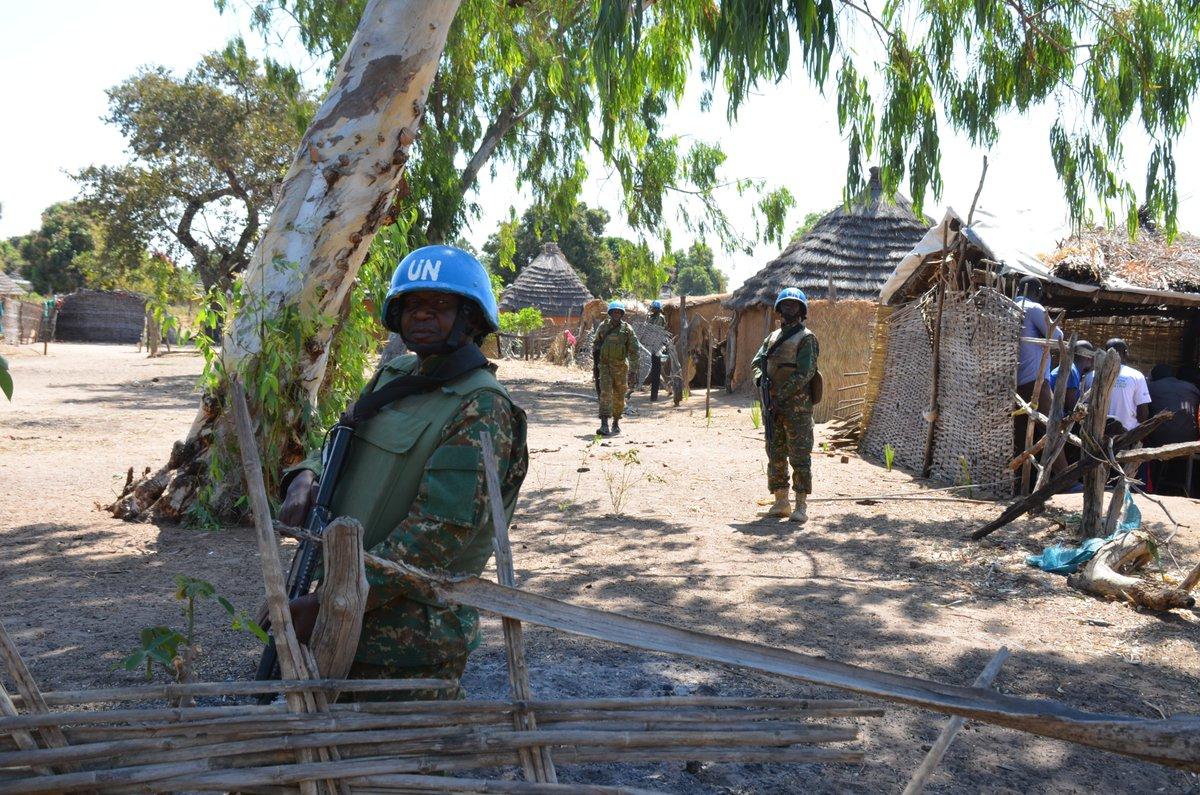
The area surrounding the United Nations base quickly became a temporary refuge for thousands of fleeing people.
On 14 July, MINUSCA said that more than 17,000 people had taken shelter near its temporary base after the attacks, and that it had worked with humanitarian organisations to deliver medicines and medical supplies, water and sanitation materials, emergency shelter, and basic household needs.
Access to water, healthcare and food was among the most pressing challenges facing the displaced.
The mission said the health situation remained a cause for concern, with cases of malaria, respiratory infections and diarrhoea recorded among the population, while relief teams worked amid needs that exceeded available capacities.
The Beginning of the Return
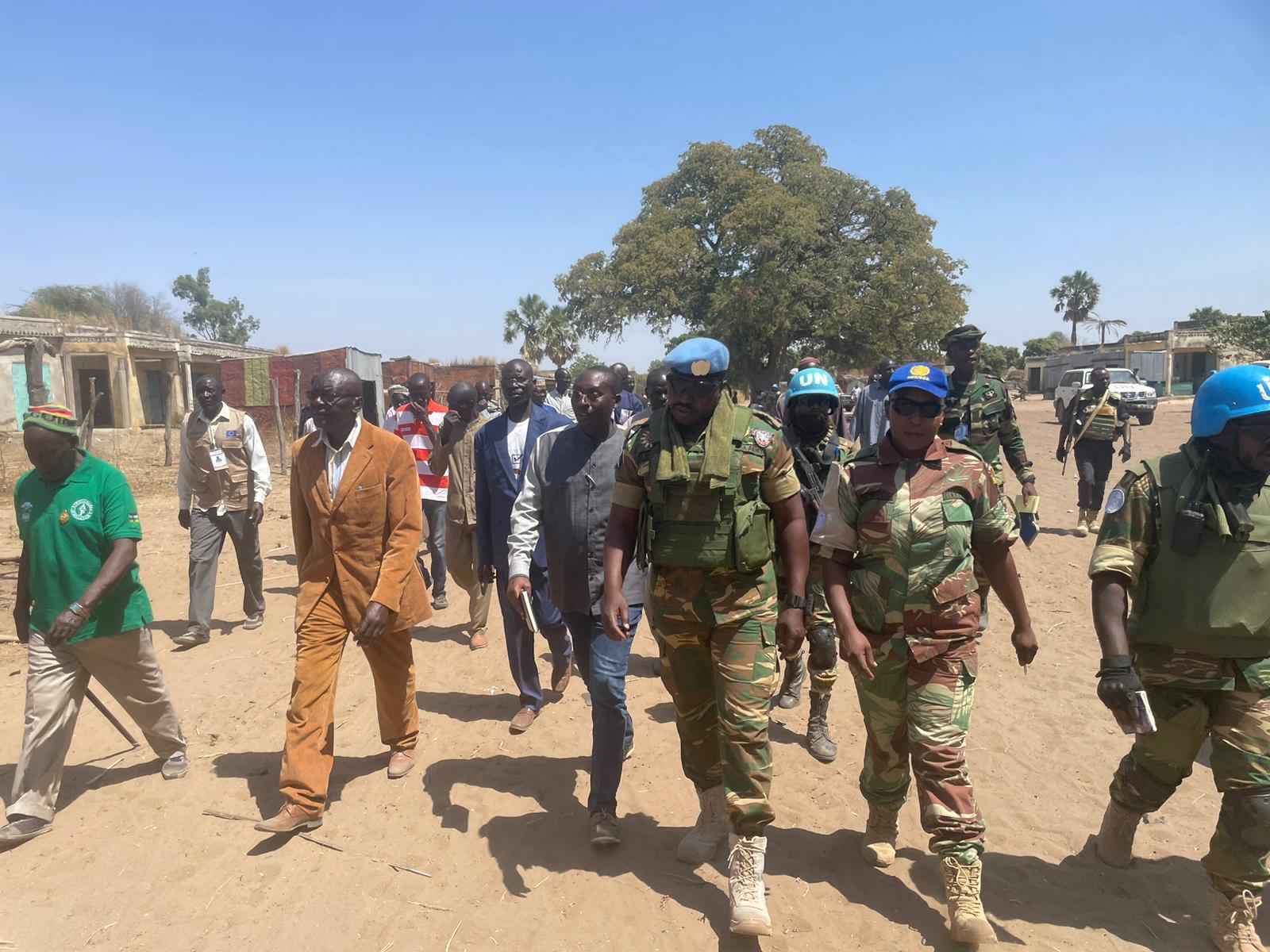
As weeks passed, the security situation gradually improved. The United Nations mission strengthened its presence in the area, while deployed forces continued patrolling inside Am Dafok and its surroundings to prevent new attacks and reassure residents.
By late July, local authorities had already begun registering voluntary returns of some displaced families to their homes.
Reports indicated that more than five tonnes of aid had arrived since the attack, and that relief partners had been able to provide assistance to more than 17,000 displaced people.
An update dated 8 September pointed to further progress, with more than 5,000 people returning and the local market reopening.
However, observers still view this improvement with caution, as the area remains exposed to security tensions due to its border location, the movement of militias, and the impact of the ongoing war in neighbouring Sudan.
A Town on the Edge of Another War
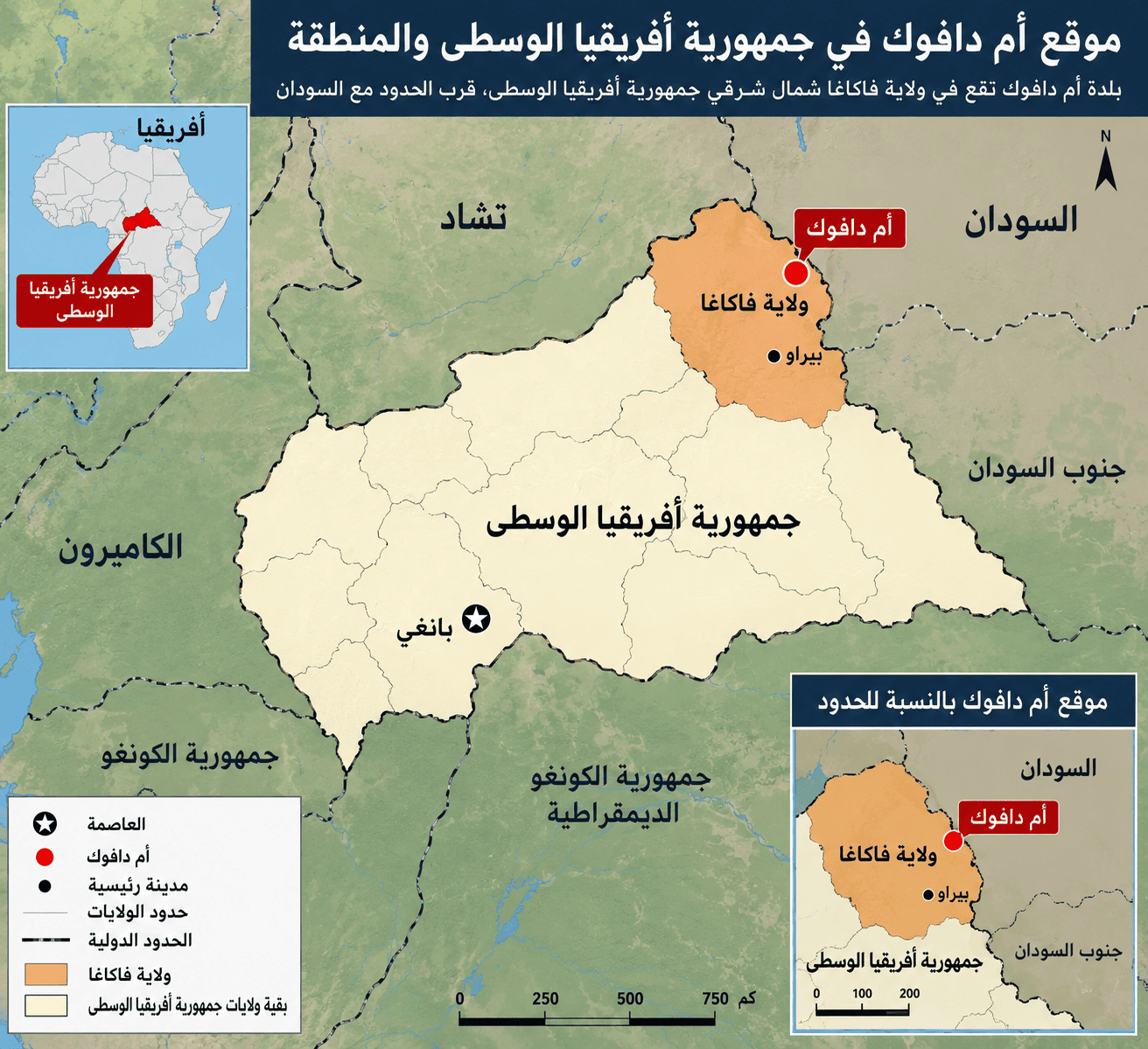
One of the distinctive features of Am Dafok is its location. The town lies in the far northeast of the Central African Republic, directly on the border with Sudan, in an area historically linked to the movement of people, trade and herding between the two sides of the border.
The Sudanese war has had an impact on the security situation in the area, with increased movement of armed men across the border and attacks on villages and roads.
Reports had previously warned that the deterioration of security along the Birao–Am Dafok axis is partly linked to the spread of the effects of the Sudanese conflict into Central African territory.
A Border Community Far from the Spotlight
Despite the scale of the displacement, the Am Dafok crisis has not received international attention commensurate with the number of people affected.
The area lies far from the capital, Bangui, in the northeast of the country, and already suffers from weak infrastructure, limited services and difficulty in delivering humanitarian aid.
Am Dafok is also of particular importance when following the situation of Muslim communities in the Central African Republic, as it lies in Vakaga, within the northeast with its strong historical, social and commercial ties to Sudan and to Muslim communities in the region.
The significance of Am Dafok in the context of minorities and marginalised Muslim communities lies in its being a model of a border community far from centres of attention, living amid armed conflict, weak protection and the spread of war from neighbouring Sudan.
A Return Shadowed by Fear
The return of more than 5,000 people and the reopening of the market are encouraging signs following the major displacement that came after the June attack.
Yet Am Dafok's experience over recent months shows how quickly the situation in this area can reverse.
Families returning to their homes today are returning to a town where houses were looted and burned, where tens of thousands of its residents and those around it were forced to seek shelter at a United Nations base, and where the protection of civilians still relies heavily on military patrols and the presence of peacekeepers.
The story of Am Dafok is therefore not merely a report about the return of 5,000 displaced people, but the story of a marginalised border community trying to restore its life after an attack that forced thousands from their homes, while the war on the other side of the border remains a constant threat to its stability.


