


Wasl Iran:
Temporary ceasefire and reopening of the Strait of Hormuz
The United States and Iran reached a ceasefire agreement just one hour before the deadline set by President Trump for launching large-scale strikes on Iranian power plants.
After a war that lasted forty days, which began with surprise American-Israeli air strikes on the morning of Saturday, 28 February 2026, and which resulted in the killing of most of Iran's senior leadership, including Supreme Leader Ali Khamenei, Pakistan mediated a temporary 14-day ceasefire to allow room for negotiations and the achievement of a final agreement.
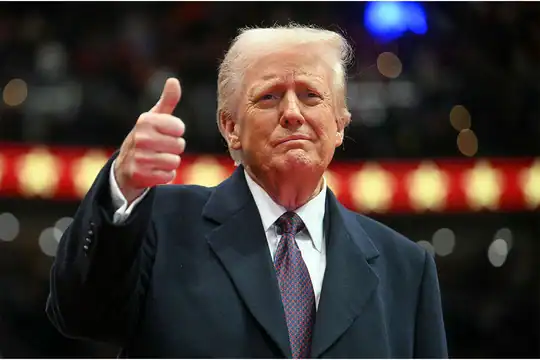
US President Donald Trump announced, in the early hours of Wednesday, 8 April 2026, the achievement of a two-week temporary ceasefire agreement with Iran.
Iran's Supreme National Security Council confirmed its acceptance of the two-week ceasefire, noting that negotiations would begin in Islamabad on Friday. In its statement, the council stressed that "this does not mean the end of the war."
The Strait of Hormuz
Iran partially closed the strait during the war, causing a sharp rise in oil prices in the United States and many other countries. Under the temporary ceasefire agreement, the Strait of Hormuz will be reopened. The United States has not responded to any of Iran's demands for reopening the strait, such as its commitment to ending the war permanently.
Iran's Foreign Minister announced that ships will be permitted to pass through the Strait of Hormuz during the ceasefire period under the supervision of the Iranian army. Oil prices fell by 13% in record time after the announcement of the agreement.
Israel's Channel 12 reported that the United States had coordinated the temporary ceasefire with Israel in advance.
It added that senior officials in Trump's administration made clear to Israel that during the negotiations scheduled over the coming two weeks, the United States will insist on the removal of highly enriched uranium, a complete halt to enrichment, the removal of the ballistic missile threat, and other demands.
Iran retreated from its demands and yielded to the demand to reopen the Strait of Hormuz under the immense military pressure on the regime's infrastructure since the outbreak of the war, pressure that intensified in the final days.
Lebanon outside the agreement
Despite the statement by Pakistan's Prime Minister that the agreement includes Lebanon, Israel's Prime Minister announced that attacks on Hezbollah will continue regardless of the ceasefire agreement with Iran.
Claims of victory
United States: Trump described the agreement as a "complete victory," noting that Washington had received a ten-point Iranian proposal that it considered a valid basis for negotiation.
Iran:
Iran's new Supreme Leader, Mojtaba Khamenei, announced his approval of the truce proposal, and Iran's Supreme National Security Council spoke of a "great victory" that forced Washington to accept Tehran's conditions.
Israel:
Prime Minister Benjamin Netanyahu endorsed the ceasefire decision, but officially confirmed that the truce does not cover military operations in Lebanon.


