


The issue of missing persons in the Gaza Strip is a tragic chapter within the comprehensive humanitarian crisis the Strip is witnessing. Since the start of the war in October 2023 until mid-2026, the number of missing and forcibly disappeared persons has risen, becoming a humanitarian and political challenge with profound dimensions. This crisis is not limited to the shocking figures alone; it extends to the psychological and social suffering experienced by thousands of families in a state of open-ended waiting, searching for any glimmer of hope that might reveal the fate of their loved ones.
Estimates issued by the United Nations and a number of human rights organisations indicate that the number of missing persons ranges between 8,000 and 13,000.
These figures reveal the scale of the humanitarian catastrophe affecting the most vulnerable groups in society.
Challenges of Documentation
Precise figures for the missing differ between sources, and this variation is attributed to several factors, most notably the challenges of documentation under conditions of war and continuing destruction. The United Nations Office for the Coordination of Humanitarian Affairs in the occupied Palestinian territory (OCHA) has emphasised the difficulty of gathering reliable data due to restrictions on access to affected areas and the enormous destruction.
Locally, Palestinian reports point to some 9,500 missing persons, 4,700 of them women and children, while other human rights institutions have reported that the total may exceed 11,000 people, including those believed to still be under the rubble.
Reasons Behind These Alarming Figures
The causes behind this large number of missing persons are multiple and complex, intertwining the factors of armed conflict and restrictions on movement and search.
Under the Rubble
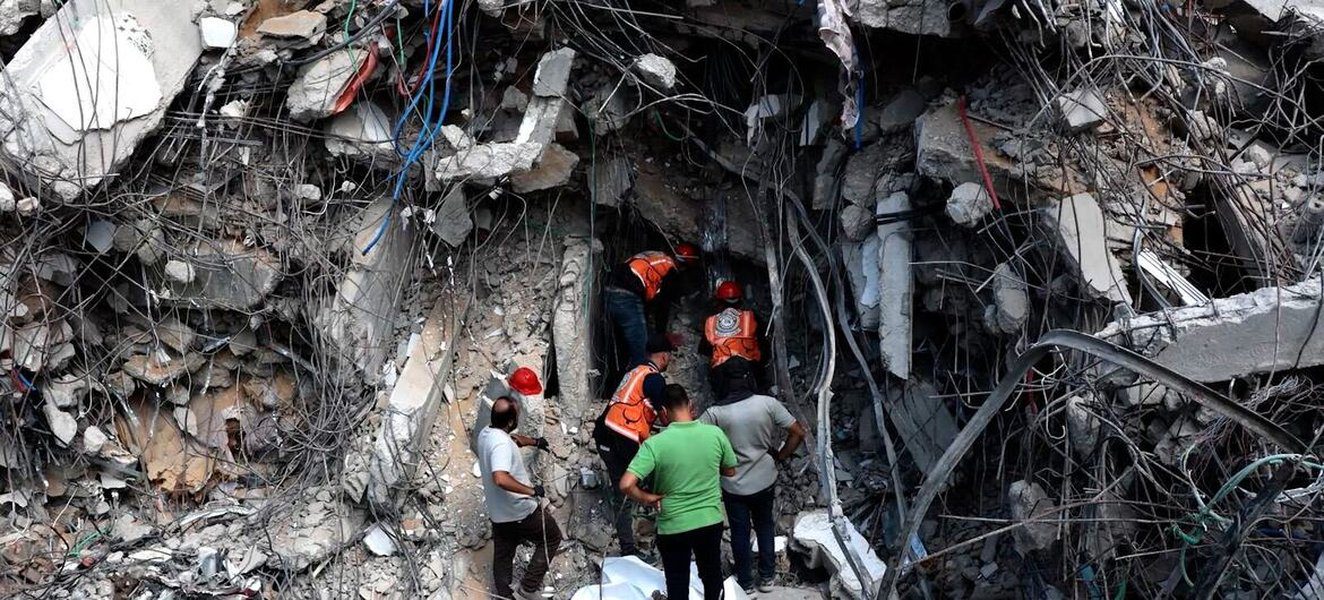
The intensive bombardment to which the Gaza Strip has been subjected is one of the main reasons for the rise in the number of missing persons. A large proportion of the infrastructure and residential buildings have been destroyed, and estimates indicate the presence of approximately 61 million tonnes of rubble.
Those Forcibly Detained
Another part of the missing may be among those forcibly detained in Israeli prisons and detention centres. These individuals are often held without their precise fate or place of detention being known, which adds to the suffering of their families and places them in a state of constant anxiety. The absence of transparency and of information about lists also complicates the efforts of humanitarian organisations to determine their fate.
Unidentified Bodies
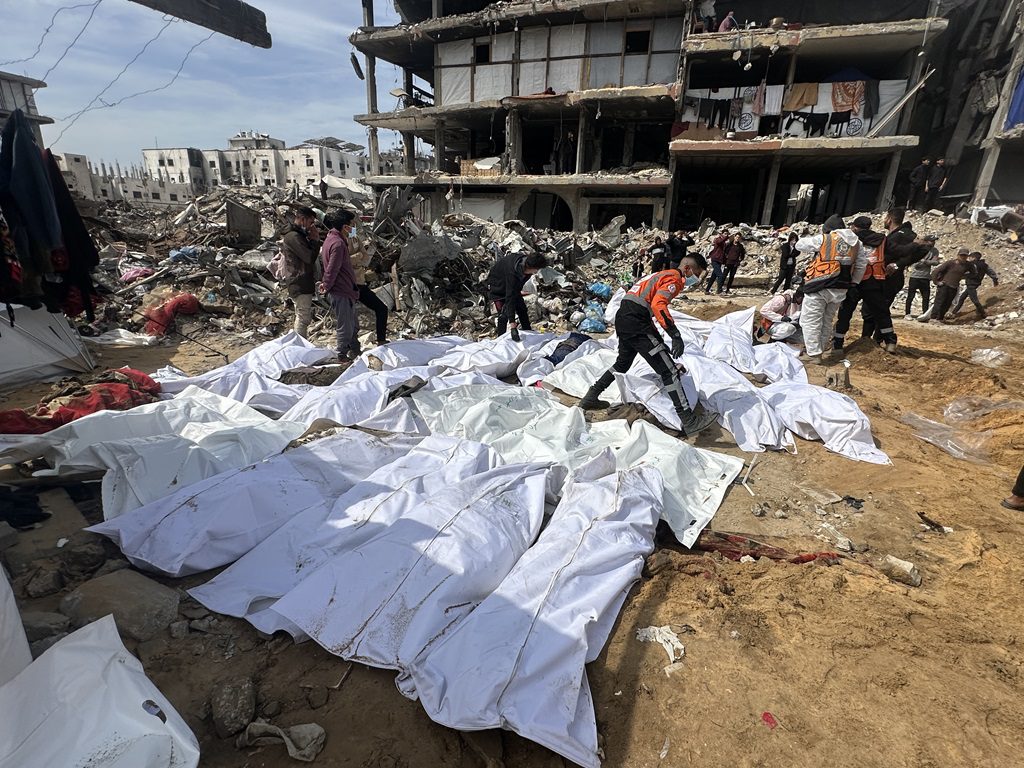
A further complication lies in the return by Israel of bodies in a state of complete decomposition, or of bodies buried in mass graves without the identities of their owners being determined. This phenomenon makes identifying the bodies almost impossible in many cases, even with the availability of DNA techniques, owing to severe deterioration or the lack of sufficient data for comparison.
The Suffering of Families: Painful Waiting and a Humanitarian Dilemma
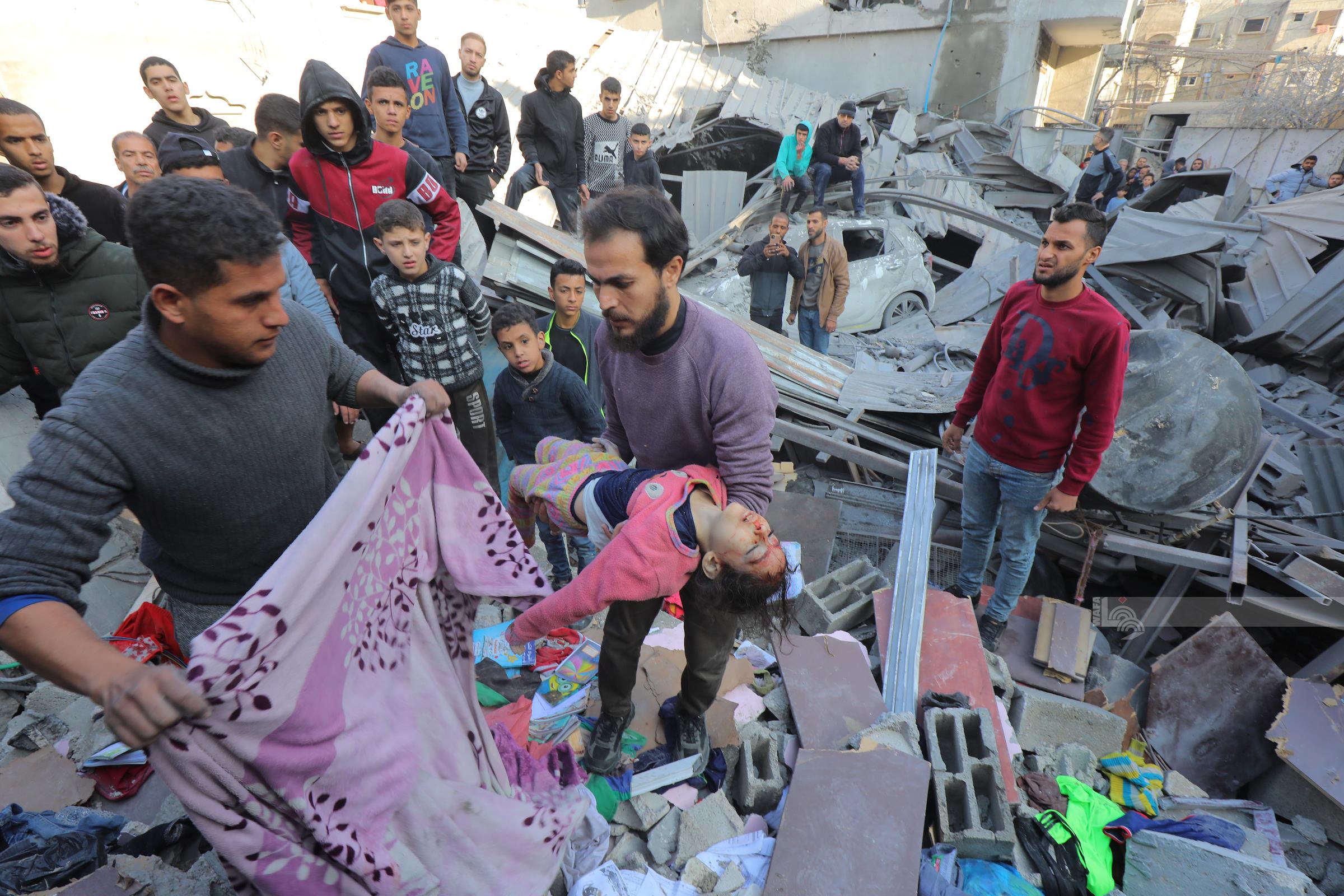
Thousands of Palestinian families in Gaza are living in a state of open-ended waiting and despair, lacking sufficient official information about the fate of their loved ones. This state of "suspended grief" has deep psychological and social effects, destroying the social fabric and leaving scars that do not heal easily.
Reports speak of painful stories, such as that of Ahmed Al-Madhoun, who has Down syndrome and has been missing for more than a year. These stories are not isolated; they represent a model of the suffering of thousands of families who find themselves trapped between hope of finding their loved ones and fear of learning the bitter truth. Human rights organisations and Palestinian centres, such as the Palestinian Centre for Missing and Forcibly Disappeared Persons, work to document cases and provide psychological and social support, but they face immense difficulties because of the scale of the destruction and the continuing restrictions.

Obstacles in the Search
The efforts to document cases of missing persons and search for them face major obstacles that affect the accuracy of statistics and the effectiveness of rescue operations.
Access Barriers and Field Restrictions
Difficulty of access to affected areas and ongoing military operations are among the most prominent obstacles. Restrictions are imposed on the movement of humanitarian teams, journalists and independent documentation, which prevents a comprehensive survey and accurate documentation of cases. These restrictions also limit the ability of organisations to reach survivors or identify the locations of bodies.
Enormous Destruction
The widespread destruction of infrastructure and the presence of millions of tonnes of rubble make search and rescue operations extremely complex, as removing the rubble requires heavy equipment and considerable expertise that are not readily available in the Strip, in addition to the risk of the remaining buildings collapsing. All of this delays and hinders efforts to find the missing.
Variation in Definitions
There is variation in the definition of "missing," as a person may be referred to as "missing and being searched for," "a body returned," or "forcibly disappeared." This divergence in terminology and methodology complicates the process of unifying figures and makes it difficult to issue accurate and comprehensive statistics.
Appeals to the International Community
Concerned parties, such as the Palestinian Centre for Missing and Forcibly Disappeared Persons, call on the international community and the United Nations to intervene urgently to disclose the fate of the missing. These demands include pressing the competent authorities to provide lists of detainees and bodies, and enabling concerned parties to access search sites and identify victims. The appeals also stress the need to strengthen transparency and data exchange, provide reliable mechanisms for determining fate, reinforce procedures for preserving evidence and identifying bodies, facilitate access to search sites, and provide psychological and social support to families.
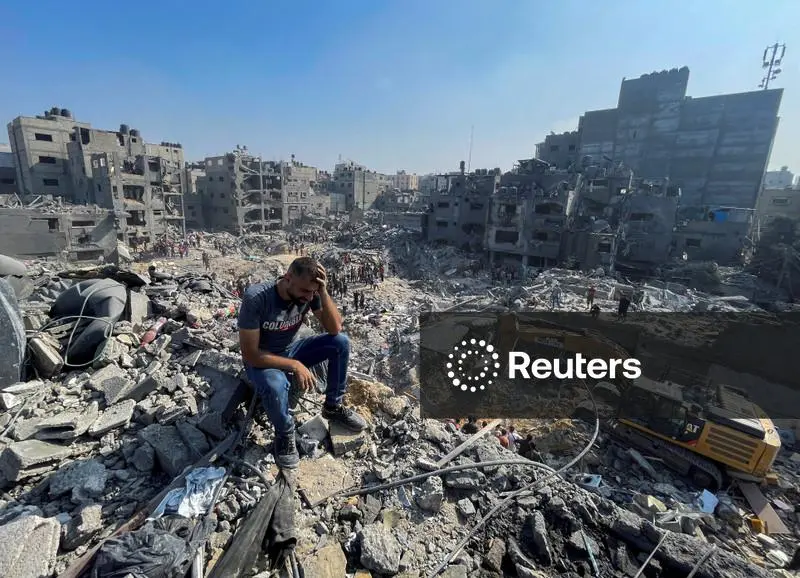
The issue of missing persons in Gaza remains an open wound and a testament to the deep humanitarian crisis the Strip is living through. The enormous figures, which range between 8,000 and 13,000 people, most of them women and children, reflect the scale of the catastrophe left by bombardment, destruction and forced detentions. The absence of clear information and the restrictions imposed on search and documentation efforts add to the suffering of families living in a state of suspended grief and despair. Resolving this crisis requires united international and local efforts, with a focus on transparency, facilitating access to information, providing the necessary support to affected families, and disclosing the fate of every missing person so that these families may find some peace amid this tragedy.


