

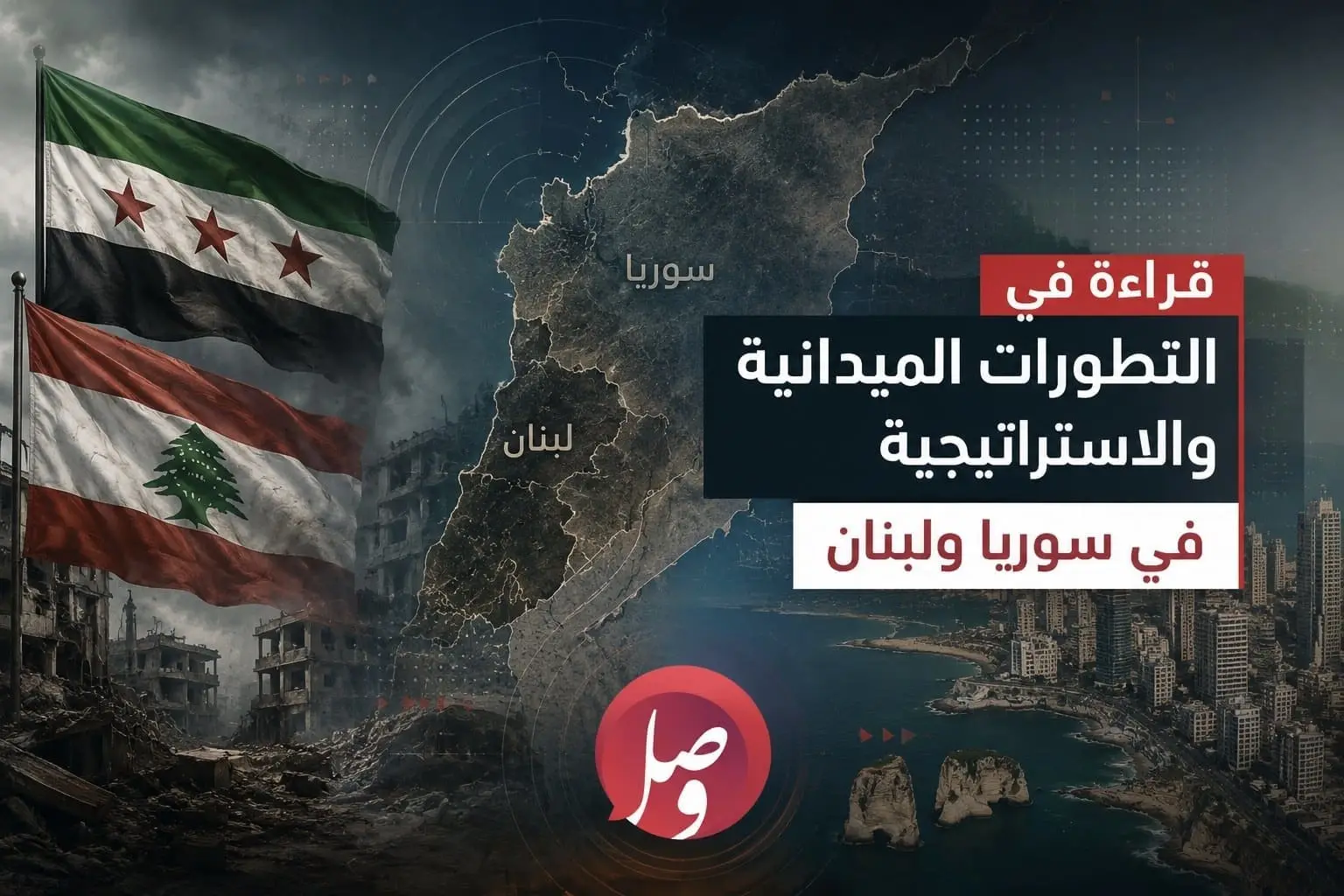
2026 is witnessing rapid geopolitical, military and economic shifts, manifested in field confrontations, international competition over trade routes, and regional deals that are reshaping the contours of the "Middle East." Below we review the most prominent of these developments and their potential strategic dimensions.
First: The Direct Military and Field Track
The Israeli Incursion and Advance into Syria
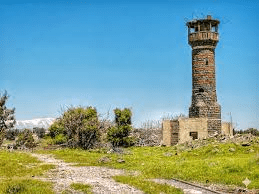
Southern Syria has witnessed a notable Israeli incursion, represented by the establishment of nine military bases, seven of which have been completed, while work is underway on two additional bases. This expansion comes amid a complete absence of the Syrian army and police. Among the most prominent field events, Israeli special forces booby-trapped and blew up the historic Dagestani Mosque in the city of Quneitra on 24 April 2026. The aim of this operation was to convert the site of the mosque, which dates back to the nineteenth century and is built of black basalt stone, into a military base.
The Syrian Chemical Weapons File
The United States of America officially announced the receipt of new quantities from Syria's chemical weapons stockpile. This operation was carried out in coordination and with direct support from Syrian President Ahmed al-Sharaa, indicating a pivotal role for him in this sensitive file.
Operation "Eternal Darkness" in Lebanon
On 8 April 2026, Israeli occupation forces launched an intensive air attack on Lebanon, involving 50 warplanes that dropped 160 bombs within one minute. The operation aimed to paralyse communication systems and command centres and to destroy Lebanese infrastructure. This was followed by a ground advance by Israeli forces, which crossed the Litani River towards Sidon, accompanied by military evacuation orders covering 20% of Lebanon's territory. In response, Hezbollah continued to use drones to target Israeli concentrations in the south; however, these strikes did not succeed in curbing the Israeli advance or forcing its withdrawal.
Second: International Competition over Alternative Land Transport Routes
The region has become an arena of struggle over three parallel land transport projects, all aimed at linking Asia with Europe to avoid the disrupted maritime corridors. These projects are:
1. The New Pakistan Route (the Iranian Axis)
This geographic route extends from Pakistan through Iran, Iraq, Saudi Arabia, Syria and Turkey, reaching Europe. Iran and Hezbollah support this project with the aim of imposing the Iranian line as the backbone and principal operator of commercial traffic in the region.
2. The American and "Israeli" Route
This route departs from occupied Palestine and passes through Lebanon, Syria and Turkey, reaching Europe. Through it, Washington and Tel Aviv seek to create a complete land alternative that dispenses with vital waterways such as the Strait of Hormuz and the Suez Canal.
3. The Third Route (the Parallel Indian Axis)
This route begins in India by sea to the UAE and Saudi Arabia, then moves through Israeli railway networks and ports, and continues through Lebanon, Syria and Turkey towards Europe. This alternative line aims to link the Gulf states with Israeli ports to ensure the flow of goods by land and secure supply lines.
Third: Political and Economic Dimensions and Regional Deals
- Iranian Diplomacy and Omani Mediation
Iran's foreign minister moved towards the Sultanate of Oman, requesting mediation with the Gulf states to conclude a reconciliation. The proposed reconciliation is based on activating the China-backed road network, in exchange for the Gulf states' rejection of the American-Israeli land project.
- Turkey's Strategic Gains
Ankara adopts the position of an observer who benefits from these developments, since it represents the mandatory land corridor and the final link of any of the three competing projects. This position could turn Turkey in future into something resembling a "land Suez Canal," thereby strengthening its strategic influence.
- The Gas and Energy Deal on the Syrian Coast
Oil and natural gas exploration has begun in Block No. 3 (the North Basin near Latakia) by American and French companies, with Qatari mediation and sponsorship. Marketing estimates point to a huge reserve of 122 trillion cubic feet of gas and 17 billion barrels of oil. This economic movement is interpreted as a "reward and price of stabilisation" for the new Syrian regime led by Ahmed al-Sharaa, in return for silence over the Israeli movements and occupation of the south and for facilitating the passage of international energy projects.
Fourth: Anticipated Future Scenarios
1. The Birth of a New Middle East
The region is expected to witness a reshaping of the regional reality based on new arrangements. This scenario relies on land routes as an alternative to maritime corridors threatened by missiles and militias, alongside Israel's encroachment on wide areas of Gaza, southern Syria and Lebanon to secure its borders and projects.
2. The Risk of Civil War in Lebanon
Lebanon faces a real threat of sliding into internal war. This war could ignite either through the "creative chaos" that Israel may stir up to exhaust Hezbollah and change the country's identity, or through the party itself igniting it and adopting a policy of "scorched earth" should it feel despair and military deadlock.
3. The Future of the Syrian State
Syria's political role is expected to decline, and it is expected to be transformed geographically into merely a "logistical land corridor" serving global trade and international energy flows. This shift aims to diminish the value of the Chinese Silk Road and the Iranian Strait of Hormuz, thereby changing Syria's regional and international standing.


