


⚫ Tense Calls, Mounting Pressure, and Dangerous Geopolitical Repercussions Shake the Old Alliance
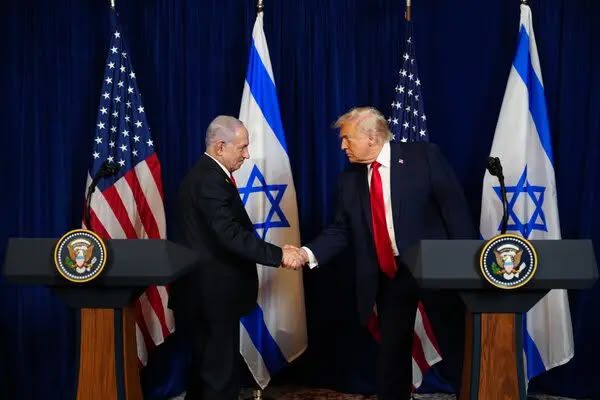
Several reports published in recent hours, notably one by the Hebrew newspaper Maariv, have indicated that the relationship between US President Donald Trump and Israeli Prime Minister Benjamin Netanyahu has reached a decisive turning point.
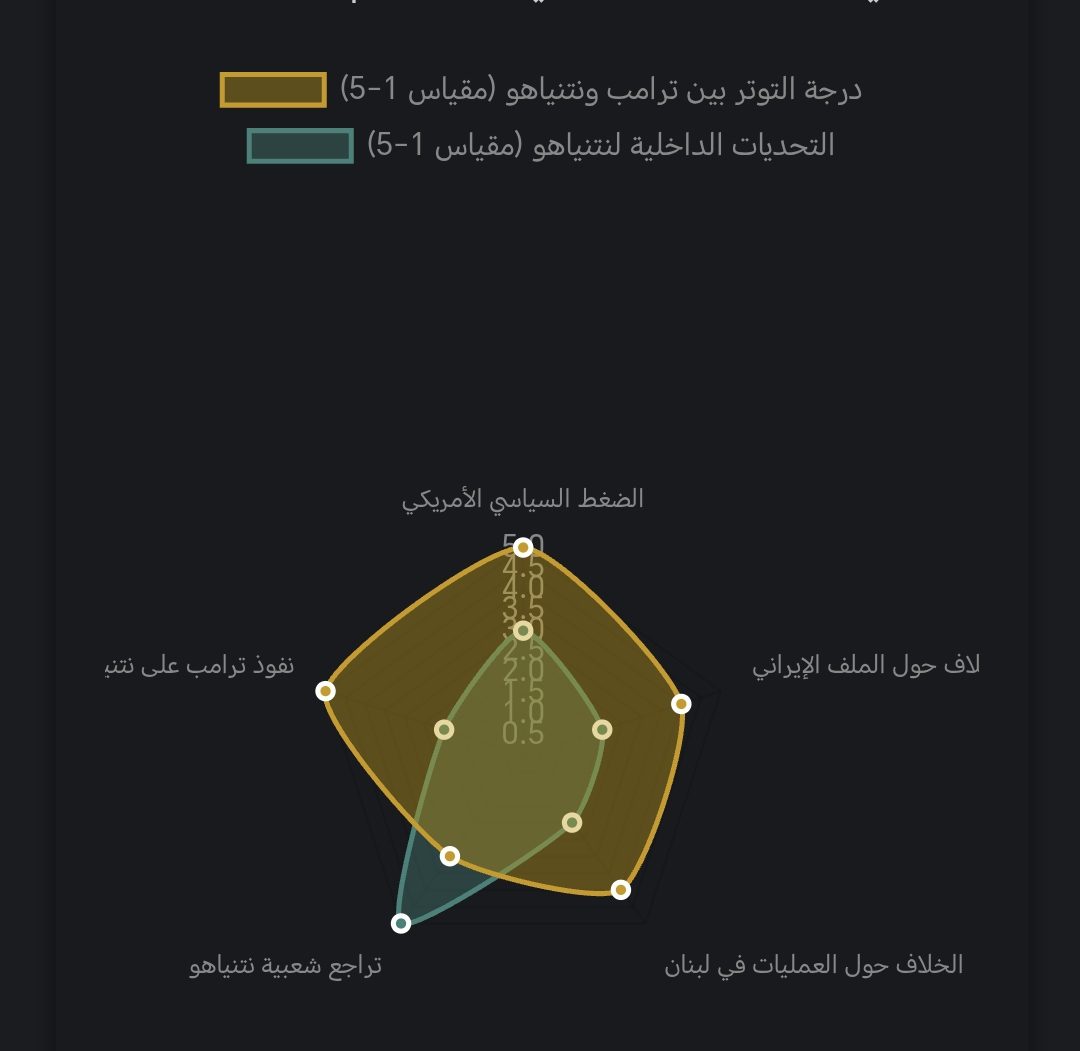
The reports indicated that this period is marked by escalating tension and unprecedented US pressure on Netanyahu, raising question marks over the future of this historic alliance, which has long been regarded as a cornerstone of both countries' foreign policy. This tension is not limited to security and political files; it extends to deep domestic repercussions on the political landscape in Israel, with a noticeable decline in Netanyahu's popularity and the rise of his rivals.
Shifting Dynamics: From Fixed Partnership to Direct Pressure
The relationship between the United States and Israel has long been characterised by a strong strategic alliance. However, recent developments indicate a radical shift in these dynamics. The pressure exerted by Trump on Netanyahu has become more explicit and direct, breaking the stereotypical image of a relationship that was described as "non-contentious." This shift reflects Washington's readiness to use its political influence as a tool to achieve its objectives in the region, particularly with regard to major regional understandings.
The Iran and Lebanon Files: Key Points of Disagreement
One of the most important aspects of the tension is concentrated in the Iran file: the US administration seeks to avoid a military escalation that could threaten prospects for reaching understandings with Tehran, while Netanyahu sees Iran as an existential threat requiring a firmer strategy. This divergence in views has created a clear friction, as Israel feels that US pressure may restrict its capacity to defend its vital security interests.
In addition, Trump has openly criticised some Israeli military operations in Lebanon, describing them as "not necessary."
US Pressure and Its Repercussions
The reports revealed concern within Israel's security and military establishment that US pressure may include delaying arms shipments or reducing military support, which could affect Israel's defensive capabilities. These concerns are compounded by Israel's continued engagement in wars on multiple fronts and a significant increase in defence spending, as the Knesset approved the budget for 2026.
Domestic Repercussions: Netanyahu's Declining Standing and the Rise of Rivals
The repercussions of the tension with Washington are not limited to the international arena; they extend to cast a shadow over the internal political scene in Israel, where Netanyahu faces a decline in his political standing. Opinion polls show a decline in support for his party (Likud) and the rise of prominent rivals such as Bennett and Eisenkot.
This fragile domestic situation makes Netanyahu more vulnerable to pressure, whether from Washington or from the domestic opposition.
Using Political Cards: Trump's Calls as an Electoral Tool
Maariv indicated that Trump's calls with Netanyahu could turn into electoral cards against the latter. This reveals that the relationship is no longer governed solely by shared security perspectives, but has become affected by domestic political considerations in both countries.
Internal Rebellion and Its Impact on Israeli Sovereignty
Some reports indicated that Trump's public rebuke of Netanyahu, after which the latter was compelled to back down from bombing Beirut, revealed "the erosion of Israeli sovereignty" and provoked "an internal rebellion." This reinforces the idea that US pressure directly affects decision-making in Tel Aviv and may raise questions about the independence of Israeli decision-making at times.

Netanyahu's Strategy: Balancing Internal and External Pressures
Despite mounting pressure, Netanyahu is trying to maintain a firm stance on Israeli security, while stressing the need for composure. Some analyses suggest that Netanyahu may use escalation in Lebanon to pressure Washington regarding the negotiations with Iran, in an attempt to strengthen his negotiating position or at least draw attention to Israeli concerns.
Defence Budget and Multiple Wars
Amid these tensions, Israel approved its 2026 budget with a significant increase in defence spending, reflecting its continued confrontation with security challenges on multiple fronts.
An Alliance at a Crossroads
The shift in the relationship between Trump and Netanyahu, on which Maariv has shed light, represents more than passing diplomatic disagreements. It reflects a structural change in how Washington deals with its allies, particularly in the sensitive Middle East region.
As US pressure, whether public or covert, and the domestic repercussions in Israel indicate, this alliance may be at a crossroads. Netanyahu is therefore trying to reconcile the need to maintain US support with protecting what he sees as Israel's supreme security interests, a major political and diplomatic challenge given his declining domestic popularity and the rise of rivals. As for Trump, he appears ready to use pressure tools to achieve broader objectives in the region, even at the expense of straining a historic relationship.


