


The United States of America celebrates today the 250th anniversary of its declaration of independence, an event that — as Americans say — represents a symbol of freedom and democracy and the rise of one of the most powerful nations in modern history. Cities are decorated with flags, fireworks light up the sky, and the speeches of the founders are recalled as the beginning that shaped the features of the American republic.
But on the other side of this celebratory scene stands a long history of questions whose files have not yet been closed. While the official narrative speaks of building a state of liberties, thousands of documents, reports, court rulings and university archives speak of a parallel history filled with forced displacement, mass killings, foreign wars, racial discrimination and human rights violations, and policies whose effects remain in place to this day.
Over two and a half centuries, administrations changed, presidents succeeded one another, and political priorities shifted, yet many human rights files remained open, and some of them are still the subject of debate within the United States itself.
In recent years, the debate over the nature of American identity itself has returned with force, after the country witnessed rising waves of hate crimes, political polarisation and protests against racism, alongside repeated accusations of institutional bias in law enforcement and the judiciary.
This report does not seek to offer an ideological account or to issue political judgements, but rather to provide an investigative historical reading based on documents, figures, testimonies and academic research, in order to understand how this other face of the United States was shaped over 250 years.
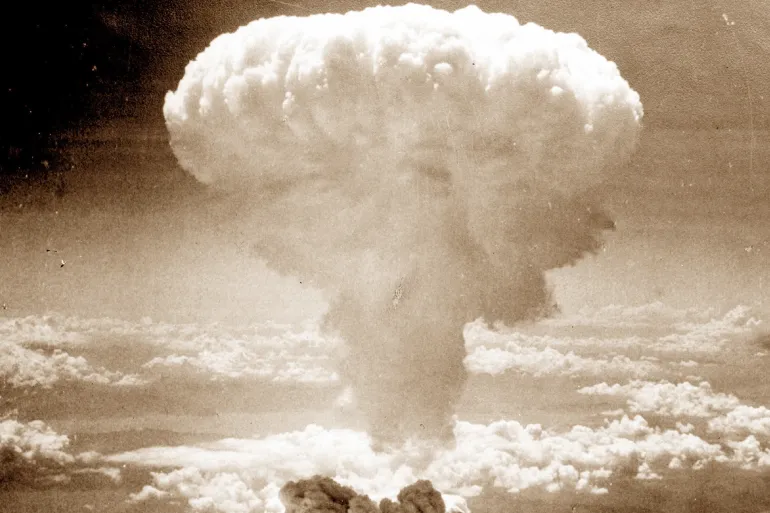
Before It Became the "Land of the Free": How Did the Tragedy of the Indigenous Peoples Begin?
When the United States declared its independence in 1776, the lands that later became the United States were not an empty territory as portrayed by many early historical accounts. They were home to hundreds of Indigenous nations and tribes that had lived there for centuries and possessed sophisticated political, social and economic systems.
Historical studies estimate that millions of Indigenous people lived in North America before the arrival of Europeans, distributed among hundreds of nations and tribes, such as the Cherokee, Choctaw, Creek, Seminole, Navajo, Sioux and Apache, among others.
But with the expansion of European settlements, and then the establishment of the United States, a long struggle over land and resources began, which soon turned into an official policy aimed at removing Indigenous peoples away from the areas the American government wished to open to white settlers.
Although some treaties signed between the American government and the tribes recognised these peoples' rights to their lands, many of those treaties were not implemented, while some were annulled or bypassed whenever they conflicted with the economic or expansionist interests of the state.
This idea was used to justify the seizure of vast lands inhabited by Indigenous peoples, and was regarded, in the view of many historians, as one of the most important intellectual foundations that legitimised the processes of displacement and exclusion.
The matter did not remain limited to military conflicts; it gradually turned into a comprehensive state policy, using legislation, military force and economic pressure to redraw the demographic map of the continent.
The great turning point came with the arrival of President Andrew Jackson to power, who clearly adopted the project of removing the tribes from the south-east of the United States, a project that was later translated into one of the most controversial laws in American history: the Indian Removal Act of 1830.
That law was not merely an administrative procedure for relocating the population; it was the beginning of one of the largest forced displacement operations in modern history, known as the "Trail of Tears," in which tens of thousands of men, women and children marched hundreds of kilometres under military guard, amid hunger, disease and cold, and thousands of them died before reaching their destination.
But the "Trail of Tears" was only one chapter of a much longer story, which would later witness mass massacres, policies of forced assimilation, and organised attempts to erase the identity, cultures and languages of Indigenous peoples. Several researchers and academic institutions regard these policies as part of the history of cultural genocide in the United States.
The "Trail of Tears": When the Law Legitimised the Largest Forced Displacement in the History of the United States
The displacement of Indigenous peoples was not merely the result of scattered clashes or border disputes; in the 1830s it turned into a state policy endorsed by Congress and signed by the American president of the time. In 1830, the Indian Removal Act was passed, granting the federal government broad powers to remove Indigenous tribes from their lands east of the Mississippi River to areas west of it, under the pretext of "land exchange" and opening the way for agricultural and settler expansion.
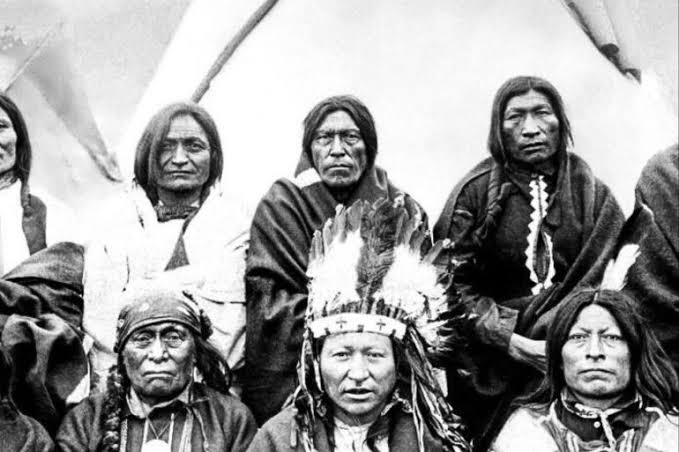
On paper, the law appeared to allow negotiated agreements between the government and the tribes, but in practice it was implemented in many cases under military, political and economic pressure, which made "consent" a formality in the view of many historians and researchers.
The real motive behind this policy was clear. The lands inhabited by tribes such as the Cherokee, Choctaw, Creek, Chickasaw and Seminole were among the most fertile regions of the American South, and their economic value increased after gold was discovered on Cherokee land in the state of Georgia in 1828, which accelerated demands to expel the Indigenous population from it.
When the State Ignored the Highest Judicial Authority
In 1832, the United States Supreme Court issued a landmark ruling in the case of Worcester v. Georgia, in which it affirmed that the lands of the Cherokee tribes enjoyed an independent legal status, and that the government of the State of Georgia had no authority to impose its laws within those lands. But the ruling changed nothing on the ground.
The local authorities refused to abide by it, and pressure on the Cherokee to leave their lands continued, in one of the best-known episodes that historians cite to show the limits of judicial authority when its rulings conflict with political will at that stage.
Men, women and children were placed in temporary detention camps before a forced march began, extending more than 1,200 miles (about 1,900 kilometres), along rough routes and in harsh climatic conditions.
There were not sufficient provisions, nor adequate food or medicine, and disease spread quickly among the deportees, while cold, hunger and exhaustion claimed the lives of thousands. Historical estimates indicate that about 4,000 people died during the journey, approximately a quarter of the Cherokee who were forced to relocate.
The Cherokee were not alone: the Choctaw, Creek, Chickasaw and Seminole were also subjected to similar displacement operations, and the number of those forced to leave their homelands is estimated at tens of thousands.
For this reason, these journeys came to be known collectively as the "Trail of Tears," a name that has become a symbol of one of the most controversial policies in American history.
From Displacement to Massacres
Displacement did not end the conflict. As American expansion westward continued, repeated confrontations broke out between the United States Army and tribes that refused to give up their lands, and some of these confrontations ended in massacres that are still studied and condemned today.
On the morning of 29 November 1864, forces of the Colorado Militia under the command of Colonel John Chivington attacked a camp of the Cheyenne and Arapaho tribes at Sand Creek. Most of the men were away on a hunting trip, and the camp was left mainly with women, children and the elderly.
Although the tribal leaders raised the American flag and a white flag of truce, the attack continued for hours, and an estimated 150 to more than 200 people were killed, most of them civilians.
The massacre shocked the United States itself, to the extent that congressional investigation committees condemned what had happened and described the attack as brutal and unjustified, but this did not translate into genuine criminal prosecutions of those responsible.
Bear River: The Less Known and Most Deadly Massacre
Just one year before Sand Creek, the State of Idaho witnessed what is known as the Bear River Massacre in 1863, when United States Army units attacked a camp of the Shoshone tribe at dawn.
Estimates of the number of victims vary, but many studies indicate that between 250 and 400 people were killed, which makes it one of the deadliest massacres in the history of the conflict between the United States Army and the Indigenous peoples.
Wounded Knee: The End of the Indian Wars or the End of a Nation?
On 29 December 1890, one of the best-known massacres in American history took place at Wounded Knee in the State of South Dakota.
A group from the Lakota tribe had already surrendered to the American forces, but an attempt to disarm its members turned into gunfire, which soon escalated into intense shelling by the army, and within less than an hour, between 250 and 300 men, women and children of the tribe had been killed.
Many historians regard this massacre as the symbolic end of what became known as the "Indian Wars," but for the Indigenous peoples it was the end of an entire phase of their free existence on their historical lands.
Despite later criticism, a number of soldiers who took part in the operation were awarded military medals of honour, a decision that still provokes wide controversy today, and Indigenous tribes demand that it be revoked.
Cultural Genocide: When the Goal Became the Erasure of Identity Rather than the Body
After the area of land controlled by the Indigenous peoples had shrunk, American policy moved into a new phase, in which the goal was no longer only control over the land, but the reshaping of the human being himself.
During the late nineteenth and early twentieth centuries, a broad network of federal boarding schools was established for the children of Indigenous peoples. The unofficial motto adopted by these institutions summed up their philosophy clearly:
In many cases, the authorities forcibly removed children from their families, then transported them to schools hundreds or thousands of kilometres away from their communities. There they were forbidden to speak their native languages, to wear their traditional clothing, or to practise their religious rituals.
Their names were replaced with English names, their hair was cut, and they were subjected to a way of life aimed at fully integrating them into European-American culture.
Recent investigations by the United States Department of the Interior revealed the existence of hundreds of schools of this kind, in addition to the discovery of burial sites associated with some of them, and the deaths of a number of children from disease, malnutrition and neglect, a chapter that still casts its shadow over the relationship between the state and the Indigenous peoples.
A growing number of researchers describe these policies as cultural genocide, because they targeted the elimination of language, memory and collective identity, even when they did not target direct physical extermination.
Wounds That Have Not Healed
Nearly two centuries after the "Trail of Tears," the effects of those policies remain present. Indigenous peoples represent a small percentage of the population of the United States, yet they suffer, according to government reports and human rights organisations, from high rates of poverty, suicide, addiction and violence, as well as the disappearance of women and girls, in addition to legal complexities concerning jurisdiction within tribal lands, which in many cases leads to perpetrators of crimes escaping punishment.
Researchers argue that what Indigenous peoples face today cannot be separated from a long history of displacement, loss of land and attempts to erase identity, policies that have left social, psychological and economic effects extending across generations.
Freedom That Did Not Include Everyone: How the American Republic Was Built on the System of Slavery
On 4 July 1776, the Founding Fathers of the United States declared that "all men are created equal, that they are endowed with certain unalienable Rights, that among these are Life, Liberty and the pursuit of Happiness."
Yet this declaration, which became one of the most influential political texts in modern history, did not reflect the reality lived by hundreds of thousands of people within the new state.
The American republic was born carrying within it a deep contradiction between the principles it proclaimed and the practices it adopted.
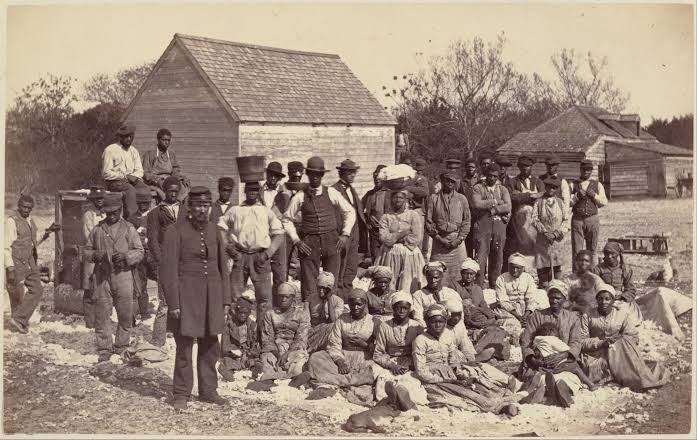
The Slave Trade: An Economy Built on the Enslavement of Human Beings
The United States did not initiate the slave trade across the Atlantic, but it became one of its largest beneficiaries. Over the seventeenth and eighteenth centuries, millions of Africans were forcibly transported from their homelands to the New World in conditions that historical studies describe as among the cruellest mass transportation operations in history.
European and American ships carried men, women and children chained inside cramped holds, where disease, malnutrition and suffocation spread.
Estimates indicate that hundreds of thousands died before their feet touched dry land. Those who arrived alive were sold in slave markets like property, children were separated from their parents, and spouses from one another, with no regard for human bonds.
By the end of the eighteenth century, the forced labour of enslaved Africans had become an essential element in the production of cotton, tobacco and sugar cane, products that played a pivotal role in the growth of the American economy.
A number of historians have described this system as one of the main engines of wealth accumulation in the United States during its early years.
A Constitution That Reconciled Liberty with Slavery
When the Founding Fathers met to draft the American Constitution in 1787, the Constitution did not abolish slavery; instead, it included political compromises that allowed it to continue in order to preserve the unity of the new states.
Among the best-known of these compromises was the so-called "Three-Fifths Compromise," which counted an enslaved person as three-fifths of a person when calculating the political representation of the Southern states, although he had no right to vote and no civil rights at all.
This paradox reflected the nature of the period: the Black person was used to increase the political influence of his owners, without his full humanity being recognised.
Cotton and Blood: When the Human Being Became a Commodity
With the invention of the cotton gin at the end of the eighteenth century, demand for enslaved labour increased to an unprecedented degree, and the plantations of the American South expanded rapidly. Men, women and children worked long hours under the threat of physical punishment.
Whipping, starvation, forced sale and labour to the point of exhaustion were common means of imposing control, and the law provided no genuine protection for the enslaved, who were treated as property that could be sold, mortgaged or inherited.
The testimonies of former enslaved people, later gathered in federal archival projects, document harrowing details of daily life on the plantations, from physical punishments to the denial of education and the prevention of stable family formation.
The Civil War: The End of Slavery in Law, Not in Reality
The American Civil War broke out in 1861, and the system of slavery was one of its most important causes. After four years of fighting that claimed hundreds of thousands of lives, the constitutional amendments that formally abolished slavery were adopted. To many, it appeared that the United States had entered a new era, but the reality was more complex.
The abolition of slavery did not end discrimination; it shifted into new legal and institutional forms.
Jim Crow... When Chains Were Replaced by Laws
From the late nineteenth century onward, the Southern states enacted a series of laws known as the Jim Crow laws. These laws enforced racial segregation in schools, transportation, restaurants, hospitals, public parks, and even places of worship.
The African American became a citizen on paper, but in reality lived in a society that separated him from white Americans in most aspects of life.
Nor was the matter limited to segregation. Millions of Black Americans were deprived of the right to vote through impossible literacy tests, poll taxes, and various means of intimidation, and any attempt to demand equality could be met with violence.
Lynching... The Terror That Lasted for Decades
Between the late nineteenth century and the mid-twentieth century, the United States witnessed thousands of extrajudicial killings (lynchings).
The mere accusation against a Black man, sometimes without any evidence, was enough for angry mobs to gather, torture him, and then hang or burn him alive in front of spectators.
The Equal Justice Initiative's database documents more than four thousand extrajudicial killings targeting African Americans between 1877 and 1950, while researchers believe the true number is higher.
In the view of historians, these crimes were not merely isolated acts; they served to entrench racial supremacy, terrorize Black communities, and prevent them from demanding their rights. In many cases, their perpetrators were never held accountable.
The Civil Rights Movement... Confronting a Century of Discrimination
By the 1950s and 1960s, one of the largest protest movements in American history had begun, as thousands of African Americans marched to demand an end to racial segregation and to secure voting rights and equality before the law.
Figures emerged such as Martin Luther King Jr., who led broad peaceful protests, calling for the principles set out in the Constitution to become a reality for all Americans.
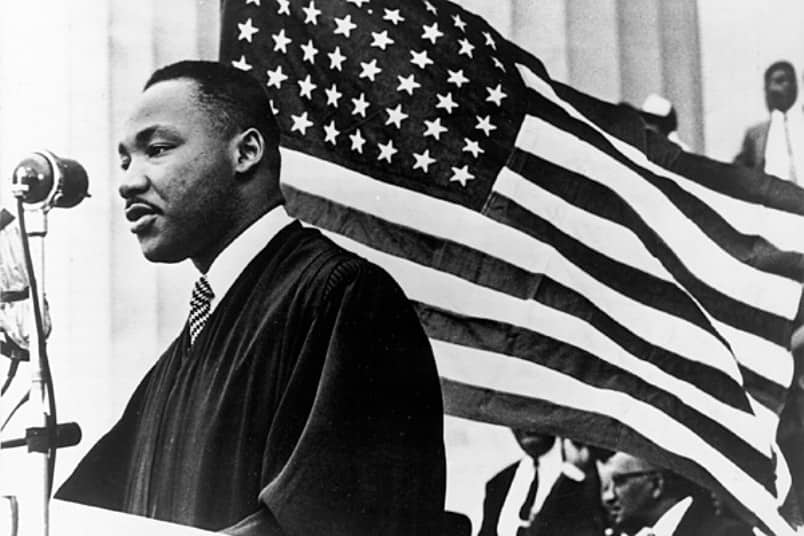
Although landmark laws were enacted, such as the Civil Rights Act of 1964 and the Voting Rights Act of 1965, racism did not disappear; its forms changed.
Institutional Racism... The Problem That Did Not End
In the following decades, allegations of racial disparities persisted in criminal justice, education, health, housing, and employment. Government statistics and university research showed that Americans of African descent make up a high proportion of prison inmates relative to their share of the population, and that they face higher rates of poverty, unemployment, and use of force by police.
The killing of George Floyd in 2020 reignited debate about institutional racism, after a video recorded the circumstances of his death while he was in police custody, sparking unprecedented protests inside the United States and abroad under the slogan "Black Lives Matter."
While officials defended the important legal and institutional reforms undertaken since the 1960s, critics argued that the persistence of these gaps reflects that the effects of centuries of slavery and discrimination have not fully disappeared.
From Within to Abroad... Exporting American Power
At the close of the nineteenth century, the United States no longer focused solely on expanding its influence within its borders. Having nearly completed its westward expansion, it entered a new phase of its history, one that brought foreign military interventions, occupations, and wars that would change the map of the world.
It began in the Caribbean and the Pacific, then extended to Asia, Latin America, and the Middle East. There, another chapter in the record of abuses would begin, but this time outside American borders.
The Empire Beyond Borders
By the end of the nineteenth century, the United States had nearly completed its expansionist project within the American continent. But growing economic strength and increasing military capabilities pushed policymakers in Washington to adopt a more assertive foreign policy, based on protecting American interests abroad, opening new markets, and strengthening strategic influence.
For proponents of this policy, it was the natural transition of a rising state into the ranks of the great powers. For its critics, it marked the beginning of a new phase of military interventions that left heavy human losses and sparked wide debate about the United States' commitment to the principles of international law and human rights.
The Spanish-American War... The Beginning of Imperial Influence
In 1898, the United States entered a war with Spain that ended in a swift victory and resulted in the transfer of control over several territories to Washington, among them Puerto Rico, Guam, and the Philippines.
Although the official discourse spoke of "liberating peoples" from Spanish colonialism, the Philippines soon entered a new conflict, this time with the power that had presented itself as a liberator.
The Philippines... A War That Ended and a Tragedy That Continued
The Philippine national movement refused to submit to American administration, and the Philippine-American War broke out in 1899. It formally continued until 1902, while clashes persisted in some areas for years afterward.
The war was marked by severe violence on both sides. However, numerous historical studies documented the use by American forces of harsh methods in some areas, including:
- Burning entire villages.
- Establishing forced concentration zones for the population.
- Carrying out field executions.
- Using torture during interrogation, among the best-known methods of which was what became known as the "water cure," a technique that scholars regard as a form of torture essentially similar to mock drowning.
Estimates of civilian deaths vary, but many historians note that the war and the diseases and famine accompanying it killed hundreds of thousands of Filipinos.
The war also provoked opposition within the United States itself, where the American Anti-Imperialist League was founded. It brought together politicians, thinkers, and writers who believed that subjugating another people by force contradicted the principles on which the American republic was founded.
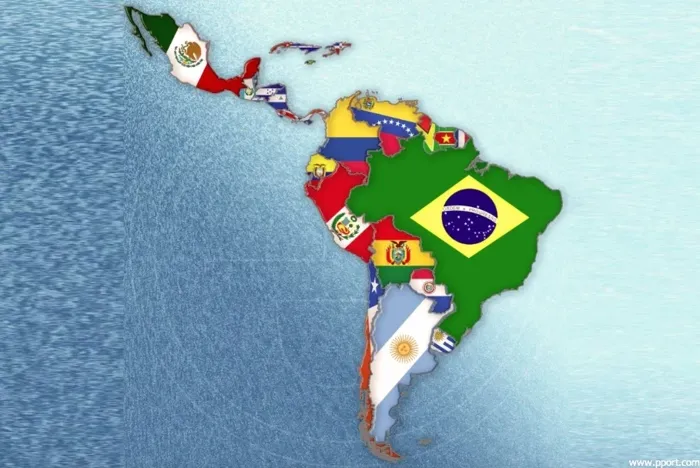
Latin America... A Century of Interventions
At the beginning of the twentieth century, the Caribbean and Central America became a principal arena of American influence.
Countries such as Haiti, Nicaragua, the Dominican Republic, and Cuba witnessed direct military interventions and temporary occupations, which American administrations justified as preserving stability or protecting economic interests.
In many cases, Washington supported allied governments or intervened to change regimes it considered a threat to its interests.
Historians argue that these policies contributed to entrenching political instability in parts of the region for decades, while successive American administrations maintain that they acted within the context of the Cold War or in defense of regional security.
World War II... A Victory That Ended with an Unprecedented Weapon
During the Second World War, the United States played a decisive role in defeating Nazi Germany and Imperial Japan, a role that many historians regard as one of the most important factors in ending the war in Europe and the Pacific. Yet the final days of the war saw a decision that would remain one of the most controversial military decisions in history.
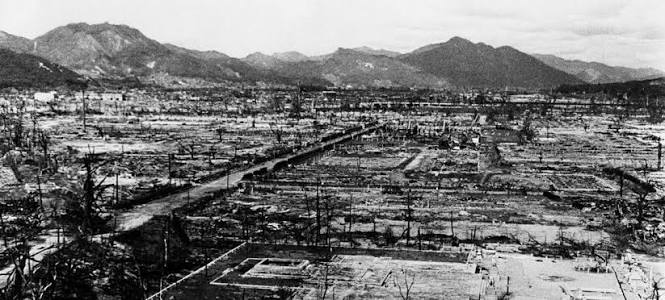
On August 6, 1945, the United States dropped an atomic bomb on the Japanese city of Hiroshima. Just three days later, a second bomb was dropped on Nagasaki.
The explosions, fires, and radiation killed tens of thousands instantly. The death toll then rose over the following months and years due to burns, radiation-related injuries, cancers, and birth defects.
Estimates indicate that the total number of victims in the two cities reached several hundred thousand over the following years, and the decision remains a subject of division among historians.
Proponents of the decision argue that it hastened the end of the war and prevented greater losses that would have resulted from an invasion of Japan. Critics regard it as a disproportionate use of force against civilians, and it opens an ongoing moral and legal debate about the legitimacy of using nuclear weapons.
The Cold War... When Coups Became an Instrument of Foreign Policy
After the end of the Second World War, the world entered the Cold War between the United States and the Soviet Union. Within the framework of a policy of containing Soviet influence, Washington backed covert operations and political interventions in a number of countries.
Among the most prominent examples:
Iran, 1953
The Central Intelligence Agency (CIA), in cooperation with British intelligence, supported an operation that led to the overthrow of the elected prime minister Mohammad Mosaddegh, after his decision to nationalize the oil industry.
Documents declassified later indicate that the operation was a major turning point in Iran's history and contributed to the rising tensions that preceded the Iranian Revolution of 1979.
Guatemala, 1954
The United States supported a coup that toppled the elected president Jacobo Árbenz, amid concerns about the growth of leftist influence.
Scholars consider that the coup opened the way to decades of instability, political violence, and a civil war that killed tens of thousands.
Chile, 1973
The American role in the overthrow of the elected president Salvador Allende remains the subject of extensive historical debate.
American documents declassified indicate covert political and economic support for opposition forces, preceding the military coup led by Augusto Pinochet.
During Pinochet's years in power, human rights organizations documented thousands of cases of arrest, torture, and enforced disappearance.
Vietnam... The War That Changed America's Image
If the Second World War had cemented the image of the United States as a liberating power, the Vietnam War became one of the wars that most shook that image.
American involvement began gradually and then escalated into a large-scale war lasting years, during which the United States deployed enormous firepower and bombed vast areas of both North and South Vietnam.
It also used chemical agents to defoliate forests, most notably Agent Orange, which contained the toxic compound dioxin.
The effects of this chemical agent are still being recorded today, as studies link it to cancers, birth defects, and long-term health problems among the population and the soldiers exposed to it.
The My Lai Massacre... When the Face of War Was Exposed
On the morning of March 16, 1968, a unit of the United States Army entered the village of My Lai in Vietnam.
The photographs and testimonies revealed later caused shock inside the United States and abroad, and My Lai became a symbol of the abuses that can occur in war when immediate accountability is absent.
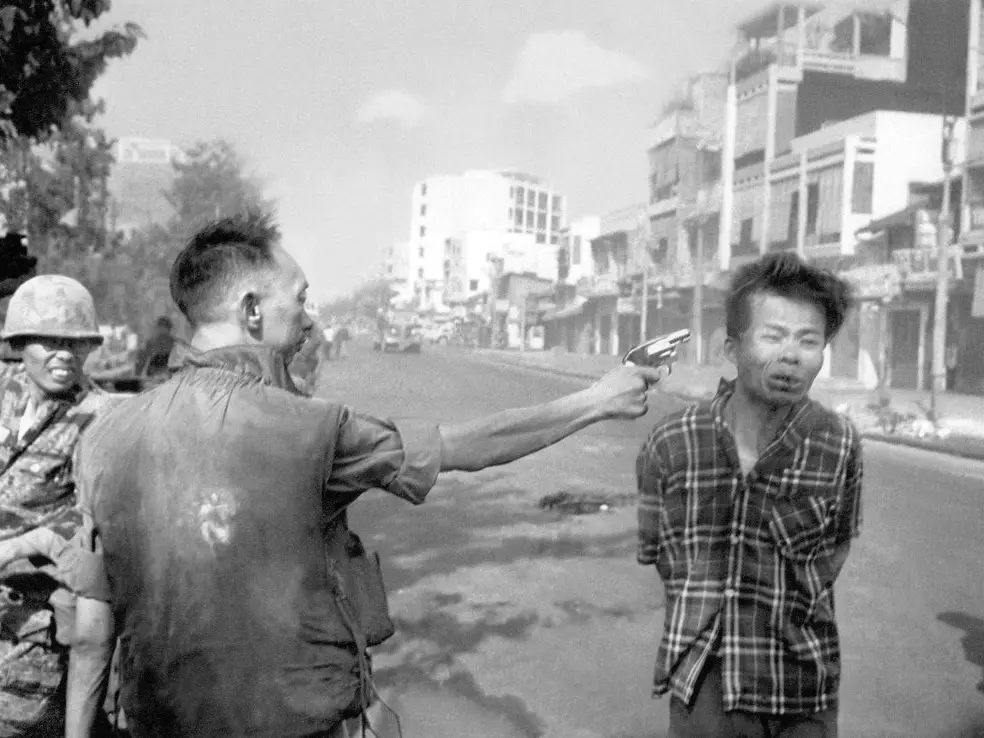
Although a limited number of soldiers were tried, many critics felt that the scale of accountability was not commensurate with the scale of the crime.
With the end of the Vietnam War, the United States entered a new phase of its military history, but foreign interventions did not stop.
Instead, they shifted to the Middle East, where a series of wars and military operations would begin that would reshape the region and once again place Washington at the center of accusations of human rights violations, beginning with the Gulf War, followed by Afghanistan and Iraq, and extending to the issues of torture, secret prisons, and Guantanamo.
How Did the September 11 Attacks Change the United States and the World?
As the morning of September 11, 2001 dawned, the United States was preparing for an ordinary working day. Less than two hours later, four hijacked civilian aircraft had changed the course of history.
The attacks killed nearly three thousand people and caused an unprecedented shock within American society. They prompted the American administration to declare what became known as the "Global War on Terror."
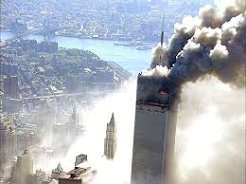
The attacks had a profound impact on American policy and global security, leading to military interventions and wide-ranging security legislation. At the same time, some of the measures taken under the name of counterterrorism drew broad legal and human rights criticism, and their effects remain a subject of debate to this day.
Afghanistan... The Longest War in American History
Less than a month after the attacks, the United States, with the support of its allies, began military operations in Afghanistan aimed at toppling the Taliban government and eliminating al-Qaeda.
American forces quickly succeeded in toppling the government, but the war turned into a long conflict lasting nearly twenty years. During that period, tens of thousands of civilians and combatants were killed, millions of Afghans were displaced, and infrastructure suffered widespread destruction.
International and United Nations organizations also documented multiple incidents in which civilians were killed as a result of airstrikes or military operations, and these incidents prompted calls for investigations and accountability for officials when violations of humanitarian law were established.
In August 2021, American forces withdrew from Afghanistan, and the Taliban returned to power, at the end of a war considered the longest in the history of the United States.
Iraq... A War Begun with Weapons That Were Never Found
In March 2003, the United States led a military coalition to invade Iraq, based on allegations that the government of Saddam Hussein possessed weapons of mass destruction and posed a threat to international security.
However, after the regime fell, inspection teams did not find stockpiles of weapons of mass destruction as had been announced before the war. This led to one of the greatest political crises faced by American administrations and sparked global debate about the legitimacy of the war and the intelligence information on which the decision to invade was based.
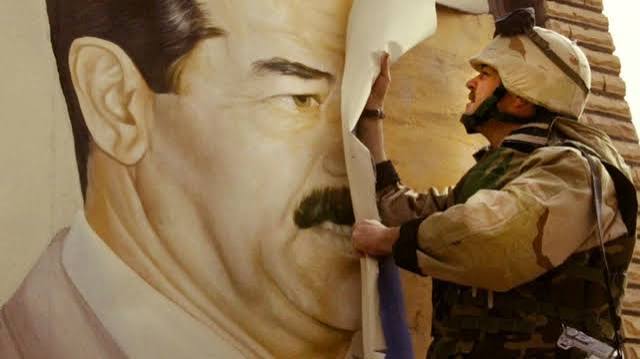
Various estimates and studies indicate that the war and the violence and instability that followed resulted in the deaths of large numbers of civilians, in addition to the displacement of millions of Iraqis within the country and abroad.
Abu Ghraib... The Images That Shocked the World
In 2004, photographs taken inside Abu Ghraib prison were published, showing Iraqi detainees subjected to humiliating treatment, torture, and abuse at the hands of members of the American military.
The images provoked worldwide condemnation, because they documented abuses that occurred inside a facility under American military control. According to the American military investigations themselves, the abuses included beatings, humiliation, forcing detainees into degrading positions, threatening detainees with dogs, and other practices.
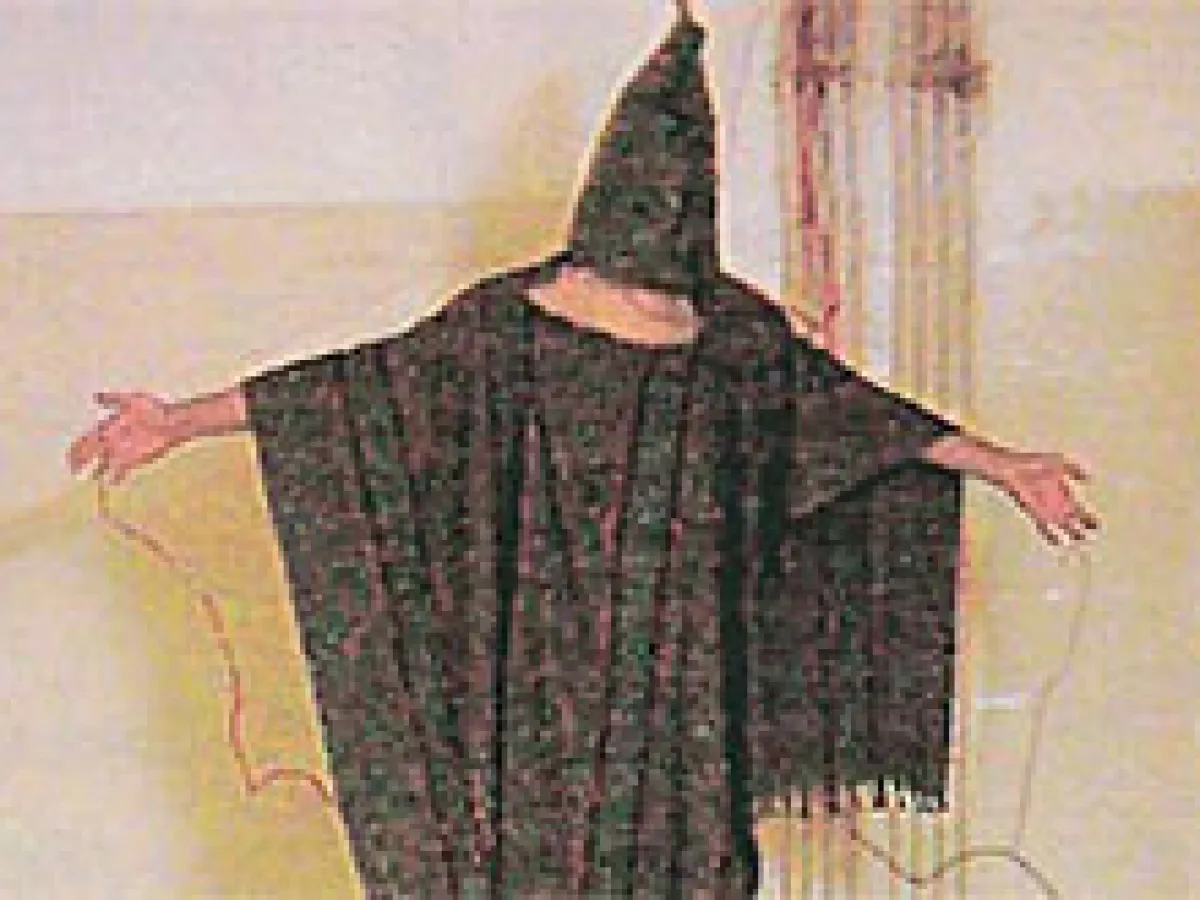
A number of soldiers and officers were convicted before military courts, but human rights organizations argued that accountability did not extend to all the leadership levels that contributed to creating the environment that allowed those abuses to occur.
Guantanamo... The Prison That Went Beyond the Law?
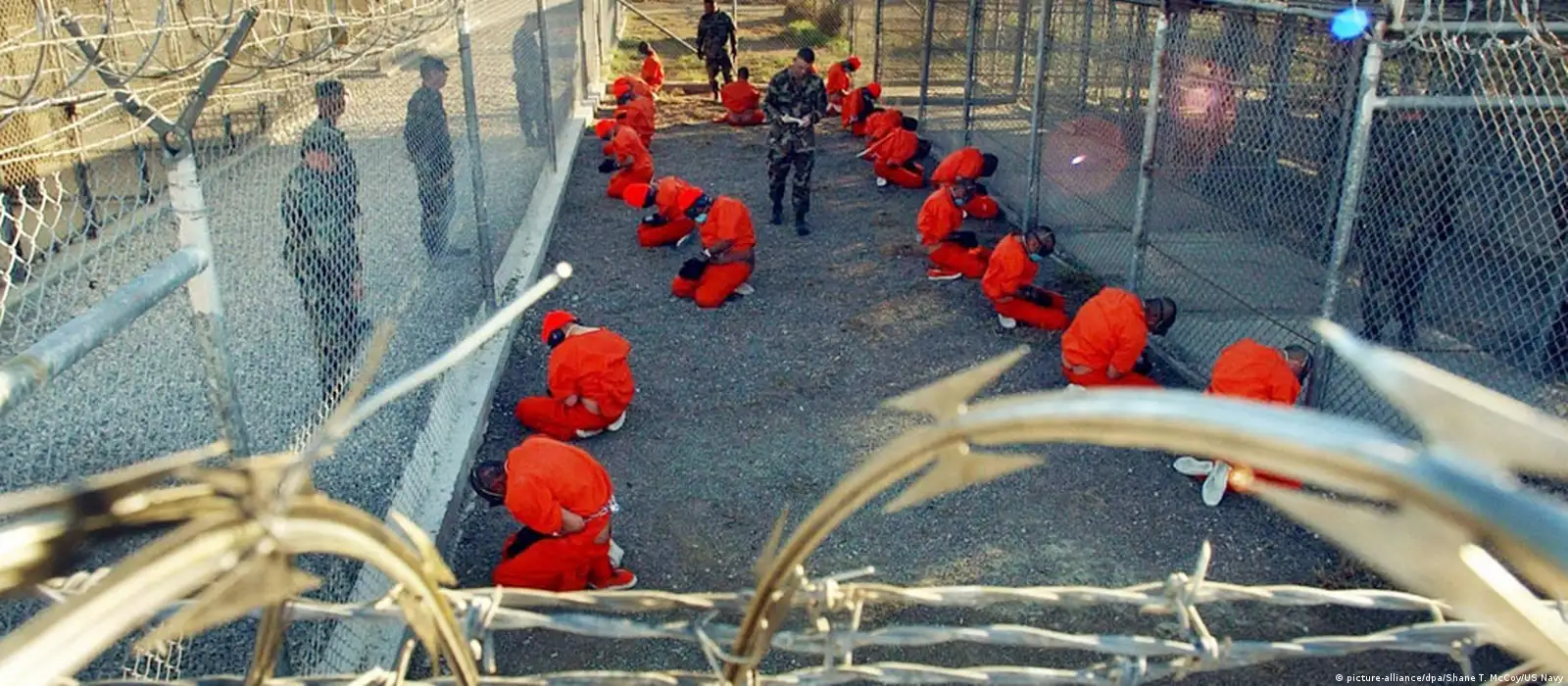
In January 2002, the United States opened a detention center at the Guantanamo Bay detention facility, a site chosen outside the continental United States, a step that critics believed aimed to avoid certain legal constraints applying to prisons within the United States.
Hundreds of people of various nationalities were held in the facility, and the American administration at the time described them as "enemy combatants," but many remained in detention for years without trial or formal charges.
Organizations issued repeated reports criticizing the indefinite detention and called for the facility to be closed or for detainees to be tried in accordance with standards of justice. Despite more than two decades having passed, the facility still operates.
Secret Prisons and Enhanced Interrogation Programmes
The abuses were not limited to the known prisons. Later reports revealed a network of secret detention centres that the Central Intelligence Agency (CIA) ran in a number of countries.
The 2014 report of the United States Senate Intelligence Committee also revealed the use of interrogation methods that the American administration at the time described as "enhanced", while the United Nations, international law experts and human rights organisations regarded them as forms of torture.
The report also confirmed that these methods were harsher than had previously been announced, and that their intelligence effectiveness was disputed within the American institutions themselves.
The PATRIOT Act: Security or Restriction of Freedoms?
In the wake of the 11 September attacks, the US Congress passed the USA PATRIOT Act, which granted the authorities broader powers in the areas of surveillance, data collection and tracking of communications. The US government considered these powers necessary to prevent future attacks.
However, rights organisations, such as the American Civil Liberties Union, warned that some provisions of the law could infringe on privacy and constitutional rights, especially as the scope of government surveillance expanded.
The debate was renewed after the leaks revealed by Edward Snowden in 2013, which exposed extensive programmes for collecting communications data inside and outside the United States.
The War on Identity
The effects of the 11 September attacks were not limited to foreign policy. Inside the United States, a broad segment of Arabs and Muslims began to feel that they had become objects of collective suspicion.
In some cases, this turned into prejudices targeting individuals with no connection to any extremist activity.
The Figure That Revealed the Scale of the Shift
According to data from the Federal Bureau of Investigation (FBI), hate crimes against Muslims rose from 28 incidents in 2000 to 481 incidents in 2001, an increase of nearly seventeenfold within one year.
Although more than two decades have passed since the attacks, studies indicate that rates of hate crimes against Muslims have remained several times higher than their levels before 11 September.
Researchers argue that this increase was not merely a temporary reaction; it contributed to entrenching Islamophobia in sections of society, driven by multiple factors, including some political rhetoric, stereotypical media coverage, and tensions linked to international events.
But developments did not stop there. After the events of 7 October 2023, rights organisations and official bodies recorded a new wave of attacks, threats and discrimination against Muslims and Arabs inside the United States, an indication that this phenomenon can still escalate with each major international crisis.
Islamophobia in the United States... When Fear Became a Lasting Pattern of Discrimination
If the attacks of 11 September changed American foreign policy, they also changed the relationship between sections of American society and their Muslim and Arab citizens.
In the first weeks after the attacks, anger and fear prevailed, but they soon went beyond pursuing those responsible for the crime to targeting people who had no connection to terrorism beyond their religious affiliation or ethnic origin.
Since then, Islamophobia has become one of the most prominent issues in human rights debates within the United States, with official and academic reports describing a rise in hate crimes, incitement rhetoric, and discrimination in workplaces and education, as well as identity-based security suspicion.
An Unprecedented Surge in Hate Crimes
American research centres have revealed that over the following two decades, Muslims remained among the religious groups most exposed to hate crimes relative to their population size.
These crimes included:
- Physical assaults.
- Shootings at places of worship.
- Vandalism of mosques.
- Verbal threats.
- Assaults on women wearing the hijab.
- Harassment in schools and universities.
- Discrimination in the workplace.
From Individual Crime to Public Discourse
Researchers argue that the problem is not limited to individual assaults. Over the past two decades, a political and media discourse emerged in some circles that associates Islam with violence in a stereotypical manner, which contributed to entrenching negative images of Muslims.
Studies in sociology and media indicate that news coverage related to terrorism received far more attention than coverage of the everyday lives of ordinary Muslims, which reinforced inaccurate impressions among some of the public about a community that numbers more than four million Muslims within the United States.
On the other hand, academic, religious and media initiatives emerged that aimed to correct these stereotypes and promote interfaith dialogue, reflecting a divide within American society itself over this issue.
Challenges have not been limited to hate crimes. Reports issued by the American Civil Liberties Union (ACLU) and other human rights organisations have documented complaints concerning what they described as disproportionate targeting of Arabs and Muslims in some security investigations, surveillance programmes, and travel and immigration procedures.
Surveillance programmes that targeted some Muslim communities, particularly in New York City after 11 September, also provoked wide controversy, after press reports and court documents revealed monitoring of religious and social activities merely on the basis of identity-related suspicion, without evidence that any crimes had been committed.
While the authorities affirmed that these measures aimed to protect national security, critics argued that they weakened trust between law enforcement agencies and Muslim communities.
After 7 October 2023: A New Wave of Hatred
The war in Gaza, which erupted following the attacks of 7 October 2023, brought the issue of Islamophobia back to the forefront.
The New York City Police Department also recorded a rise in anti-Muslim hate crimes in the months following the outbreak of the war, while American universities documented complaints from students who were harassed because of their Arab or Muslim identity.
Human rights organisations warned that the rise of political and media polarisation could entrench new waves of hatred if effective measures are not taken to confront them.
250 Years Between Principles and Reality
Now that a quarter-millennium has passed since the founding of the United States, the larger question appears to concern not only the scale of power it has attained, but its capacity to confront its history with transparency.
Over 250 years, the country witnessed:
- Forced displacement of Indigenous peoples and massacres that left effects extending to the present day.
- A system of slavery that lasted for decades, followed by institutional racial segregation and a long struggle for civil rights.
- Foreign military interventions and coups supported by Washington in various contexts of the Cold War.
- Use of military force that provoked legal and moral controversy, from Hiroshima and Nagasaki to Vietnam and Iraq.
- Detention, torture and surveillance programmes that drew wide criticism after the 11 September attacks.
- Continuing challenges of discrimination and hate crimes against minorities, foremost among them Arabs and Muslims.
Between the celebrations of 4 July 2026, and the questions still raised by the files of Indigenous peoples, slavery, foreign wars and Islamophobia, American history remains a complex narrative that cannot be read from a single angle.
Perhaps an honest review of this legacy, with all its contradictions, is the true test for any state that raises the slogans of freedom, justice and equality.
Also read:
The Backyard That Rebelled: How the United States Built Two Centuries of Hostility in Latin America?


