

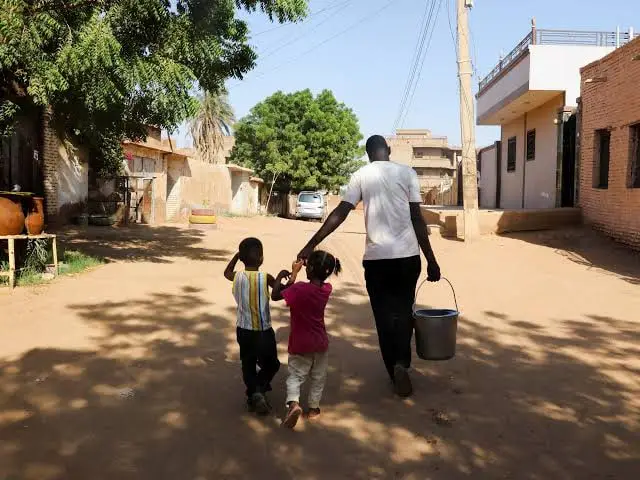
The United Nations refugee agency (UNHCR) and the International Organization for Migration (IOM) have warned that millions of displaced people and others affected by the war in Sudan face the risk of being left without adequate shelter, amid a severe funding shortfall and shelter supplies and basic household items approaching depletion.
In a joint statement issued on Friday, 6 November 2026, the two organisations said that around 15.4 million people in Sudan urgently need emergency shelter and basic household items, but the lack of funding means humanitarian actors can prioritise assistance for only about 10% of those in need.
The statement said that the number of people who received shelter and basic-item assistance did not exceed 936,000, revealing a large gap between growing humanitarian needs and the resources available to respond.
The two organisations warned that the continued lack of funding would leave more displaced families, and families returning to their areas, without sufficient protection from harsh weather conditions, insecurity, and the risks of violence and exploitation.
Relief warehouses approaching depletion
At a United Nations press briefing in Geneva, the head of the IOM mission in Sudan, Mohamed Refaat, said the organisation's available stocks had been depleted to a dangerous level, despite continued efforts to deliver aid to affected areas.
He explained that the organisation had distributed more than 40,000 tents during the current year, but its warehouses had become empty of the supplies needed to respond to new needs.
He noted that 16 aid trucks had reached Darfur one day before the press briefing, but they were among the last remaining shipments held by the organisation.
He added that improved access to some areas is not enough to address the crisis as long as the resources needed to provide assistance are unavailable.
Humanitarian organisations warn that the shortage of shelter materials may prevent a response to new waves of displacement, especially in areas where fighting continues and food security is deteriorating.
Sudan faces the world's largest displacement crisis
According to the UN statement, around 8.6 million people remain displaced within Sudan, while more than 4.6 million people have fled across the border to neighbouring countries, after more than three and a half years of war that broke out in April 2023.
At the same time, more than 5.2 million people have returned to their original areas, most of them internally displaced, in addition to Sudanese refugees who returned from neighbouring countries.
However, return has not meant an end to suffering for many families, as returnees found their homes destroyed or damaged, while infrastructure and essential services suffered extensive damage as a result of the war.
These families face difficulties in rebuilding their homes and securing essential needs, meaning they require emergency assistance even after returning to their areas.
Funding shortfall threatens the humanitarian response
United Nations data indicate that the humanitarian response plan for Sudan, whose funding requirements amount to about $2.9 billion, had received only 47% of the requested amount by the time of the press briefing.
The shortage of resources has led to reduced humanitarian services, at a time when needs continue to grow as a result of fighting, displacement, and deteriorating economic and health conditions.
The Deputy Representative of the UN High Commissioner for Refugees in Sudan, Abu Bakr Jalo, also explained that the collective response to shelter needs faces a large funding gap, as only about 35% of the $179 million requested for this sector had been secured during the year.
UN organisations stress that providing shelter is not limited to protecting families from rain, cold and heat, but is also linked to their safety, dignity, and ability to stabilise and avoid additional risks.
Relief officials warned of the possibility that the crisis could reach a stage in which displaced people urgently need shelter with no sufficient supplies available to provide it.
The UNHCR and the IOM called on donors to provide urgent and flexible funding to refill relief stocks and ensure aid continues to reach displaced and returning families, before the gap between needs and available capacity widens further.
As the war continues, the shelter crisis stands out as one of the most serious humanitarian consequences of the conflict in Sudan, as millions of families still suffer the loss of their homes and property and face the risk of repeated displacement without assurance of a safe place to live.


